
Contemporary society faces a significant decline in institutional trust, driven by multiple interconnected factors. Political polarization has intensified divisions between ideological groups, while economic inequality has widened gaps between different segments of the population. These developments have contributed to public skepticism toward traditional authorities and governing systems.
Political leadership has experienced particular scrutiny, with surveys indicating decreased public confidence in elected officials across many democratic nations. Citizens increasingly view political representatives as prioritizing personal or partisan interests over public welfare. This perception has fostered widespread disillusionment with democratic processes and institutions.
Technological advancement, particularly the expansion of social media platforms, has fundamentally altered information distribution patterns. These platforms often employ algorithms that prioritize engagement over accuracy, leading to the rapid spread of unverified or false information. Traditional gatekeepers of information, including established news organizations and academic institutions, face challenges in maintaining their role as authoritative sources.
The proliferation of misinformation has created an environment where citizens struggle to distinguish reliable information from false claims. This information disorder undermines public confidence in expert knowledge and scientific consensus. Research demonstrates that exposure to contradictory information sources increases public uncertainty about factual matters, from health recommendations to economic policies.
These combined factors have produced measurable effects on social cohesion. Public opinion polling consistently shows declining trust in government institutions, media organizations, and other traditional authorities. This erosion of institutional trust affects democratic governance, public health responses, and social cooperation more broadly.
Key Takeaways
- Trust collapse stems from systemic failures and unmet expectations across institutions.
- Loss of trust deeply impacts social cohesion and individual well-being.
- Transparent communication and strong leadership are key to restoring trust.
- Digital environments pose unique challenges for maintaining and rebuilding trust.
- Collaborative efforts across media, government, and workplaces are essential for recovery.
The Impact on Society: How the Collapse of Trust Affects Communities
The ramifications of a trust deficit extend far beyond individual disillusionment; they ripple through entire communities, affecting social cohesion and collective well-being. When trust erodes, individuals become less likely to engage in civic activities or participate in community initiatives. This disengagement can lead to a decline in volunteerism and a weakening of social bonds, ultimately resulting in isolated individuals who feel disconnected from their neighbors.
The sense of belonging that comes from trusting relationships is replaced by suspicion and fear, creating an environment where collaboration becomes increasingly difficult. Furthermore, the collapse of trust can exacerbate existing social inequalities. Marginalized communities often bear the brunt of this crisis, as they may already face systemic barriers to accessing resources and opportunities.
When trust in institutions falters, these communities may feel even more alienated and disenfranchised.
The overall health of society suffers as a result, with increased tensions and conflicts arising from a lack of mutual understanding and respect.
Rebuilding Trust: Strategies for Restoring Faith in Institutions
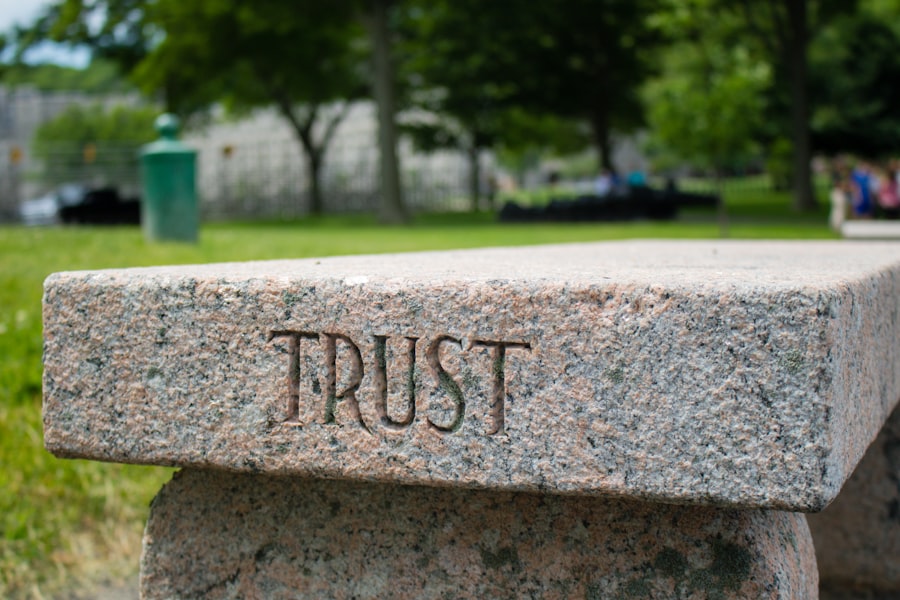
Restoring trust in institutions requires a multifaceted approach that addresses the root causes of disillusionment while fostering transparency and accountability. One effective strategy is to prioritize open dialogue between institutions and the communities they serve. By actively engaging with citizens and soliciting their input on decision-making processes, institutions can demonstrate their commitment to serving the public interest.
This participatory approach not only empowers individuals but also helps to rebuild the sense of agency that has been lost in many communities. Additionally, institutions must prioritize transparency in their operations. By openly sharing information about decision-making processes, funding allocations, and performance metrics, organizations can foster a culture of accountability that reassures citizens about their integrity.
This transparency can be further enhanced through regular communication and updates, allowing individuals to stay informed about developments that affect their lives. When people feel informed and included in the decision-making process, they are more likely to trust the institutions that govern them.
The Role of Leadership: How Leaders Can Navigate the Crisis and Regain Trust
Leadership plays a pivotal role in navigating the crisis of trust and fostering an environment conducive to rebuilding faith in institutions. Effective leaders must embody the values they wish to instill within their organizations and communities. This means demonstrating integrity, empathy, and accountability in their actions and decisions.
By modeling these behaviors, leaders can inspire others to follow suit, creating a ripple effect that encourages trust-building at all levels. Moreover, leaders must be willing to acknowledge past mistakes and take responsibility for their actions. This humility can go a long way in restoring faith among constituents who may feel betrayed or let down by those in power.
By openly addressing issues and committing to meaningful change, leaders can demonstrate their dedication to rebuilding trust. Additionally, fostering an inclusive environment where diverse voices are heard can help leaders connect with their constituents on a deeper level, reinforcing the idea that they are working for the collective good.
The Psychological Impact: How the Collapse of Trust Affects Individuals
| Metric | Description | Recent Data / Statistic | Source |
|---|---|---|---|
| Percentage of People Distrusting News | Share of adults who say they do not trust most news sources | 59% | Pew Research Center, 2023 |
| Increase in Misinformation Spread | Growth rate of misinformation posts on social media platforms | 35% increase year-over-year | Reuters Institute, 2023 |
| Decline in Trust in Government | Percentage point drop in public trust in government institutions | 12 percentage points since 2018 | Gallup Poll, 2023 |
| Social Media as Primary News Source | Percentage of adults who rely on social media for news | 48% | Pew Research Center, 2023 |
| Belief in Fake News | Percentage of people who have shared or believed false information online | 42% | MIT Study, 2022 |
| Trust in Science | Percentage of adults expressing high trust in scientific information | 55% | World Economic Forum, 2023 |
The psychological effects of a trust deficit can be profound and far-reaching. Individuals who experience a loss of trust may develop feelings of anxiety, fear, and helplessness as they navigate an increasingly uncertain world. This emotional turmoil can manifest in various ways, including heightened stress levels and decreased overall well-being.
When people feel that they cannot rely on institutions or even their fellow citizens, it can lead to a pervasive sense of isolation and despair. Furthermore, the collapse of trust can impact individuals’ relationships with others. As skepticism grows, people may become more guarded and less willing to engage with those around them.
This withdrawal can create barriers to forming meaningful connections and hinder social support networks that are essential for mental health. The cumulative effect is a society where individuals feel disconnected not only from institutions but also from one another, further perpetuating the cycle of distrust.
Trust in the Digital Age: Navigating the Challenges of Online Trust

In today’s digital landscape, trust has taken on new dimensions as individuals navigate an increasingly complex online environment. The internet has revolutionized communication and information sharing but has also given rise to challenges related to misinformation and cyber threats. As people turn to online platforms for news and social interaction, they must grapple with discerning credible sources from unreliable ones.
This challenge is compounded by algorithms that prioritize sensational content over factual reporting, further eroding trust in digital spaces. To navigate these challenges, individuals must cultivate critical thinking skills that enable them to evaluate information sources effectively.
Additionally, online platforms themselves have a responsibility to implement measures that promote transparency and accountability in content moderation. By fostering an environment where users can trust the information they encounter online, society can begin to rebuild faith in digital communication.
The Importance of Transparency: How Open Communication Can Help Rebuild Trust
Transparency is a cornerstone of trust-building efforts across various sectors. When organizations prioritize open communication with stakeholders, they create an environment where individuals feel valued and informed. This transparency fosters accountability and encourages organizations to act in ways that align with public expectations.
For instance, businesses that openly share their practices regarding sustainability or ethical sourcing are more likely to earn consumer trust than those that operate behind closed doors. Moreover, transparent communication can help mitigate misunderstandings and conflicts that arise from misinformation or lack of clarity. By proactively addressing concerns and providing clear explanations for decisions or policies, organizations can demonstrate their commitment to honesty and integrity.
This approach not only helps rebuild trust but also strengthens relationships with stakeholders by fostering a sense of partnership rather than adversarial dynamics.
Trust in the Workplace: Strategies for Fostering Trust Among Employees
In the workplace, trust is essential for fostering collaboration and productivity among employees. Organizations that prioritize building a culture of trust are more likely to experience higher levels of employee engagement and satisfaction. One effective strategy for fostering trust is promoting open communication channels where employees feel comfortable sharing their ideas and concerns without fear of retribution.
Regular feedback sessions and team-building activities can also help strengthen relationships among colleagues. Additionally, organizations should prioritize fairness and equity in their policies and practices. When employees perceive that they are treated fairly and equitably, they are more likely to develop trust in their leaders and colleagues alike.
Implementing transparent performance evaluation processes and recognizing individual contributions can further enhance this sense of fairness within the workplace. Ultimately, cultivating a trusting environment leads to improved morale and collaboration among employees.
The Role of Media: Navigating the Influence of Media in Rebuilding Trust
The media plays a crucial role in shaping public perceptions and influencing trust levels within society. As such, it bears a significant responsibility in rebuilding trust among citizens by prioritizing accuracy and ethical reporting practices. Journalists must strive to provide balanced coverage that reflects diverse perspectives while avoiding sensationalism that can further polarize audiences.
By adhering to high journalistic standards, media outlets can help restore faith in their reporting. Moreover, media literacy initiatives can empower audiences to critically evaluate news sources and discern credible information from misinformation. By equipping individuals with the tools necessary to navigate the media landscape effectively, society can foster a more informed citizenry capable of engaging thoughtfully with current events.
Ultimately, a responsible media landscape is essential for rebuilding trust within communities and ensuring that citizens have access to reliable information.
Trust in Government: Addressing the Crisis of Confidence in Public Institutions
The crisis of confidence in government institutions poses significant challenges for democratic societies worldwide. Citizens often express frustration over perceived corruption or inefficiency within public agencies, leading to widespread disillusionment with political processes. To address this crisis effectively, governments must prioritize transparency and accountability at all levels.
By openly sharing information about decision-making processes and engaging citizens in policy discussions, governments can demonstrate their commitment to serving the public interest. Additionally, fostering civic engagement through initiatives such as town hall meetings or participatory budgeting can empower citizens to take an active role in shaping their communities’ futures. When individuals feel that their voices matter within the political process, they are more likely to develop trust in government institutions.
Ultimately, rebuilding confidence requires sustained efforts from both government officials and citizens alike.
Moving Forward: Steps for Navigating the Crisis and Rebuilding Trust in Society
Navigating the crisis of trust requires collective action from all sectors of society—government officials, business leaders, community organizations, and individuals alike must work together toward rebuilding faith in institutions. One crucial step is fostering open dialogue across diverse groups to bridge divides and promote understanding among differing perspectives. By encouraging conversations that prioritize empathy over hostility, society can begin healing wounds caused by polarization.
Additionally, prioritizing education around critical thinking skills will empower individuals to navigate complex issues with discernment rather than succumbing to misinformation or fear-based narratives. Investing in community-building initiatives that promote social cohesion will also play a vital role in restoring trust at local levels. Ultimately, rebuilding trust is not an overnight endeavor; it requires sustained commitment from all members of society working collaboratively toward shared goals rooted in transparency, accountability, empathy—and above all—mutual respect for one another’s humanity as they navigate this challenging landscape together.
In the context of the ongoing information collapse and trust crisis, it is essential to explore how societal perceptions of truth are evolving. A related article that delves into these themes can be found on the Real Lore and Order website, which discusses the implications of misinformation and the challenges of discerning credible sources. For more insights, you can read the article [here](https://www.realloreandorder.com/).
FAQs
What is information collapse?
Information collapse refers to the overwhelming abundance of data and information available, which can lead to confusion, misinformation, and difficulty in discerning accurate facts from falsehoods.
How does information collapse contribute to a trust crisis?
Information collapse can erode public trust because the sheer volume of conflicting or misleading information makes it challenging for individuals to identify reliable sources, leading to skepticism and doubt about the credibility of information.
What are the main causes of information collapse?
Key causes include the rapid growth of digital media, social networks spreading unverified content, the decline of traditional gatekeepers like editors, and the intentional dissemination of misinformation or disinformation.
Who is affected by the trust crisis caused by information collapse?
Everyone is affected, including individuals, organizations, governments, and media outlets, as trust in institutions, experts, and news sources diminishes, impacting decision-making and social cohesion.
What are some consequences of the trust crisis?
Consequences include increased polarization, reduced civic engagement, difficulty in managing public health or safety information, and challenges in addressing societal issues due to lack of consensus on facts.
How can individuals protect themselves from misinformation during information collapse?
Individuals can verify information through multiple reputable sources, critically evaluate content, be cautious of sensational headlines, and rely on fact-checking organizations to reduce the impact of misinformation.
What role do social media platforms play in information collapse?
Social media platforms can amplify misinformation due to algorithms that prioritize engagement over accuracy, enabling rapid spread of false or misleading content, which contributes to information overload and trust issues.
Are there any solutions to address the trust crisis caused by information collapse?
Solutions include improving media literacy education, promoting transparency in information sources, enhancing fact-checking efforts, encouraging responsible journalism, and developing technology to detect and limit misinformation.
Is information collapse a new phenomenon?
While the scale and speed of information dissemination have increased dramatically with digital technology, challenges related to information overload and trust have existed historically but are now more pronounced.
How can organizations rebuild trust in the age of information collapse?
Organizations can rebuild trust by being transparent, consistent, engaging in open communication, correcting errors promptly, and demonstrating accountability to their audiences.