
Infrastructure maintenance is a critical aspect of ensuring the functionality and safety of public systems that support daily life.
The importance of maintaining these infrastructures cannot be overstated, as they serve as the backbone of economic activity and social interaction.
When infrastructure is well-maintained, it facilitates efficient transportation, promotes trade, and enhances the quality of life for citizens. Conversely, neglecting maintenance can lead to deterioration, which can have far-reaching consequences. Regular maintenance not only extends the lifespan of infrastructure but also ensures that it operates at optimal efficiency.
For instance, routine inspections and repairs of bridges can prevent catastrophic failures that might result from structural weaknesses. Moreover, well-maintained roads reduce vehicle wear and tear, leading to lower costs for drivers and businesses alike. In essence, infrastructure maintenance is not merely a matter of aesthetics; it is a fundamental requirement for safety, economic stability, and community well-being.
Key Takeaways
- Neglecting infrastructure leads to severe economic, social, and environmental consequences.
- Government plays a crucial role but faces significant funding challenges for maintenance.
- Innovative technologies and long-term planning are essential for effective infrastructure upkeep.
- Public awareness and engagement are vital to support infrastructure maintenance efforts.
- Investing in infrastructure maintenance yields substantial benefits, including economic growth and improved quality of life.
The Consequences of Neglecting Infrastructure
Neglecting infrastructure can lead to a cascade of negative consequences that affect various aspects of society. One of the most immediate effects is the deterioration of safety standards. Crumbling roads and bridges pose significant risks to motorists and pedestrians alike.
Accidents caused by infrastructure failures can result in injuries or fatalities, leading to a public outcry and increased scrutiny of government agencies responsible for maintenance. Furthermore, the psychological impact on communities can be profound; residents may feel unsafe in their own neighborhoods due to the visible signs of neglect. In addition to safety concerns, neglected infrastructure can disrupt daily life and economic activities.
For example, a malfunctioning public transportation system can lead to delays and increased commuting times, affecting workers’ productivity and overall economic output. Businesses may suffer from reduced customer access or increased shipping costs due to poor road conditions. The cumulative effect of these disruptions can stifle economic growth and diminish the quality of life for residents, creating a cycle of decline that is difficult to reverse.
The Economic Impact of Infrastructure Decay

The economic ramifications of infrastructure decay are significant and multifaceted. As infrastructure deteriorates, the costs associated with repairs and replacements escalate. Governments often find themselves facing budgetary constraints that limit their ability to address these issues promptly.
Consequently, deferred maintenance can lead to more extensive repairs down the line, resulting in higher expenditures that could have been avoided with proactive measures. This financial burden can divert funds from other essential services such as education and healthcare. Moreover, the state of infrastructure directly influences a region’s attractiveness for investment.
Businesses are less likely to establish operations in areas where infrastructure is in disrepair, as it can hinder logistics and increase operational costs. This reluctance can stifle job creation and economic development, perpetuating a cycle of decline in affected communities. In contrast, regions that prioritize infrastructure maintenance often experience economic growth, as they become more appealing to both businesses and residents.
The Social and Environmental Costs of Neglecting Infrastructure
The social costs associated with neglected infrastructure extend beyond immediate safety concerns; they also encompass broader societal implications. Communities with deteriorating infrastructure often experience increased inequality, as marginalized populations may be disproportionately affected by poor public services. For instance, low-income neighborhoods may lack access to reliable public transportation or clean water systems, exacerbating existing disparities in health and economic opportunities.
This inequity can lead to social unrest and a general sense of disenfranchisement among affected populations. Environmental costs also arise from failing infrastructure. Aging water systems can lead to contamination issues, while poorly maintained roads contribute to increased emissions from idling vehicles stuck in traffic due to potholes or other road hazards.
Furthermore, neglected stormwater management systems can result in flooding and erosion, damaging local ecosystems and increasing the risk of natural disasters. The interplay between social and environmental factors highlights the need for comprehensive approaches to infrastructure maintenance that consider both human well-being and ecological sustainability.
The Role of Government in Infrastructure Maintenance
| Infrastructure Type | Average Age (Years) | Percentage in Poor Condition (%) | Annual Maintenance Cost (Millions) | Average Repair Time (Days) | Common Causes of Decay |
|---|---|---|---|---|---|
| Bridges | 45 | 28 | 1200 | 30 | Corrosion, Load Stress, Weathering |
| Roads | 20 | 35 | 2500 | 15 | Potholes, Erosion, Traffic Wear |
| Water Pipelines | 50 | 40 | 800 | 20 | Corrosion, Leakage, Material Fatigue |
| Railways | 60 | 22 | 900 | 25 | Track Wear, Weather Damage, Structural Fatigue |
| Electrical Grids | 35 | 18 | 1500 | 10 | Equipment Aging, Weather, Overload |
Governments play a pivotal role in infrastructure maintenance, as they are primarily responsible for the planning, funding, and execution of maintenance projects. Effective governance requires not only adequate funding but also strategic planning that prioritizes the most critical infrastructure needs. Policymakers must engage with communities to understand their specific requirements and ensure that resources are allocated efficiently.
This engagement fosters transparency and accountability, which are essential for building public trust in government initiatives. Moreover, government agencies must adopt a proactive approach to maintenance rather than a reactive one. This shift involves implementing regular inspections and assessments to identify potential issues before they escalate into major problems.
By investing in preventive maintenance strategies, governments can save money in the long run while enhancing public safety and service reliability. Ultimately, the government’s commitment to infrastructure maintenance reflects its dedication to serving its constituents effectively.
The Challenges of Funding Infrastructure Maintenance
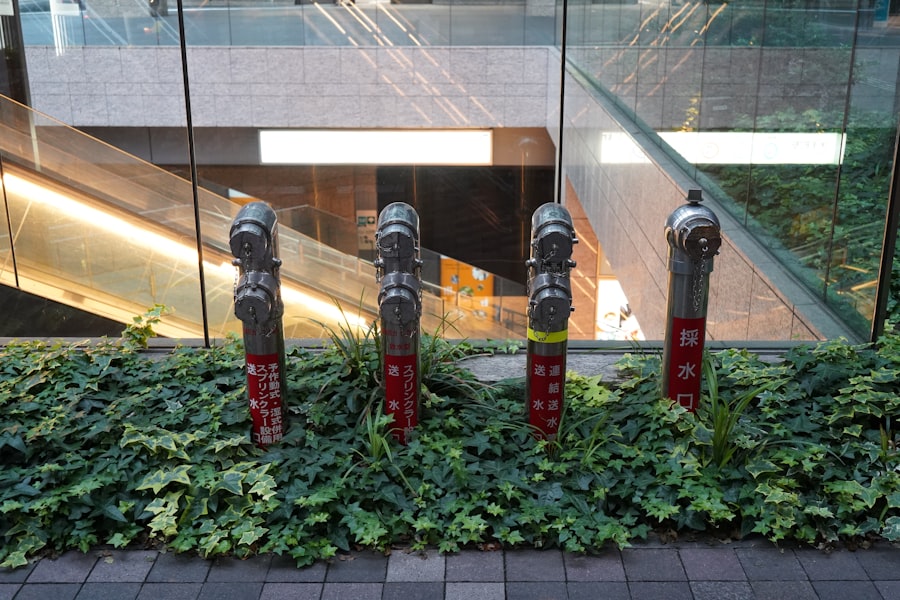
Funding infrastructure maintenance presents a complex set of challenges that governments at all levels must navigate. Budget constraints often limit the availability of resources for maintenance projects, forcing policymakers to make difficult decisions about where to allocate funds. Competing priorities such as education, healthcare, and public safety can further complicate funding efforts, leading to deferred maintenance that exacerbates existing problems.
Additionally, traditional funding mechanisms may not be sufficient to address the growing demands on infrastructure systems. Many governments rely on gas taxes or property taxes for funding; however, these sources may not keep pace with inflation or changing transportation patterns. As electric vehicles become more prevalent, gas tax revenues are likely to decline further, necessitating innovative funding solutions that can sustain infrastructure maintenance over the long term.
Innovative Solutions for Infrastructure Decay
In response to the challenges associated with funding infrastructure maintenance, innovative solutions are emerging that aim to address decay effectively. Public-private partnerships (PPPs) have gained traction as a viable model for financing infrastructure projects. By leveraging private investment alongside public resources, governments can access additional capital while sharing risks associated with maintenance and development.
Moreover, technology plays a crucial role in modernizing infrastructure maintenance practices. Advanced data analytics can help identify patterns in infrastructure performance, enabling more informed decision-making regarding repairs and upgrades. Drones and sensors can facilitate real-time monitoring of structural integrity, allowing for timely interventions before issues escalate into costly failures.
The Need for Long-Term Planning in Infrastructure Maintenance
Long-term planning is essential for effective infrastructure maintenance strategies that can withstand changing societal needs and environmental conditions. Governments must adopt comprehensive frameworks that prioritize sustainability and resilience in their infrastructure systems. This involves considering factors such as population growth, climate change impacts, and technological advancements when developing maintenance plans.
By taking a long-term perspective, policymakers can better anticipate future challenges and allocate resources accordingly. This proactive approach allows for the integration of innovative solutions that enhance efficiency while minimizing costs over time. Furthermore, long-term planning fosters collaboration among various stakeholders—government agencies, private sector partners, and community organizations—ensuring that diverse perspectives are considered in decision-making processes.
The Role of Technology in Infrastructure Maintenance
Technology has revolutionized the way infrastructure maintenance is approached in contemporary society. From predictive analytics to smart sensors, technological advancements enable more efficient monitoring and management of infrastructure systems. For instance, geographic information systems (GIS) allow for detailed mapping of infrastructure assets, facilitating better planning and resource allocation.
Moreover, automation plays a significant role in streamlining maintenance processes. Robotics can be employed for tasks such as inspecting bridges or performing routine repairs in hard-to-reach areas. These innovations not only enhance safety by reducing human exposure to hazardous conditions but also improve the speed and accuracy of maintenance efforts.
As technology continues to evolve, its integration into infrastructure maintenance practices will likely yield even greater efficiencies and cost savings.
The Importance of Public Awareness and Engagement in Infrastructure Maintenance
Public awareness and engagement are crucial components of successful infrastructure maintenance initiatives. When citizens understand the importance of maintaining public assets, they are more likely to support funding measures and advocate for necessary improvements within their communities. Engaging residents through outreach programs or community forums fosters a sense of ownership over local infrastructure systems.
Furthermore, transparency in decision-making processes enhances public trust in government agencies responsible for maintenance efforts. By providing clear information about funding allocations and project timelines, governments can build confidence among constituents regarding their commitment to maintaining safe and reliable infrastructure. Ultimately, an informed and engaged public serves as a powerful ally in advocating for necessary investments in infrastructure maintenance.
The Benefits of Investing in Infrastructure Maintenance
Investing in infrastructure maintenance yields numerous benefits that extend beyond immediate safety concerns or economic considerations. Well-maintained infrastructure enhances community pride and fosters a sense of belonging among residents. It contributes to improved quality of life by providing reliable access to essential services such as transportation, clean water, and waste management.
Moreover, proactive investment in maintenance can stimulate economic growth by attracting businesses seeking stable operating environments. As communities invest in their infrastructure systems, they create jobs not only within construction sectors but also across various industries reliant on efficient transportation networks or reliable utilities. In this way, investing in infrastructure maintenance becomes an investment in the future prosperity of communities—a commitment to building resilient societies capable of thriving amidst evolving challenges.
In conclusion, the importance of infrastructure maintenance cannot be overstated; it is essential for ensuring safety, promoting economic growth, addressing social inequalities, and protecting the environment. Governments must prioritize long-term planning while embracing innovative solutions that leverage technology and engage the public effectively. By recognizing the multifaceted benefits associated with investing in infrastructure maintenance, societies can work towards creating sustainable systems that serve current needs while preparing for future challenges.
Infrastructure decay and maintenance are critical issues that many urban areas face today, impacting both safety and quality of life. A related article that delves into these challenges can be found on the Real Lore and Order website, which discusses the implications of neglecting infrastructure and the importance of proactive maintenance. For more insights, you can read the article [here](https://www.realloreandorder.com/sample-page/).
FAQs
What is infrastructure decay?
Infrastructure decay refers to the gradual deterioration and weakening of physical structures such as roads, bridges, buildings, water systems, and utilities due to age, wear and tear, environmental factors, and lack of proper maintenance.
What causes infrastructure decay?
Common causes include natural aging, exposure to weather conditions, heavy usage, corrosion, material fatigue, insufficient maintenance, and sometimes natural disasters like floods or earthquakes.
Why is maintenance important for infrastructure?
Maintenance is crucial to extend the lifespan of infrastructure, ensure safety, prevent costly repairs or replacements, and maintain efficient operation of essential services.
What are the consequences of neglecting infrastructure maintenance?
Neglect can lead to structural failures, safety hazards, increased repair costs, service disruptions, reduced economic productivity, and in severe cases, catastrophic accidents.
How is infrastructure maintenance typically performed?
Maintenance includes regular inspections, repairs, cleaning, replacement of worn components, upgrades, and sometimes rehabilitation or retrofitting to meet current standards.
What are common challenges in maintaining infrastructure?
Challenges include limited funding, aging infrastructure, increasing demand, environmental impacts, coordination among agencies, and prioritizing maintenance activities.
How can governments address infrastructure decay?
Governments can allocate sufficient budgets, implement regular inspection programs, adopt modern technologies, encourage public-private partnerships, and develop long-term maintenance plans.
What role does technology play in infrastructure maintenance?
Technology aids in monitoring infrastructure health through sensors, drones, and data analytics, enabling predictive maintenance and more efficient resource allocation.
Can infrastructure decay be completely prevented?
While it cannot be entirely prevented due to natural aging and external factors, proper design, quality materials, and consistent maintenance can significantly slow down decay.
What are some examples of infrastructure affected by decay?
Examples include crumbling bridges, pothole-ridden roads, leaking water pipes, outdated electrical grids, and deteriorating public buildings.