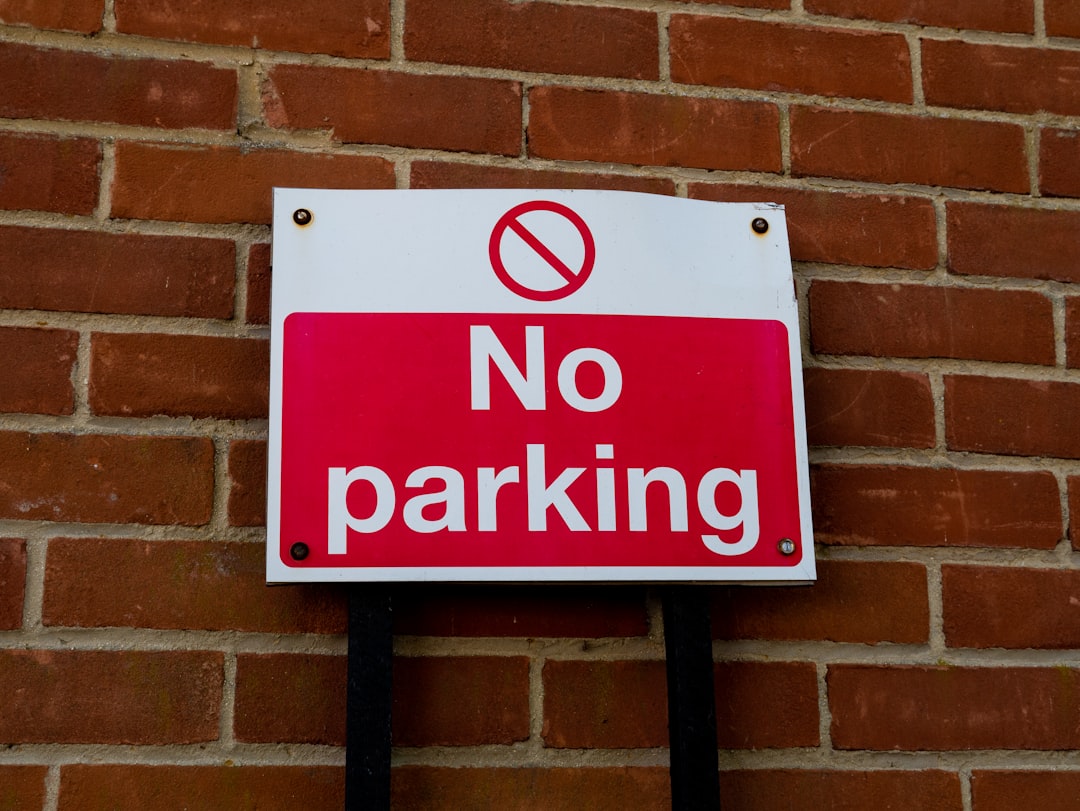
Parking minimums are regulations that mandate a specific number of parking spaces to be provided for new developments, particularly in urban areas. These requirements are often established by local governments to ensure that there is adequate parking available for residents, employees, and visitors. While the intention behind parking minimums may be to promote convenience and accessibility, they can have far-reaching implications for urban development and housing markets.
As you delve into this topic, you will discover how these regulations shape the landscape of cities and influence various aspects of life, from housing costs to environmental sustainability. Understanding parking minimums is crucial in today’s urban planning discussions. As cities grapple with increasing populations and limited space, the balance between providing sufficient parking and fostering vibrant, walkable communities becomes increasingly complex.
You may find it interesting to note that many cities have begun to reevaluate these regulations, recognizing that they can inadvertently stifle growth and contribute to a range of socio-economic issues. By examining the impact of parking minimums, you can gain insight into the broader implications for urban living and the future of city planning.
Key Takeaways
- Parking minimums increase housing construction costs, contributing to reduced affordability.
- Cities with strict parking minimums often face challenges in providing affordable and accessible housing.
- Alternative approaches, such as flexible parking requirements, can reduce environmental and economic impacts.
- Parking minimums have social equity implications, disproportionately affecting low-income and marginalized communities.
- Policy reforms and innovative solutions are essential to mitigate the negative effects of parking minimums on housing markets.
Impact of Parking Minimums on Housing Construction Costs
The imposition of parking minimums can significantly inflate housing construction costs. When developers are required to include a certain number of parking spaces in their projects, they must allocate additional resources for land acquisition, construction, and maintenance of these facilities. This often leads to higher overall project costs, which are then passed on to homebuyers or renters.
As you consider this dynamic, it becomes clear that parking minimums can create a barrier to affordable housing development, particularly in areas where land is already at a premium. Moreover, the financial burden imposed by parking requirements can deter developers from pursuing new projects altogether. In many cases, the cost of building parking spaces can exceed the potential return on investment, leading to fewer housing units being constructed.
This situation exacerbates existing housing shortages and contributes to rising prices in urban areas. As you reflect on these challenges, it is essential to recognize that the consequences of parking minimums extend beyond individual projects; they can shape entire neighborhoods and influence the availability of housing options for diverse populations.
Effect of Parking Minimums on Housing Affordability

The relationship between parking minimums and housing affordability is a critical issue that warrants careful examination. As you explore this connection, you will find that the additional costs associated with meeting parking requirements often lead to higher rents or home prices. For many individuals and families, this translates into a more significant financial burden, making it increasingly difficult to secure affordable housing in urban centers.
Furthermore, parking minimums can disproportionately affect low-income residents who may not own cars or rely on public transportation. By prioritizing car ownership through these regulations, cities may inadvertently marginalize those who cannot afford vehicles or choose not to drive. This creates a cycle where affordable housing becomes less accessible for those who need it most.
As you consider the implications of parking minimums on housing affordability, it becomes evident that a reevaluation of these policies is necessary to promote equitable access to housing for all residents.
Case Studies of Cities with Parking Minimums
| City | Year Implemented | Parking Minimum Policy | Impact on Housing Development | Effect on Traffic Congestion | Changes in Public Transit Usage |
|---|---|---|---|---|---|
| Minneapolis, MN | 2019 | Eliminated parking minimums for new developments | Increased housing density and reduced construction costs | Reduced congestion in central areas | Increased transit ridership by 8% |
| San Francisco, CA | 2018 | Reduced parking minimums near transit hubs | Boosted affordable housing projects | Moderate reduction in traffic congestion | Public transit usage increased by 5% |
| Portland, OR | 2017 | Lowered parking minimums in downtown zones | Encouraged mixed-use developments | Traffic congestion remained stable | Transit ridership steady |
| Los Angeles, CA | 2020 | Maintained high parking minimums in suburban areas | Limited housing density growth | Increased congestion in suburbs | Decline in transit usage by 3% |
| Seattle, WA | 2019 | Removed parking minimums for multifamily housing | Accelerated multifamily housing construction | Reduced congestion in urban core | Transit ridership increased by 7% |
Examining case studies of cities with established parking minimums can provide valuable insights into the real-world effects of these regulations. For instance, in Los Angeles, the city has long enforced strict parking requirements for new developments. While this was intended to alleviate congestion and ensure adequate parking availability, it has also contributed to a significant housing crisis.
The high costs associated with building parking spaces have led to fewer affordable units being constructed, exacerbating the city’s already dire housing situation. In contrast, cities like San Francisco have begun to relax their parking minimums in response to similar challenges. By reducing or eliminating these requirements in certain neighborhoods, San Francisco has seen an increase in housing development and a diversification of its housing stock.
This shift has allowed for more innovative solutions to emerge, such as mixed-use developments that prioritize walkability and public transit access over car-centric designs. As you analyze these case studies, you will gain a deeper understanding of how different approaches to parking minimums can shape urban environments and influence housing availability.
Alternative Approaches to Parking Requirements
As cities confront the challenges posed by traditional parking minimums, alternative approaches are gaining traction. One such strategy is the implementation of parking maximums, which cap the number of parking spaces that can be built for a development. This approach encourages developers to focus on creating more housing units while promoting alternative transportation options such as biking and public transit.
By limiting parking availability, cities can foster a culture that prioritizes sustainable transportation methods over car dependency. Another alternative is the adoption of flexible parking requirements that take into account the specific context of each development. For example, cities could allow developers to adjust their parking provisions based on factors such as location, access to public transit, and anticipated demand.
This tailored approach enables more efficient use of land and resources while still addressing the need for adequate parking in certain areas. As you explore these alternatives, consider how they might reshape urban landscapes and contribute to more sustainable and equitable communities.
Environmental Impact of Parking Minimums

The environmental implications of parking minimums are significant and multifaceted. When cities mandate the construction of large parking lots or garages, they often prioritize impervious surfaces that contribute to urban heat islands and increased stormwater runoff. This not only harms local ecosystems but also exacerbates climate change by increasing greenhouse gas emissions associated with car travel.
As you reflect on these environmental consequences, it becomes clear that parking minimums can hinder efforts to create greener, more sustainable urban environments. Additionally, by promoting car dependency through excessive parking requirements, cities may inadvertently discourage the use of public transportation and other eco-friendly alternatives. This reliance on automobiles contributes to traffic congestion and air pollution, further impacting public health and quality of life.
As you consider the environmental impact of parking minimums, it is essential to recognize the interconnectedness of urban planning decisions and their broader implications for sustainability and climate resilience.
Social Equity Considerations of Parking Minimums
Social equity is a crucial aspect of the discussion surrounding parking minimums. These regulations can disproportionately affect marginalized communities by prioritizing car ownership over other forms of transportation. For low-income individuals who may not own vehicles or cannot afford the associated costs of car ownership, strict parking requirements can limit their access to housing options in desirable neighborhoods.
As you examine this issue, it becomes evident that parking minimums can perpetuate existing inequalities within urban environments. Moreover, the focus on accommodating cars often comes at the expense of creating pedestrian-friendly spaces that foster community engagement and social interaction. By prioritizing parking over public spaces, cities may inadvertently marginalize those who rely on walking or public transit for their daily needs.
As you consider the social equity implications of parking minimums, think about how alternative approaches could promote inclusivity and accessibility for all residents.
Economic Consequences of Parking Minimums
The economic consequences of parking minimums extend beyond housing costs; they also impact local businesses and overall economic vitality. When developers are forced to allocate significant resources toward building parking facilities, they may have less capital available for other aspects of their projects, such as retail spaces or community amenities. This can lead to less vibrant neighborhoods with fewer opportunities for economic growth and job creation.
Additionally, excessive parking requirements can deter potential businesses from establishing themselves in certain areas due to high overhead costs associated with providing adequate parking. This can stifle entrepreneurship and limit job opportunities within communities. As you reflect on these economic consequences, consider how rethinking parking policies could foster a more dynamic local economy that benefits both residents and businesses alike.
Potential Solutions to Mitigate the Cost of Parking Minimums
To address the challenges posed by parking minimums, several potential solutions can be explored. One approach is incentivizing developers to create shared parking arrangements or utilize existing public parking facilities rather than building new ones. By promoting collaboration between developers and local governments, cities can reduce the financial burden associated with meeting strict parking requirements while still ensuring adequate access for residents and visitors.
Another solution involves investing in robust public transportation systems that provide viable alternatives to car travel. By enhancing transit options and making them more accessible, cities can reduce reliance on personal vehicles and alleviate some pressure on parking requirements. As you consider these potential solutions, think about how they could reshape urban landscapes and contribute to more sustainable communities.
Policy Recommendations for Addressing Parking Minimums
To effectively address the challenges posed by parking minimums, policymakers should consider implementing a range of strategies aimed at promoting flexibility and sustainability in urban planning. One recommendation is to conduct comprehensive assessments of existing parking requirements to determine their relevance in today’s context. By engaging with community stakeholders and analyzing data on transportation patterns, cities can develop more informed policies that reflect current needs.
Additionally, policymakers should explore opportunities for pilot programs that test alternative approaches to parking requirements in specific neighborhoods or developments. These initiatives could provide valuable insights into the effectiveness of different strategies while allowing cities to adapt their policies based on real-world outcomes. As you contemplate these policy recommendations, consider how they could pave the way for more equitable and sustainable urban environments.
Conclusion and Call to Action
In conclusion, the implications of parking minimums extend far beyond mere regulations; they shape our cities’ economic viability, environmental sustainability, social equity, and overall livability. As you reflect on the various aspects discussed throughout this article, it becomes clear that rethinking these policies is essential for fostering vibrant urban communities that meet the needs of all residents. You are encouraged to engage with local policymakers and advocate for changes that promote flexible and context-sensitive approaches to parking requirements.
By raising awareness about the challenges posed by traditional parking minimums and supporting innovative solutions, you can play a vital role in shaping the future of urban planning in your community. Together, we can work towards creating inclusive, sustainable cities that prioritize people over cars and enhance quality of life for all residents.
WATCH THIS! The American Dream Was a Lie: The Quiet Economic Collapse You Can’t See