
The roots of medical deception can be traced back to ancient civilizations, where the line between healing and trickery was often blurred. In many cultures, shamans and healers employed a variety of methods that included both genuine medicinal practices and deceptive rituals designed to instill hope or fear in their patients. These early practitioners understood the psychological aspects of healing, often using elaborate ceremonies and the power of suggestion to influence their patients’ perceptions of illness and recovery.
As societies evolved, so too did the methods of deception, leading to a complex interplay between genuine medical advancements and the exploitation of human vulnerability. Throughout history, the motivations behind medical deception have varied widely. In some cases, practitioners sought to enhance their reputations or financial gain, while in others, they may have believed they were acting in the best interest of their patients.
The Hippocratic Oath, which emphasizes the ethical practice of medicine, was often disregarded in favor of personal or societal gain. This duality has persisted into modern times, where the tension between ethical medical practice and the temptation to deceive remains a significant concern.
Key Takeaways
- Medical deception has a long history, with unethical experimentation and deceptive marketing playing significant roles.
- The dark history of placebo use in medical research and the controversial practice of medical cover-ups have had a profound impact on public health.
- Deception in clinical trials and research studies, as well as the use of false medical claims and miracle cures, have contributed to the legacy of medical deception in modern healthcare.
- Political and economic factors have influenced medical deception, highlighting the need for ethical considerations in the future of healthcare.
- Addressing the legacy of medical deception in modern healthcare is crucial for ensuring the ethical practice of medicine and the protection of public health.
Unethical Experimentation in the Name of Science
Unethical experimentation has a long and troubling history in the field of medicine, often justified under the guise of scientific advancement. From the infamous Tuskegee Syphilis Study to the experiments conducted by Nazi doctors during World War II, countless individuals have been subjected to harmful and exploitative research practices. These studies frequently involved vulnerable populations who were not fully informed about the risks involved or who were coerced into participation without proper consent.
The legacy of such unethical experimentation has left deep scars on public trust in medical research and has prompted calls for stricter ethical guidelines. The repercussions of these unethical practices extend beyond individual harm; they have shaped the very framework of modern medical ethics. The establishment of institutional review boards (IRBs) and the requirement for informed consent were direct responses to past abuses.
However, despite these safeguards, instances of unethical experimentation continue to surface, raising questions about the adequacy of current regulations. The challenge remains for the medical community to balance the pursuit of knowledge with the imperative to protect human rights and dignity.
The Role of Deceptive Marketing in Medicine

Deceptive marketing practices have infiltrated the medical field, often blurring the lines between legitimate healthcare promotion and misleading claims. Pharmaceutical companies, in particular, have been known to employ aggressive marketing strategies that exaggerate the benefits of their products while downplaying potential risks. This practice not only misleads healthcare providers but also patients who rely on accurate information to make informed decisions about their health.
The consequences can be dire, leading to overprescription, misuse of medications, and ultimately, harm to patients. Moreover, the rise of direct-to-consumer advertising has further complicated the landscape of medical marketing. Patients are bombarded with advertisements that promise miraculous results from various treatments, often without sufficient context regarding their efficacy or safety.
This trend has contributed to a culture where patients may demand specific medications or treatments based on misleading information rather than sound medical advice. As a result, healthcare providers face increasing pressure to conform to patient demands, sometimes at the expense of ethical practice.
The Dark History of Placebo Use in Medical Research
| Year | Event |
|---|---|
| 1784 | First recorded use of placebo in medical research by Dr. John Haygarth |
| 1940s | Placebo-controlled trials became more common in medical research |
| 1955 | World Medical Association issued a statement on the ethics of placebo use |
| 1962 | US FDA established guidelines for placebo use in clinical trials |
| 2001 | Declaration of Helsinki revised to address placebo use in research |
The use of placebos in medical research has a controversial history that raises ethical questions about patient consent and the integrity of clinical trials. While placebos can serve as valuable tools for understanding treatment efficacy, their use has often involved deception. In many studies, participants were not informed that they might receive a placebo instead of an active treatment, leading to ethical dilemmas regarding informed consent.
This practice has sparked debates about whether it is ever justifiable to deceive patients for the sake of scientific inquiry.
Instances where placebos were used without adequate disclosure have led to mistrust among patients and skepticism about the motives behind clinical trials.
As researchers strive to uphold ethical standards, they must navigate the delicate balance between obtaining valid results and respecting patient autonomy. The challenge lies in finding ways to conduct rigorous research without compromising ethical principles.
The Controversial Practice of Medical Cover-ups
Medical cover-ups represent one of the most troubling aspects of deception within healthcare systems. These cover-ups can take many forms, from concealing adverse effects of medications to hiding data that contradicts favorable outcomes in clinical trials. Such actions not only undermine public trust but also pose significant risks to patient safety.
When healthcare institutions prioritize reputation over transparency, they jeopardize the very foundation of ethical medical practice. The consequences of medical cover-ups can be far-reaching. Patients may continue to receive treatments that are ineffective or harmful due to withheld information, leading to preventable health crises.
Furthermore, when cover-ups are eventually exposed, they can result in legal repercussions for institutions and individuals involved, as well as a loss of credibility that can take years to rebuild. Addressing this issue requires a cultural shift within healthcare organizations that prioritizes honesty and accountability over self-preservation.
Deception in Clinical Trials and Research Studies
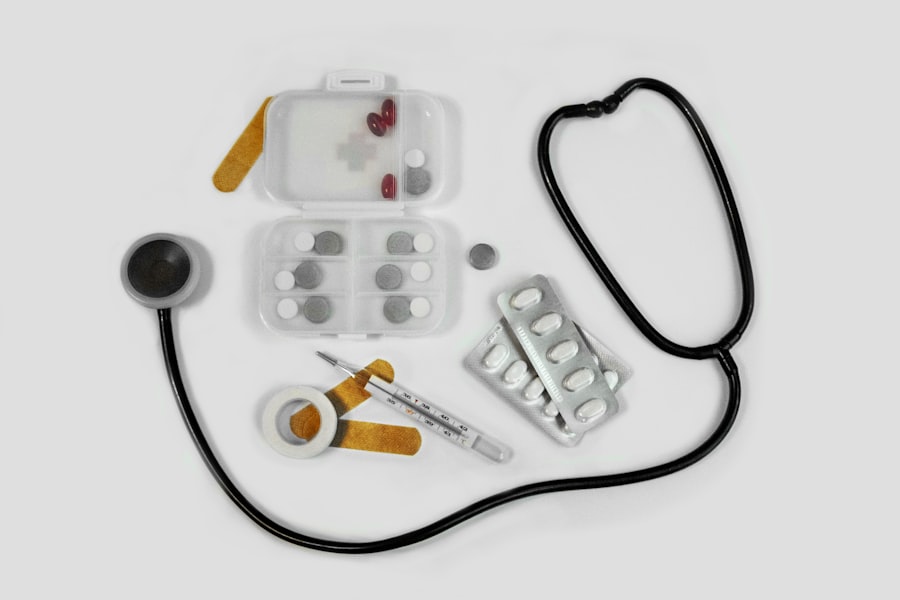
Deception in clinical trials is a pervasive issue that raises significant ethical concerns regarding participant welfare and data integrity. While blinding participants to certain aspects of a study can help eliminate bias, it can also lead to situations where individuals are misled about their treatment options or potential risks. This practice challenges the principle of informed consent, which is foundational to ethical research conduct.
When participants are not fully aware of what they are agreeing to, their autonomy is compromised. Moreover, instances of data manipulation or selective reporting in clinical trials further exacerbate concerns about deception in research. Researchers may be tempted to present only favorable outcomes while ignoring negative results, creating a distorted view of a treatment’s effectiveness.
This not only misleads other researchers but also impacts clinical practice and patient care. To combat these issues, there is an urgent need for greater transparency in research methodologies and outcomes, ensuring that all data is reported accurately and comprehensively.
The Use of False Medical Claims and Miracle Cures
The proliferation of false medical claims and miracle cures poses a significant threat to public health and safety. In an age where information is readily accessible, individuals are often inundated with advertisements for unproven treatments that promise miraculous results with little scientific backing. These claims exploit vulnerable populations seeking relief from chronic conditions or terminal illnesses, leading them away from evidence-based medicine toward potentially harmful alternatives.
The consequences of pursuing miracle cures can be devastating. Patients may forgo effective treatments in favor of unproven remedies, resulting in worsened health outcomes or even death. Additionally, the spread of misinformation undermines public trust in legitimate healthcare providers and scientific research.
To combat this issue, regulatory bodies must enforce stricter guidelines on advertising and promote public awareness campaigns that educate individuals about the dangers associated with false medical claims.
The Influence of Political and Economic Factors on Medical Deception
Political and economic factors play a significant role in shaping the landscape of medical deception. Pharmaceutical companies wield considerable influence over healthcare policies through lobbying efforts and financial contributions to political campaigns. This power dynamic can lead to regulatory environments that favor corporate interests over patient welfare, resulting in practices that prioritize profit over ethical considerations.
As a consequence, deceptive marketing tactics may proliferate unchecked, further complicating efforts to ensure patient safety. Moreover, economic pressures within healthcare systems can incentivize deceptive practices among providers seeking financial gain or job security. In environments where reimbursement rates are tied to specific treatments or procedures, healthcare professionals may feel compelled to recommend unnecessary interventions or downplay risks associated with certain therapies.
This creates a cycle where financial motivations overshadow ethical obligations, ultimately compromising patient care.
The Impact of Medical Deception on Public Health
The ramifications of medical deception extend far beyond individual cases; they have profound implications for public health as a whole. When patients are misled about treatment options or outcomes, it can lead to widespread mistrust in healthcare systems and professionals. This erosion of trust can deter individuals from seeking necessary medical care or participating in preventive measures such as vaccinations or screenings, ultimately jeopardizing community health.
Furthermore, medical deception can exacerbate health disparities among marginalized populations who may already face barriers to accessing quality care. Vulnerable groups are often targeted by deceptive marketing practices that exploit their circumstances, leading them to pursue ineffective treatments instead of evidence-based options. Addressing these disparities requires a concerted effort from healthcare providers, policymakers, and community organizations to promote transparency and equitable access to accurate information.
Ethical Considerations and the Future of Medical Deception
As society grapples with the complexities surrounding medical deception, ethical considerations must remain at the forefront of discussions about healthcare practices. The principles of autonomy, beneficence, non-maleficence, and justice should guide decision-making processes within medical research and practice. Upholding these ethical standards requires ongoing education for healthcare professionals about the importance of transparency and honesty in patient interactions.
Looking ahead, there is an urgent need for reform within healthcare systems to address the root causes of medical deception. This includes advocating for stronger regulations on pharmaceutical marketing practices, enhancing oversight in clinical trials, and fostering a culture that prioritizes patient welfare over profit motives. By embracing these changes, the medical community can work toward rebuilding trust with patients and ensuring that ethical considerations remain central to all aspects of healthcare delivery.
Addressing the Legacy of Medical Deception in Modern Healthcare
Confronting the legacy of medical deception requires a multifaceted approach that involves education, policy reform, and community engagement. Healthcare professionals must be equipped with the knowledge and skills necessary to navigate ethical dilemmas while prioritizing patient welfare above all else. This includes fostering open communication with patients about treatment options and potential risks while encouraging shared decision-making.
Additionally, policymakers must take proactive steps to implement regulations that hold healthcare providers accountable for deceptive practices while promoting transparency within clinical research. Public awareness campaigns can also play a crucial role in educating individuals about their rights as patients and empowering them to seek accurate information regarding their health care options. Ultimately, addressing the legacy of medical deception is essential for building a more equitable and trustworthy healthcare system that prioritizes patient safety and well-being above all else.
By acknowledging past mistakes and committing to ethical practices moving forward, society can work toward a future where deception has no place in medicine.
In exploring the fascinating world of historical lies about medicine, one cannot overlook the intriguing narratives that have shaped public perception over the centuries. A related article that delves into these captivating stories can be found on Real Lore and Order. This piece provides a comprehensive look at how certain medical myths have persisted through time, influencing both practitioners and patients alike. For a deeper understanding of these historical misconceptions, you can read more in the article available at Real Lore and Order.
WATCH THIS! 50 Historical Lies You Believe Because of Movies
FAQs
What are some common historical lies about medicine?
Some common historical lies about medicine include the idea that bloodletting was an effective treatment, that the Earth was flat and that diseases were caused by “bad air” or “miasma.”
Why were these historical lies about medicine perpetuated?
These historical lies about medicine were perpetuated due to a lack of scientific understanding and the influence of cultural and religious beliefs. Additionally, the limited availability of accurate information and the authority of certain individuals or institutions also played a role in perpetuating these lies.
How have these historical lies about medicine been debunked?
Advancements in scientific research and medical knowledge have debunked many of these historical lies about medicine. For example, the discovery of germs and the development of the scientific method have helped to disprove the idea of “bad air” causing diseases.
What impact have these historical lies about medicine had on society?
These historical lies about medicine have had a significant impact on society, leading to ineffective and harmful medical practices, as well as contributing to the spread of misinformation and superstition. Additionally, these lies have hindered the progress of medical science and delayed the development of effective treatments.