
As you delve into the complexities surrounding the decline of childbirth in Japan, you may find yourself confronted with a multifaceted issue that intertwines economic, social, and cultural threads. The birth rate in Japan has been steadily decreasing, leading to a demographic crisis that poses significant challenges for the nation. This decline is not merely a statistical anomaly; it reflects deeper societal shifts and changing values among the younger generations.
Understanding the reasons behind this trend is crucial for grasping the future of Japan’s population and its implications for society as a whole. You might be surprised to learn that Japan’s total fertility rate has fallen to one of the lowest in the world, hovering around 1.34 children per woman. This figure starkly contrasts with the replacement level of 2.1, which is necessary to maintain a stable population.
As you explore this topic, you will uncover various factors contributing to this decline, from economic pressures to evolving gender roles.
Key Takeaways
- Japan faces a significant decline in childbirth due to economic, social, and cultural challenges.
- Work-life balance issues and traditional gender roles heavily impact young Japanese couples’ decisions on having children.
- Government policies aim to support childbirth but often fall short in addressing underlying societal pressures.
- Education and career ambitions among youth contribute to delayed or reduced childbirth rates.
- Modern lifestyles, technology, and housing constraints further influence family planning choices in Japan.
Economic Factors Influencing Young Japanese
When considering the economic landscape in Japan, you may notice that financial stability plays a pivotal role in family planning decisions. Many young Japanese individuals face precarious employment situations characterized by contract work and limited job security. This uncertainty can lead to hesitance in starting families, as the financial burden of raising children can feel overwhelming.
You might find that the high cost of living, particularly in urban areas like Tokyo, exacerbates these concerns, making it difficult for young couples to envision a future with children. Moreover, the rising costs associated with education and childcare can deter young people from having children. As you reflect on these economic factors, consider how student debt and housing expenses weigh heavily on the minds of those contemplating parenthood.
The prospect of providing for a child in an increasingly competitive and expensive environment can lead many to postpone or forgo having children altogether. This economic reality creates a cycle where declining birth rates further strain the economy, leading to fewer resources available for future generations.
Social and Cultural Pressures on Young Japanese
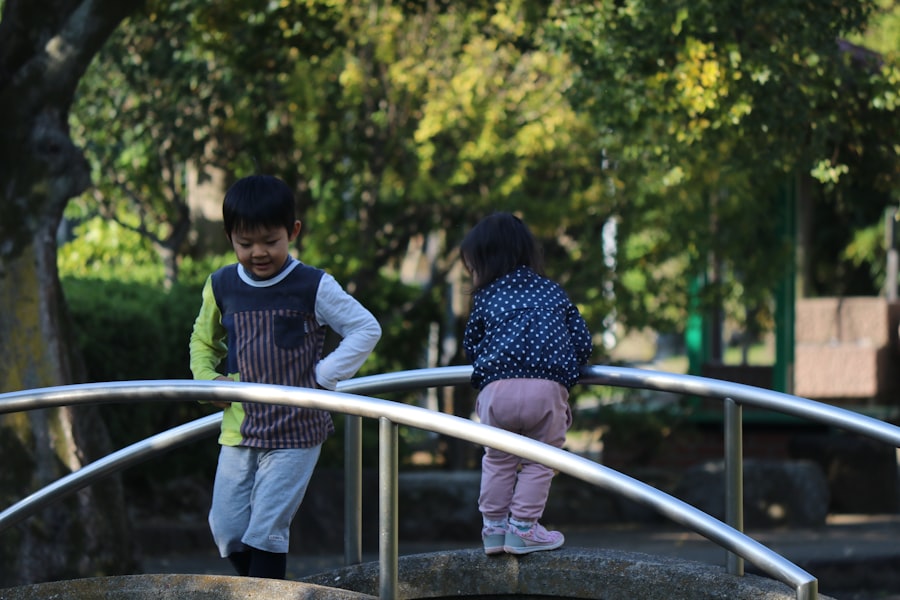
As you explore the social and cultural landscape in Japan, you may find that traditional expectations regarding marriage and family life are evolving. In previous generations, societal norms strongly emphasized marriage and childbearing as essential milestones. However, contemporary young Japanese individuals often feel pressure to prioritize personal fulfillment and career advancement over starting a family.
This shift in values reflects broader global trends but is particularly pronounced in Japan, where individualism is becoming more accepted. You might also consider how social stigma surrounding single parenthood and non-traditional family structures influences young people’s decisions about childbirth. The fear of judgment or ostracism can deter individuals from pursuing parenthood outside conventional frameworks.
As you analyze these cultural pressures, it becomes evident that societal expectations can create significant barriers for those who wish to start families but feel constrained by prevailing norms.
Work-Life Balance and its Impact on Childbirth
| Metric | Description | Impact on Childbirth | Data/Statistics |
|---|---|---|---|
| Parental Leave Duration | Length of paid or unpaid leave after childbirth | Longer leave linked to better maternal recovery and infant health | Average 12 weeks in US; up to 52 weeks in Nordic countries |
| Work Hours per Week | Number of hours worked weekly during pregnancy | Excessive hours (>40) associated with higher risk of preterm birth | Women working >40 hrs/week have 1.3x risk of preterm birth |
| Flexible Work Arrangements | Availability of options like remote work or flexible schedules | Improves maternal stress levels and pregnancy outcomes | 60% of pregnant employees report better well-being with flexibility |
| Workplace Stress Levels | Reported stress related to job demands and environment | High stress linked to low birth weight and complications | High stress increases risk of low birth weight by 25% |
| Childcare Support Availability | Access to childcare services or support at/near workplace | Reduces maternal anxiety and supports breastfeeding continuation | 70% of mothers with childcare support continue breastfeeding 6 months |
In your examination of work-life balance in Japan, you may discover that long working hours and a demanding corporate culture significantly impact family planning decisions.
This relentless pursuit of career success can lead to a postponement of marriage and childbirth, as individuals prioritize their professional aspirations over starting a family.
You might also reflect on how workplace policies regarding parental leave and flexible working arrangements play a role in shaping attitudes toward childbirth. While some companies are beginning to adopt more family-friendly policies, many still adhere to traditional practices that do not support work-life balance. As you consider these dynamics, it becomes clear that creating an environment conducive to family life is essential for reversing the trend of declining childbirth rates.
Government Policies and Support for Childbirth
As you investigate the role of government policies in addressing declining birth rates, you may find that Japan has implemented various initiatives aimed at encouraging childbirth. These policies include financial incentives for families, such as child allowances and subsidies for childcare services. However, despite these efforts, many young people remain skeptical about their effectiveness in alleviating the challenges they face.
You might also consider how bureaucratic hurdles and limited access to resources can hinder the impact of these policies. For instance, while financial support is available, navigating the application process can be daunting for young families. As you analyze these government initiatives, it becomes evident that a more comprehensive approach is needed—one that not only provides financial assistance but also addresses the underlying social and cultural factors influencing childbirth decisions.
Education and Career Aspirations of Young Japanese

In your exploration of education and career aspirations among young Japanese individuals, you may find that higher educational attainment often correlates with delayed childbirth. Many young people prioritize their studies and career development, viewing these pursuits as essential for achieving financial stability before starting a family. This focus on education can lead to postponing marriage and childbearing until later in life.
You might also reflect on how societal expectations regarding success influence these aspirations. In Japan, there is often immense pressure to excel academically and professionally, which can overshadow personal desires for family life. As you consider these dynamics, it becomes clear that while education is vital for personal growth and economic stability, it can also contribute to the trend of declining birth rates as individuals prioritize their careers over starting families.
Impact of Gender Roles and Expectations on Childbirth
As you delve into gender roles in Japan, you may discover that traditional expectations continue to shape perceptions of parenthood and family life. Women often face societal pressure to balance career ambitions with expectations of being primary caregivers. This dual burden can create significant stress for women contemplating motherhood, leading many to delay or reconsider their plans for having children.
You might also consider how evolving gender roles are challenging these traditional norms. Younger generations are increasingly advocating for shared responsibilities within households, but entrenched societal expectations can make this transition difficult. As you analyze these dynamics, it becomes evident that addressing gender inequality is crucial for fostering an environment where both men and women feel empowered to pursue parenthood without sacrificing their professional aspirations.
Health and Fertility Concerns among Young Japanese
In your exploration of health and fertility concerns among young Japanese individuals, you may find that awareness of reproductive health issues plays a significant role in family planning decisions. Many young people are increasingly informed about fertility challenges and potential health risks associated with delayed childbirth. This awareness can lead to anxiety about their ability to conceive later in life, prompting some to reconsider their timelines for starting families.
You might also reflect on how access to healthcare services impacts these concerns. While Japan has a robust healthcare system, disparities in access to reproductive health services can create barriers for those seeking information or assistance related to fertility. As you analyze these factors, it becomes clear that addressing health concerns is essential for empowering young individuals to make informed decisions about childbirth.
Housing and Living Arrangements for Young Japanese
As you examine housing and living arrangements among young Japanese individuals, you may find that the high cost of housing significantly influences family planning decisions. Many young people struggle to afford suitable living spaces that can accommodate growing families, particularly in urban areas where space is at a premium. This challenge can lead to feelings of uncertainty about whether they can provide a stable environment for children.
You might also consider how living arrangements impact social dynamics among young couples. The trend toward cohabitation without marriage has become more common, but societal expectations still place value on traditional family structures. As you analyze these housing dynamics, it becomes evident that creating affordable housing options is crucial for encouraging young people to consider starting families.
Influence of Technology and Modern Lifestyles on Childbirth
In your exploration of technology’s influence on modern lifestyles, you may find that advancements in communication and social media have transformed how young people connect and form relationships. While technology offers new avenues for meeting potential partners, it can also contribute to a sense of isolation or detachment from traditional family structures. You might reflect on how this shift impacts attitudes toward marriage and parenthood.
Moreover, as you consider modern lifestyles characterized by fast-paced living and constant connectivity, it becomes clear that these factors can create barriers to forming lasting relationships necessary for starting families. The allure of personal freedom and individual pursuits may overshadow the desire for parenthood among some young people. As you analyze these trends, it becomes evident that understanding the interplay between technology and family planning is essential for addressing declining birth rates.
Conclusion and Future Outlook for Childbirth in Japan
As you conclude your exploration of the decline of childbirth in Japan, it becomes apparent that this issue is deeply rooted in a complex web of economic, social, cultural, and personal factors. While government initiatives aim to address declining birth rates, meaningful change will require a holistic approach that considers the diverse challenges faced by young Japanese individuals today. Looking ahead, you may ponder what steps can be taken to create an environment conducive to family life.
Encouraging work-life balance, promoting gender equality, improving access to healthcare services, and addressing housing affordability are all critical components of fostering a culture where young people feel empowered to embrace parenthood. As you reflect on these possibilities, it becomes clear that the future outlook for childbirth in Japan hinges on collective efforts to reshape societal norms and support individuals in their journey toward family life.
The declining birth rate in Japan has become a pressing issue, with many young Japanese choosing not to have children due to various social and economic factors. A related article that delves into this topic can be found at Real Lore and Order, where it explores the challenges faced by young couples, including financial instability and changing societal norms. This comprehensive analysis sheds light on the reasons behind this demographic trend and its potential implications for the future of Japan.
WATCH THIS! The Silent Collapse: Why Japan’s Economy Was a Lie
FAQs
Why are birth rates declining in Japan?
Japan’s birth rates have been declining due to a combination of factors including economic uncertainty, high cost of living, demanding work culture, and changing social values. Many young people prioritize career and personal freedom over starting a family.
What economic factors influence young Japanese people’s decision not to have children?
Economic factors such as job insecurity, stagnant wages, high housing costs, and the expensive cost of raising children contribute to young Japanese people delaying or deciding against having children.
How does work culture in Japan affect family planning?
Japan’s demanding work culture, characterized by long hours and limited work-life balance, makes it difficult for young people to find time for family life, discouraging them from having children.
Are social attitudes towards marriage and parenting changing in Japan?
Yes, social attitudes are shifting. Many young Japanese prioritize personal freedom, education, and career over traditional expectations of marriage and parenthood, leading to fewer marriages and births.
What role does government policy play in addressing Japan’s low birth rate?
The Japanese government has implemented policies such as childcare support, parental leave, and financial incentives to encourage childbirth, but these measures have had limited success in reversing the declining birth rate.
How does gender inequality impact decisions about having children in Japan?
Gender inequality, including unequal distribution of household and childcare responsibilities, discourages women from having children as they often face career setbacks and increased domestic burdens after becoming mothers.
Is the trend of not having children unique to Japan?
While Japan’s low birth rate is particularly pronounced, many developed countries face similar trends due to urbanization, economic pressures, and changing social norms regarding family and parenthood.