
Economic mobility is a crucial aspect of a society’s health and vitality, reflecting the ability of individuals and families to improve their economic status over time. It encompasses the movement of people within the economic ladder, allowing them to rise from lower-income brackets to higher ones, or conversely, to fall from affluence into poverty. Understanding economic mobility is essential for grasping the broader dynamics of wealth distribution, social justice, and opportunity in any given society.
As you navigate through life, the concept of economic mobility may resonate with your own experiences or aspirations, highlighting the importance of access to resources and opportunities. In recent years, discussions surrounding economic mobility have gained significant traction, particularly as many individuals find themselves grappling with stagnant wages and rising living costs. The American Dream, once synonymous with upward mobility and prosperity, seems increasingly elusive for many.
As you reflect on your own journey or that of those around you, it becomes evident that economic mobility is not merely a personal endeavor but a collective challenge that requires attention and action from policymakers, educators, and community leaders alike.
Key Takeaways
- Economic mobility has declined over time due to various social and economic factors.
- Education plays a critical role in enhancing opportunities for upward mobility.
- Race, ethnicity, and income inequality significantly influence economic mobility outcomes.
- Regional disparities and social capital affect individuals’ ability to improve their economic status.
- Policy interventions are essential to address barriers and promote greater economic mobility across generations.
Historical Trends in Economic Mobility
Historically, economic mobility has fluctuated in response to various social, political, and economic factors. In the post-World War II era, the United States experienced a period of unprecedented growth and prosperity, characterized by rising wages and expanding middle-class opportunities. During this time, many families found themselves able to improve their economic standing through hard work and education.
As you consider this period, it may evoke a sense of nostalgia for a time when upward mobility felt more attainable for the average citizen. However, as the decades progressed, the landscape of economic mobility began to shift dramatically. The late 20th century saw the emergence of globalization, technological advancements, and changes in labor markets that contributed to widening income disparities.
You might notice that these shifts have created a more complex environment where traditional pathways to success are no longer as straightforward. The decline in manufacturing jobs, coupled with the rise of service-oriented industries, has altered the dynamics of employment and income distribution, leading to a growing concern about the sustainability of economic mobility for future generations.
Factors Contributing to the Decline in Economic Mobility
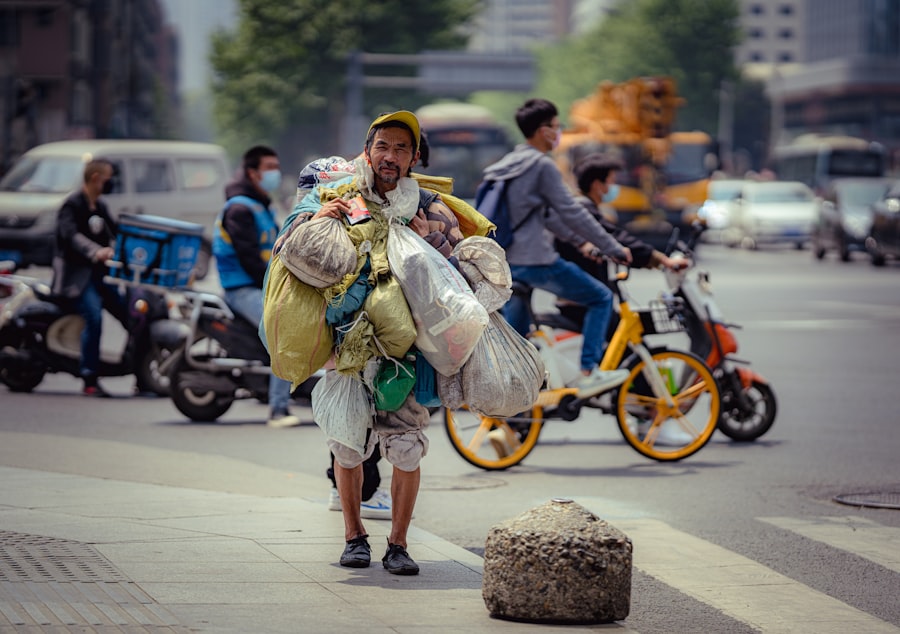
Several interrelated factors have contributed to the decline in economic mobility over recent decades. One significant element is the increasing cost of education and the burden of student debt that many young adults face today. As you contemplate your own educational journey or that of friends and family, it becomes clear that access to quality education is often tied to socioeconomic status.
Those from lower-income backgrounds may struggle to afford higher education, limiting their opportunities for upward mobility. Additionally, the changing nature of work plays a pivotal role in shaping economic mobility. The gig economy and the rise of precarious employment have created an environment where job security is diminished, and benefits are often lacking.
You may find yourself or others in situations where job stability is uncertain, making it challenging to plan for the future or invest in personal development. This precariousness can stifle aspirations and hinder individuals from taking risks that could lead to greater economic advancement.
Impact of Education on Economic Mobility
| Education Level | Average Income Increase (%) | Employment Rate (%) | Likelihood of Upward Mobility (%) | Unemployment Rate (%) |
|---|---|---|---|---|
| No High School Diploma | 0 | 55 | 10 | 15 |
| High School Diploma | 20 | 70 | 25 | 10 |
| Some College/Associate Degree | 40 | 75 | 40 | 8 |
| Bachelor’s Degree | 80 | 85 | 60 | 5 |
| Graduate Degree | 120 | 90 | 75 | 3 |
Education serves as a cornerstone for economic mobility, acting as both a pathway to better job opportunities and a means of acquiring essential skills. As you reflect on your own educational experiences, you may recognize how they have shaped your career trajectory and financial prospects. Higher levels of education are consistently associated with higher earning potential, yet access to quality education remains unevenly distributed across different demographics.
The disparities in educational attainment can perpetuate cycles of poverty and limit opportunities for upward mobility. For instance, children from low-income families often attend underfunded schools with fewer resources and less experienced teachers. This lack of access can hinder their academic performance and future prospects.
You might consider how important it is for communities to advocate for equitable funding and resources in education to ensure that every child has a fair chance at success.
Role of Race and Ethnicity in Economic Mobility
Race and ethnicity significantly influence economic mobility, with systemic inequalities creating barriers for marginalized groups. As you examine the landscape of economic opportunity, it becomes evident that historical injustices have lasting effects on wealth accumulation and access to resources. For instance, communities of color often face discrimination in hiring practices, lending policies, and educational opportunities, which can stifle their ability to achieve upward mobility.
Moreover, the wealth gap between racial and ethnic groups continues to widen, exacerbating disparities in economic outcomes. You may find it disheartening to learn that Black and Hispanic families typically possess significantly less wealth than their white counterparts. This disparity not only affects individual families but also has broader implications for community development and social cohesion.
Addressing these inequities requires a concerted effort to dismantle systemic barriers and promote policies that foster inclusivity and equal opportunity.
Effects of Income Inequality on Economic Mobility
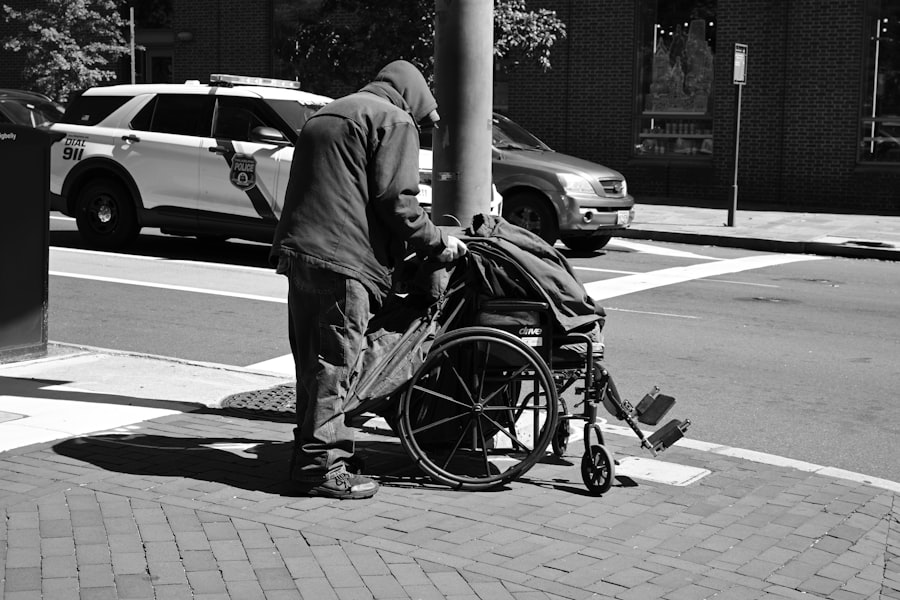
Income inequality poses a formidable challenge to economic mobility, creating an environment where the rich get richer while the poor struggle to make ends meet. As you consider your own financial situation or that of those around you, it may become apparent how income disparities can limit access to essential resources such as healthcare, education, and housing. When wealth is concentrated in the hands of a few, it diminishes opportunities for others to improve their circumstances.
The correlation between income inequality and reduced economic mobility is well-documented. Research indicates that societies with higher levels of income inequality tend to experience lower rates of upward mobility. You might reflect on how this dynamic plays out in your community—whether through visible signs of poverty or through conversations about financial struggles among friends and family.
Addressing income inequality is not just a matter of fairness; it is essential for fostering an environment where everyone has the chance to thrive.
Policy Implications for Addressing the Decline in Economic Mobility
To combat the decline in economic mobility, policymakers must implement targeted strategies that address the root causes of inequality and create pathways for opportunity. As you engage with discussions about policy solutions, consider how initiatives such as affordable housing programs, increased access to quality education, and support for small businesses can make a tangible difference in people’s lives. Moreover, investing in social safety nets can provide crucial support for those facing economic hardships.
Programs such as universal basic income or expanded unemployment benefits can help individuals weather financial storms while they seek new opportunities. You may find it encouraging to see communities advocating for policies that prioritize economic mobility as a fundamental right rather than a privilege reserved for a select few.
Regional Disparities in Economic Mobility
Economic mobility is not uniform across regions; instead, it varies significantly based on geographic location. As you think about your own region or state, you may notice stark differences in economic opportunities available to residents. Urban areas often present more job prospects and resources compared to rural regions, where access to education and employment can be limited.
These regional disparities can create a sense of stagnation for individuals living in areas with fewer opportunities for advancement. You might consider how local economies are shaped by factors such as industry presence, infrastructure investment, and community support systems. Addressing these disparities requires tailored approaches that take into account the unique challenges faced by different regions while fostering collaboration between local governments, businesses, and community organizations.
Intergenerational Mobility and its Decline
Intergenerational mobility refers to the ability of individuals to improve their economic status relative to their parents’ generation. Unfortunately, recent trends indicate a decline in intergenerational mobility in many parts of the world. As you reflect on your family’s history or that of your peers, you may recognize how deeply entrenched socioeconomic status can influence future generations’ prospects.
The decline in intergenerational mobility raises important questions about fairness and opportunity within society. If children are unable to surpass their parents’ economic standing due to systemic barriers or lack of access to resources, it perpetuates cycles of poverty and inequality. You might feel compelled to advocate for policies that promote equal opportunity for all children—regardless of their background—ensuring that every individual has the chance to achieve their full potential.
The Role of Social Capital in Economic Mobility
Social capital—the networks of relationships among people—plays a vital role in facilitating economic mobility. As you consider your own connections and relationships, you may recognize how they have influenced your career opportunities or access to information. Individuals with strong social networks often benefit from mentorships, job referrals, and support systems that can propel them forward economically.
Conversely, those lacking social capital may find themselves at a disadvantage when seeking employment or navigating educational pathways. You might reflect on how fostering community connections can help bridge these gaps by providing individuals with access to resources they might not otherwise encounter. Encouraging mentorship programs and community engagement initiatives can empower individuals from all backgrounds to build their social capital and enhance their prospects for upward mobility.
Conclusion and Call to Action for Improving Economic Mobility
In conclusion, addressing the decline in economic mobility requires a multifaceted approach that considers historical trends, systemic barriers, and individual aspirations. As you contemplate your role within this larger narrative, consider how you can contribute to fostering an environment where everyone has the opportunity to thrive economically. Whether through advocacy for equitable policies or support for local initiatives aimed at improving access to education and resources, your actions can make a difference.
The journey toward improving economic mobility is not solely an individual endeavor; it is a collective responsibility that calls upon each member of society to engage actively in creating change. By raising awareness about these issues and advocating for policies that promote equity and opportunity for all, you can help pave the way for a brighter future where economic mobility is not just an aspiration but a reality for everyone.
WATCH THIS! The American Dream Was a Lie: The Quiet Economic Collapse You Can’t See