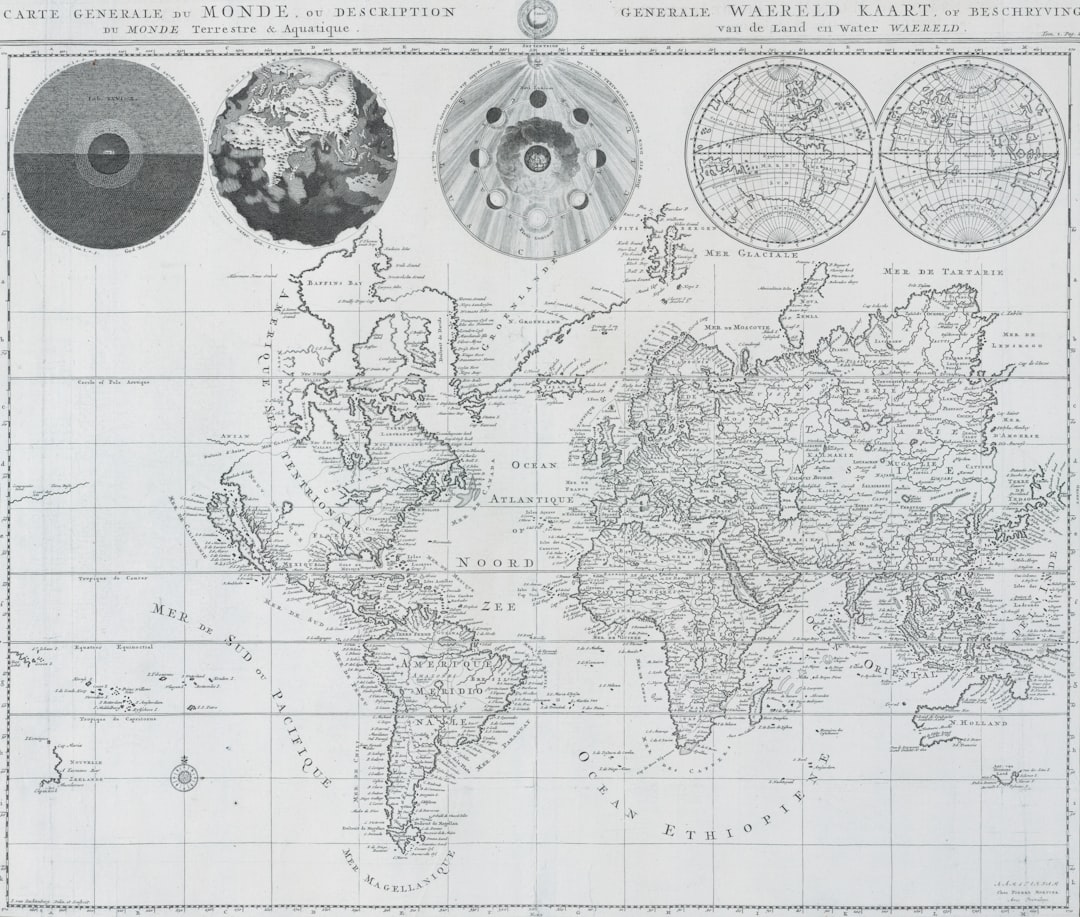
The decline of empires represents a consistent pattern throughout history, characterized by the progressive weakening of power and influence. This process extends beyond simple military defeats or territorial losses, involving complex interactions between economic, political, and social elements. During expansion phases, empires typically develop extensive trade networks that become fundamental to their economic systems.
These same commercial routes that initially generate wealth and prosperity can subsequently become points of weakness and instability. The relationship between imperial decline and the loss of trade route control demonstrates a cause-and-effect pattern that has contributed to the collapse of numerous historical powers. When empires can no longer maintain authority over key commercial pathways, they experience economic disruption that often accelerates their overall deterioration.
Trade routes function as multidimensional systems that extend beyond simple commercial exchange. They serve as conduits for cultural transmission, facilitate diplomatic relationships, and provide economic foundation for imperial structures. The loss of control over these networks results in multiple consequences: reduced economic resources, weakened cultural connections between territories, and diminished political authority.
Key Takeaways
- Control over trade routes was crucial for the power and wealth of empires throughout history.
- Decline in control often resulted from political instability, competition, and technological changes.
- Emerging empires and new trade routes challenged established powers, leading to shifts in dominance.
- Losing control of trade routes had significant economic consequences, weakening empires’ influence.
- Historical lessons highlight strategies for maintaining trade route control, relevant in today’s globalized world.
The Importance of Trade Routes in Empires
Trade routes have historically served as the backbone of empires, facilitating the exchange of goods, ideas, and cultures across vast distances. From the Silk Road connecting East and West to the maritime routes that linked Europe with Asia and Africa, these pathways have been instrumental in shaping the economic landscapes of civilizations. The wealth generated through trade allowed empires to fund military campaigns, build infrastructure, and support the arts and sciences.
Thus, control over trade routes was synonymous with power and influence. Moreover, trade routes fostered not only economic prosperity but also cultural exchange. They enabled the spread of religions, philosophies, and technologies, enriching the societies that engaged with them.
Empires that successfully managed their trade routes often experienced a flourishing of culture and innovation, as diverse influences converged along these pathways. The importance of trade routes extends beyond mere economics; they are vital to the identity and cohesion of empires, serving as conduits for shared experiences and collective aspirations.
Factors Contributing to the Decline of Control over Trade Routes
Several factors can contribute to an empire’s decline in control over its trade routes. One significant factor is internal strife, which can manifest in political instability, civil wars, or social unrest. When an empire is embroiled in conflict, its ability to protect and manage trade routes diminishes.
This internal discord can create opportunities for rival powers or local factions to assert control over key trading areas, further eroding the empire’s influence. Additionally, external pressures from competing empires or emerging powers can lead to a decline in control over trade routes. As new players enter the geopolitical arena, they may challenge established empires for dominance over lucrative trade networks.
This competition can result in military confrontations or diplomatic tensions that disrupt established trade patterns. The interplay between internal vulnerabilities and external challenges creates a precarious situation for empires striving to maintain their grip on vital trade routes.
Rise of Competing Empires and Trade Routes
The rise of competing empires often marks a turning point in the control of trade routes. As new powers emerge, they may seek to establish their own trade networks, challenging the dominance of existing empires. This competition can lead to significant shifts in global trade dynamics, as rival empires vie for control over lucrative markets and resources.
The emergence of competing trade routes can fragment established networks, making it increasingly difficult for any single empire to maintain its hegemony. For instance, during the Age of Exploration, European powers such as Spain, Portugal, England, and France sought to expand their influence by discovering new trade routes to Asia and the Americas. This period saw a dramatic reconfiguration of global trade patterns as these nations established colonies and trading posts around the world.
The competition for control over these new routes not only fueled conflicts between empires but also led to the decline of older trading powers that could not adapt to the changing landscape.
Impact of Technological Advancements on Trade Routes
| Empire | Route(s) Lost | Time Period | Primary Cause of Loss | Impact on Empire |
|---|---|---|---|---|
| Roman Empire | Silk Road and Mediterranean Sea Routes | 3rd-5th Century AD | Barbarian invasions, internal decline, and loss of naval dominance | Reduced trade revenues and weakened military supply lines |
| Ottoman Empire | Spice Routes and Mediterranean Trade Routes | 17th-19th Century | European naval competition and rise of Atlantic trade routes | Economic decline and loss of regional influence |
| British Empire | Indian Ocean and Atlantic Trade Routes | 20th Century | Decolonization and rise of nationalist movements | Loss of colonial control and diminished global trade dominance |
| Mongol Empire | Silk Road | Late 13th – 14th Century | Internal fragmentation and resurgence of local powers | Disruption of trade and political fragmentation |
| Spanish Empire | Transatlantic Trade Routes | 17th-18th Century | Naval defeats and competition from other European powers | Decline in wealth and colonial possessions |
Technological advancements have played a pivotal role in shaping trade routes throughout history. Innovations in transportation, navigation, and communication have transformed how goods are exchanged and how empires interact with one another. The advent of the steam engine revolutionized maritime trade in the 19th century, allowing for faster and more efficient movement of goods across oceans.
Similarly, advancements in cartography improved navigation, enabling explorers to chart new trade routes with greater accuracy. These technological changes have often favored emerging powers that can leverage new innovations to their advantage. For example, during the Industrial Revolution, countries that embraced technological advancements gained a competitive edge in global trade.
This shift not only altered existing trade routes but also created new ones, further complicating the landscape for established empires struggling to maintain their dominance. As technology continues to evolve, it will undoubtedly shape the future of trade route control in ways that are yet to be fully understood.
Political Instability and Trade Route Control
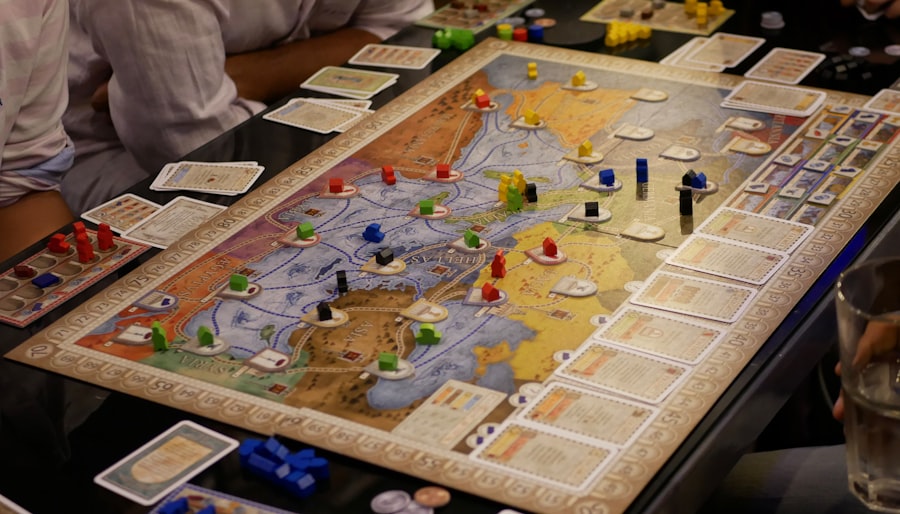
Political instability is a critical factor that can undermine an empire’s ability to control its trade routes effectively. When governments are unstable or face challenges from within, their capacity to enforce laws and protect commerce diminishes significantly. This instability can manifest in various forms, including corruption, ineffective leadership, or widespread dissent among the populace.
As a result, traders may become vulnerable to piracy or extortion, leading to a decline in commerce along affected routes. Moreover, political instability can deter foreign investment and trade partnerships essential for maintaining robust economic activity along trade routes. When potential partners perceive an empire as unstable or unreliable, they may seek alternative trading partners or routes altogether.
This shift can lead to a further erosion of an empire’s economic base and influence over time.
Economic Consequences of Losing Control of Trade Routes
The economic consequences of losing control over trade routes can be profound and far-reaching. An empire that once thrived on commerce may find itself facing severe economic downturns as trade diminishes. The loss of revenue from tariffs and taxes on goods can lead to budget deficits and reduced funding for essential services such as infrastructure maintenance or military defense.
This economic strain can exacerbate existing social tensions and contribute to further instability within the empire. Additionally, losing control over trade routes can result in increased competition from rival powers that capitalize on the vacuum left by a declining empire. These competitors may establish alternative trading networks that siphon off resources and markets previously dominated by the empire in question.
As economic power shifts away from a declining empire, its ability to project influence on the global stage diminishes correspondingly.
Strategies for Empires to Maintain Control of Trade Routes
To maintain control over trade routes, empires have historically employed various strategies aimed at securing their interests and mitigating threats from rivals. One common approach is military presence along key trading pathways. By establishing naval bases or fortifications at strategic locations, empires can protect their shipping lanes from piracy and ensure safe passage for merchants.
This military strategy not only deters potential aggressors but also reinforces an empire’s claim to territorial waters. Diplomatic efforts also play a crucial role in maintaining control over trade routes. Empires often engage in treaties or alliances with neighboring states or local powers to secure favorable trading conditions and protect their interests.
By fostering cooperative relationships with other nations or tribes along critical trade routes, empires can create a network of support that enhances their ability to manage commerce effectively.
Case Studies of Empires Losing Control of Trade Routes
Throughout history, numerous empires have experienced significant declines due to losing control over their trade routes. One notable example is the Roman Empire, which faced challenges from both internal strife and external invasions during its later years. As barbarian tribes encroached on Roman territories, key trade routes became increasingly vulnerable to disruption.
The resulting economic decline contributed to the eventual fall of Rome in the West. Another case study is the Ottoman Empire, which once dominated trade between Europe and Asia through its control of key land routes. However, as European powers began exploring sea routes around Africa and establishing direct access to Asian markets, the Ottomans found themselves sidelined in global commerce.
This shift not only diminished their economic power but also weakened their political influence in the region.
Lessons Learned from Historical Examples
The decline of empires due to losing control over trade routes offers valuable lessons for contemporary powers navigating an increasingly interconnected world. One key takeaway is the importance of adaptability; empires that fail to respond effectively to changing geopolitical dynamics risk losing their relevance on the global stage. Historical examples demonstrate that maintaining flexibility in trade strategies is essential for sustaining economic vitality.
Additionally, fostering strong diplomatic relationships with neighboring states can serve as a buffer against potential threats to trade routes. Empires that prioritize collaboration over confrontation are often better positioned to navigate challenges posed by competing powers or internal dissent. Ultimately, understanding historical patterns can provide modern leaders with insights into how best to safeguard their interests in an ever-evolving global landscape.
The Future of Trade Route Control in a Globalized World
As globalization continues to reshape international relations and commerce, the future of trade route control remains a critical area of focus for nations worldwide. The rise of digital technologies has transformed traditional notions of trade by enabling instantaneous communication and transactions across borders. In this context, countries must adapt their strategies for managing trade routes while considering new challenges such as cybersecurity threats and environmental sustainability.
Moreover, emerging economies are increasingly asserting themselves on the global stage by establishing alternative trading networks that challenge established powers’ dominance over traditional routes. As these dynamics evolve, nations will need to navigate complex interdependencies while safeguarding their interests in an interconnected world. The lessons learned from historical examples will undoubtedly inform contemporary strategies aimed at maintaining control over vital trade pathways in this rapidly changing landscape.
The decline of empires often coincided with their inability to maintain control over critical trade routes, leading to economic instability and loss of influence. A related article that delves deeper into this topic can be found at this link, where various historical examples are explored, illustrating how the loss of these routes contributed to the downfall of powerful civilizations.
WATCH THIS! 🏛️ Empires Didn’t Collapse—They Got Erased: The Pattern Nobody Sees
FAQs
What were the main reasons empires lost control of trade routes?
Empires lost control of trade routes due to a combination of factors including military defeats, internal political instability, economic decline, competition from rival powers, and technological changes that altered trade dynamics.
How did technological advancements contribute to the loss of control over routes?
Technological advancements such as the development of new navigation tools, shipbuilding techniques, and alternative routes (like sea passages) often bypassed traditional land routes controlled by empires, reducing their influence over trade.
Did external invasions play a role in empires losing control of routes?
Yes, invasions by rival empires, nomadic groups, or emerging powers frequently disrupted established trade networks and led to the loss of control over key routes.
How did economic factors influence the control of trade routes?
Economic decline, including reduced revenues, inability to maintain infrastructure, and loss of merchant confidence, weakened empires’ capacity to secure and manage trade routes effectively.
What role did internal political instability have in losing control of routes?
Internal conflicts, succession crises, and administrative corruption undermined centralized authority, making it difficult for empires to enforce control over distant trade routes.
Can changes in trade demand affect an empire’s control over routes?
Yes, shifts in demand for certain goods or the emergence of new markets could redirect trade flows, diminishing the importance of routes controlled by an empire and leading to loss of influence.
Were environmental factors significant in the loss of control over trade routes?
Environmental changes such as desertification, river course changes, or natural disasters could disrupt established routes, forcing traders to find alternatives outside an empire’s control.
How did the rise of rival powers impact empires’ control of trade routes?
The emergence of new regional or global powers often challenged existing empires by establishing competing routes or alliances, thereby eroding the original empire’s dominance over trade corridors.
Did the development of maritime routes affect land-based empires?
Yes, the rise of maritime trade routes, especially during the Age of Exploration, shifted commerce away from traditional overland routes controlled by empires, leading to a decline in their economic and political influence.
What lessons can be learned from how empires lost control of trade routes?
The history of empires losing control of trade routes highlights the importance of adaptability, technological innovation, political stability, and economic resilience in maintaining influence over critical trade networks.