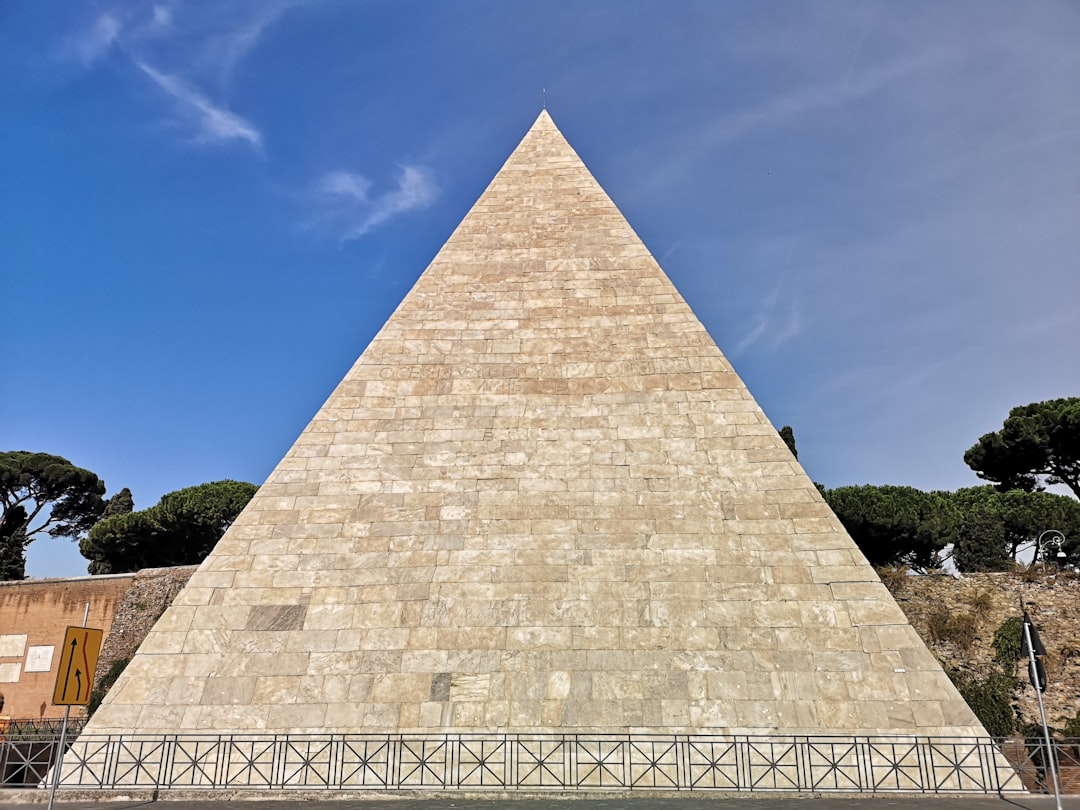
Pyramid building has long captivated the imagination of historians, archaeologists, and the general public alike. These monumental structures, often associated with ancient civilizations, serve as a testament to human ingenuity and architectural prowess. From the iconic pyramids of Egypt to the lesser-known structures in Mesoamerica, the art of pyramid construction reflects not only the technical skills of the builders but also the cultural and spiritual beliefs of the societies that created them.
The sheer scale and precision of these edifices raise questions about the methods employed in their construction and the knowledge systems that supported such ambitious projects. The allure of pyramids extends beyond their physical presence; they symbolize the aspirations and achievements of entire civilizations. As monumental tombs, religious sites, and astronomical observatories, pyramids encapsulate a wealth of historical significance.
They stand as enduring reminders of the past, inviting exploration into the lives of those who built them. Understanding the intricacies of pyramid building is essential for appreciating the broader context of human development and cultural evolution.
Key Takeaways
- Pyramid building holds significant historical and cultural importance rooted in ancient traditions.
- Traditional pyramid-building skills have declined due to modernization and loss of knowledge.
- Technological advancements present both challenges and opportunities for preserving pyramid construction techniques.
- Efforts are underway to revive interest and preserve the traditional knowledge associated with pyramid building.
- Maintaining these traditions is crucial for cultural heritage and the future continuation of pyramid-building practices.
Historical Importance of Pyramid Builders
The builders of pyramids were often revered figures within their societies, embodying the collective effort and expertise required to undertake such monumental tasks. In ancient Egypt, for instance, the construction of the Great Pyramid of Giza was not merely an architectural feat; it was a reflection of the society’s organizational capabilities, religious beliefs, and economic resources. The labor force comprised skilled artisans, laborers, and architects who worked in unison to create these awe-inspiring structures.
Their contributions were not limited to physical labor; they also involved advanced knowledge of mathematics, astronomy, and engineering. Moreover, pyramid builders played a crucial role in shaping the cultural identity of their civilizations. The pyramids served as symbols of power and divine connection, reinforcing the authority of pharaohs and their divine right to rule.
The construction process itself was often imbued with religious significance, as rituals and ceremonies accompanied the building efforts. This intertwining of spirituality and architecture highlights the importance of pyramid builders in maintaining societal cohesion and continuity. Discover the secrets behind the pyramid mystery ancient egypt in this fascinating video.
Decline in Traditional Knowledge
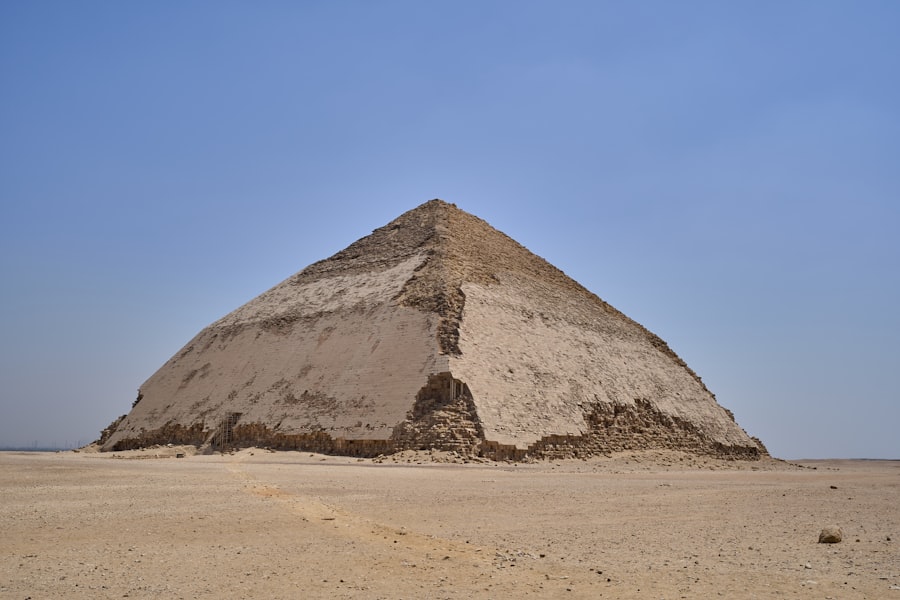
As societies evolved and modernized, traditional knowledge related to pyramid building began to wane. The decline can be attributed to various factors, including urbanization, industrialization, and shifts in cultural values. With the advent of new technologies and construction methods, the ancient techniques that once defined pyramid building became less relevant.
The knowledge passed down through generations was gradually overshadowed by contemporary practices that prioritized efficiency and speed over traditional craftsmanship. Additionally, as educational systems evolved, there was a marked shift away from teaching skills rooted in ancient practices. The focus on formal education often neglected the importance of experiential learning and hands-on skills that were once integral to pyramid construction.
This loss of traditional knowledge not only affected the ability to build pyramids but also diminished the cultural heritage associated with these practices. As a result, fewer individuals possessed the expertise necessary to engage in pyramid building or even appreciate its historical significance.
Modern Challenges to Pyramid Building
In today’s world, pyramid building faces numerous challenges that hinder its revival and preservation. One significant obstacle is the lack of resources and funding for projects aimed at reconstructing or maintaining these ancient structures. Many countries with historical pyramids struggle with economic constraints that limit their ability to invest in preservation efforts.
As a result, some pyramids are at risk of deterioration due to neglect or environmental factors. Furthermore, modern construction practices often prioritize speed and cost-effectiveness over traditional methods. This shift has led to a disconnect between contemporary builders and the ancient techniques that once defined pyramid construction.
The emphasis on using modern materials and machinery can undermine the authenticity of restoration efforts, leading to structures that lack the historical integrity of their predecessors. This challenge raises important questions about how best to balance modern needs with the desire to preserve traditional knowledge and techniques.
Impact of Technological Advancements
| Metric | Description | Value | Source/Notes |
|---|---|---|---|
| Estimated Years of Knowledge Loss | Time span over which pyramid building techniques were lost | ~2000 years | From Old Kingdom (~2500 BCE) to rediscovery in modern archaeology |
| Number of Lost Construction Techniques | Distinct building methods no longer practiced or fully understood | 5-7 | Includes stone cutting, transportation, and alignment methods |
| Percentage of Original Knowledge Retained | Estimated portion of pyramid building knowledge preserved through history | ~30% | Based on surviving texts and archaeological evidence |
| Time to Rediscover Techniques | Duration from knowledge loss to partial modern understanding | ~150 years | From early Egyptology (19th century) to recent research |
| Impact on Modern Engineering | Extent to which lost knowledge influenced contemporary construction | Minimal direct impact | Most techniques had to be re-engineered or hypothesized |
Technological advancements have had a profound impact on pyramid building, both positively and negatively. On one hand, modern technology has enabled researchers and architects to study ancient pyramids with unprecedented precision. Tools such as 3D modeling, laser scanning, and drone technology allow for detailed analysis and documentation of these structures, providing valuable insights into their construction methods and historical context.
On the other hand, reliance on technology can also lead to a detachment from traditional practices. As builders increasingly turn to machinery for construction tasks that were once performed by hand, there is a risk of losing the artisanal skills that defined pyramid building in ancient times. The convenience offered by modern tools may inadvertently contribute to a decline in craftsmanship and an erosion of cultural heritage.
Loss of Traditional Skills and Techniques
The loss of traditional skills and techniques associated with pyramid building is a pressing concern for cultural preservationists. As fewer individuals engage in hands-on construction practices, there is a growing gap in knowledge transfer between generations. The intricate methods used by ancient builders—such as stone quarrying, transportation, and precise alignment—are at risk of being forgotten as modern construction practices take precedence.
Moreover, this loss extends beyond technical skills; it encompasses a broader understanding of the cultural significance embedded in these practices. Traditional builders often possessed a deep connection to their craft, viewing it as a form of artistic expression intertwined with spiritual beliefs. As this connection diminishes, so too does the appreciation for the cultural narratives that shaped pyramid building throughout history.
Efforts to document and teach these skills are essential for ensuring that future generations can engage with this rich heritage.
Cultural and Societal Changes
Cultural and societal changes have played a significant role in shaping perceptions of pyramid building over time. In many contemporary societies, there is a growing emphasis on modernization and technological advancement that often sidelines traditional practices. As urbanization continues to reshape landscapes, communities may prioritize new developments over preserving historical sites like pyramids.
Additionally, shifting values regarding heritage conservation can impact how societies view pyramid building. While some communities recognize the importance of preserving their cultural heritage, others may see it as less relevant in an increasingly globalized world. This tension between progress and preservation poses challenges for those advocating for the continuation of traditional pyramid building practices.
Engaging communities in discussions about their cultural identity and heritage is crucial for fostering appreciation for these ancient structures.
Efforts to Preserve Traditional Knowledge
In response to the decline in traditional knowledge related to pyramid building, various initiatives have emerged aimed at preserving these skills for future generations. Educational programs focused on traditional construction techniques are being developed in some regions, providing opportunities for individuals to learn from experienced craftsmen. Workshops and apprenticeships allow participants to engage directly with skilled builders, fostering a deeper understanding of the art form.
Moreover, collaborations between archaeologists, historians, and local communities are essential for documenting traditional practices associated with pyramid building. By recording oral histories and gathering firsthand accounts from those who possess knowledge of these techniques, efforts can be made to create comprehensive resources that ensure this information is not lost over time. Such initiatives not only contribute to skill preservation but also empower communities by recognizing their cultural heritage as valuable assets.
Revival of Interest in Pyramid Building
In recent years, there has been a notable revival of interest in pyramid building among scholars, artists, and enthusiasts alike. This resurgence can be attributed to a growing recognition of the cultural significance of these structures and a desire to reconnect with ancient practices. Workshops, exhibitions, and educational programs focused on pyramid construction are gaining popularity as individuals seek to explore this fascinating aspect of history.
Additionally, social media platforms have played a pivotal role in fostering interest in pyramid building by providing a space for enthusiasts to share knowledge, experiences, and resources. Online communities dedicated to historical architecture have emerged, allowing individuals from diverse backgrounds to engage with one another and exchange ideas about preserving traditional techniques. This revival not only highlights the enduring appeal of pyramids but also underscores the importance of community engagement in sustaining cultural heritage.
Importance of Preserving Traditional Knowledge
Preserving traditional knowledge related to pyramid building is vital for several reasons. Firstly, it ensures that future generations have access to skills that are integral to understanding their cultural heritage.
Secondly, preserving traditional knowledge contributes to broader discussions about sustainability and environmental stewardship. Many ancient construction techniques were developed with an understanding of local materials and ecological considerations. By revisiting these methods, contemporary builders can draw inspiration from sustainable practices that align with modern environmental goals.
Lastly, safeguarding traditional knowledge fosters intercultural dialogue by highlighting shared human experiences across different societies. Pyramid building transcends geographical boundaries; it serves as a reminder that diverse cultures have engaged in similar pursuits throughout history. By valuing these connections, societies can work towards greater understanding and appreciation for one another’s heritage.
Future of Pyramid Building Traditions
The future of pyramid building traditions hinges on a delicate balance between honoring ancient practices while adapting to contemporary realities. As interest in these structures continues to grow, there is potential for innovative approaches that integrate traditional techniques with modern technologies. Collaborative efforts between artisans, architects, and historians can lead to new interpretations of pyramid building that respect historical integrity while addressing current challenges.
Moreover, fostering community engagement will be crucial for ensuring that pyramid building traditions remain relevant in an ever-changing world. By involving local populations in preservation efforts and encouraging participation in workshops or educational programs, societies can cultivate a sense of ownership over their cultural heritage. Ultimately, the future of pyramid building traditions lies in recognizing their significance not only as architectural marvels but also as embodiments of human creativity and resilience.
By valuing these traditions and investing in their preservation, societies can ensure that the legacy of pyramid builders endures for generations to come.
The phenomenon of knowledge loss among pyramid builders has been a topic of interest for historians and archaeologists alike. A related article that delves deeper into this subject can be found at this link. It explores the various factors that contributed to the decline of architectural expertise in ancient civilizations, shedding light on the complexities of cultural transmission and the impact of societal changes on knowledge retention.
WATCH THIS! 🔺 THEY LIED ABOUT THE PYRAMIDS — Here’s The Real Truth 🤯
FAQs
What is meant by “pyramid builder knowledge loss”?
Pyramid builder knowledge loss refers to the decline or disappearance of the specialized skills, techniques, and understanding that ancient pyramid builders possessed. This loss means that modern researchers and builders have difficulty fully replicating or comprehending the methods used in constructing pyramids.
Why did the knowledge of pyramid building get lost over time?
The knowledge was lost due to several factors, including the decline of the civilizations that built the pyramids, lack of written records detailing construction methods, changes in cultural priorities, and the passing of expert craftsmen without passing on their skills.
How do historians and archaeologists study pyramid builder knowledge loss?
They study ancient texts, analyze the pyramids’ construction techniques, examine tools and materials used, and compare findings with other contemporary structures. They also use modern technology like 3D scanning and computer modeling to hypothesize how pyramids were built.
Can modern technology help recover lost pyramid building knowledge?
Yes, modern technology such as ground-penetrating radar, laser scanning, and computer simulations helps researchers understand construction methods and architectural designs, potentially recovering some lost knowledge.
Are there any surviving records or manuals from ancient pyramid builders?
No comprehensive manuals or detailed construction records have been found. Most knowledge was likely transmitted orally or through apprenticeship, which contributed to its eventual loss.
Have any modern attempts successfully replicated pyramid construction techniques?
There have been experimental archaeology projects that partially replicated pyramid building techniques, demonstrating some methods of stone cutting, transportation, and assembly, but full replication of the original scale and precision remains challenging.
Why is understanding pyramid builder knowledge important today?
Understanding this knowledge provides insights into ancient engineering, cultural history, and technological advancement. It also helps preserve heritage and inspires modern architectural and engineering innovations.