
Population exodus refers to the large-scale departure of individuals from one region or country to another, often driven by a combination of economic, social, political, and environmental factors. This phenomenon has been observed throughout history, with significant migrations occurring during times of war, famine, and economic hardship. In recent years, the world has witnessed a surge in population exodus, particularly from developing nations to more prosperous regions.
This movement not only reshapes demographics but also has profound implications for both the areas losing their populations and those receiving them. The implications of population exodus are multifaceted and complex. As people leave their home countries in search of better opportunities, they take with them their skills, cultural practices, and social networks.
This can lead to a brain drain in the countries of origin, where the loss of educated and skilled individuals hampers economic growth and development. Conversely, destination countries often experience an influx of labor that can stimulate economic activity but may also lead to social tensions and cultural clashes. Understanding the dynamics of population exodus is crucial for policymakers and communities alike as they navigate the challenges and opportunities presented by this global trend.
Key Takeaways
- Population exodus is driven by economic, social, and environmental factors causing significant demographic shifts.
- The movement of people impacts local economies, often leading to labor shortages and reduced economic growth in affected areas.
- Social and cultural dynamics change as communities lose population, affecting traditions and social cohesion.
- Environmental consequences include both positive effects like reduced resource strain and negative impacts such as abandoned land degradation.
- Effective management requires government intervention, strategic planning, and leveraging technology to address ongoing and future challenges.
Factors Contributing to Population Exodus
Several factors contribute to the phenomenon of population exodus, each interlinked and often exacerbating one another. Economic instability is a primary driver; individuals and families frequently leave their home countries in search of better job prospects and improved living conditions. High unemployment rates, inflation, and lack of access to basic services can compel people to seek opportunities elsewhere.
For instance, many individuals from countries facing economic downturns may migrate to regions with robust job markets, hoping to secure a better future for themselves and their families. Political instability also plays a significant role in population exodus. In regions where governments are oppressive or where civil unrest is prevalent, citizens may feel compelled to flee in search of safety and security.
Authoritarian regimes, conflict zones, and areas experiencing human rights violations often see significant outflows of people seeking refuge in more stable environments. Additionally, environmental factors such as climate change and natural disasters can force communities to abandon their homes.
Economic Impact of Population Exodus
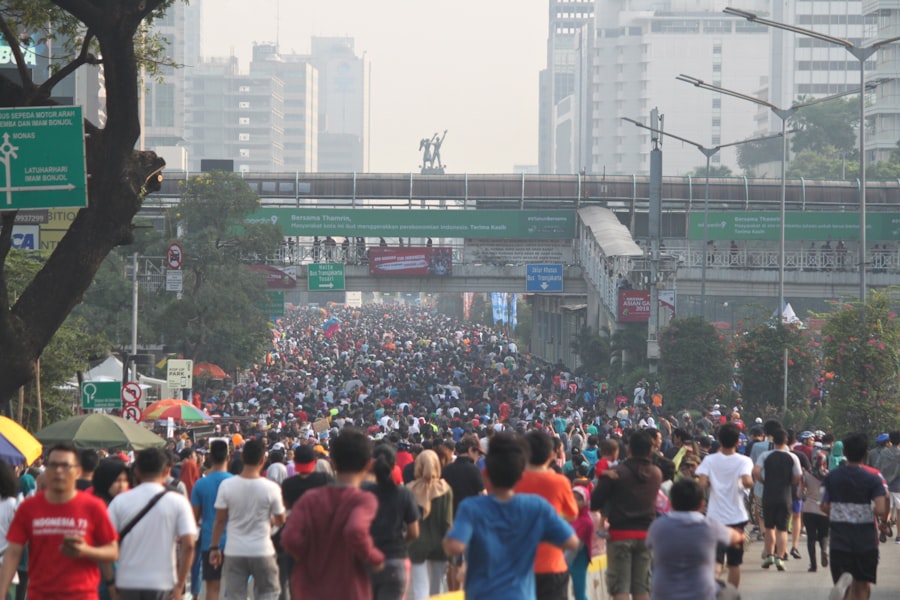
The economic impact of population exodus is profound and can be felt on both sides of the migration equation. For countries experiencing a significant outflow of people, the immediate effects often include a reduction in the labor force and a potential decline in economic productivity. This brain drain can hinder innovation and growth, particularly in sectors that rely on skilled workers.
As professionals leave for better opportunities abroad, industries may struggle to fill critical positions, leading to a slowdown in economic development. Conversely, destination countries often benefit economically from an influx of migrants who contribute to the labor market. These newcomers frequently fill gaps in the workforce, particularly in sectors that face labor shortages such as agriculture, healthcare, and technology.
The arrival of migrants can stimulate local economies through increased consumer spending and entrepreneurship. However, this economic boost can also lead to challenges such as wage suppression for low-skilled workers and increased competition for jobs. Policymakers must carefully consider these dynamics when addressing the economic implications of population exodus.
Social and Cultural Implications of Population Exodus
The social and cultural implications of population exodus are significant and can lead to both enrichment and tension within communities. As migrants bring their diverse backgrounds, traditions, and perspectives to new regions, they contribute to cultural diversity and innovation. This exchange can enhance social cohesion and foster greater understanding among different groups.
In many cases, migrant communities establish vibrant cultural enclaves that celebrate their heritage while also integrating into the broader society. However, population exodus can also lead to social challenges. The arrival of large numbers of migrants can strain public services and infrastructure, leading to tensions between newcomers and long-standing residents.
Issues such as competition for housing, education, and healthcare can create friction within communities. Additionally, cultural differences may lead to misunderstandings or conflicts over values and norms. It is essential for governments and community leaders to promote inclusivity and dialogue to mitigate these tensions while harnessing the benefits of cultural exchange.
Environmental Consequences of Population Exodus
| Region | Population Change (2010-2020) | Net Migration Rate (per 1,000) | Median Age (2020) | Urbanization Rate (%) | Primary Cause of Exodus |
|---|---|---|---|---|---|
| Rural Midwest, USA | -8% | -3.5 | 42.7 | 55 | Job Loss in Agriculture |
| Eastern Europe | -12% | -5.2 | 44.1 | 72 | Economic Migration to Western Europe |
| Sub-Saharan Africa (Urban Areas) | +25% | +4.1 | 19.8 | 40 | Rural to Urban Migration |
| Japan (Rural Regions) | -15% | -2.8 | 48.4 | 91 | Aging Population & Youth Exodus |
| Middle East (Conflict Zones) | -20% | -10.0 | 24.5 | 70 | Conflict and Displacement |
The environmental consequences of population exodus are often overlooked but are increasingly relevant in discussions about migration patterns.
Rapid urbanization driven by an influx of migrants can strain local resources such as water supply, energy, and land use.
This can lead to increased pollution, deforestation, and habitat loss as cities expand to accommodate growing populations. Moreover, the areas that experience significant outflows may face their own environmental challenges. For instance, when agricultural workers migrate away from rural areas, it can lead to abandoned farmland and a decline in local food production.
This shift can exacerbate food insecurity in regions already struggling with agricultural sustainability. Addressing the environmental consequences of population exodus requires a holistic approach that considers both the needs of migrants and the ecological health of both sending and receiving regions.
Case Studies of Population Exodus

Examining specific case studies provides valuable insights into the complexities of population exodus. One notable example is the migration crisis resulting from the Syrian civil war. Millions of Syrians have fled their country due to violence and persecution, seeking refuge in neighboring countries and Europe.
This mass exodus has strained resources in host nations while also highlighting the urgent need for international cooperation in addressing humanitarian crises. Another case study is the migration from Central America to the United States driven by violence, poverty, and political instability. Many individuals from countries like Honduras and El Salvador embark on perilous journeys northward in search of safety and opportunity.
This migration has sparked intense debates about immigration policy in the U.S., revealing deep divisions over how best to address the challenges posed by population exodus while ensuring humane treatment for those seeking refuge.
Government Responses to Population Exodus
Governments around the world have adopted various strategies in response to population exodus, reflecting differing political ideologies and economic conditions. Some nations have implemented restrictive immigration policies aimed at curbing the influx of migrants, often citing concerns over national security or economic competition. These measures can include increased border enforcement, visa restrictions, and deportation policies that target undocumented immigrants.
Conversely, other governments have embraced more inclusive approaches that recognize the contributions migrants make to society. These policies may involve pathways to citizenship for undocumented individuals or programs designed to integrate newcomers into local communities. Countries like Canada have implemented proactive immigration strategies that prioritize skilled workers while also addressing humanitarian needs through refugee resettlement programs.
The effectiveness of these responses varies widely based on local contexts and public sentiment regarding immigration.
Strategies for Managing Population Exodus
To effectively manage population exodus, governments must adopt comprehensive strategies that address both the root causes of migration and the needs of migrants themselves. One approach involves investing in development initiatives in countries experiencing high emigration rates. By improving economic opportunities, education access, and political stability in these regions, governments can help reduce the pressures that drive people to leave.
Additionally, fostering international cooperation is crucial for managing migration flows effectively. Collaborative efforts among nations can facilitate safe migration pathways while ensuring that migrants are treated with dignity and respect. Programs that promote cultural exchange and integration can also help bridge gaps between migrant communities and host societies, fostering mutual understanding and reducing social tensions.
Future Trends in Population Exodus
Looking ahead, several trends are likely to shape the future landscape of population exodus. Climate change is expected to play an increasingly significant role in driving migration as extreme weather events become more frequent and severe. Coastal communities facing rising sea levels may see large-scale displacement as residents seek safer ground.
Similarly, regions experiencing prolonged droughts or resource scarcity may witness heightened migration pressures as individuals search for more sustainable living conditions. Technological advancements will also influence migration patterns in the coming years. The rise of remote work opportunities may enable individuals to relocate without necessarily abandoning their jobs or livelihoods.
This shift could lead to new forms of migration where individuals move not just for economic reasons but also for lifestyle preferences or environmental considerations.
The Role of Technology in Population Exodus
Technology plays a dual role in population exodus by both facilitating migration and shaping its dynamics. On one hand, advancements in communication technology allow potential migrants to access information about opportunities abroad more easily than ever before. Social media platforms enable individuals to connect with family members or friends who have already migrated, providing valuable insights into life in destination countries.
On the other hand, technology can also serve as a tool for governments to manage migration flows more effectively. Data analytics can help policymakers understand migration trends better while improving border security measures through surveillance technologies. However, reliance on technology raises ethical concerns regarding privacy rights and surveillance practices that must be carefully navigated.
Addressing the Challenges of Population Exodus
In conclusion, population exodus presents a complex array of challenges that require thoughtful consideration from governments, communities, and international organizations alike. As individuals continue to migrate for various reasons—economic opportunity, safety from conflict or persecution, or environmental sustainability—the implications will resonate across borders. Addressing these challenges necessitates a multifaceted approach that prioritizes human dignity while recognizing the potential benefits that migration can bring.
By investing in development initiatives in sending countries, fostering inclusive policies in receiving nations, and promoting international cooperation on migration issues, stakeholders can work towards solutions that benefit both migrants and host communities alike. As global dynamics continue to evolve, understanding the intricacies of population exodus will be essential for creating resilient societies capable of adapting to change while embracing diversity as a strength rather than a challenge.
The ongoing demographic shift and population exodus in various regions have significant implications for local economies and social structures. For a deeper understanding of these trends, you can explore the article on this topic at Real Lore and Order, which discusses the factors driving these changes and their potential impact on communities.
FAQs
What is a demographic shift?
A demographic shift refers to a significant change in the composition of a population over time. This can include changes in age distribution, birth rates, death rates, migration patterns, and population size.
What causes population exodus?
Population exodus is typically caused by factors such as economic decline, lack of employment opportunities, political instability, environmental disasters, or social unrest, prompting people to move from one area to another.
How are demographic shifts related to population exodus?
Demographic shifts can result from population exodus when large groups of people leave a region, altering the age structure, workforce size, and overall population density of that area.
What are the effects of demographic shifts on society?
Demographic shifts can impact economic growth, healthcare demand, education systems, housing markets, and social services. For example, an aging population may increase healthcare costs, while youth outmigration can lead to labor shortages.
Can population exodus affect urban and rural areas differently?
Yes, population exodus often leads to urbanization as people move from rural to urban areas seeking better opportunities. Conversely, some urban areas may experience decline if residents move to suburbs or other regions.
How do governments respond to demographic shifts and population exodus?
Governments may implement policies to attract or retain residents, such as economic incentives, infrastructure development, improved social services, or immigration reforms to balance population changes.
Is population exodus always negative?
Not necessarily. While it can lead to challenges like labor shortages or economic decline in some areas, it can also relieve overcrowding, reduce environmental stress, and provide opportunities for growth in destination regions.
What role does migration play in demographic shifts?
Migration is a key driver of demographic shifts, as the movement of people between regions or countries changes population size, diversity, and age structure in both origin and destination areas.
How can demographic data help in planning for population changes?
Demographic data allows policymakers and planners to anticipate future needs for housing, education, healthcare, and employment, enabling them to create strategies that address the impacts of population shifts effectively.
Are demographic shifts and population exodus global phenomena?
Yes, demographic shifts and population exodus occur worldwide, influenced by local and global factors such as economic trends, climate change, conflicts, and technological advancements.