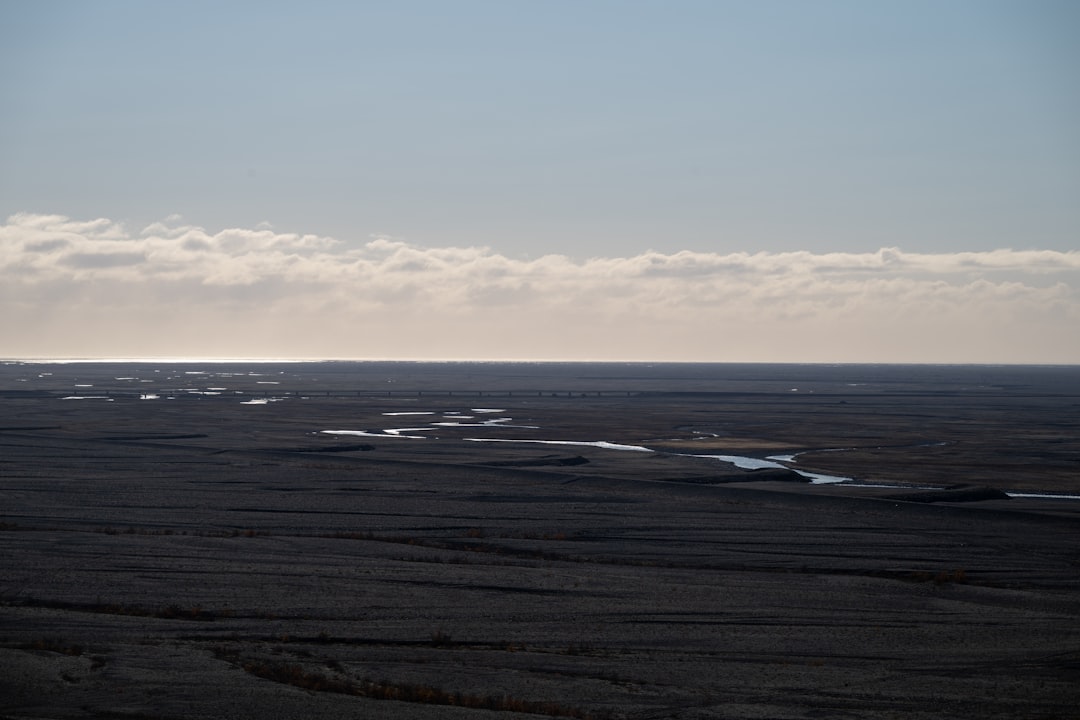
The Aral Sea, once one of the largest inland bodies of water in the world, has become a poignant symbol of environmental degradation and human mismanagement. Nestled between Kazakhstan and Uzbekistan in Central Asia, this vast expanse of water was once teeming with life and supported a thriving fishing industry. However, over the past several decades, the Aral Sea has shrunk dramatically, leading to dire consequences for the surrounding ecosystems and communities.
The story of the Aral Sea serves as a stark reminder of the delicate balance between human activity and nature, illustrating how unsustainable practices can lead to catastrophic outcomes. Historically, the Aral Sea was a vital resource for the region, providing livelihoods for thousands of fishermen and their families. The sea was rich in biodiversity, home to numerous fish species and supporting a complex web of life.
However, the ambitious agricultural projects initiated during the Soviet era, aimed at transforming the arid landscape into fertile farmland, set in motion a series of events that would ultimately lead to the sea’s decline. As water was diverted from the rivers that fed the Aral Sea for irrigation purposes, its waters began to recede, marking the beginning of a profound environmental crisis.
Key Takeaways
- The Aral Sea was once the fourth largest lake in the world, located between Kazakhstan and Uzbekistan.
- The disappearance of the Aral Sea was caused by the diversion of its two main tributaries for irrigation purposes.
- The disappearance of the Aral Sea has led to severe environmental and ecological impacts, including the exposure of toxic chemicals and the loss of biodiversity.
- The economic consequences of the Aral Sea’s disappearance include the collapse of the fishing industry and the loss of livelihoods for local communities.
- The human health effects of the Aral Sea disaster include an increase in respiratory illnesses and the spread of diseases due to the exposure of toxic chemicals.
The Causes of the Aral Sea’s Disappearance
The primary cause of the Aral Sea’s disappearance can be traced back to extensive irrigation projects initiated in the 1960s. The Soviet government sought to increase cotton production in the region, leading to the diversion of major rivers such as the Amu Darya and Syr Darya. These rivers, which once flowed into the Aral Sea, were redirected to irrigate vast cotton fields, drastically reducing the inflow of water into the sea.
This diversion was not only a short-sighted agricultural strategy but also a reflection of a broader disregard for ecological balance. In addition to agricultural practices, poor water management and inefficient irrigation techniques exacerbated the situation. The irrigation systems employed were often outdated and wasteful, leading to significant water loss through evaporation and seepage.
As a result, even less water reached the Aral Sea, accelerating its decline. The combination of these factors created a perfect storm that led to one of the most significant environmental disasters in modern history.
Environmental and Ecological Impact
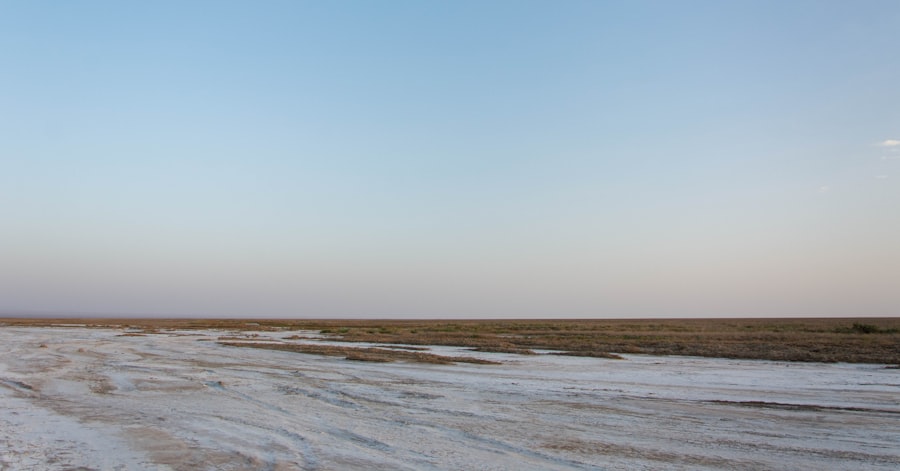
The environmental impact of the Aral Sea’s disappearance has been nothing short of catastrophic. As the water levels dropped, salinity levels increased dramatically, rendering the once-fertile fishing grounds inhospitable for aquatic life. Fish populations plummeted, leading to the collapse of local fisheries that had sustained communities for generations.
The loss of biodiversity has had ripple effects throughout the ecosystem, disrupting food chains and diminishing wildlife populations that depended on the sea for survival. Moreover, the shrinking sea has exposed vast areas of lakebed, which have become sources of toxic dust storms. These dust storms carry harmful pollutants and salts across large distances, affecting air quality and posing health risks to nearby populations.
The once-thriving wetlands that surrounded the Aral Sea have also been severely impacted, leading to habitat loss for numerous bird species and other wildlife. The ecological consequences of this disaster are profound and serve as a stark reminder of how human actions can irrevocably alter natural landscapes.
Economic Consequences
| Country | GDP | Unemployment Rate | Inflation Rate |
|---|---|---|---|
| United States | 21.43 trillion USD | 5.9% | 2.3% |
| China | 14.34 trillion USD | 4.1% | 1.6% |
| Germany | 4.42 trillion USD | 3.2% | 1.7% |
The economic ramifications of the Aral Sea’s decline have been devastating for local communities that relied on its resources. The collapse of the fishing industry has led to widespread unemployment and economic instability in towns that once thrived on fishing and related activities. As fish stocks dwindled, many fishermen were forced to abandon their livelihoods, leading to increased poverty and social dislocation in the region.
Additionally, agriculture has suffered due to increased salinity levels in the soil resulting from the drying up of the sea. Farmers who once benefited from fertile land now face challenges in growing crops due to soil degradation and reduced water availability. The economic landscape has shifted dramatically, with many families struggling to make ends meet as traditional industries falter.
This economic decline has not only affected individual households but has also had broader implications for regional development and stability.
Human Health Effects
The health effects stemming from the Aral Sea disaster are alarming and multifaceted. As dust storms carry toxic particles from the exposed lakebed into nearby communities, respiratory issues have become increasingly common among residents. The inhalation of these pollutants can lead to chronic health problems, including asthma and other respiratory diseases.
Furthermore, contaminated water sources have raised concerns about waterborne diseases, as access to clean drinking water has become increasingly scarce. The psychological toll on local populations cannot be overlooked either. The loss of a once-thriving ecosystem and community identity has led to feelings of despair and hopelessness among residents.
Many individuals grapple with anxiety about their future as they witness their environment deteriorate around them.
International Efforts to Save the Aral Sea
In response to the dire situation surrounding the Aral Sea, various international organizations and governments have initiated efforts aimed at mitigating its decline and restoring its ecosystem. The United Nations Development Programme (UNDP) has been actively involved in promoting sustainable water management practices in Central Asia. Through collaborative projects with local governments, they aim to improve irrigation efficiency and promote alternative livelihoods for communities affected by the sea’s disappearance.
Additionally, regional cooperation among Central Asian countries has become increasingly important in addressing shared water resources. Initiatives such as the International Fund for Saving the Aral Sea (IFAS) have been established to facilitate dialogue and cooperation among nations sharing river basins that feed into the Aral Sea. These efforts underscore the recognition that addressing environmental challenges requires collective action and a commitment to sustainable practices.
The Future of the Aral Sea
The future of the Aral Sea remains uncertain, but there are glimmers of hope amid ongoing challenges. Some areas have seen partial recovery due to concerted conservation efforts and improved water management practices. For instance, in Kazakhstan’s northern region, initiatives aimed at restoring wetlands have shown promise in revitalizing local ecosystems and supporting biodiversity.
However, significant obstacles remain. Climate change poses an additional threat to any restoration efforts, as shifting weather patterns can further impact water availability in an already stressed region. The need for continued investment in sustainable practices and international collaboration is paramount if there is any hope for a brighter future for the Aral Sea and its surrounding communities.
Lessons Learned from the Aral Sea Disaster
The story of the Aral Sea serves as a cautionary tale about the consequences of unsustainable resource management and environmental neglect.
Policymakers must recognize that natural resources are finite and that their exploitation can lead to irreversible damage if not managed responsibly.
Furthermore, it underscores the necessity for interdisciplinary approaches that integrate environmental science with social considerations. Engaging local communities in decision-making processes is crucial for developing effective solutions that address both ecological restoration and human well-being. The lessons learned from this disaster can inform future policies aimed at preventing similar crises elsewhere in the world.
The Role of Climate Change
Climate change plays a significant role in exacerbating the challenges faced by the Aral Sea region. Rising temperatures contribute to increased evaporation rates from both land and water bodies, further diminishing available water resources. Additionally, changing precipitation patterns can lead to prolonged droughts or unpredictable flooding events, complicating efforts to manage water supplies effectively.
As global temperatures continue to rise, regions like Central Asia may face even greater challenges in balancing agricultural needs with environmental sustainability. Addressing climate change through mitigation strategies is essential not only for protecting ecosystems but also for ensuring food security and economic stability in vulnerable regions.
The Aral Sea’s Impact on Local Communities
The impact of the Aral Sea’s decline on local communities extends beyond economic hardships; it has fundamentally altered social structures and cultural identities. Communities that once thrived on fishing traditions now grapple with loss and dislocation as their way of life disappears. The cultural heritage tied to fishing practices and local ecosystems is at risk of being forgotten as younger generations seek opportunities elsewhere.
Moreover, migration patterns have shifted as individuals leave their homes in search of better prospects in urban areas or abroad. This outmigration can lead to demographic changes that further strain remaining communities, leaving behind an aging population with fewer resources to adapt to ongoing challenges.
Hope for Restoration of the Aral Sea
Despite the daunting challenges ahead, there remains hope for restoration efforts surrounding the Aral Sea. Innovative approaches such as reforestation projects along riverbanks aim to reduce soil erosion while improving local ecosystems. Additionally, advancements in technology offer new possibilities for efficient water management practices that could help restore some balance to this fragile environment.
Community engagement is also crucial in fostering a sense of ownership over restoration efforts. By involving local populations in decision-making processes and providing education on sustainable practices, there is potential for grassroots movements that prioritize ecological health alongside economic development. While the road ahead may be long and fraught with obstacles, collective action rooted in hope can pave the way toward a more sustainable future for both people and nature around the Aral Sea.
The Aral Sea, once one of the largest lakes in the world, has drastically shrunk due to extensive irrigation projects and mismanagement of water resources. This environmental disaster has led to severe ecological and economic consequences for the surrounding regions. For a deeper understanding of the impacts of such environmental changes, you can read more in this related article: here.
WATCH THIS! The 20 Things History Buried To Protect Us
FAQs
What is the Aral Sea?
The Aral Sea was once the fourth largest lake in the world, located in Central Asia between Kazakhstan and Uzbekistan.
What happened to the Aral Sea?
The Aral Sea has significantly shrunk due to the diversion of its feeder rivers for irrigation projects in the 1960s. This has caused a major environmental disaster, leading to the sea splitting into smaller bodies of water.
What are the environmental consequences of the shrinking Aral Sea?
The shrinking of the Aral Sea has led to the exposure of the sea bed, resulting in the release of salt and toxic chemicals into the air. This has caused health problems for the local population and has negatively impacted the region’s climate and biodiversity.
What efforts have been made to address the issue of the shrinking Aral Sea?
Efforts have been made to restore the Aral Sea, including the construction of dams and canals to redirect water flow, as well as the planting of trees to stabilize the exposed sea bed. International organizations and governments have also been involved in providing aid and support for the region.