
Ancient civilizations have long fascinated historians, archaeologists, and the general public alike. These societies, which flourished thousands of years ago, laid the groundwork for many aspects of modern life, including governance, architecture, and culture. From the majestic pyramids of Egypt to the intricate city-states of Mesopotamia, these civilizations were marked by remarkable achievements and innovations.
However, they also faced numerous challenges that ultimately led to their decline. Understanding the factors that contributed to the fall of these ancient societies provides valuable insights into the complexities of human development and the cyclical nature of history. The study of ancient civilizations reveals a tapestry of human experience, characterized by both triumph and tragedy.
Each civilization had its unique attributes, yet they shared common vulnerabilities that rendered them susceptible to decline. By examining these factors, one can gain a deeper appreciation for the resilience and adaptability of human societies. The lessons learned from the rise and fall of ancient civilizations continue to resonate today, offering cautionary tales about the fragility of progress and the importance of sustainable practices.
Key Takeaways
- Ancient civilizations faced environmental factors and natural disasters that impacted their development and stability.
- Political instability and internal conflict were common challenges for ancient civilizations, leading to power struggles and societal unrest.
- Economic decline and resource depletion contributed to the downfall of many ancient civilizations, leading to a decline in prosperity and stability.
- Social and cultural decay, including moral and ethical decline, played a role in the decline of ancient civilizations.
- Invasion and external threats posed significant challenges to the security and survival of ancient civilizations.
Environmental Factors and Natural Disasters
Environmental factors played a pivotal role in the rise and fall of ancient civilizations. Many societies thrived in regions with fertile land and favorable climates, which allowed for agricultural abundance. However, these same environmental conditions could also shift dramatically due to natural disasters such as droughts, floods, or earthquakes.
For instance, the collapse of the Maya civilization is often attributed to prolonged droughts that devastated their agricultural systems, leading to food shortages and societal unrest. Such environmental changes could disrupt the delicate balance that supported these complex societies. Natural disasters not only affected agriculture but also had far-reaching consequences for infrastructure and population distribution.
The eruption of Mount Vesuvius in 79 AD buried the Roman city of Pompeii under ash and pumice, preserving it for centuries but also marking a tragic end for its inhabitants. Similarly, the Indus Valley Civilization faced significant challenges due to shifting river patterns that altered trade routes and agricultural viability. These environmental factors underscore the vulnerability of even the most advanced civilizations to the whims of nature.
Political Instability and Internal Conflict
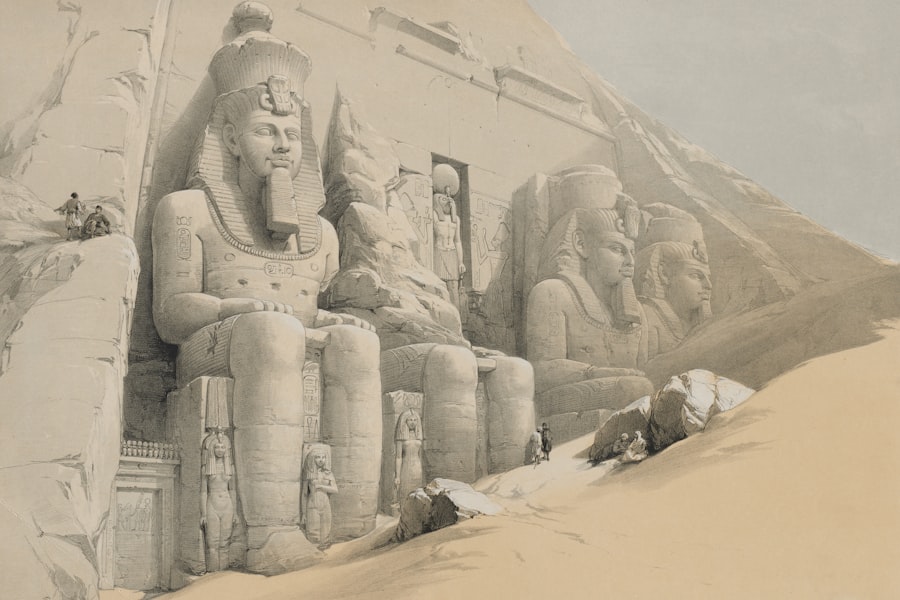
Political instability often served as a catalyst for the decline of ancient civilizations. Internal conflicts, whether due to power struggles among elites or widespread civil unrest among the populace, could erode the foundations of governance and social cohesion. In ancient Rome, for example, a series of civil wars weakened the empire’s ability to respond to external threats and manage its vast territories effectively.
The infighting among various factions not only drained resources but also fostered an environment of distrust and disunity. Moreover, political corruption and ineffective leadership could exacerbate existing tensions within a society. The fall of the Western Roman Empire is frequently attributed to a combination of weak leadership and rampant corruption that alienated citizens and undermined public trust in institutions.
As political structures crumbled, so too did the social fabric that held communities together. The resulting chaos often left civilizations vulnerable to external threats and internal decay.
Economic Decline and Resource Depletion
| Year | GDP Growth Rate | Unemployment Rate | Natural Resource Depletion |
|---|---|---|---|
| 2010 | -2.5% | 9.6% | 20% |
| 2011 | -1.8% | 9.0% | 22% |
| 2012 | -1.3% | 8.2% | 25% |
Economic decline is another critical factor that contributed to the downfall of ancient civilizations. Many societies relied heavily on specific resources or trade routes for their prosperity. When these resources became scarce or trade networks were disrupted, economic stability could quickly unravel.
The decline of the once-thriving city of Carthage illustrates this point; after its defeat in the Punic Wars, Carthage struggled to maintain its economic power as trade routes shifted and resources dwindled. Resource depletion often stemmed from unsustainable practices, such as over-farming or deforestation. The ancient Mesopotamians faced significant challenges due to soil salinization caused by intensive irrigation practices, which ultimately diminished agricultural productivity.
As economies faltered, so did social structures, leading to increased poverty and desperation among the populace. This economic decline created a vicious cycle that further weakened civilizations already grappling with other internal and external pressures.
Social and Cultural Decay
The decline of ancient civilizations was not solely a matter of political or economic factors; social and cultural decay played a significant role as well.
The shared values and beliefs that once united communities could become fragmented in times of crisis.
For instance, during periods of instability in ancient Greece, philosophical schools began to question traditional values and norms, leading to a cultural shift that reflected broader societal anxieties. Additionally, as social hierarchies became more rigid and inequality grew, discontent among lower classes could lead to unrest and rebellion. The fall of the Aztec Empire exemplifies this phenomenon; as the ruling elite became increasingly disconnected from the needs of common people, resentment simmered beneath the surface until it erupted into open conflict with Spanish conquistadors.
This social decay not only weakened internal unity but also made civilizations more susceptible to external threats.
Invasion and External Threats
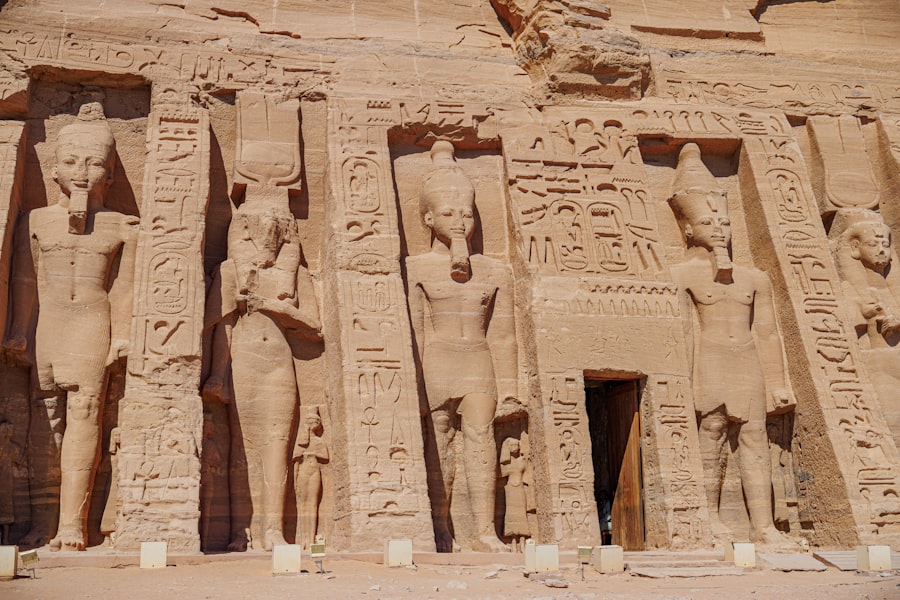
In many cases, external threats played a decisive role in the decline of ancient civilizations. Invasions by foreign powers or nomadic tribes could swiftly dismantle established societies that had become complacent or weakened by internal strife. The fall of the Western Roman Empire is often cited as a prime example; relentless invasions by Germanic tribes exploited Rome’s weakened state, leading to its eventual collapse in 476 AD.
Moreover, external threats could exacerbate existing vulnerabilities within a civilization. The Huns’ incursions into Europe not only destabilized regions but also prompted migrations that further strained resources in neighboring territories. As civilizations faced mounting pressures from outside forces, their ability to respond effectively diminished, leading to a rapid decline in power and influence.
Technological Stagnation
Technological stagnation can also be seen as a contributing factor to the decline of ancient civilizations. While many societies experienced periods of remarkable innovation, others fell into patterns of complacency that stifled progress. For instance, after reaching impressive heights in engineering and architecture during its early years, the Roman Empire struggled to maintain its technological edge as it expanded.
The reliance on slave labor may have hindered advancements in automation or efficiency that could have sustained its economy. In contrast, civilizations that embraced innovation tended to thrive longer than those that resisted change. The Gupta Empire in India is often celebrated for its advancements in mathematics and science during its golden age; however, as political instability set in, so too did a decline in intellectual pursuits.
This stagnation not only limited technological progress but also contributed to a broader cultural decline as societies became less adaptable to changing circumstances.
Religious and Spiritual Crisis
Religious beliefs often served as a unifying force within ancient civilizations; however, crises of faith could lead to significant societal upheaval. As challenges mounted—be they environmental disasters or political turmoil—people’s faith in traditional religious structures could wane. The decline of the Egyptian civilization saw shifts in religious practices as new belief systems emerged, reflecting changing societal values and priorities.
Moreover, religious schisms could exacerbate existing tensions within societies. The Protestant Reformation in Europe serves as a historical example where religious conflict led to widespread social upheaval and political realignment. In ancient Rome, the rise of Christianity challenged traditional polytheistic beliefs and ultimately contributed to significant shifts in power dynamics within the empire.
Such crises not only affected individual faith but also had profound implications for governance and social cohesion.
Leadership and Governance Failures
Effective leadership is crucial for any civilization’s stability and growth; however, failures in governance can precipitate decline. Leaders who prioritize personal gain over public welfare can erode trust among citizens and create an environment ripe for dissent. In ancient Egypt, periods of weak leadership often coincided with times of famine or unrest, highlighting how governance failures can have dire consequences for entire populations.
Additionally, poor decision-making at the top can lead to disastrous outcomes for societies facing external threats or internal strife. The decisions made by leaders during critical moments can either unite a civilization or drive it further into chaos. The fall of Constantinople in 1453 serves as a reminder that even well-established empires can falter under ineffective leadership when faced with formidable adversaries.
Decline in Trade and Commerce
Trade has historically been a lifeblood for civilizations, facilitating not only economic prosperity but also cultural exchange. A decline in trade can signal broader issues within a society and contribute significantly to its downfall. For instance, as the Roman Empire expanded its borders, it became increasingly difficult to maintain secure trade routes; disruptions led to economic stagnation that further weakened its power.
Moreover, trade networks often relied on stable political conditions; when internal conflicts arose or external threats loomed large, commerce could suffer dramatically. The decline of the Silk Road during periods of instability in Central Asia illustrates how interconnected economies can be adversely affected by regional turmoil. As trade dwindled, so too did access to vital resources and cultural exchanges that had once enriched these civilizations.
Lessons for Modern Societies
The study of ancient civilizations offers invaluable lessons for contemporary societies grappling with their own challenges. Understanding how environmental factors, political instability, economic decline, social decay, external threats, technological stagnation, religious crises, leadership failures, and trade disruptions contributed to past declines can inform modern decision-making processes. By recognizing these patterns, current leaders can work towards creating more resilient systems capable of adapting to change.
Moreover, fostering sustainable practices—whether in agriculture or resource management—can help mitigate some of the environmental challenges faced by modern societies today. Emphasizing social cohesion through equitable governance can strengthen communities against internal strife while promoting cultural exchange can enrich societies amidst globalization’s complexities. Ultimately, learning from history allows modern civilizations to navigate their own paths with greater awareness and foresight.
By examining their rise and fall through various lenses—environmental factors, political dynamics, economic conditions, social structures, external threats, technological advancements, religious beliefs, leadership qualities, trade networks—modern societies can glean insights that may help them avoid similar fates in an ever-evolving world.
The decline of ancient civilizations has long intrigued historians and scholars, prompting numerous theories and discussions. One insightful article that delves into this topic can be found on Real Lore and Order. This article explores various factors that contributed to the collapse of ancient societies, such as environmental changes, economic instability, and social upheaval. By examining these elements, the article provides a comprehensive understanding of how complex systems can unravel over time. For a deeper exploration of these themes, you can read the full article on their website by following this link.
WATCH THIS! 😕They Buried the Truth: How Ancient Elites Hid a Climate Collapse.
FAQs
What are some common reasons for the failure of ancient civilizations?
Some common reasons for the failure of ancient civilizations include environmental factors such as droughts, floods, and soil depletion, as well as political instability, warfare, and economic collapse.
How did environmental factors contribute to the failure of ancient civilizations?
Environmental factors such as climate change, natural disasters, and resource depletion could lead to food shortages, population decline, and ultimately the collapse of ancient civilizations.
What role did political instability play in the downfall of ancient civilizations?
Political instability, including power struggles, corruption, and ineffective governance, often led to internal conflict and weakened the ability of ancient civilizations to respond to external threats.
How did warfare contribute to the decline of ancient civilizations?
Warfare, whether from external invasions or internal conflicts, could lead to the destruction of infrastructure, loss of resources, and a decline in population, ultimately contributing to the failure of ancient civilizations.
What impact did economic collapse have on ancient civilizations?
Economic collapse, including factors such as trade disruptions, inflation, and unsustainable resource exploitation, could lead to social unrest, poverty, and the eventual collapse of ancient civilizations.