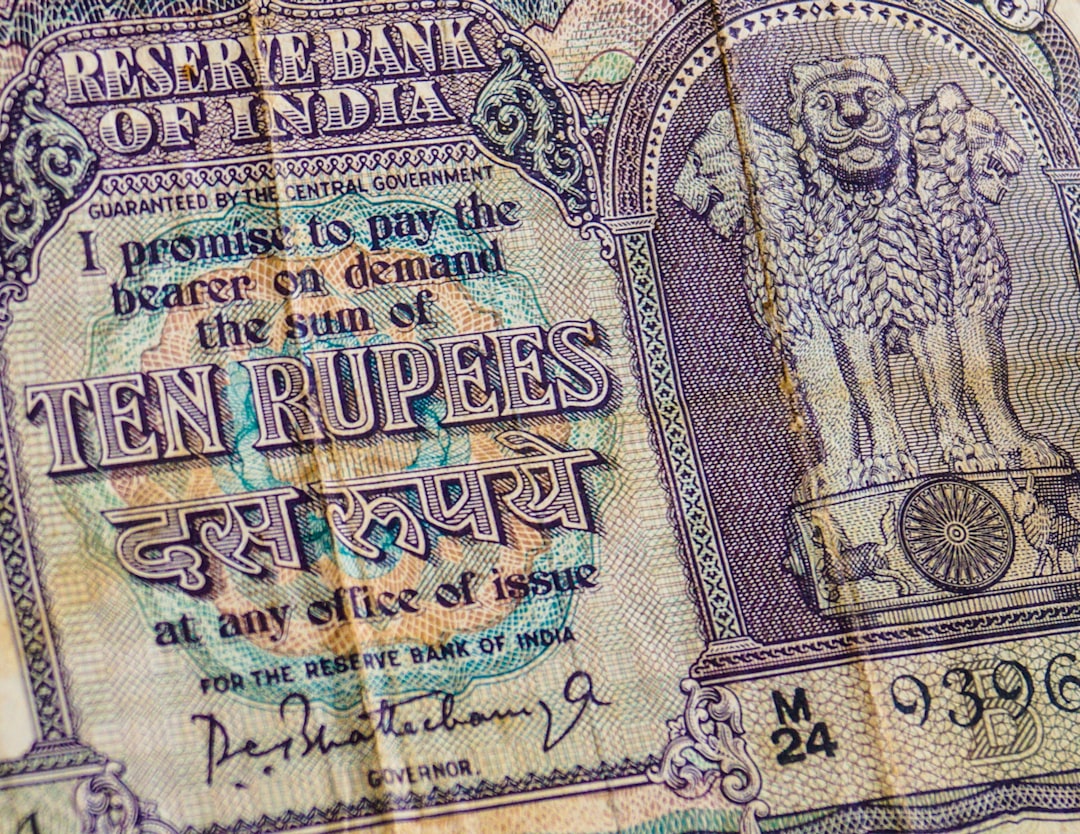
The concept of a multipolar currency order is gaining traction in the global economic landscape, reflecting a shift away from the long-standing dominance of the US dollar. This emerging framework suggests that multiple currencies will coexist as significant players in international trade and finance, challenging the hegemony that the dollar has enjoyed for decades. As nations seek to diversify their economic partnerships and reduce reliance on a single currency, the dynamics of global finance are poised for transformation.
The implications of this shift are profound, affecting everything from trade agreements to geopolitical alliances. In this evolving scenario, countries are increasingly exploring alternative currencies for trade and investment, driven by a desire for greater economic sovereignty and resilience against external shocks. The multipolar currency order is not merely a theoretical construct; it is a response to real-world challenges and opportunities that nations face in an interconnected global economy.
As various currencies vie for prominence, understanding the historical context, current challenges, and future implications of this transition becomes essential for policymakers, businesses, and investors alike.
Key Takeaways
- The US dollar’s long-standing dominance is increasingly challenged by emerging alternative reserve currencies.
- China and the European Union are key players promoting a multipolar currency system.
- Russia is actively diversifying its reserves to reduce reliance on the US dollar.
- A multipolar currency order could reshape global trade, finance, and geopolitical dynamics.
- While offering benefits like reduced dependency, a multipolar system also carries risks of increased financial instability.
Historical Background of the Dominance of the US Dollar
The US dollar’s ascent to dominance can be traced back to the aftermath of World War II when the Bretton Woods Agreement established it as the world’s primary reserve currency. This agreement was predicated on the strength of the US economy, which had emerged relatively unscathed from the war while many European nations were left in ruins. The dollar was pegged to gold, providing a stable foundation for international trade and investment.
As a result, countries around the world began to accumulate dollars as a means of facilitating trade and ensuring economic stability. Over the decades, the dollar’s status was further solidified through various geopolitical events, including the Cold War and the establishment of institutions like the International Monetary Fund (IMF) and the World Bank. These institutions often operated in dollars, reinforcing its role as the currency of choice for global transactions.
The dollar’s dominance was also bolstered by the United States’ military and political influence, which allowed it to maintain a favorable position in international relations. Consequently, the dollar became synonymous with economic power, leading to its widespread acceptance as a reserve currency.
Challenges to the US Dollar’s Dominance
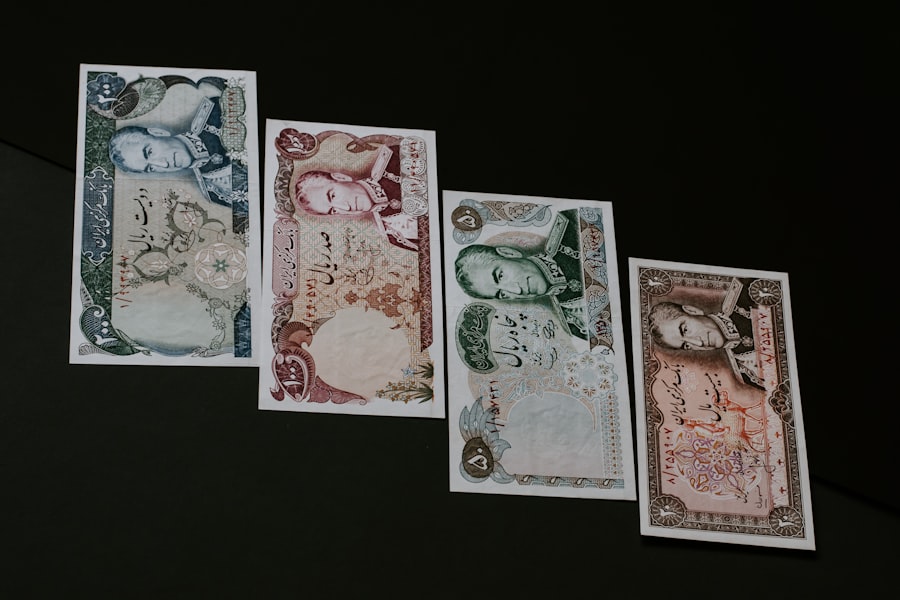
In recent years, several factors have emerged that challenge the US dollar’s long-standing supremacy. One significant challenge is the increasing economic power of emerging markets, particularly in Asia. Countries like China and India are experiencing rapid growth and are seeking to assert their influence on the global stage.
As these nations expand their economic clout, they are also advocating for greater use of their currencies in international trade, thereby undermining the dollar’s monopoly. Additionally, geopolitical tensions have prompted some countries to reconsider their reliance on the dollar. Sanctions imposed by the United States on various nations have led to calls for alternative payment systems that do not involve the dollar.
Countries such as Russia and Iran have actively sought to establish bilateral trade agreements using their own currencies or other alternatives, signaling a desire to reduce vulnerability to US economic policies. This shift reflects a broader trend of de-dollarization that is gaining momentum across different regions.
Rise of Alternative Reserve Currencies
As challenges to the US dollar’s dominance mount, alternative reserve currencies are beginning to emerge. The euro, for instance, has positioned itself as a viable competitor since its introduction in 1999. The European Union’s collective economic strength and its commitment to maintaining a stable currency have made the euro an attractive option for countries looking to diversify their reserves.
Furthermore, initiatives such as China’s Belt and Road Initiative have encouraged greater use of the renminbi in international trade, particularly in Asia and Africa. Cryptocurrencies also represent a new frontier in the quest for alternative reserve currencies. Digital currencies like Bitcoin and Ethereum have gained popularity as decentralized forms of money that operate outside traditional banking systems.
While still in their infancy, these cryptocurrencies offer potential advantages such as lower transaction costs and increased privacy. As technology continues to evolve, it is conceivable that digital currencies could play a more significant role in global finance, further challenging the dollar’s dominance.
China’s Role in the Multipolar Currency Order
| Metric | Current Value | Trend | Notes |
|---|---|---|---|
| Global Reserve Currency Share (%) | USD: 58.5, EUR: 20.0, CNY: 3.0, Others: 18.5 | USD declining, CNY rising | USD dominance decreasing as China promotes RMB internationalization |
| International Trade Settlements by Currency (%) | USD: 40, EUR: 30, CNY: 15, Others: 15 | Increasing use of CNY and EUR | More countries adopting multipolar currency usage in trade |
| Foreign Exchange Reserves Composition (%) | USD: 59, EUR: 20, CNY: 5, Others: 16 | Gradual diversification | Central banks diversifying reserves away from USD |
| Number of Bilateral Currency Swap Agreements | USD: N/A, CNY: 40+, EUR: 25+ | Increasing for CNY and EUR | Supports multipolar currency liquidity and trade |
| Central Bank Digital Currency (CBDC) Initiatives | USD: Pilot stage, CNY: Advanced, EUR: Developing | Accelerating | CBDCs may facilitate multipolar currency transactions |
China’s ascent as an economic powerhouse has positioned it at the forefront of discussions surrounding a multipolar currency order. The Chinese government has actively promoted the renminbi as an alternative reserve currency through various initiatives aimed at internationalizing its use.
China’s efforts are not merely about expanding its influence; they also reflect a strategic desire to reduce dependence on the US dollar and mitigate risks associated with potential sanctions.
The inclusion of the renminbi in the International Monetary Fund’s Special Drawing Rights (SDR) basket in 2016 marked a significant milestone in its journey toward becoming a global reserve currency.
This recognition has bolstered confidence in the renminbi and encouraged other countries to consider it as part of their foreign exchange reserves. As China continues to expand its economic reach through initiatives like the Belt and Road Initiative, its role in shaping a multipolar currency order is likely to grow even more pronounced.
The European Union and the Euro as a Reserve Currency
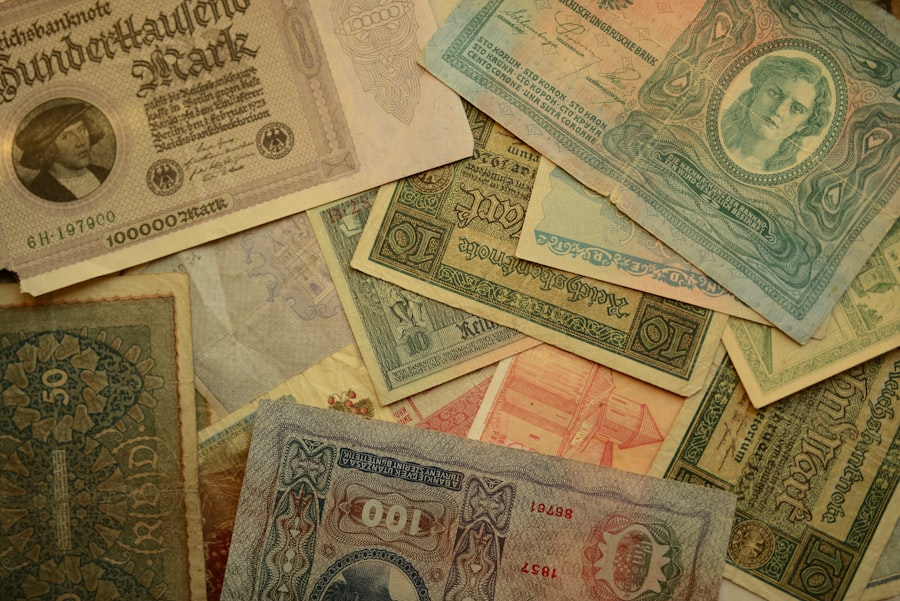
The European Union has long sought to establish the euro as a credible alternative to the US dollar in global finance. With its vast single market and collective economic strength, the EU has positioned itself as a formidable player on the world stage. The euro’s introduction was intended not only to facilitate trade within Europe but also to enhance its global standing as a reserve currency.
Despite facing challenges such as economic disparities among member states and political uncertainties, the euro has managed to maintain its status as one of the most widely held reserve currencies. The European Central Bank (ECB) plays a crucial role in supporting the euro’s position by implementing monetary policies aimed at ensuring stability and confidence in the currency. Additionally, efforts to deepen financial integration within Europe have further solidified the euro’s role in international trade.
As countries seek alternatives to the dollar, many are increasingly turning to the euro for transactions, particularly within Europe and neighboring regions. This trend underscores the potential for a more diversified currency landscape where multiple currencies coexist alongside one another.
Russia’s Efforts to Diversify its Reserve Holdings
In response to geopolitical tensions and economic sanctions imposed by Western nations, Russia has taken significant steps to diversify its reserve holdings away from the US dollar. The Russian government has actively sought to increase its gold reserves while simultaneously reducing its dollar-denominated assets. This strategy reflects a broader effort to insulate itself from external pressures and enhance its financial sovereignty.
Furthermore, Russia has pursued closer economic ties with countries that share similar interests in reducing reliance on the dollar. Bilateral trade agreements with nations such as China and India have increasingly involved transactions conducted in local currencies rather than dollars. By fostering these relationships, Russia aims not only to bolster its own economy but also to contribute to the emergence of a multipolar currency order that diminishes the dollar’s dominance.
Impact of the Multipolar Currency Order on Global Trade and Finance
The emergence of a multipolar currency order is likely to have far-reaching implications for global trade and finance. As countries increasingly adopt alternative currencies for transactions, traditional trade patterns may shift significantly. This could lead to greater volatility in exchange rates as multiple currencies compete for prominence on international markets.
Businesses may need to adapt their strategies to navigate this new landscape, potentially leading to increased costs associated with currency conversion and hedging against exchange rate fluctuations. Moreover, financial institutions may need to rethink their operations in light of this evolving environment. The rise of alternative reserve currencies could prompt banks and financial intermediaries to develop new products and services tailored to meet changing demands from clients seeking exposure to diverse currencies.
This shift may also encourage innovation within payment systems as countries explore digital currencies and blockchain technology as means of facilitating cross-border transactions more efficiently.
Potential Benefits and Risks of a Multipolar Currency Order
While a multipolar currency order presents several potential benefits, it also carries inherent risks that must be carefully considered. On one hand, increased competition among currencies could lead to lower transaction costs and improved efficiency in international trade. Countries may find themselves less vulnerable to external shocks associated with reliance on a single dominant currency, fostering greater economic resilience.
However, this transition is not without challenges. The fragmentation of global finance could result in increased complexity for businesses operating across borders, necessitating more sophisticated risk management strategies. Additionally, geopolitical tensions may exacerbate volatility in currency markets as nations navigate competing interests and alliances.
Policymakers must strike a delicate balance between promoting diversification while ensuring stability within financial systems.
Geopolitical Implications of a Multipolar Currency Order
The geopolitical implications of a multipolar currency order are profound and multifaceted. As countries seek greater autonomy over their monetary policies and reduce dependence on the US dollar, traditional power dynamics may shift significantly. Nations that successfully promote their currencies as alternatives could gain enhanced influence on the global stage, potentially altering existing alliances and partnerships.
Furthermore, this shift may lead to increased competition among major powers as they vie for economic influence through currency diplomacy. Countries may leverage their currencies as tools of soft power, using financial incentives or sanctions strategically to achieve geopolitical objectives. As such, understanding these dynamics will be crucial for policymakers seeking to navigate an increasingly complex international landscape characterized by competing economic interests.
Future Outlook for the Multipolar Currency Order
The future outlook for a multipolar currency order remains uncertain but promising. As emerging markets continue to grow and assert their influence on global finance, it is likely that alternative currencies will gain traction alongside traditional ones like the US dollar and euro. The ongoing evolution of technology—particularly in digital currencies—will further shape this landscape, potentially leading to new forms of money that challenge established norms.
Ultimately, while challenges remain in establishing a truly multipolar currency order, there is no denying that significant shifts are underway in global finance. Countries are increasingly recognizing the importance of diversifying their reserves and exploring new avenues for trade beyond traditional frameworks dominated by a single currency. As this transformation unfolds, stakeholders across sectors must remain vigilant and adaptable in order to thrive in an increasingly interconnected world where multiple currencies coexist alongside one another.
As the global economy shifts towards a multipolar currency order, it is essential to understand the implications of this transition. A related article that delves into the dynamics of this emerging financial landscape can be found here. This piece explores the potential challenges and opportunities that arise as various currencies vie for influence on the world stage, reshaping international trade and investment strategies.
WATCH THIS! 🚨 The Secret Deal That Will Break America
FAQs
What is a multipolar currency order?
A multipolar currency order refers to a global financial system where multiple currencies, rather than a single dominant one, are used extensively for international trade, reserves, and finance. This contrasts with a unipolar system dominated by one currency, such as the US dollar.
Why is a multipolar currency order emerging?
A multipolar currency order is emerging due to factors such as the diversification of global economic power, efforts by countries to reduce dependence on the US dollar, geopolitical shifts, and the rise of alternative currencies like the euro, Chinese yuan, and others.
Which currencies are considered key players in a multipolar currency order?
Key currencies in a multipolar currency order typically include the US dollar, euro, Chinese yuan (renminbi), Japanese yen, and British pound. Other regional currencies may also gain prominence depending on economic and political developments.
How does a multipolar currency order affect global trade?
A multipolar currency order can lead to more diversified currency usage in global trade, reducing reliance on any single currency. This may lower currency risk for some countries but could also increase complexity in international transactions.
What are the potential benefits of a multipolar currency order?
Potential benefits include reduced vulnerability to the economic policies of a single country, increased financial stability through diversification, and greater representation of emerging economies in the global financial system.
What challenges does a multipolar currency order present?
Challenges include increased currency volatility, complexity in exchange rate management, potential fragmentation of global financial markets, and the need for enhanced international cooperation on monetary policies.
How might a multipolar currency order impact the US dollar’s dominance?
The US dollar’s dominance may decline as other currencies gain wider acceptance for trade and reserves. However, the dollar is likely to remain a major global currency due to the size and liquidity of US financial markets.
What role do international institutions play in a multipolar currency order?
International institutions like the International Monetary Fund (IMF) and the Bank for International Settlements (BIS) facilitate cooperation among countries, help manage currency stability, and support the integration of multiple currencies in the global financial system.
Is the emergence of a multipolar currency order linked to geopolitical changes?
Yes, geopolitical shifts such as the rise of China, changing alliances, and efforts to reduce reliance on Western-dominated financial systems contribute to the emergence of a multipolar currency order.
How does technology influence the development of a multipolar currency order?
Technological advancements, including digital currencies and blockchain, enable faster and more secure cross-border transactions, potentially supporting the use of multiple currencies and the development of new forms of money in the global economy.