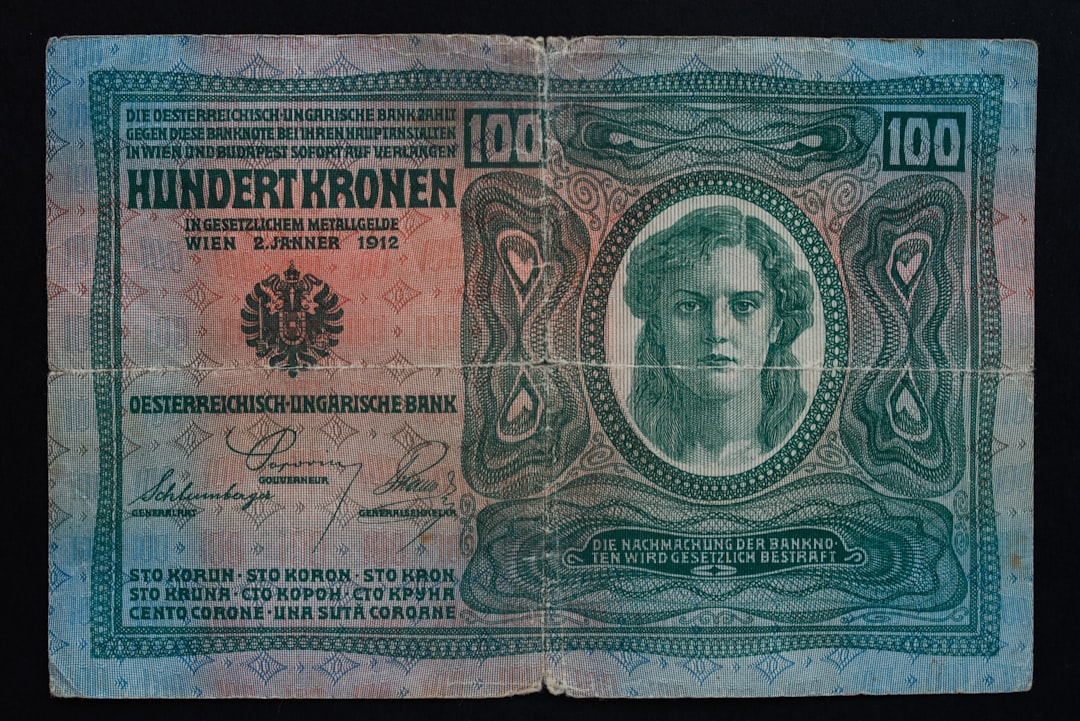
In recent years, the global financial landscape has undergone significant transformations, leading to the emergence of a multipolar currency order. This new paradigm is characterized by the diminishing dominance of a single currency, particularly the US dollar, and the rise of multiple currencies vying for prominence in international trade and finance. The multipolar currency order reflects a shift in economic power dynamics, as countries seek to diversify their reserves and reduce reliance on any one currency.
This evolution is not merely a financial phenomenon; it is deeply intertwined with geopolitical shifts, technological advancements, and changing trade relationships.
This transition is driven by various factors, including economic growth in emerging markets, increasing trade among non-Western nations, and the desire for greater financial sovereignty.
As nations navigate this complex landscape, they are compelled to reassess their monetary policies and international strategies, leading to a reconfiguration of global economic relationships. Understanding the implications of this shift is crucial for policymakers, businesses, and investors alike.
Key Takeaways
- The global currency system is shifting from US dollar dominance to a multipolar order with multiple reserve currencies.
- China and the European Union are key players promoting the yuan and euro as alternatives to the dollar.
- Digital currencies are emerging as important tools within the evolving multipolar currency framework.
- This transition presents both challenges and opportunities for international trade and economic stability.
- Geopolitical dynamics will be significantly influenced by the changing currency landscape in the coming years.
The Decline of the US Dollar’s Dominance
Historically, the US dollar has held a position of unparalleled dominance in global finance, serving as the primary reserve currency for decades. However, recent trends indicate a gradual decline in its supremacy. Several factors contribute to this erosion of confidence in the dollar.
First and foremost is the increasing national debt of the United States, which raises concerns about the long-term stability of the currency. As the US government continues to run substantial deficits, foreign investors may begin to question the dollar’s reliability as a store of value. Moreover, geopolitical tensions and trade disputes have prompted countries to seek alternatives to the dollar for international transactions.
The imposition of sanctions by the US has further accelerated this trend, as nations look for ways to circumvent reliance on a currency that can be weaponized against them. As countries like Russia and Iran explore bilateral trade agreements using their own currencies or other alternatives, the dollar’s role as the world’s primary medium of exchange is increasingly challenged. This shift not only reflects changing economic realities but also signals a broader rethinking of global financial systems.
The Rise of Alternative Reserve Currencies
As the US dollar’s dominance wanes, alternative reserve currencies are gaining traction on the global stage. The euro, Chinese yuan, and even cryptocurrencies are emerging as potential contenders in this evolving landscape. The eurozone has made significant strides in promoting the euro as a viable alternative to the dollar, particularly within Europe and neighboring regions.
With its robust economy and established financial institutions, the euro has become an attractive option for countries seeking to diversify their reserves. The Chinese yuan is perhaps the most notable challenger to the dollar’s supremacy. China’s rapid economic growth and increasing influence in global trade have led many nations to consider holding yuan reserves.
Initiatives such as the Belt and Road Initiative have further facilitated trade in yuan, encouraging countries to engage in transactions without relying on the dollar. Additionally, China’s efforts to internationalize its currency through various bilateral agreements have positioned the yuan as a serious contender in the race for reserve currency status.
The Role of China in the Multipolar Currency Order
China’s ascent as a global economic powerhouse has profound implications for the multipolar currency order. As one of the largest economies in the world, China wields significant influence over international trade and finance. The Chinese government has actively pursued policies aimed at promoting the yuan as a global currency, recognizing that a stronger yuan could enhance its geopolitical standing and reduce vulnerability to external economic pressures.
One of China’s key strategies has been to establish currency swap agreements with various countries, allowing them to conduct trade in yuan rather than relying on the dollar. This approach not only facilitates trade but also strengthens China’s position in global supply chains. Furthermore, China’s participation in international organizations such as the International Monetary Fund (IMF) has bolstered its efforts to promote the yuan on a global scale.
As more countries adopt the yuan for trade and investment purposes, China’s role in shaping the multipolar currency order becomes increasingly pivotal.
The European Union’s Efforts to Strengthen the Euro
| Metric | Description | Current Value / Status | Trend |
|---|---|---|---|
| Global Reserve Currency Share | Percentage of global reserves held in various currencies | USD: 58%, EUR: 20%, CNY: 3%, Others: 19% | USD declining, CNY rising |
| International Trade Settlement | Share of trade invoiced in different currencies | USD: 40%, EUR: 30%, CNY: 15%, Others: 15% | Increasing use of CNY and EUR |
| Foreign Exchange Reserves | Central banks’ holdings in foreign currencies | USD: 60%, EUR: 21%, CNY: 4%, Others: 15% | Gradual diversification |
| Cross-border Payments via Alternative Systems | Percentage of payments processed outside traditional USD-based systems | 15% | Increasing adoption |
| Number of Countries Using Multiple Reserve Currencies | Countries diversifying reserves beyond USD | Over 50 countries | Growing trend |
| Gold Reserves as % of Total Reserves | Indicator of diversification away from fiat currencies | Average 10-15% | Stable to slightly increasing |
In response to the shifting dynamics of global finance, the European Union (EU) has taken proactive measures to strengthen the euro’s position as an alternative reserve currency. Recognizing that a robust eurozone is essential for maintaining economic stability within Europe, EU leaders have implemented policies aimed at enhancing financial integration among member states. This includes initiatives to deepen capital markets and promote cross-border investments.
Moreover, the EU has sought to expand its influence in international trade by negotiating trade agreements that prioritize transactions in euros. By encouraging non-European countries to use the euro for trade settlements, the EU aims to reduce its dependence on the dollar and enhance its economic sovereignty. Additionally, efforts to create a digital euro are underway, which could further solidify the euro’s role in global finance by providing a modern payment solution that meets the demands of an increasingly digital economy.
The Impact of the Multipolar Currency Order on Global Trade
The emergence of a multipolar currency order is poised to reshape global trade dynamics significantly. As countries diversify their currency reserves and engage in bilateral trade agreements using alternative currencies, traditional trade patterns may be disrupted. This shift could lead to increased volatility in exchange rates as currencies compete for prominence in international markets.
Furthermore, businesses operating in this new environment will need to adapt their strategies to navigate potential risks associated with currency fluctuations. Companies may find themselves engaging in more complex hedging strategies or exploring opportunities for invoicing in multiple currencies to mitigate exposure to exchange rate risks. Additionally, supply chains may be reconfigured as firms seek to optimize costs while managing currency-related challenges.
Challenges and Opportunities in a Multipolar Currency Order
While a multipolar currency order presents numerous opportunities for diversification and increased financial autonomy, it also poses significant challenges. One major concern is the potential for increased volatility in exchange rates as multiple currencies vie for dominance. This volatility can create uncertainty for businesses engaged in international trade and investment, complicating financial planning and risk management.
Moreover, countries may face challenges related to liquidity and market depth when transitioning away from reliance on a single dominant currency. Smaller economies may struggle to establish sufficient demand for their currencies on the global stage, limiting their ability to participate fully in this new order. However, these challenges also present opportunities for innovation and collaboration among nations seeking to establish new financial frameworks that promote stability and inclusivity.
The Role of Digital Currencies in the Multipolar Currency Order
Digital currencies are emerging as a transformative force within the multipolar currency order. Central banks around the world are exploring or implementing central bank digital currencies (CBDCs) as a means of modernizing their monetary systems and enhancing financial inclusion. These digital currencies offer several advantages, including faster transaction speeds, lower costs, and improved security features.
As countries develop their own CBDCs, they may also seek to establish interoperability between different digital currencies, facilitating cross-border transactions without relying on traditional banking systems or dominant currencies like the dollar. This could lead to a more decentralized financial ecosystem where multiple currencies coexist harmoniously. Additionally, private cryptocurrencies are gaining traction among consumers and businesses alike, further diversifying payment options and challenging traditional banking models.
Geopolitical Implications of a Multipolar Currency Order
The geopolitical implications of a multipolar currency order are profound and far-reaching. As countries seek greater financial independence from traditional power structures dominated by Western nations, tensions may arise over competing interests and influence. Nations that successfully promote their currencies on the global stage may gain leverage in diplomatic negotiations and international relations.
Furthermore, shifts in currency dynamics can impact alliances and partnerships among nations. Countries that align themselves with emerging powers like China or regional blocs such as the EU may find themselves navigating complex geopolitical landscapes shaped by economic considerations. As nations reassess their foreign policies in light of these changes, traditional alliances may be tested or redefined.
The Future of the Multipolar Currency Order
The future of the multipolar currency order remains uncertain but holds significant potential for reshaping global finance. As countries continue to explore alternatives to traditional reserve currencies, it is likely that new alliances will form based on shared economic interests and mutual benefits. The ongoing evolution of digital currencies will also play a crucial role in determining how this new order unfolds.
In this context, adaptability will be key for nations seeking to thrive in an increasingly complex financial landscape. Policymakers must remain vigilant about emerging trends while fostering collaboration among nations to create frameworks that promote stability and inclusivity within this multipolar system.
Navigating the New Currency Landscape
As the world transitions toward a multipolar currency order, stakeholders must navigate an evolving landscape marked by both challenges and opportunities. The decline of the US dollar’s dominance signals a fundamental shift in global finance that requires careful consideration from governments, businesses, and investors alike. By embracing diversification and fostering collaboration among nations, stakeholders can position themselves advantageously within this new paradigm.
As countries adapt their strategies and explore innovative solutions such as digital currencies, they will shape not only their own futures but also that of global finance as a whole.
As the global economy shifts towards a multipolar currency order, it is essential to understand the implications of this transition on international trade and finance. A related article that delves into these dynamics can be found on Real Lore and Order, which explores the emerging trends and potential challenges associated with a multipolar currency system. For more insights, you can read the article [here](https://www.realloreandorder.com/).
WATCH THIS! 🚨 The Secret Deal That Will Break America
FAQs
What is a multipolar currency order?
A multipolar currency order refers to a global financial system where multiple currencies, rather than a single dominant one, are used extensively for international trade, reserves, and finance. This contrasts with a unipolar system dominated by one currency, such as the US dollar.
Why is a multipolar currency order emerging?
A multipolar currency order is emerging due to shifts in global economic power, diversification of trade partnerships, and efforts by countries to reduce reliance on any single currency. Factors include the rise of economies like China and the Eurozone, geopolitical tensions, and technological advancements in digital currencies.
Which currencies are expected to play key roles in a multipolar currency order?
Key currencies likely to play significant roles include the US dollar, Euro, Chinese yuan (Renminbi), Japanese yen, and potentially other regional currencies. The prominence of each depends on economic size, financial market development, and international acceptance.
How does a multipolar currency order affect global trade?
A multipolar currency order can lead to more diversified currency usage in trade invoicing and settlement, reducing exchange rate risks associated with a single dominant currency. It may also encourage more balanced economic relations and reduce vulnerabilities linked to currency fluctuations.
What are the implications for countries holding foreign exchange reserves?
Countries may diversify their foreign exchange reserves across multiple currencies to mitigate risks associated with dependence on one currency. This can enhance financial stability but may also require more complex reserve management strategies.
How might a multipolar currency order impact the US dollar’s dominance?
While the US dollar is likely to remain influential, its dominance may decline as other currencies gain prominence. This could reduce the US’s ability to exert financial influence globally but also encourage a more balanced international monetary system.
What role do digital currencies play in the emergence of a multipolar currency order?
Digital currencies, including central bank digital currencies (CBDCs), can facilitate cross-border payments and increase the accessibility of various currencies. They may accelerate the shift toward a multipolar currency order by providing alternatives to traditional currency systems.
Are there risks associated with a multipolar currency order?
Yes, risks include increased currency volatility, complexity in international financial transactions, and potential challenges in coordinating monetary policies among countries. However, it may also reduce systemic risks linked to overreliance on a single currency.
How does geopolitics influence the shift toward a multipolar currency order?
Geopolitical tensions and strategic considerations motivate countries to reduce dependence on currencies of rival nations. This drives efforts to promote alternative currencies and financial systems aligned with their interests, contributing to a multipolar currency landscape.
What is the timeline for the transition to a multipolar currency order?
The transition is gradual and ongoing, influenced by economic developments, policy decisions, and technological innovations. While no fixed timeline exists, trends suggest increasing multipolarity over the coming decades.