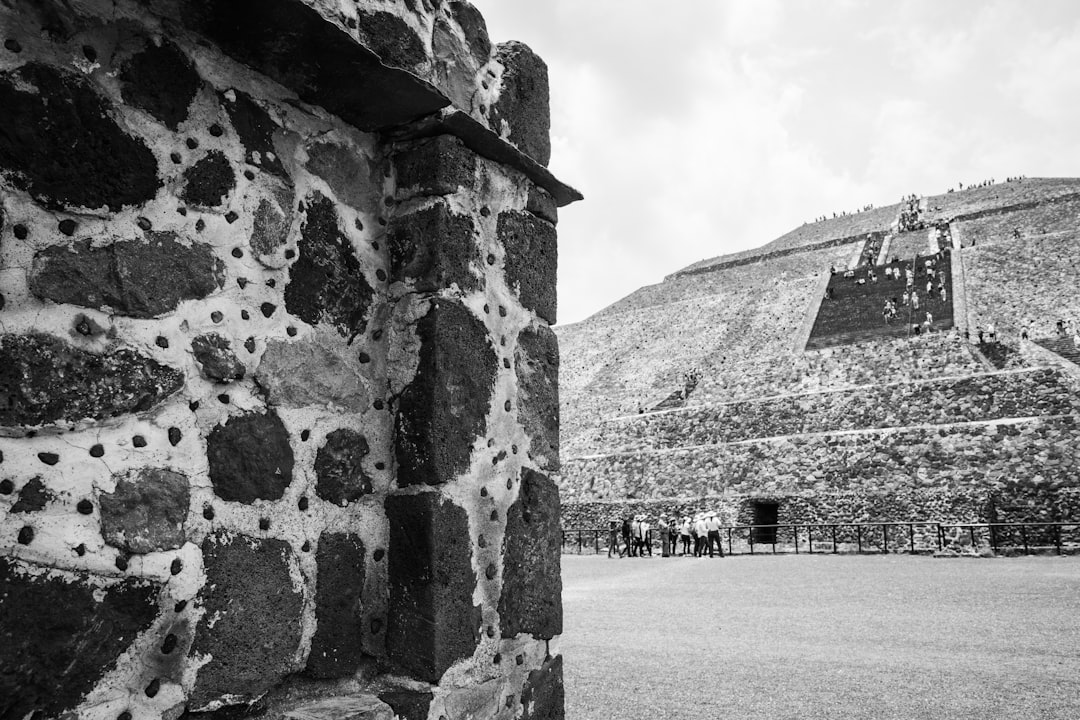
Teotihuacan, an ancient Mesoamerican city located in the Basin of Mexico, represents one of the most significant archaeological sites globally. The city flourished between the first and seventh centuries CE, functioning as a major urban center with a diverse population engaged in trade, agriculture, and religious activities. The name “Teotihuacan” derives from Nahuatl, meaning “the place where the gods were created,” indicating its religious importance to Mesoamerican cultures.
At its peak around 450-600 CE, Teotihuacan was among the world’s largest cities, with an estimated population between 100,000 and 200,000 inhabitants. The site features monumental architecture including the Pyramid of the Sun, Pyramid of the Moon, and the Temple of Quetzalcoatl, along with extensive residential complexes and elaborate murals. The origins and ethnic identity of Teotihuacan’s inhabitants remain subjects of ongoing archaeological investigation.
Evidence indicates the city attracted populations from various Mesoamerican regions, creating a cosmopolitan urban environment. Archaeological findings suggest cultural influences from multiple civilizations, including possible connections to the Zapotec, Maya, and other contemporary groups. The city’s decline began in the 6th century CE, with evidence of burning and destruction in certain areas around 550-650 CE.
Proposed explanations for the collapse include internal social conflicts, climate change, resource depletion, and external invasions, though no single cause has been definitively established. Teotihuacan’s urban planning, artistic achievements, and cultural influence extended throughout Mesoamerica, making it a crucial site for understanding pre-Columbian civilization in the Americas.
Key Takeaways
- Teotihuacan’s city grid exemplifies advanced urban planning and engineering from ancient Mesoamerica.
- The city’s layout integrates astronomy and sacred geometry, reflecting cultural and religious significance.
- Sophisticated water management systems supported the city’s large population and agricultural needs.
- Construction techniques utilized locally sourced materials and innovative methods for durability.
- Teotihuacan’s design principles continue to influence modern urban planning and preservation efforts.
The City Grid Layout
The layout of Teotihuacan is a remarkable example of urban planning that reflects both functionality and aesthetic appeal. The city is organized around a central axis known as the Avenue of the Dead, which stretches for over two kilometers and serves as the main thoroughfare. This grand avenue is flanked by impressive structures, including the Pyramid of the Moon and the Pyramid of the Sun, which dominate the skyline and serve as focal points for both religious and civic activities.
The grid-like arrangement of streets and buildings demonstrates a sophisticated understanding of spatial organization, allowing for efficient movement and access throughout the city. In addition to its practical design, the city grid of Teotihuacan also embodies a sense of order and harmony. The careful alignment of structures along cardinal directions suggests that the city’s planners were influenced by cosmological beliefs, integrating their understanding of the universe into the very fabric of urban life.
The layout not only facilitated daily activities but also reinforced social hierarchies and communal identity. As visitors traverse the ancient pathways, they can sense the deliberate intention behind each corner and intersection, revealing a civilization that valued both structure and symbolism in its urban environment.
Engineering and Design Principles
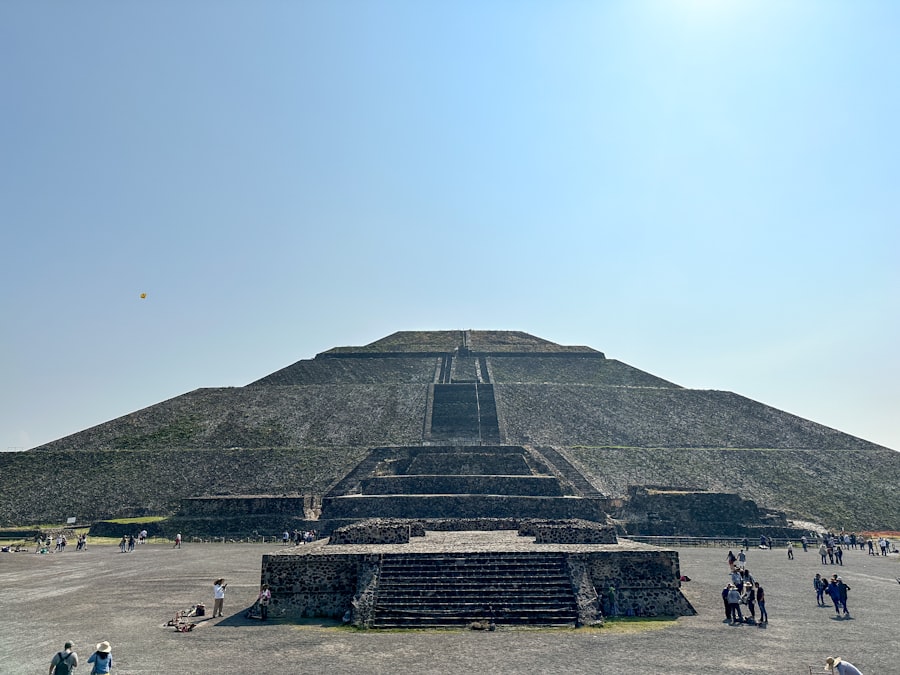
The engineering principles employed in Teotihuacan’s construction are a testament to the advanced knowledge possessed by its builders. The city’s architects utilized a combination of local materials and innovative techniques to create structures that have withstood the test of time. The use of volcanic stone, clay, and adobe allowed for durable construction while also providing thermal insulation, essential for coping with the region’s temperature fluctuations.
The careful selection of materials reflects an understanding of both environmental conditions and architectural aesthetics. Moreover, the design principles evident in Teotihuacan’s buildings showcase a remarkable blend of functionality and artistry. Structures were often adorned with intricate carvings and vibrant murals that depicted religious themes, daily life, and cosmological beliefs.
This attention to detail not only enhanced the visual appeal of the city but also served to communicate cultural narratives to both residents and visitors. The integration of art into architecture exemplifies how engineering was not merely about creating functional spaces but also about expressing identity and spirituality within the urban landscape.
Water Management System
One of the most impressive aspects of Teotihuacan’s urban infrastructure is its sophisticated water management system. Given the arid climate of central Mexico, effective water management was crucial for sustaining the city’s large population. The inhabitants developed an intricate network of canals, reservoirs, and drainage systems that allowed them to collect and distribute water efficiently.
These systems not only provided essential resources for drinking and agriculture but also played a vital role in preventing flooding during heavy rains. The engineering behind this water management system reflects a deep understanding of hydrology and environmental management. Canals were strategically designed to channel rainwater from surrounding mountains into reservoirs, ensuring a reliable water supply throughout the year.
Additionally, the use of terracing in agricultural practices maximized water retention in fields, allowing for more productive farming despite challenging climatic conditions. This innovative approach to water management highlights how Teotihuacan’s inhabitants adapted to their environment while fostering a sustainable urban ecosystem.
Urban Planning and Social Organization
| Metric | Value | Description |
|---|---|---|
| City Grid Orientation | 15.5° east of north | Unique alignment of the city grid relative to cardinal directions |
| Main Avenue Length | 2.5 km | Length of the Avenue of the Dead, the central axis of the city |
| Grid Block Size | 100 m x 100 m | Approximate size of individual city blocks within the grid |
| Number of Residential Compounds | 200+ | Estimated number of multi-family residential compounds |
| Water Management Structures | Multiple | Includes canals, reservoirs, and drainage systems integrated into the grid |
| Population Estimate | 125,000 – 200,000 | Estimated population supported by the city grid and infrastructure |
| Construction Material | Volcanic stone and adobe | Primary materials used in building the grid’s structures |
| Engineering Precision | High | Advanced planning and execution evident in the grid layout and construction |
Teotihuacan’s urban planning reveals much about its social organization and cultural values. The city’s layout was not only functional but also indicative of a hierarchical society where different neighborhoods served distinct purposes. Residential areas were often organized based on social status, with elite classes residing near important religious sites while commoners lived further away.
This spatial arrangement reflects a clear social stratification that was integral to Teotihuacan’s identity. Moreover, communal spaces such as plazas played a crucial role in fostering social cohesion among residents. These open areas served as venues for markets, festivals, and religious ceremonies, reinforcing community bonds and shared cultural practices.
The careful planning of these spaces demonstrates an understanding of social dynamics and the importance of public life in maintaining a vibrant urban environment. As such, Teotihuacan stands as an early example of how urban planning can shape social interactions and community identity.
Construction Techniques and Materials
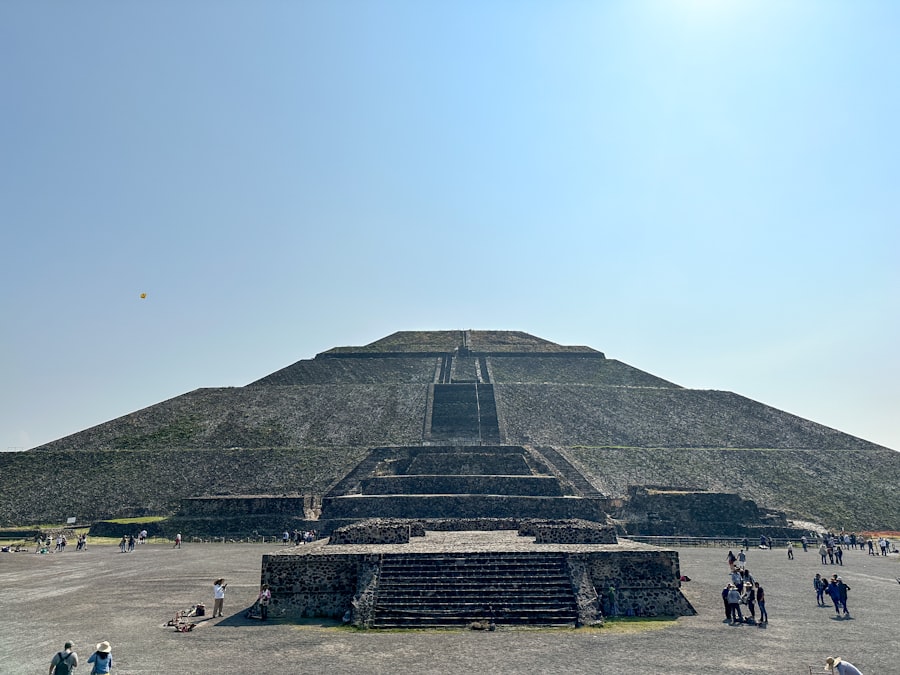
The construction techniques employed by Teotihuacan’s builders are noteworthy for their ingenuity and adaptability. The use of locally sourced materials such as basalt, clay, and volcanic rock allowed for efficient building practices while minimizing transportation costs. Builders utilized a technique known as “talud-tablero,” characterized by sloping walls (talud) topped with vertical panels (tablero), which provided structural stability while creating visually striking facades.
In addition to these techniques, the builders demonstrated remarkable skill in masonry and craftsmanship. Walls were often constructed with precision-cut stones that fit together seamlessly without the use of mortar, showcasing an advanced understanding of structural integrity. This method not only enhanced durability but also allowed for intricate designs to be incorporated into the architecture.
The combination of innovative techniques and high-quality materials contributed to the longevity of Teotihuacan’s structures, many of which still stand today as enduring symbols of ancient engineering prowess.
Astronomy and Sacred Geometry
Astronomy played a significant role in shaping Teotihuacan’s urban design and cultural practices. The alignment of buildings and streets often reflected celestial events, indicating that the city’s planners possessed a sophisticated understanding of astronomical phenomena. For instance, the Pyramid of the Sun is aligned with the setting sun during specific solstices, suggesting that it held particular significance in religious rituals tied to solar worship.
Sacred geometry also influenced the layout of Teotihuacan, with many structures embodying mathematical principles that reflect cosmic order. The use of specific ratios and proportions in building design not only enhanced aesthetic appeal but also conveyed deeper spiritual meanings related to creation myths and cosmology. This integration of astronomy and geometry into urban planning underscores how Teotihuacan’s inhabitants viewed their city as a microcosm of the universe, where earthly existence was intricately connected to celestial forces.
Preservation and Restoration Efforts
In recent decades, significant efforts have been made to preserve and restore Teotihuacan’s archaeological treasures. As one of Mexico’s most important cultural heritage sites, it attracts millions of visitors each year who come to marvel at its ancient wonders. However, exposure to environmental factors such as erosion, pollution, and tourism-related wear has posed challenges to preservation efforts.
Archaeologists and conservationists have worked diligently to implement strategies aimed at safeguarding these invaluable structures for future generations. Restoration projects have focused on stabilizing deteriorating buildings while maintaining their historical integrity. Techniques such as careful excavation, documentation, and reconstruction have been employed to ensure that any interventions respect the original materials and construction methods used by ancient builders.
Additionally, educational programs aimed at raising awareness about Teotihuacan’s significance have been developed to foster appreciation among visitors and locals alike. These combined efforts reflect a commitment to preserving not only the physical remnants of Teotihuacan but also its cultural legacy.
Influence on Modern Urban Planning
Teotihuacan’s innovative urban design has left an indelible mark on modern urban planning practices around the world. The city’s grid layout serves as an early example of organized urban space that prioritizes accessibility and functionality—principles that continue to inform contemporary city planning. Urban planners today often draw inspiration from Teotihuacan’s integration of public spaces with residential areas, recognizing the importance of fostering community interaction within urban environments.
Furthermore, Teotihuacan’s approach to water management has influenced modern sustainable practices in arid regions.
As cities around the globe grapple with challenges related to population growth and environmental sustainability, lessons from Teotihuacan’s ancient practices remain relevant in shaping future urban landscapes.
Legacy of Teotihuacan’s City Grid
The legacy of Teotihuacan’s city grid extends far beyond its physical boundaries; it represents a profound understanding of human organization within an urban context. The principles established by its builders continue to resonate in discussions about urban development today. As cities evolve in response to changing demographics and environmental challenges, the lessons learned from Teotihuacan’s design can inform strategies aimed at creating more livable, sustainable communities.
Moreover, Teotihuacan’s enduring influence can be seen in various aspects of modern culture—from art and architecture to literature and philosophy. The city’s rich history serves as a source of inspiration for artists seeking to capture its essence while scholars continue to explore its mysteries through research and excavation. In this way, Teotihuacan remains not only a site of archaeological significance but also a symbol of human creativity and resilience throughout history.
The Enduring Impact of Teotihuacan’s Engineering Marvel
In conclusion, Teotihuacan stands as an enduring testament to human ingenuity and creativity in urban planning and engineering. Its sophisticated city grid layout, innovative construction techniques, and advanced water management systems reflect a civilization that thrived through collaboration and adaptation to its environment. As modern societies grapple with complex challenges related to urbanization and sustainability, they can draw valuable lessons from Teotihuacan’s legacy.
The impact of this ancient city extends beyond its physical remnants; it continues to inspire contemporary thought on community organization, environmental stewardship, and cultural identity. As preservation efforts ensure that future generations can experience Teotihuacan’s wonders firsthand, its story will undoubtedly remain woven into the fabric of human history—a reminder that even in antiquity, people sought harmony between their built environment and their natural surroundings.
The layout of the city, with its wide avenues and carefully aligned structures, reflects a sophisticated understanding of spatial organization. For further insights into the architectural and engineering marvels of Teotihuacan, you can explore a related article that delves into the intricacies of its design and construction. Check it out here: