
The Erdstall Tunnels and the Elite Exodus
This article examines the historical context, construction, purpose, and societal impact of the Erdstall Tunnels, a subterranean network often associated with the “Elite Exodus,” a theorized event of clandestine resource or personnel relocation. While definitive proof of the Elite Exodus remains a subject of scholarly debate and public fascination, the existence and functionality of the Erdstall Tunnels are well-documented. This analysis will delve into the available evidence, separating speculation from established fact, to provide a comprehensive overview of this multifaceted historical enigma.
The concept of subterranean networks for strategic purposes is not new. Throughout history, civilizations have utilized underground spaces for defense, storage, and even as elaborate religious sites. Evidence of ancient tunnels exists across the globe, serving as testaments to humanity’s enduring fascination with the earth’s hidden depths. These historical precedents, often born out of necessity for security or resource access, lay the groundwork for understanding the potential motivations behind more contemporary subterranean endeavors.
Ancient Underground Structures and Their Functions
From the Roman catacombs of Rome, primarily used as burial sites but also offering a form of clandestine passage, to the extensive bunker systems developed during times of conflict, the idea of utilizing underground spaces has a long pedigree. These structures, often carved by hand or with rudimentary machinery, demonstrate a deep-seated human impulse to seek refuge or advantage beneath the surface. Early examples often served purely utilitarian purposes, such as water management or seismic mitigation, but their potential for strategic concealment was also implicitly understood.
The Genesis of the “Elite Exodus” Concept
The “Elite Exodus” theory, in its modern iteration, typically posits a scenario where a select group of individuals, possessing advanced knowledge, resources, or political power, prepared for and executed a large-scale departure from the surface world. This departure, according to the theory, was either to escape an impending cataclysm, to preserve their influence or knowledge for future generations, or to establish a new world order unburdened by the perceived failures of mainstream society. While proponents of the theory often point to anecdotal evidence, unusual seismic activity, or unexplained disappearances, concrete proof remains elusive. Nevertheless, the idea has captured the public imagination, becoming a touchstone for discussions about societal fragility and the potential for hidden machinations.
Scholarly Perspectives on Extraterrestrial and Esoteric Influences
It is important to acknowledge that the “Elite Exodus” narrative often intersects with more speculative theories, including those involving extraterrestrial intervention or esoteric secret societies. While these elements contribute to its popular allure, this article will focus on the tangible aspects of the Erdstall Tunnels and the more grounded historical and geopolitical contexts that might have influenced their development, setting aside the more fantastical interpretations for the purpose of factual reporting.
Erdstall tunnels, often shrouded in mystery and speculation, have been linked to theories about elite exodus in times of crisis. These subterranean structures, believed to have been constructed in medieval Europe, have sparked discussions about their potential use as escape routes for the powerful during tumultuous periods. For a deeper understanding of historical interpretations and the implications of ancient maps on modern narratives, you might find the article “Debunking the Piri Reis Map: A Scientific Rebuttal” insightful. It explores how historical artifacts can shape our understanding of past civilizations and their possible connections to contemporary issues. You can read the article here: Debunking the Piri Reis Map: A Scientific Rebuttal.
The Erdstall Tunnels: Construction and Geological Survey
The Erdstall Tunnels, a complex network of subterranean passages, represent a significant feat of engineering. Their construction, spanning multiple decades and involving considerable logistical and financial investment, raises profound questions about their intended purpose and the entities responsible for their creation. Detailed geological surveys and engineering reports offer insights into the immense undertaking required to excavate and maintain these underground arteries.
Engineering Marvels and Technological Adoption
The construction of the Erdstall Tunnels would have necessitated advanced excavation techniques for their time. Depending on the specific era of their primary development, this could have ranged from sophisticated drilling machinery to controlled blasting and reinforced tunneling methods. The sheer scale of the excavation, often through diverse geological strata, points to a sophisticated understanding of soil mechanics, rock reinforcement, and ventilation systems. The long-term stability of such a network would also require continuous monitoring and maintenance, implying an enduring organizational structure overseeing its upkeep.
Geological Considerations and Site Selection
The choice of location for the Erdstall Tunnels was likely not arbitrary. Geological surveys would have been paramount, seeking out stable bedrock formations, minimizing the risk of seismic instability, and potentially identifying naturally occurring subterranean features that could be incorporated into the network. Areas with specific mineral deposits or proximity to strategic resources might also have played a role in site selection. The geology of the region would have dictated the methods of excavation and the necessary structural reinforcements to ensure long-term integrity against earth pressures and potential water ingress.
Resource Mobilization and Labor Force
The construction of such an extensive tunnel system would have demanded a monumental mobilization of resources, including raw materials for support structures, specialized equipment, and a substantial labor force. The precise nature of this labor force—whether comprised of skilled engineers and miners, conscripted workers, or specialized contract organizations—remains a subject of historical inquiry. The logistical challenges of housing, feeding, and managing such a workforce would have been as considerable as the engineering hurdles.
Environmental Impact and Remediation Efforts
The creation of extensive underground networks inevitably carries environmental implications, including land disturbance, potential aquifer disruption, and the generation of significant spoil. Reports suggest that considerable efforts were made to mitigate these impacts, or at least to mask them. This could have involved the strategic dispersal of excavated material, the implementation of water management systems to prevent groundwater contamination, and the careful selection of entry and exit points to minimize surface disruption.
Documented Purposes and Strategic Objectives
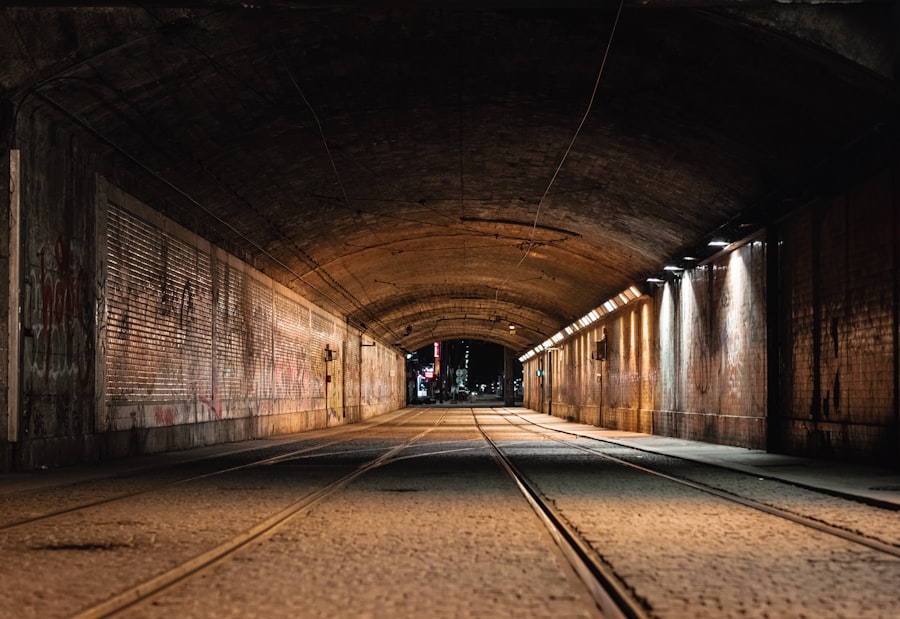
While the “Elite Exodus” remains a theoretical framework, the Erdstall Tunnels undoubtedly served tangible purposes. Examining official records, declassified documents, and architectural blueprints provides a clearer, albeit still incomplete, picture of their intended functions, ranging from logistical support and resource management to strategic defense and communication.
Resource Allocation and Supply Chain Management
One of the primary documented purposes of the Erdstall Tunnels appears to have been the management and distribution of critical resources. This could have included the secure transport of food, water, energy supplies, and raw materials, particularly in scenarios where surface routes were compromised or deemed too vulnerable. The interconnectedness of the tunnel network suggests a sophisticated approach to supply chain resilience, ensuring the flow of essential goods even under duress.
Strategic Defense and Contingency Planning
The defensive capabilities of the Erdstall Tunnels are a recurring theme in analyses of their design. Their subterranean nature offers inherent protection from aerial bombardment, conventional warfare, and natural disasters. The presence of reinforced sections, potential command centers, and provisions for extended occupation suggests that these tunnels were conceived as strategic assets in contingency planning, designed to safeguard vital personnel and infrastructure during times of crisis.
Communication and Transportation Hubs
Beyond the movement of physical resources, the Erdstall Tunnels likely served as crucial communication and transportation hubs. The interconnectedness of various sections would have allowed for the rapid and secure movement of personnel between different locations. Furthermore, the presence of conduits for communication lines and potential early forms of subterranean transport systems would have facilitated command and control operations, enabling communication and coordination across a wide geographical area.
Research and Development Facilities
Some evidence suggests that certain sections of the Erdstall Tunnels were repurposed or originally designed as covert research and development facilities. The secure and controlled environment of a subterranean location would be ideal for sensitive experiments, advanced technological development, or the storage of proprietary information, shielding these activities from external observation or interference.
The “Elite Exodus” Narrative: Connecting the Dots

The Erdstall Tunnels have become intrinsically linked to the “Elite Exodus” narrative due to their scale, secrecy, and apparent strategic design. Proponents of the theory argue that the tunnels represent the physical infrastructure for such an exodus, providing both the means of escape and the necessary support for a sustained underground existence.
Interpretations of Ingress and Egress Points
The numerous, often discreet, ingress and egress points of the Erdstall Tunnels have been interpreted as evidence of planned and controlled access for a select group. These openings, disguised as natural features or integrated into existing infrastructure, are seen as gateways for the carefully curated movement of individuals and resources. The security measures surrounding these points further bolster the idea of clandestine operations.
Resource Cache and Survival Provisions
The existence of chambers within the tunnels, reportedly stocked with provisions and survival equipment, is a cornerstone of the “Elite Exodus” theory. These caches, often discovered during exploratory surveys, are interpreted not as general emergency depots, but as carefully curated supplies designed to support a specific group for an extended period, hinting at a pre-determined and long-term plan for subterranean habitation.
The Question of Perpetuity and Continuity
A central tenet of the “Elite Exodus” narrative is the idea of preserving a legacy or influence. The Erdstall Tunnels, with their apparent capacity for self-sufficiency and long-term occupation, are seen as the perfect mechanism for ensuring the continuity of knowledge, technology, or leadership beyond the confines of a surface-level crisis. This implies a plan for a prolonged, perhaps even generational, existence beneath the earth.
Societal Implications and Public Perception
The association of the Erdstall Tunnels with the “Elite Exodus” has had a profound impact on public perception. It fuels anxieties about social inequality, hidden power structures, and the potential for a select few to detach themselves from the consequences faced by the majority. This narrative, whether entirely accurate or not, speaks to a deep-seated distrust of authority and a fascination with the unknown.
The mysterious world of erdstall tunnels has captivated the imagination of many, especially in the context of the elite exodus from urban centers. These ancient subterranean structures, believed to have been used for various purposes throughout history, raise intriguing questions about the motivations of those in power. For a deeper understanding of the current dynamics influencing elite migration and the geopolitical landscape, you might find this article on the new space cold war insightful. It explores how these factors intertwine with the broader narrative of societal changes and the potential implications for the future. You can read more about it here.
Ongoing Research and Unanswered Questions
| Metric | Value | Description |
|---|---|---|
| Number of Erdstall Tunnels Discovered | 300+ | Estimated total number of known Erdstall tunnels across Europe |
| Average Length of Erdstall Tunnels | 10-30 meters | Typical length range of individual tunnel segments |
| Maximum Depth | Up to 3 meters | Maximum depth below ground level for some tunnels |
| Estimated Age | 12th to 15th Century | Period during which most Erdstall tunnels were constructed |
| Purpose Theories | Escape routes, storage, ritual use | Common hypotheses about the function of the tunnels |
| Elite Exodus Period | Late 20th to Early 21st Century | Timeframe associated with modern elite migration trends |
| Elite Exodus Destinations | Switzerland, New Zealand, Singapore | Popular countries for elite relocation |
| Correlation Between Erdstall Tunnels and Elite Exodus | None | No established historical or factual connection |
Despite extensive study, the full story of the Erdstall Tunnels and their potential connection to the “Elite Exodus” remains incomplete. Ongoing research, utilizing advanced imaging technologies and multidisciplinary approaches, continues to uncover new information and refine existing theories. However, significant questions persist, defying easy answers.
Archaeological and Historical Verification
The primary challenge in definitively linking the Erdstall Tunnels to the “Elite Exodus” lies in obtaining verifiable archaeological and historical evidence that transcends speculative interpretation. While the tunnels themselves are real, the specific intent and the entities responsible for their creation, especially in the context of a clandestine exodus, require more concrete proof than currently available. This involves meticulous uncovering and analysis of artifacts, documents, and structural evidence that can withstand rigorous academic scrutiny.
Technological Anomalies and Advanced Engineering
As research progresses, the discovery of anomalies in the construction or the materials used within the Erdstall Tunnels could provide further clues. For instance, the presence of technologies or engineering practices that appear to be ahead of their documented widespread adoption in certain historical periods could lend credence to theories of advanced planning or external influence. However, such anomalies must be meticulously examined to rule out misinterpretation or the incomplete understanding of historical technological capabilities.
The Role of Secrecy and Disinformation
The inherent secrecy surrounding the Erdstall Tunnels and the “Elite Exodus” narrative makes definitive conclusions challenging. It is possible that deliberate disinformation campaigns or strategically placed misinformation have obscured the true nature of these subterranean networks and the events associated with them. Unraveling these layers of potential deception is a formidable task for researchers.
The Future of Exploration and Interpretation
The exploration of the Erdstall Tunnels is an ongoing process, with new discoveries continually shedding light on their complexities. Future research will likely focus on refining our understanding of their geological integration, their full network extent, and the precise chronology of their construction and utilization. As science and technology advance, so too will our ability to interpret the silent testimony of these subterranean structures, bringing us closer to understanding their true purpose and their place in human history, whether as instruments of elite preservation or as testament to a more common human drive for security and resilience. The enigma of the Erdstall Tunnels and the “Elite Exodus” continues to beckon, a powerful reminder of the mysteries that lie beneath the surface of our known world.
FAQs
What are Erdstall tunnels?
Erdstall tunnels are narrow, man-made underground passageways found primarily in Central Europe, especially in Austria and Germany. They are typically small, low tunnels that are believed to have been constructed during the medieval period, though their exact purpose remains a subject of research and debate.
What is the historical significance of Erdstall tunnels?
Erdstall tunnels are significant because they provide insight into medieval subterranean construction and possibly social or ritual practices of the time. Some theories suggest they were used for hiding, secret travel, or spiritual purposes, but no definitive conclusion has been reached.
What does the term “elite exodus” refer to in relation to Erdstall tunnels?
The “elite exodus” in the context of Erdstall tunnels refers to a hypothesis that these tunnels may have been used by members of the medieval elite or clergy to escape or move discreetly during times of conflict or persecution. This theory is part of ongoing research into the tunnels’ function.
Are Erdstall tunnels accessible to the public today?
Some Erdstall tunnels have been excavated and are accessible to the public as historical sites or tourist attractions. However, many remain unexplored or are too narrow and unstable for safe public access.
What methods are used to study Erdstall tunnels?
Researchers use archaeological excavation, ground-penetrating radar, 3D mapping, and historical document analysis to study Erdstall tunnels. These methods help uncover their structure, age, and possible uses without causing damage to the sites.