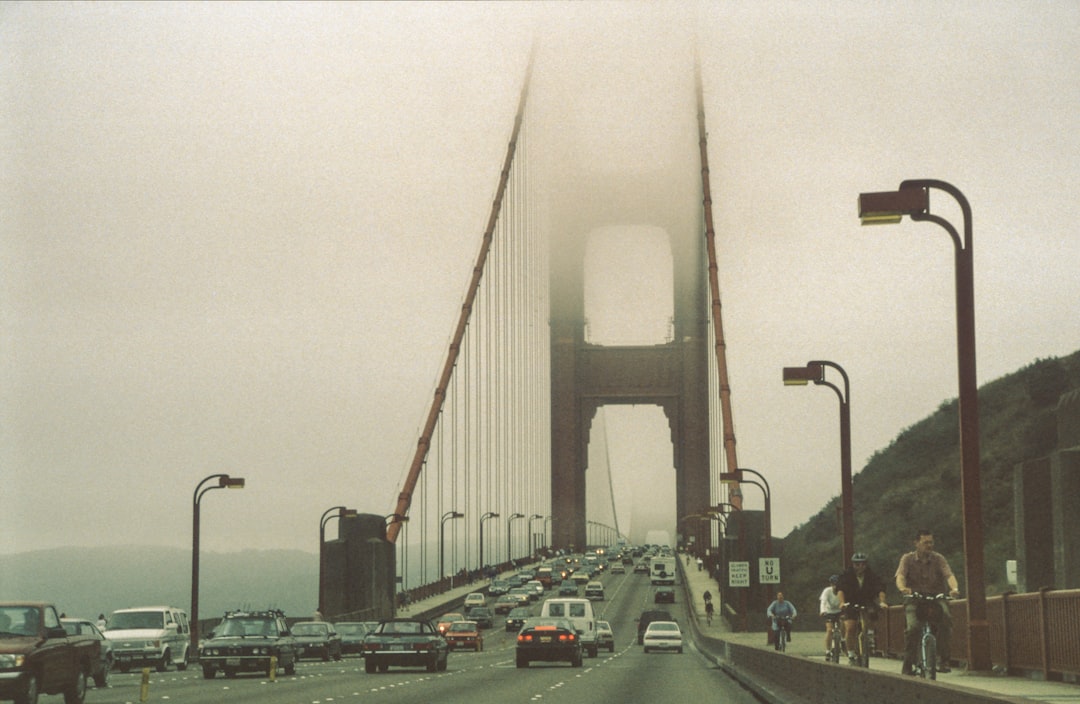
In recent years, San Francisco has experienced a significant population decline, with data showing a measurable outmigration of residents. This demographic shift represents a reversal from the city’s previous status as a center for technology innovation and economic opportunity. The migration pattern appears to be sustained rather than temporary, indicating structural issues affecting the city’s livability and appeal.
Statistical evidence shows that departing residents are relocating to metropolitan areas with lower costs of living and different quality-of-life metrics. Multiple factors contribute to this population movement, including economic pressures, housing affordability, and urban management challenges.
The city faces documented issues with public infrastructure, safety concerns, and homelessness that impact resident satisfaction. These practical considerations have increasingly outweighed the benefits of the city’s cultural amenities and employment opportunities for many households making relocation decisions.
Key Takeaways
- High cost of living and housing shortages are major factors driving residents to leave San Francisco.
- Traffic congestion and long commutes contribute to declining quality of life in the city.
- The COVID-19 pandemic accelerated remote work trends, influencing the exodus.
- Concerns about crime and safety have increased, affecting residents’ decisions to stay or leave.
- Despite challenges, San Francisco continues to offer strong job opportunities and cultural vibrancy.
Cost of Living in San Francisco
One of the most pressing issues driving residents away from San Francisco is the exorbitant cost of living. The city consistently ranks among the most expensive places to live in the United States, with housing prices, groceries, and everyday expenses soaring to unprecedented levels. For many, the dream of living in this iconic city has become a financial nightmare, forcing them to reconsider their options.
The high cost of living is not just a statistic; it translates into real-life struggles for families trying to make ends meet. As housing prices continue to climb, many residents find themselves spending an overwhelming portion of their income on rent or mortgages. This financial strain often leads to difficult choices, such as sacrificing quality of life or moving to less desirable neighborhoods.
The burden of high living costs has prompted many to seek more affordable alternatives in nearby cities or even states, where they can enjoy a better standard of living without the constant stress of financial instability. The stark contrast between San Francisco’s cost of living and that of other regions has become a significant factor in the ongoing exodus.
Housing Crisis in San Francisco

The housing crisis in San Francisco is a critical component of the city’s challenges, exacerbating the already high cost of living. With a limited supply of affordable housing options, many residents find themselves trapped in a cycle of escalating rents and dwindling availability. The demand for housing far outstrips supply, leading to fierce competition among prospective tenants and buyers alike.
This situation has created an environment where even middle-class families struggle to secure adequate housing. The city’s zoning laws and regulations have often been cited as obstacles to addressing the housing crisis effectively. Efforts to increase the availability of affordable housing have faced significant pushback from various stakeholders, including neighborhood associations and local governments.
As a result, many residents are left with few options, leading them to seek refuge in suburban areas or other cities where housing is more accessible. The ongoing housing crisis not only impacts individual families but also poses broader implications for the city’s economy and social fabric.
Traffic and Commute Issues
Another factor contributing to the exodus from San Francisco is the city’s notorious traffic congestion and commute issues. As more people flock to the Bay Area for work opportunities, the strain on transportation infrastructure has become increasingly evident. Commuters often face long hours stuck in traffic, leading to frustration and diminished quality of life.
The daily grind of navigating congested roads can take a toll on mental health and overall well-being. Public transportation options, while available, have not always been reliable or efficient enough to alleviate these concerns. Many residents find themselves relying on personal vehicles, further exacerbating traffic woes.
The combination of long commutes and limited public transit options has prompted some individuals to seek employment opportunities in areas with better transportation infrastructure or more manageable commute times. As people prioritize their time and well-being, the desire for a more convenient lifestyle has become a significant motivator for leaving San Francisco.
Quality of Life Concerns
| Reason | Percentage of Respondents | Description |
|---|---|---|
| High Cost of Living | 45% | Rising housing prices and general expenses make it difficult to afford living in the city. |
| Crime and Safety Concerns | 30% | Increased crime rates and perception of unsafe neighborhoods drive residents away. |
| Homelessness | 25% | Visible homelessness and related social issues impact quality of life. |
| Remote Work Opportunities | 20% | More companies allowing remote work reduce the need to live in the city. |
| Traffic and Transportation | 15% | Congestion and public transit challenges make commuting difficult. |
| Quality of Life | 10% | Desire for more space, quieter neighborhoods, and better schools. |
Quality of life is a crucial consideration for anyone contemplating a move, and for many former San Francisco residents, this aspect has become increasingly problematic. Issues such as homelessness, litter, and public safety have cast a shadow over the city’s once-glorious reputation. While San Francisco has long been celebrated for its cultural diversity and vibrant arts scene, these qualities have been overshadowed by growing concerns about urban decay and social challenges.
The visible presence of homelessness in particular has become a contentious issue for residents. Many feel that the city’s response to this crisis has been inadequate, leading to feelings of frustration and helplessness among those who care about their community. As quality of life continues to decline in certain areas, individuals are left questioning whether they can continue to call San Francisco home.
This search for a better quality of life has driven many to explore other cities that offer a more appealing environment.
Job Opportunities and Career Growth
While San Francisco remains a hub for technology and innovation, job opportunities are not as abundant as they once were. The competitive job market can be daunting for job seekers, particularly those who may not possess specialized skills in high demand within the tech industry. As companies adapt to changing economic conditions and remote work trends, some individuals find themselves reassessing their career prospects within the city.
Moreover, the rise of remote work has opened up new possibilities for professionals who no longer need to be tethered to a specific location for employment. Many individuals are now seeking job opportunities in cities with lower costs of living while still maintaining their careers in tech or other industries. This shift has led to an increased interest in relocating to areas that offer both professional growth and a more affordable lifestyle.
As workers prioritize flexibility and work-life balance, the traditional allure of San Francisco as a career destination is being challenged.
Impact of the COVID-19 Pandemic
The COVID-19 pandemic has had a profound impact on urban living across the globe, and San Francisco is no exception. The sudden shift to remote work forced many residents to reevaluate their living situations and priorities. With the ability to work from anywhere, individuals began exploring options outside the city limits, seeking homes that offered more space and affordability without sacrificing career opportunities.
As businesses adapted to new realities during the pandemic, some companies announced permanent remote work policies, further encouraging employees to consider relocating. The pandemic highlighted the importance of personal space and access to outdoor areas—factors that many found lacking in densely populated urban environments like San Francisco. Consequently, this shift in perspective has contributed significantly to the ongoing exodus as people seek homes that better align with their evolving lifestyles.
Education and Schooling
Education is often a top priority for families when considering relocation, and San Francisco’s educational landscape presents both opportunities and challenges. While the city boasts several prestigious schools and universities, concerns about public education quality have led some families to seek alternatives elsewhere. Issues such as overcrowded classrooms, funding disparities, and varying school performance ratings have prompted parents to explore options in neighboring regions known for their strong educational systems.
Additionally, the rising cost of living can make it difficult for families to afford private schooling or even access quality public education within their neighborhoods. As parents weigh their options, they may find that other cities offer not only more affordable housing but also better educational opportunities for their children. This search for quality education plays a significant role in driving families away from San Francisco as they prioritize their children’s future.
Crime and Safety
Concerns about crime and safety have also emerged as significant factors influencing residents’ decisions to leave San Francisco. While crime rates fluctuate over time, many residents have expressed feelings of insecurity regarding property crimes and violent incidents in certain neighborhoods. The perception of safety can greatly impact one’s overall quality of life; thus, when individuals feel unsafe in their own communities, it becomes increasingly difficult to justify remaining in such an environment.
The city’s response to crime has been met with mixed reviews from residents who feel that more needs to be done to address these issues effectively. As safety concerns mount, some individuals are opting for suburban or rural areas where they perceive lower crime rates and greater community cohesion. This desire for safety is not merely about personal comfort; it reflects a broader longing for stability and peace in one’s living environment.
Cultural and Social Shifts
San Francisco’s cultural landscape has undergone significant changes over recent years, leading some residents to feel disconnected from the city they once loved. The influx of tech workers has transformed neighborhoods that were once characterized by diverse communities into areas dominated by corporate interests. This shift has raised concerns about gentrification and its impact on local culture, leading some long-time residents to feel alienated from their own neighborhoods.
As social dynamics evolve within the city, many individuals are seeking places where they can connect with like-minded communities that reflect their values and interests. This search for cultural authenticity has prompted some former residents to explore cities that offer vibrant arts scenes or strong community ties—elements they feel are diminishing in San Francisco’s rapidly changing landscape.
Conclusion and Future of San Francisco
The exodus from San Francisco represents a complex interplay of economic pressures, quality-of-life concerns, and shifting cultural dynamics. As residents grapple with rising costs, housing shortages, traffic woes, safety issues, and educational challenges, many are left questioning whether their beloved city can adapt to meet their needs moving forward. While San Francisco remains an iconic destination with much to offer, it must confront these challenges head-on if it hopes to retain its residents.
Looking ahead, the future of San Francisco will depend on its ability to address these pressing issues while fostering an environment that encourages growth and inclusivity. By prioritizing affordable housing initiatives, improving public safety measures, enhancing transportation infrastructure, and investing in education, the city can work towards creating a more sustainable future for its residents. Ultimately, whether San Francisco can reclaim its status as a desirable place to live will hinge on its responsiveness to the evolving needs of its community amidst an ever-changing landscape.
Many people are leaving San Francisco due to a combination of high living costs, remote work flexibility, and concerns about safety. A related article that delves deeper into these issues can be found here: Why People Are Leaving San Francisco.
WATCH THIS! 🚨 Chicago’s Fiscal Cliff: Why America’s First City Is About to Fall
FAQs
Why are people leaving San Francisco?
Many people are leaving San Francisco due to high living costs, including expensive housing and rent, as well as concerns about safety, homelessness, and quality of life.
How has the cost of living in San Francisco affected residents?
San Francisco has one of the highest costs of living in the United States, with housing prices and rents significantly above the national average, making it difficult for many residents to afford living in the city.
Is crime a factor in people leaving San Francisco?
Yes, concerns about rising crime rates and public safety have contributed to some residents deciding to move away from San Francisco.
How has the COVID-19 pandemic influenced migration patterns in San Francisco?
The COVID-19 pandemic accelerated remote work trends, allowing many people to relocate from San Francisco to more affordable areas while maintaining their jobs.
Are there economic reasons behind the population decline in San Francisco?
Economic factors such as job market shifts, high taxes, and the cost of doing business have influenced some companies and workers to leave San Francisco.
What impact does homelessness have on the decision to leave San Francisco?
The visible homelessness crisis and related social challenges have affected residents’ perceptions of the city, contributing to decisions to move elsewhere.
Is the population decline in San Francisco a recent trend?
Yes, San Francisco has experienced population decline in recent years, particularly since the onset of the COVID-19 pandemic, reversing previous growth trends.
Are people moving to specific areas after leaving San Francisco?
Many former San Francisco residents are relocating to more affordable cities and suburbs in California and other states, such as Austin, Seattle, and Los Angeles.
What is the city government doing to address the reasons people are leaving?
San Francisco city officials have implemented various initiatives to tackle housing affordability, homelessness, and public safety, aiming to improve living conditions and retain residents.
Will the trend of people leaving San Francisco continue?
While some factors driving people away may persist, changes in economic conditions, housing policies, and public safety efforts could influence future migration trends.