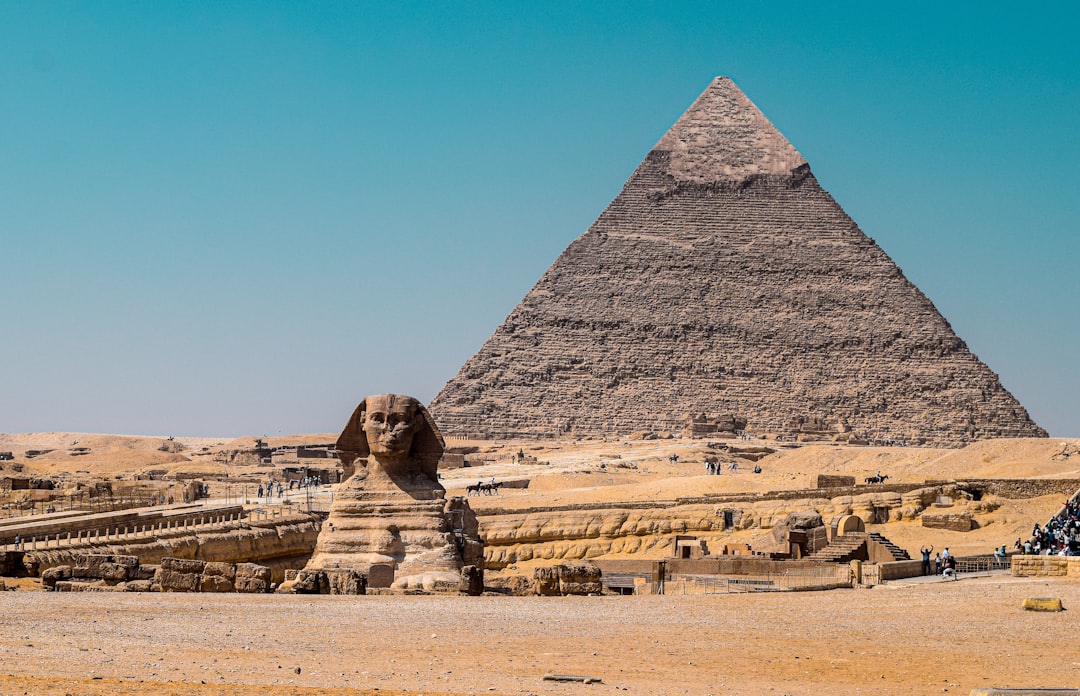
Pyramid tombs represent a significant architectural and cultural development in ancient Egypt, spanning approximately 2,000 years from the Third Dynasty through the Ptolemaic period. These structures functioned as burial sites for pharaohs and elite officials, designed according to Egyptian religious beliefs regarding death and the afterlife. The earliest pyramid, the Step Pyramid of Djoser at Saqqara, was constructed around 2670 BCE during the Third Dynasty under the direction of architect Imhotep.
This six-tiered structure evolved from earlier mastaba tombs, which were flat-roofed rectangular buildings. The Step Pyramid’s design represented a vertical stacking of progressively smaller mastabas, creating the first monumental stone building in recorded history. Pyramid construction reached its zenith during the Fourth Dynasty (c.
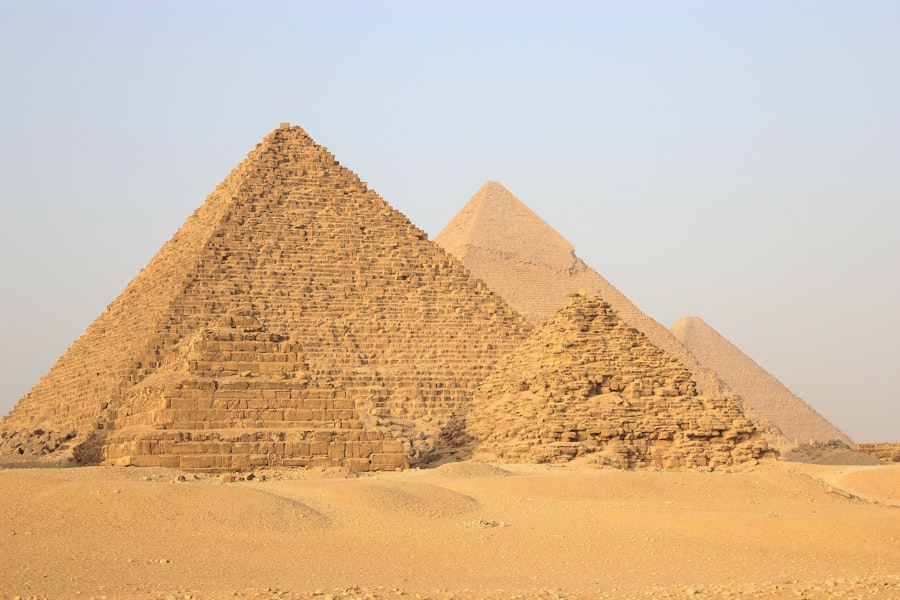
2613-2494 BCE) with the development of true pyramids featuring smooth, angled sides. The Giza pyramid complex, built during this period, contains three major pyramids: those of Khufu, Khafre, and Menkaure. The Great Pyramid of Khufu, completed around 2580 BCE, originally measured 146.5 meters (481 feet) in height and consisted of approximately 2.3 million stone blocks.
The structure was originally encased in polished Tura limestone, creating a smooth exterior surface. These monuments required substantial organizational capabilities and resources. Archaeological evidence indicates that pyramid construction involved permanent workforces of skilled craftsmen supplemented by seasonal laborers, likely numbering in the thousands.
Key Takeaways
- Pyramid tombs have a rich history intertwined with ancient burial practices and cultural beliefs.
- The false tomb narrative challenges traditional views by suggesting some pyramid chambers were decoys.
- Archaeological evidence and research have uncovered signs of deliberate deception in pyramid construction.
- Archaeologists play a crucial role in identifying false tombs and correcting historical misconceptions.
- Understanding false tombs reshapes both academic perspectives and popular culture’s portrayal of pyramids.
The False Tomb Narrative: A Closer Look
The concept of false tombs within pyramids has intrigued historians and archaeologists alike. This narrative suggests that some pyramids may have been designed with deceptive features intended to mislead potential grave robbers or to serve other purposes related to burial practices. The idea of false tombs posits that while a pyramid may appear to contain a burial chamber, it could instead house empty spaces or misleading passages.
This notion challenges traditional understandings of pyramid construction and raises questions about the intentions behind their design. The false tomb narrative is often linked to the broader context of ancient Egyptian funerary practices. The Egyptians believed in the importance of preserving the body for the afterlife, leading to elaborate burial rituals and the construction of intricate tombs.
However, as tomb robbing became rampant in ancient times, it is plausible that some architects incorporated deceptive elements into their designs as a protective measure. This narrative has gained traction in recent years, prompting scholars to re-evaluate existing theories about pyramid construction and the motivations behind these monumental structures. Discover the secrets behind the pyramid mystery ancient egypt in this fascinating video.
Uncovering the Deception: Evidence and Research
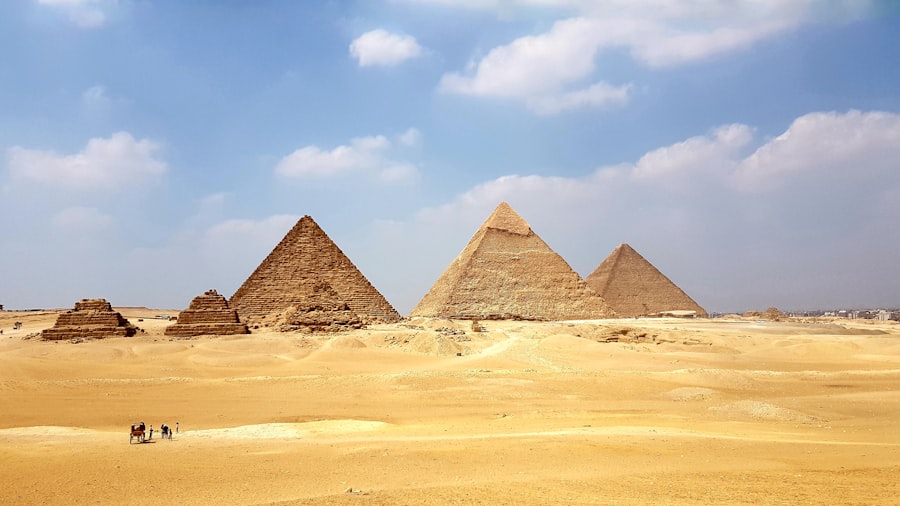
Research into the existence of false tombs within pyramids has yielded intriguing evidence that supports this narrative. Archaeologists have discovered hidden chambers and passages in several pyramids that do not correspond to known burial practices. For instance, in the Pyramid of Khufu, advanced scanning technologies have revealed voids that suggest the presence of undiscovered spaces.
These findings have led some researchers to speculate that these voids could be part of a deliberate strategy to confuse potential robbers or to create a more complex burial environment. Moreover, historical texts and inscriptions provide additional context for understanding the purpose of these deceptive features. Ancient Egyptian writings often emphasize the importance of safeguarding the deceased’s journey to the afterlife, suggesting that architects may have employed various strategies to protect royal remains.
The combination of archaeological evidence and textual analysis has opened new avenues for understanding how ancient Egyptians approached burial practices and the lengths they went to ensure their leaders’ safe passage into eternity.
The Role of Archaeologists in Unraveling the Pyramid Deception
Archaeologists play a crucial role in unraveling the complexities surrounding pyramid tombs and the false tomb narrative. Their work involves meticulous excavation, analysis, and interpretation of artifacts and structures within these ancient sites. By employing modern technologies such as ground-penetrating radar and 3D modeling, archaeologists can uncover hidden chambers and assess the structural integrity of pyramids without causing damage to these irreplaceable monuments.
In addition to technological advancements, archaeologists also rely on interdisciplinary collaboration with historians, Egyptologists, and other specialists to piece together a comprehensive understanding of pyramid construction and its associated narratives. This collaborative approach allows for a more nuanced interpretation of findings, as different perspectives can shed light on various aspects of ancient Egyptian culture and beliefs. As new discoveries emerge, archaeologists continue to challenge established theories and contribute to an evolving understanding of pyramid tombs.
Examining the Purpose of False Tombs in Pyramids
| Metric | Description | Value/Observation |
|---|---|---|
| Origin of Narrative | Historical period when the false tomb narrative about pyramids emerged | 19th Century (Victorian era Egyptology) |
| Primary Claim | Assertion that pyramids were built as tombs for pharaohs | Disputed by alternative theories |
| Archaeological Evidence | Findings supporting or refuting the tomb narrative | Limited direct burial artifacts inside pyramids; burial chambers found but no mummies |
| Alternative Theories | Other proposed purposes of pyramids | Energy generation, astronomical observatories, granaries, spiritual sites |
| Scholarly Consensus | Current mainstream Egyptology stance | Pyramids primarily served as royal tombs |
| Public Belief | General public acceptance of the false tomb narrative | High; widely taught and accepted globally |
| Impact on Tourism | Effect of the narrative on pyramid-related tourism | Significant; tomb narrative attracts millions of visitors annually |
The purpose behind incorporating false tombs within pyramids is a subject of ongoing debate among scholars. One prevailing theory suggests that these deceptive features were designed primarily as a defense mechanism against grave robbers. By creating false chambers or misleading passages, architects could protect the actual burial site from being easily located and plundered.
This would have been particularly important for pharaohs and high-ranking officials whose wealth and status made them prime targets for theft. Another perspective posits that false tombs may have served a symbolic function within the broader context of Egyptian beliefs about death and resurrection. The complexity of pyramid designs could reflect the intricate nature of the afterlife journey, with false chambers representing trials or obstacles that the deceased must navigate.
This interpretation aligns with ancient Egyptian cosmology, which emphasized the importance of overcoming challenges to achieve eternal life. Thus, false tombs may not only have been practical solutions but also deeply embedded within the spiritual framework of ancient Egyptian society.
The Impact of the False Tomb Narrative on Historical Understanding
The false tomb narrative has significant implications for historical understanding, particularly regarding how scholars interpret ancient Egyptian culture and practices. By challenging traditional views on pyramid construction and burial practices, this narrative encourages a re-examination of existing archaeological evidence and historical texts. It prompts researchers to consider alternative explanations for architectural features that may have previously been overlooked or misinterpreted.
It highlights the complexities of their beliefs about death, security, and the afterlife while emphasizing their ingenuity in architectural design. As scholars continue to explore this narrative, it may reshape perceptions of ancient Egypt’s cultural legacy and influence future research directions.
The Influence of False Tomb Narratives on Popular Culture
The allure of pyramid tombs and their associated narratives has permeated popular culture in various forms, from literature to film and video games. The idea of hidden chambers and deceptive designs has captured the imagination of audiences worldwide, often leading to sensationalized portrayals that blur the lines between fact and fiction. Movies like “The Mummy” and novels such as “The Da Vinci Code” have popularized themes surrounding ancient mysteries and treasure hunting within pyramids.
These representations can sometimes distort public understanding of historical realities, leading to misconceptions about ancient Egyptian practices. While they serve as entertaining narratives, they often prioritize drama over accuracy, perpetuating myths about pyramid construction and burial customs. As such, it becomes essential for educators and historians to engage with popular culture critically, providing context and clarification to help audiences distinguish between fact and fiction.
The Ethical Implications of False Tomb Narratives in Archaeology
The exploration of false tomb narratives raises important ethical considerations within archaeology. As researchers delve into these complex topics, they must navigate issues related to cultural heritage preservation, representation, and respect for ancient civilizations. The sensationalization of false tomb narratives can lead to misinterpretations that undermine the significance of archaeological findings and perpetuate stereotypes about ancient cultures.
Moreover, ethical dilemmas arise when discussing potential excavations or explorations based on these narratives. Archaeologists must balance their desire for discovery with respect for cultural heritage and local communities’ perspectives. Engaging with indigenous knowledge systems and prioritizing collaborative approaches can help ensure that research is conducted ethically and responsibly while honoring the legacies of those who came before.
Debunking Myths and Misconceptions Surrounding Pyramid Tombs
As interest in pyramid tombs continues to grow, so too do myths and misconceptions surrounding their construction and purpose. One common myth is that all pyramids were built solely as burial sites for pharaohs; however, many pyramids served multiple functions throughout their history, including religious ceremonies and astronomical observations. Additionally, misconceptions about the labor force involved in pyramid construction often overlook the skilled workers who were likely organized into teams rather than relying solely on slave labor.
Debunking these myths is crucial for fostering a more accurate understanding of ancient Egyptian civilization. By addressing misconceptions head-on through research dissemination and public education initiatives, scholars can help cultivate a deeper appreciation for the complexities inherent in pyramid construction and its cultural significance.
Revisiting Pyramid Discoveries: Separating Fact from Fiction
As new discoveries emerge regarding pyramid tombs and their associated narratives, it becomes increasingly important to separate fact from fiction within archaeological discourse. Researchers must critically evaluate existing evidence while remaining open to new interpretations that challenge established beliefs. This process involves rigorous peer review, interdisciplinary collaboration, and ongoing dialogue among scholars from various fields.
By revisiting past discoveries with fresh perspectives, archaeologists can uncover hidden layers of meaning within these ancient structures while refining their understanding of how they fit into broader historical contexts. This commitment to critical inquiry ensures that future research remains grounded in evidence-based conclusions rather than sensationalized narratives.
Moving Forward: Reimagining the Study of Pyramid Tombs
Looking ahead, reimagining the study of pyramid tombs requires an interdisciplinary approach that embraces innovation while respecting cultural heritage. As technology continues to advance, researchers can leverage new tools such as artificial intelligence and virtual reality to enhance their understanding of these monumental structures without compromising their integrity. Furthermore, fostering collaboration between archaeologists, historians, local communities, and indigenous knowledge holders can enrich research efforts while promoting ethical practices within archaeology.
By prioritizing inclusivity and diverse perspectives in future studies, scholars can contribute to a more holistic understanding of pyramid tombs that honors both their historical significance and cultural legacy. In conclusion, exploring the history and narratives surrounding pyramid tombs reveals a rich tapestry woven from architectural ingenuity, cultural beliefs, and evolving interpretations over time. As researchers continue to investigate these monumental structures through various lenses—be it archaeological evidence or popular culture—there lies an opportunity for deeper engagement with ancient Egyptian civilization while fostering respect for its enduring legacy.
The narrative surrounding the false tombs of the pyramids has sparked considerable debate among historians and archaeologists. For a deeper understanding of the various theories and discussions related to this topic, you can explore the article on the Real Lore and Order website. It provides insights into the myths and realities of ancient Egyptian burial practices. For more information, visit this article.
WATCH THIS! 🔺 THEY LIED ABOUT THE PYRAMIDS — Here’s The Real Truth 🤯
FAQs
What is the pyramid false tomb narrative?
The pyramid false tomb narrative is a theory suggesting that the pyramids, particularly the Great Pyramid of Giza, were not originally built as tombs for pharaohs but served other purposes. This narrative challenges the traditional Egyptological view that pyramids were primarily burial monuments.
Why do some people believe the pyramids are false tombs?
Some proponents argue that the lack of typical burial artifacts, such as mummies or extensive grave goods, in the pyramids indicates they were not used as tombs. They also point to architectural features and alternative historical interpretations to support their claims.
What evidence supports the traditional view that pyramids are tombs?
Archaeological findings, including burial chambers, sarcophagi, and funerary inscriptions, support the idea that pyramids were built as tombs for pharaohs. The pyramids align with ancient Egyptian religious beliefs about the afterlife and the pharaoh’s journey.
Are there any known pyramids that were definitively used as tombs?
Yes, several pyramids, such as the Pyramid of Djoser and the pyramids at Saqqara, have been found with clear evidence of burial chambers and funerary artifacts, confirming their use as tombs.
How do Egyptologists respond to the false tomb narrative?
Most Egyptologists maintain that pyramids were constructed as royal tombs based on extensive archaeological evidence. They argue that the absence of certain artifacts in some pyramids can be explained by looting or other historical factors.
Does the false tomb narrative have support in mainstream archaeology?
The false tomb narrative is generally considered a fringe theory and is not widely accepted in mainstream archaeology, which relies on material evidence and historical context to interpret the purpose of pyramids.
What alternative purposes have been proposed for the pyramids?
Some alternative theories suggest the pyramids served as astronomical observatories, energy generators, or symbolic monuments. However, these ideas lack substantial archaeological support.
Where can I learn more about the pyramid false tomb narrative?
To explore this topic further, you can consult academic publications on Egyptology, visit museum exhibits on ancient Egypt, or review critical analyses of alternative pyramid theories from reputable sources.