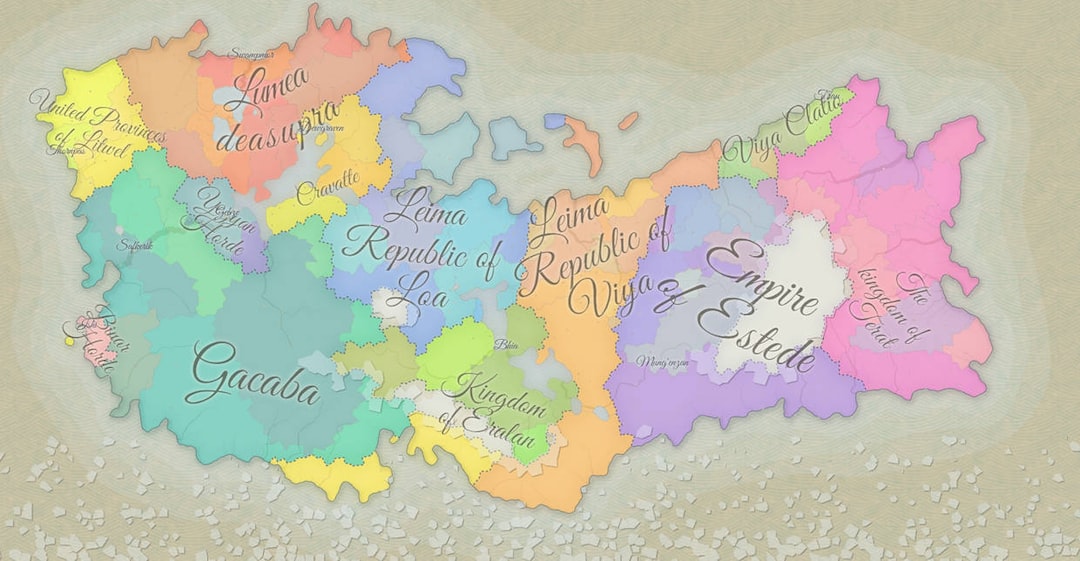
Throughout history, empires have risen and fallen, leaving behind a tapestry of stories, cultures, and legacies. Many of these once-mighty civilizations have faded into obscurity, their narratives lost to the sands of time. The mystery of forgotten empires captivates historians and enthusiasts alike, as they seek to unravel the complexities of human achievement and decline.
These empires, once vibrant and influential, often vanish from collective memory, overshadowed by more dominant powers or simply neglected in the annals of history. The quest to understand these lost civilizations is not merely an academic pursuit; it is a journey into the heart of human experience, revealing the fragility of power and the impermanence of glory. The allure of forgotten empires lies in their potential to reshape contemporary understanding of history.
Each lost civilization carries with it unique insights into governance, culture, and societal organization. By studying these empires, one can glean lessons about resilience, adaptation, and the cyclical nature of human endeavors. The stories of these civilizations are not just relics of the past; they serve as mirrors reflecting the complexities of modern society.
As scholars delve into the depths of historical records and archaeological findings, they uncover narratives that challenge prevailing notions of progress and civilization, inviting a reevaluation of what it means to be part of a historical continuum.
Key Takeaways
- Power dynamics and cultural shifts heavily influence which empires are remembered or forgotten.
- Environmental and geographical changes contribute significantly to the decline of empires.
- Language, communication, and written records are crucial for preserving historical narratives.
- Colonialism and war have often distorted or erased the histories of certain empires.
- Archaeology and research play a vital role in uncovering and reclaiming lost imperial stories.
The Role of Power and Influence in Historical Memory
Power dynamics play a crucial role in shaping historical memory. The victors often write history, crafting narratives that elevate their own achievements while diminishing or erasing those of their rivals. This selective memory can lead to the marginalization of entire civilizations, relegating them to footnotes in textbooks or obscuring their contributions to human development.
The influence wielded by dominant cultures can overshadow the legacies of forgotten empires, creating a skewed perception of historical significance. As a result, many societies that once thrived are left unrecognized, their stories buried beneath layers of more prominent narratives. Moreover, the interplay between power and memory is not static; it evolves over time.
As new generations emerge and societal values shift, previously overlooked empires may find their stories resurfacing. This resurgence can be driven by various factors, including political movements, cultural revitalization efforts, or academic interest in marginalized histories. The reclamation of these narratives often serves as a form of resistance against dominant historical discourses, allowing for a more inclusive understanding of the past.
In this way, the role of power in shaping historical memory is both a tool for oppression and a catalyst for rediscovery.
Environmental and Geographical Factors in Empire Decay

Environmental and geographical factors significantly influence the rise and fall of empires. Natural resources, climate conditions, and geographical barriers can either bolster an empire’s strength or contribute to its decline. For instance, access to fertile land and water sources often determines agricultural productivity, which in turn supports population growth and economic stability.
Conversely, environmental degradation or climate change can lead to resource scarcity, triggering social unrest and weakening the foundations of an empire. The interplay between human activity and environmental conditions is a critical aspect of understanding why certain civilizations flourish while others falter. Geography also plays a pivotal role in shaping trade routes and cultural exchanges.
Empires situated at crossroads of commerce often thrive due to their ability to facilitate trade and interaction among diverse cultures. However, geographical isolation can hinder an empire’s growth and adaptability. As trade networks evolve or shift due to changing political landscapes or environmental challenges, empires may find themselves cut off from vital resources or markets.
This disconnection can precipitate economic decline and social fragmentation, ultimately leading to the empire’s downfall. Thus, environmental and geographical factors are integral to the narrative of forgotten empires, providing context for their rise and eventual decay.
The Impact of Cultural and Religious Shifts on Historical Narratives
Cultural and religious shifts profoundly impact historical narratives, influencing how societies perceive themselves and their place in the world. As empires expand or contract, they often encounter diverse belief systems and cultural practices that challenge their own traditions. These encounters can lead to syncretism—where elements from different cultures blend—or to conflict as societies grapple with competing ideologies.
The resulting cultural transformations can reshape historical memory, as new narratives emerge that reflect the complexities of these interactions. Religious shifts also play a significant role in redefining historical narratives.
For instance, the spread of Christianity during the decline of the Roman Empire transformed not only religious practices but also social structures and political authority. As new belief systems take root, they often reinterpret historical events through their own lenses, leading to a reimagining of past empires. This dynamic interplay between culture, religion, and historical memory underscores the fluidity of narratives surrounding forgotten empires.
The Role of Language and Communication in Preserving Histories
| Factor | Description | Impact on Historical Memory | Example Empires |
|---|---|---|---|
| Duration of Empire | Length of time the empire existed and maintained power | Short-lived empires often leave fewer records and less cultural influence | Hittite Empire, Kingdom of Kush |
| Written Records | Availability and preservation of written documents and inscriptions | Empires with limited or lost written records are less remembered | Indus Valley Civilization, Olmec Empire |
| Conquered by Successors | Whether the empire was absorbed or erased by a succeeding power | Successor empires may rewrite history, diminishing predecessor’s legacy | Assyrian Empire, Sumerian City-States |
| Cultural Influence | Extent to which the empire influenced language, religion, art, or governance | Empires with lasting cultural impact are better remembered | Roman Empire, Persian Empire |
| Archaeological Discoveries | Extent and visibility of archaeological evidence uncovered | Empires with limited archaeological findings remain obscure | Kingdom of Aksum, Nabatean Kingdom |
| Historical Bias | Biases of historians and dominant cultures recording history | Empires viewed negatively or by marginalized groups may be forgotten | Aztec Empire, Mongol Empire |
| Geopolitical Relevance | Empire’s role in shaping modern political boundaries or identities | Empires less connected to current nations are less emphasized | Khmer Empire, Mali Empire |
Language serves as a vital conduit for preserving histories and transmitting cultural knowledge across generations. The languages spoken within an empire encapsulate its values, beliefs, and collective experiences. When an empire falls or its people disperse, the languages associated with that civilization may also fade away, taking with them unique perspectives on history.
The loss of language can lead to a diminished understanding of an empire’s contributions to human civilization, as nuances embedded in linguistic expressions are often lost in translation. Moreover, communication technologies have historically played a crucial role in shaping how histories are recorded and remembered. From oral traditions to written texts, each mode of communication carries its own implications for historical preservation.
Oral histories may capture the lived experiences of individuals but are susceptible to distortion over time. In contrast, written records provide a more stable account but may reflect the biases of those who create them. As societies evolve, so too do their methods of communication, influencing how histories are constructed and remembered.
The interplay between language and communication thus remains central to understanding the legacies of forgotten empires.
The Influence of Colonialism and Imperialism on Historical Memory
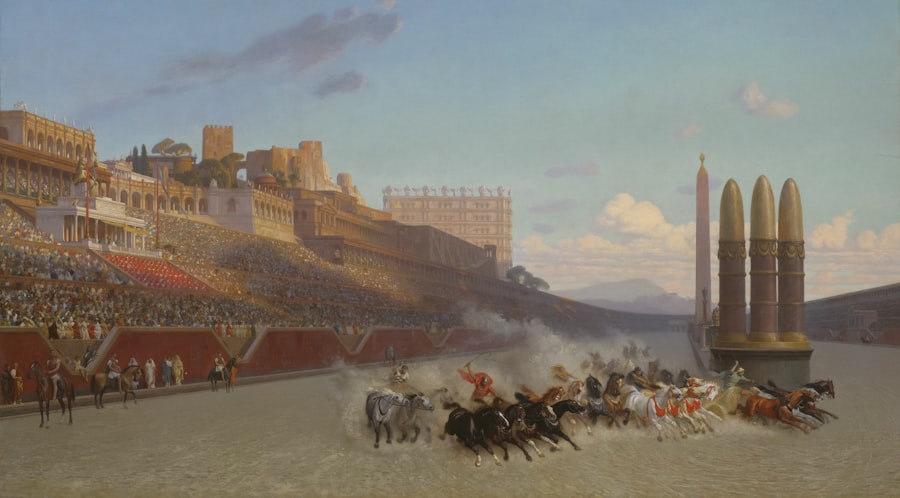
Colonialism and imperialism have left indelible marks on historical memory, often reshaping narratives surrounding both colonizers and the civilizations they subjugated. The expansionist ambitions of colonial powers frequently resulted in the erasure or distortion of indigenous histories as dominant cultures imposed their own narratives upon conquered peoples. This process not only marginalized the voices of those who were colonized but also created a skewed understanding of history that favored imperial perspectives.
In many cases, colonial powers sought to legitimize their dominance by framing their conquests as civilizing missions. This narrative often involved portraying indigenous cultures as primitive or inferior while celebrating the achievements of colonial administrations. As a result, many forgotten empires were relegated to obscurity or misrepresented within historical accounts.
However, contemporary movements advocating for decolonization have begun to challenge these narratives by reclaiming indigenous histories and emphasizing the importance of diverse perspectives in understanding the past. This ongoing dialogue highlights the need for a more nuanced approach to historical memory that acknowledges the complexities inherent in colonial legacies.
The Importance of Written Records and Documentation in Preserving Empires
Written records serve as crucial artifacts for preserving the legacies of empires throughout history. From administrative documents to literary works, these texts provide invaluable insights into the governance, culture, and daily life within civilizations. The preservation of written records allows historians to reconstruct narratives that might otherwise be lost to time.
However, the survival of these documents is often contingent upon various factors such as environmental conditions, political stability, and societal values regarding literacy. The destruction or neglect of written records can lead to significant gaps in historical understanding. Many forgotten empires suffered from a lack of documentation due to wars, natural disasters, or cultural shifts that prioritized oral traditions over written ones.
In contrast, empires that invested in record-keeping often left behind rich archives that continue to inform contemporary scholarship. The importance placed on documentation underscores the need for societies to recognize their histories as valuable assets worthy of preservation.
The Role of Archaeology and Historical Research in Rediscovering Forgotten Empires
Archaeology plays a pivotal role in uncovering the remnants of forgotten empires, providing tangible evidence that complements written records and oral histories. Through excavation and analysis of artifacts, archaeologists can reconstruct aspects of daily life, social organization, and cultural practices within ancient civilizations. These discoveries often challenge preconceived notions about historical narratives by revealing complexities that may not be captured in traditional texts.
Historical research also contributes significantly to rediscovering forgotten empires by synthesizing information from various sources—archaeological findings, written records, oral traditions—to create comprehensive accounts of past societies. Scholars engage in interdisciplinary approaches that draw from anthropology, sociology, linguistics, and other fields to enrich their understanding of historical contexts. This collaborative effort fosters a more holistic view of forgotten empires while emphasizing the interconnectedness between different civilizations throughout history.
The Impact of War and Conflict on the Preservation of Historical Narratives
War and conflict have profound effects on historical narratives, often leading to the destruction or alteration of cultural heritage. Armed conflicts can result in the loss of lives as well as invaluable artifacts that embody a civilization’s identity. In many cases, conquerors deliberately erase traces of previous cultures as part of their efforts to assert dominance over newly acquired territories.
This cycle of destruction not only obliterates physical remnants but also distorts collective memory by imposing new narratives that favor victors. However, war can also catalyze efforts to preserve historical narratives amidst chaos. In times of conflict, communities may rally around shared histories as a means of fostering resilience and solidarity against external threats.
Initiatives aimed at documenting oral histories or safeguarding cultural heritage sites often emerge during turbulent periods as societies seek to reclaim their identities amid adversity. Thus, while war poses significant challenges to preserving historical narratives, it can also inspire movements dedicated to safeguarding legacies for future generations.
The Role of Economic and Trade Networks in Shaping Historical Memory
Economic and trade networks significantly influence how societies perceive themselves within broader historical contexts. Empires that engage in robust trade often develop intricate relationships with neighboring cultures, leading to exchanges that enrich both parties’ experiences. These interactions foster mutual respect while facilitating cultural diffusion—an essential aspect contributing to shared histories among civilizations.
Conversely, economic decline or isolation can lead to fragmentation within societies as they struggle to adapt to changing circumstances. When trade routes shift or collapse due to geopolitical tensions or environmental factors, empires may find themselves cut off from vital resources necessary for survival. This disconnection can precipitate social unrest and weaken political structures—ultimately contributing to an empire’s decline.
Understanding these economic dynamics is crucial for comprehending how forgotten empires navigated challenges throughout history.
Reclaiming the Stories of Forgotten Empires
The stories of forgotten empires hold immense value for contemporary society as they offer insights into human resilience amid adversity while challenging prevailing narratives about progress and civilization. By reclaiming these histories through interdisciplinary research—encompassing archaeology, linguistics, cultural studies—scholars can illuminate aspects previously overlooked or marginalized within dominant discourses. As awareness grows regarding the importance of diverse perspectives in shaping historical memory, there is an opportunity for societies worldwide to engage with their pasts more inclusively—recognizing both triumphs and tragedies experienced by various civilizations throughout history.
In doing so, they not only honor those who came before but also enrich their understanding of what it means to be part of an ever-evolving human story—a narrative woven together by countless threads spanning time and space across forgotten empires waiting patiently for rediscovery.
History often overlooks certain empires due to a variety of factors, including the lack of written records, the dominance of more powerful civilizations, and the biases of historians. For a deeper exploration of this phenomenon, you can read the article on the topic at