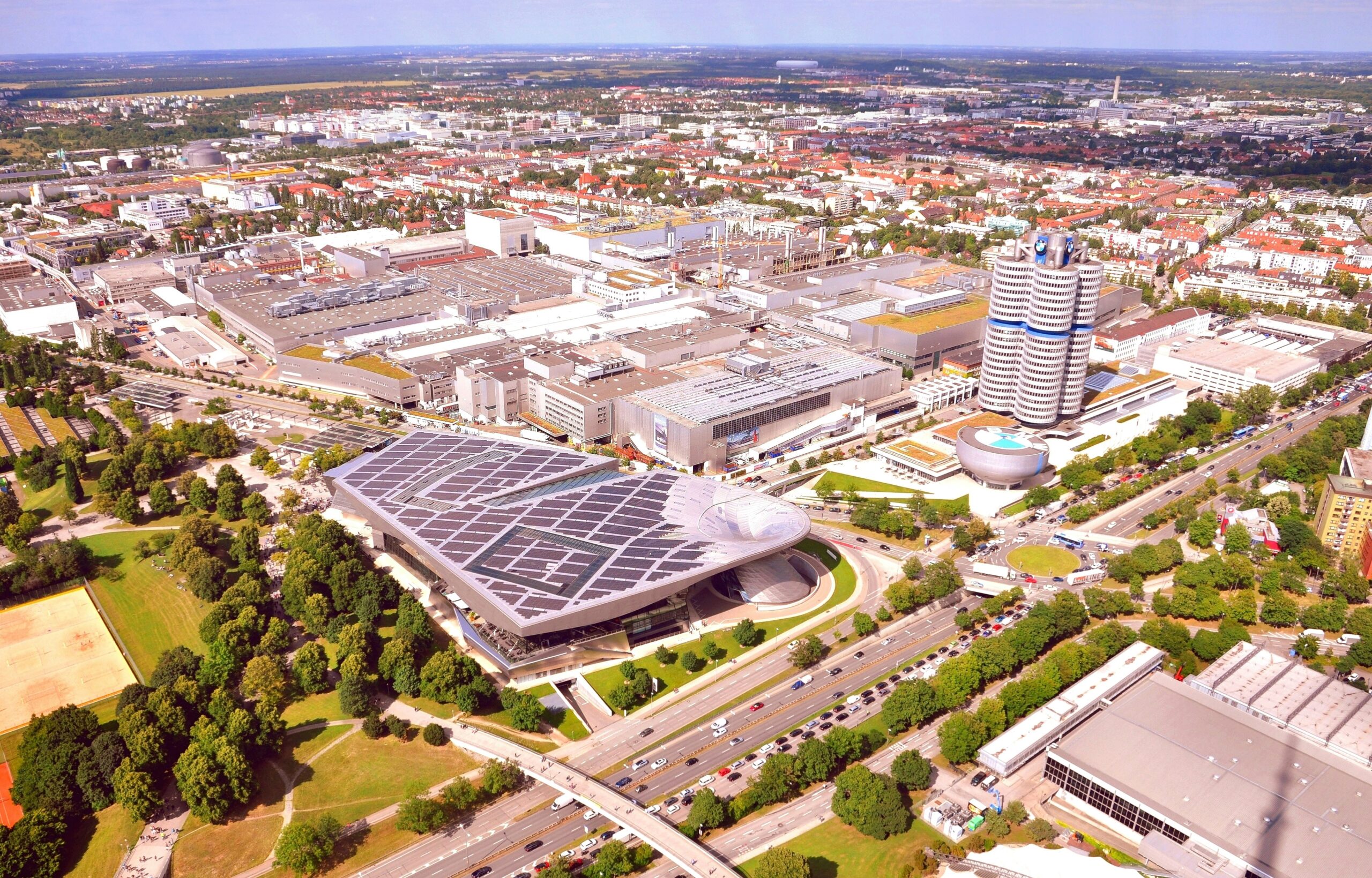
The German manufacturing sector, a cornerstone of the nation’s economic strength for decades, is navigating a period of profound transformation. Historically synonymous with precision engineering, quality craftsmanship, and a robust export orientation, the industry finds itself at a crossroads, challenged by global competition, technological disruption, and evolving societal demands. Nonetheless, careful analysis of current trends and strategic initiatives suggests a promising outlook, provided German industry can effectively adapt and innovate. This article will delve into the multifaceted landscape of German manufacturing’s future, exploring the key drivers of its resilience and the challenges it must overcome to maintain its global standing.
The advent of Industry 4.0, often referred to as the Fourth Industrial Revolution, is perhaps the most significant catalyst shaping the future of German manufacturing. This paradigm shift hinges on the intelligent networking of machines, products, and systems, enabling unprecedented levels of automation, data exchange, and real-time decision-making. For German manufacturers, this is not merely a technological upgrade; it is a fundamental redefinition of the production process itself. The integration of the Internet of Things (IoT), artificial intelligence (AI), big data analytics, and advanced robotics is transforming factories into “smart factories,” where production lines can adapt dynamically to changing demands, optimize resource utilization, and predict maintenance needs before failures occur.
The Role of Smart Factories
Smart factories represent the physical manifestation of Industry 4.0 principles. They are characterized by an interconnected ecosystem where sensors embedded in machinery collect vast amounts of data. This data is then processed by AI algorithms to optimize production schedules, monitor quality in real-time, and ensure the most efficient use of energy and materials. For instance, predictive maintenance, powered by AI, can signal the need for servicing a machine before it breaks down, preventing costly downtime and production interruptions. This proactive approach is akin to a highly skilled surgeon anticipating a patient’s needs before a critical condition arises, ensuring continuous well-being.
Leveraging Big Data for Competitive Advantage
The sheer volume of data generated by smart factories offers a treasure trove of insights for German manufacturers. By analyzing this data, companies can gain a deeper understanding of their production processes, identify bottlenecks, and optimize operational efficiency. This data-driven approach allows for more informed strategic decisions, from product development to supply chain management. The ability to sift through and interpret this data effectively is becoming a crucial competitive differentiator, much like a seasoned navigator understanding subtle shifts in ocean currents to chart the most efficient course.
The Integration of Artificial Intelligence and Machine Learning
Artificial intelligence and machine learning are foundational to the success of Industry 4.0. AI algorithms are being deployed in various aspects of manufacturing, from automating repetitive tasks with robots to more complex functions like quality inspection and product design. Machine learning enables systems to learn from experience and improve their performance over time without explicit programming. This continuous learning loop allows German manufacturers to refine their processes, enhance product quality, and even develop entirely new manufacturing techniques. Think of it as continually sharpening the tools of craftsmanship, making them more precise and effective with each use.
The Rise of Collaborative Robots (Cobots)
Collaborative robots, or cobots, are a particularly important development within the AI integration trend. Unlike traditional industrial robots that are often caged off and operate autonomously, cobots are designed to work alongside human operators. They are lighter, more flexible, and equipped with sensors that allow them to detect and respond to human presence, ensuring safety. Cobots can take on physically demanding or repetitive tasks, freeing up human workers to focus on more complex, creative, and value-added activities. This human-robot collaboration fosters a synergy, where the strengths of both humans and machines are amplified, resulting in greater productivity and job satisfaction.
The future outlook for the German manufacturing sector remains a topic of significant interest, especially in light of current economic challenges. As industries grapple with inflation and supply chain disruptions, understanding the broader implications on manufacturing becomes crucial. For a deeper insight into how inflation might affect various economic sectors, including manufacturing, you can read the article titled “Will Inflation Lead to Asset Seizure?” available at this link. This article explores the potential consequences of rising inflation and offers valuable perspectives that could impact the manufacturing landscape in Germany and beyond.
Reshoring and Nearshoring: A Shifting Global Supply Chain Landscape
The globalized supply chains that have defined manufacturing for decades are undergoing a significant reassessment. Geopolitical uncertainties, the vulnerability of long, complex supply chains exposed by events like the COVID-19 pandemic, and a growing desire for greater control and resilience are driving a trend towards reshoring and nearshoring production. For German manufacturers, this presents both opportunities and challenges as they re-evaluate their sourcing strategies and production footprints.
Building Resilience Through Localized Production
The disruptions of recent years have illuminated the fragility of highly dispersed global supply chains. Companies are now prioritizing supply chain resilience, recognizing that having production closer to home or within strategically important regions can mitigate risks associated with long-distance transportation, trade disputes, and unforeseen global events. This shift can translate into shorter lead times, reduced inventory costs, and a more agile response to market changes, offering a stable harbor in turbulent economic seas.
The Strategic Advantage of Proximity
Nearshoring, the practice of moving production to neighboring countries or regions, offers a balance between cost-effectiveness and proximity. This can allow German manufacturers to maintain a degree of control over their production processes while still benefiting from potentially lower labor costs than domestic production. It also facilitates easier communication and collaboration with suppliers, fostering stronger relationships and faster problem-solving. This is akin to maintaining a trusted network of local artisans rather than relying on distant, less familiar workshops.
Addressing Labor Shortages Through Automation and Skill Development
The potential return of production to Germany, or its expansion in nearby regions, also necessitates addressing labor availability. While automation is a key part of Industry 4.0, there will still be a demand for skilled labor to manage and maintain these sophisticated systems. Therefore, investments in vocational training and upskilling programs are crucial to ensure that the German workforce is equipped to meet the demands of a modern manufacturing environment. This is about nurturing the skilled hands that will guide the advanced tools of tomorrow.
Sustainability as a Competitive Imperative

In an era of heightened environmental awareness and increasing regulatory pressure, sustainability is no longer an optional add-on for German manufacturing; it is a fundamental requirement for long-term success and a powerful differentiator. Companies that embrace sustainable practices not only reduce their environmental impact but also enhance their brand reputation, attract environmentally conscious talent, and often achieve significant cost savings through resource efficiency.
The Circular Economy Model
The adoption of circular economy principles is gaining traction within German manufacturing. This model emphasizes the design of products for longevity, repairability, and recyclability, aiming to keep materials in use for as long as possible and minimize waste. Instead of a linear “take-make-dispose” model, the circular economy envisions a closed-loop system, where resources are perpetually cycled. This is like breathing new life into old materials, preventing them from becoming landfill rather than contributing to a growing mountain of waste.
Energy Efficiency and Renewable Energy Sources
Reducing energy consumption and transitioning to renewable energy sources are critical components of sustainable manufacturing. German manufacturers are investing in energy-efficient machinery, optimizing building insulation, and increasingly sourcing their electricity from solar, wind, and other renewable sources. This not only lowers their carbon footprint but also offers protection against volatile fossil fuel prices, providing a more predictable and stable energy cost. The sun and wind are becoming as essential to the factory’s power as the gears and circuits.
Green Chemistry and Sustainable Materials
The choice of materials used in production also has a significant environmental impact. German chemical companies and manufacturers are actively researching and developing greener alternatives, including bio-based plastics, recycled materials, and chemicals with a lower environmental footprint. This commitment to “green chemistry” extends from the raw materials themselves to the processes used to transform them, minimizing pollution and resource depletion.
The Evolving Role of the German Specialist: From Craftsman to Technologist

The traditional image of the German craftsman, while still valuable, is evolving. The future of German manufacturing lies in the hands of highly skilled professionals who are not only proficient in their craft but also possess a deep understanding of digital technologies, data analysis, and complex systems. This necessitates a fundamental shift in education and training to prepare the workforce for the demands of the 21st-century factory.
Lifelong Learning and Skill Adaptation
The rapid pace of technological change means that skills can become obsolete quickly. Therefore, a culture of lifelong learning is essential for German manufacturers. This involves continuous training and upskilling of employees to keep them abreast of new technologies and processes. Companies are investing in internal training programs, vocational schools are adapting their curricula, and governments are supporting initiatives to facilitate workforce development. This is about the constant refinement of one’s skillset, like a master swordsmith continually honing their blade.
The Rise of the Data Scientist and Automation Engineer
As factories become more automated and data-driven, new roles are emerging. Data scientists are needed to analyze the vast amounts of information generated by smart manufacturing systems, while automation engineers are crucial for designing, implementing, and maintaining these sophisticated technologies. These specialists represent the new vanguard of German manufacturing expertise, their technical acumen acting as the new compass for industrial progress.
Human-Machine Collaboration and Augmented Reality
The integration of augmented reality (AR) is also transforming how human workers interact with machines and processes. AR overlays digital information onto the real world, providing workers with real-time guidance, schematics, and operational instructions directly within their line of sight. This can significantly improve efficiency, reduce errors, and facilitate the training of new workers on complex tasks, essentially providing a digital co-pilot for every operation.
As the German manufacturing sector navigates the complexities of a post-pandemic economy, its future outlook remains a topic of significant interest. Recent analyses suggest that sustainability will play a crucial role in shaping the industry’s trajectory, particularly in light of global challenges such as climate change. For instance, a related article discusses the pressing issue of environmental degradation and its implications for various sectors, including manufacturing. You can read more about this critical topic in the article on the deforestation crisis, which highlights the interconnectedness of industrial practices and environmental sustainability here.
Global Competitiveness and Strategic Partnerships
| Metric | Current Value | Projected Value (2025) | Growth Rate | Notes |
|---|---|---|---|---|
| Manufacturing Output | 2.1 trillion euros | 2.4 trillion euros | 4.5% CAGR | Driven by automation and digitalization |
| Employment in Manufacturing | 7.9 million | 7.5 million | -0.7% CAGR | Shift towards high-skilled labor |
| Investment in R&D | 45 billion euros | 55 billion euros | 6.5% CAGR | Focus on Industry 4.0 and green technologies |
| Export Volume | 1.2 trillion euros | 1.35 trillion euros | 3.5% CAGR | Strong demand from Asia and North America |
| Energy Efficiency Improvement | Baseline (2020) | 15% improvement | 7% annual improvement | Driven by sustainability initiatives |
While German manufacturing faces intensified global competition, its inherent strengths – a reputation for quality, a strong engineering tradition, and a commitment to innovation – provide a solid foundation for continued success. Strategic partnerships and a focus on niche, high-value markets will be crucial for maintaining and expanding its global footprint.
Focusing on High-Value, Precision Products
German manufacturers have long excelled in the production of high-value, precision-engineered goods, such as specialized machinery, automotive components, medical devices, and advanced materials. This specialization is likely to become even more critical in the future, as it allows German companies to compete on quality and innovation rather than solely on price, securing a protected harbor in the turbulent waters of global markets.
The Importance of Research and Development
Continued investment in research and development (R&D) is paramount for staying ahead of the competition. German companies are actively engaged in developing new materials, advanced manufacturing techniques, and innovative product designs. Collaboration between industry, academia, and research institutions further fuels this innovation engine, ensuring a steady stream of groundbreaking advancements. This dedicated pursuit of new knowledge is the lifeblood of sustained excellence.
International Collaboration and Strategic Alliances
In an increasingly interconnected world, strategic international partnerships and alliances can offer significant advantages. German manufacturers are forming collaborations with companies in other countries to access new markets, share technological expertise, and jointly develop innovative solutions. These partnerships can mitigate risks, share development costs, and create synergistic opportunities that no single company could achieve alone, forming a stronger fleet to navigate the global trade winds.
Navigating Geopolitical and Trade Landscapes
German manufacturing’s future outlook is also influenced by the evolving geopolitical and trade landscape. Companies must remain agile and adaptable, capable of navigating changing trade agreements, tariffs, and international regulations. Diversifying markets and supply chains can help mitigate the impact of localized trade disputes or political instabilities, ensuring that the wheels of industry continue to turn smoothly.
In conclusion, the future of German manufacturing, while presenting a complex array of challenges, is demonstrably promising. The industry’s deep-rooted culture of innovation, its commitment to quality, and its proactive engagement with transformative trends like Industry 4.0 and sustainability position it favorably for continued success. By embracing digitalization, fostering a skilled and adaptable workforce, and strategically navigating the global economic landscape, German manufacturing is well-equipped to not only adapt to the future but to actively shape it, solidifying its role as a global leader in precision, innovation, and sustainable production. The journey ahead will require continued foresight, strategic adaptation, and an unwavering commitment to excellence, but the fundamental strengths are in place for a resilient and prosperous future.
FAQs
What is the current state of the German manufacturing sector?
The German manufacturing sector is one of the largest and most advanced in Europe, known for its high-quality engineering, automotive production, and machinery manufacturing. It plays a crucial role in Germany’s economy, contributing significantly to GDP and exports.
What are the key trends shaping the future of German manufacturing?
Key trends include digitalization and Industry 4.0 adoption, increased automation and robotics, a focus on sustainability and green technologies, supply chain diversification, and investment in research and development to maintain global competitiveness.
How is technology impacting the future outlook of German manufacturing?
Technological advancements such as artificial intelligence, the Internet of Things (IoT), and advanced robotics are enhancing productivity, efficiency, and customization capabilities. These technologies enable smarter factories and more flexible production processes.
What challenges does the German manufacturing sector face moving forward?
Challenges include global competition, supply chain disruptions, the need for skilled labor, regulatory pressures related to environmental standards, and adapting to rapid technological changes while maintaining cost efficiency.
What role does sustainability play in the future of German manufacturing?
Sustainability is becoming increasingly important, with manufacturers focusing on reducing carbon emissions, improving energy efficiency, and adopting circular economy principles. This shift is driven by both regulatory requirements and consumer demand for environmentally friendly products.