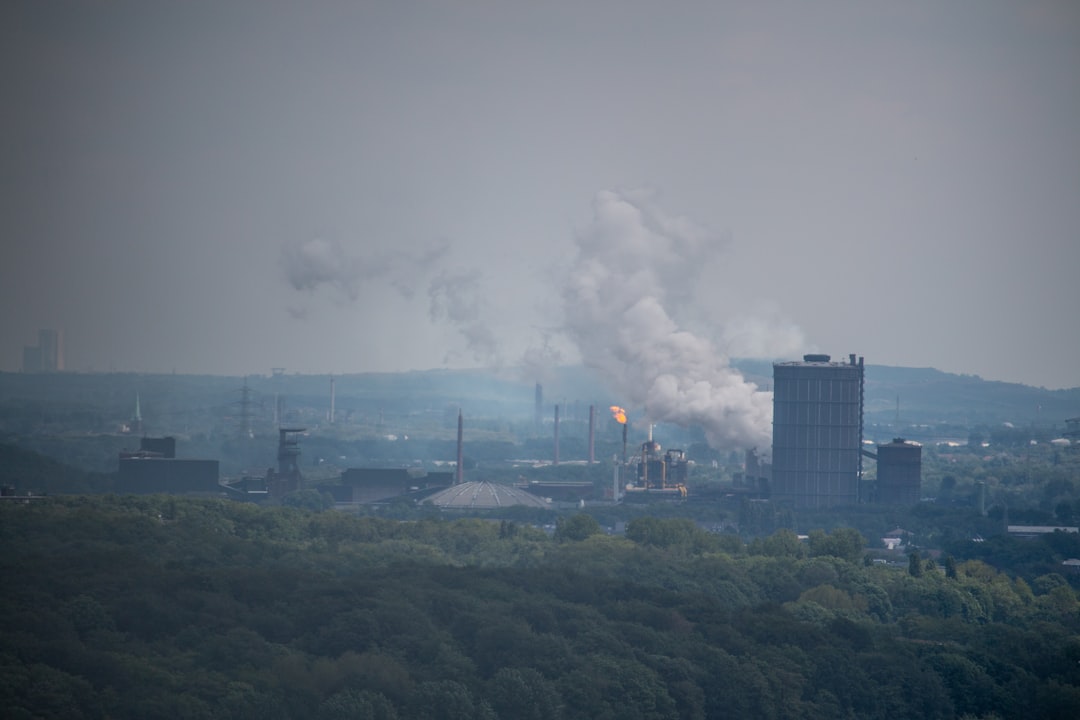
The German manufacturing industry, a historic powerhouse and a cornerstone of the nation’s economy, stands at a precipice. For decades, it has been synonymous with precision engineering, unyielding quality, and innovation, exporting its meticulously crafted goods across the globe. However, the winds of change are blowing, carrying both opportunities and challenges that will redefine its trajectory in the coming years. Navigating this evolving landscape requires a clear understanding of the forces at play and a strategic approach to adaptation.
The industry, often likened to a finely tuned engine, has long relied on its operational excellence and strong export markets. Yet, this engine is now facing a series of systemic pressures – from global competition to the accelerating pace of technological advancement and the imperative of environmental sustainability. The future of German manufacturing will not be a simple extrapolation of its past; rather, it will be a testament to its ability to re-engineer itself, embracing new paradigms while retaining its core strengths.
This article will delve into the critical factors shaping the future of German manufacturing, examining the technological revolutions, the evolving workforce, the imperative of decarbonization, the shifting global economic order, and the strategic pathways Germany can forge to maintain its competitive edge.
The concept of Industry 4.0, the fourth industrial revolution, has been a central theme in discussions about the future of manufacturing. It signifies a profound shift from traditional, centralized production to a highly flexible, interconnected, and data-driven ecosystem. For German manufacturers, this is not merely a theoretical construct but an urgent necessity for survival and growth in an increasingly digitized world.
Smart Factories and Automation
The “smart factory” is no longer a futuristic vision but a tangible reality for many German companies. This involves the integration of advanced automation, the Internet of Things (IoT), artificial intelligence (AI), and big data analytics. Robots, once confined to repetitive assembly line tasks, are becoming increasingly sophisticated, capable of complex operations and collaborating seamlessly with human workers.
AI-Powered Optimization and Predictive Maintenance
Artificial intelligence is proving to be a powerful tool for optimizing every stage of the manufacturing process. From supply chain management, where AI can predict demand fluctuations and optimize logistics, to the shop floor, where it can identify production bottlenecks and suggest improvements, AI is becoming an indispensable co-pilot. Predictive maintenance, a key application of AI, allows manufacturers to anticipate equipment failures before they occur, minimizing costly downtime and extending the lifespan of machinery. This proactive approach is like listening to the subtle murmurs of the machinery, predicting potential ailments before they incapacitate the entire system.
The Rise of Digital Twins
Digital twins, virtual replicas of physical products, processes, or systems, are revolutionizing product development and manufacturing. These dynamic models can be used to simulate scenarios, test design alterations, and optimize production parameters without the need for physical prototypes. This significantly reduces development cycles, costs, and waste. Imagine a meticulous blueprint that not only details every component but also knows how it will perform under various conditions, allowing for virtual testing and refinement.
Cybersecurity in a Connected Environment
As manufacturing becomes more interconnected, cybersecurity emerges as a critical concern. The increased reliance on digital networks and data exchange creates vulnerabilities that can be exploited by malicious actors. Protecting intellectual property, operational data, and critical infrastructure from cyber threats is paramount. Robust cybersecurity measures are not an optional add-on but an integral component of any modern manufacturing strategy.
The Role of 5G and Advanced Connectivity
The widespread deployment of 5G technology is a crucial enabler of Industry 4.0. Its high bandwidth, low latency, and massive connectivity capabilities underpin the real-time data exchange required for smart factories. This allows for more responsive automation, remote monitoring and control, and the seamless integration of edge computing devices. Think of 5G as the vital nervous system, enabling lightning-fast communication between all the interconnected parts of the manufacturing organism.
The future of the German manufacturing industry is a topic of great importance, especially as it navigates challenges such as digital transformation and sustainability. For a deeper understanding of the trends and innovations shaping this sector, you can read a related article that explores these themes in detail. Check it out here: Future of German Manufacturing Industry.
The Evolving Workforce: Skills, Training, and the Human-Machine Interface
The digital transformation is not solely about technology; it is also profoundly about people. The skills required in the manufacturing sector are rapidly changing, necessitating a proactive approach to workforce development and a reimagining of the relationship between humans and machines.
Upskilling and Reskilling for the Digital Age
The demand for traditional manual labor is decreasing, while the need for employees with digital literacy, data analysis skills, and expertise in operating and maintaining advanced automated systems is growing. German manufacturers face the challenge of upskilling their existing workforce and attracting new talent with these in-demand skills. This requires significant investment in continuous training and education programs, fostering a culture of lifelong learning within organizations.
The Importance of STEM Education
A strong foundation in Science, Technology, Engineering, and Mathematics (STEM) is increasingly crucial. Educational institutions and industry must collaborate to ensure that curricula are aligned with the evolving needs of the manufacturing sector, producing graduates equipped with the knowledge and adaptability to thrive in the digital economy.
Human-Machine Collaboration: A New Paradigm
The future of manufacturing is not one of robots replacing humans entirely, but rather one of effective human-machine collaboration. Robots and AI can handle repetitive, dangerous, or highly precise tasks, freeing up human workers for roles that require creativity, critical thinking, problem-solving, and complex decision-making. This symbiotic relationship can lead to increased productivity, enhanced safety, and more engaging work environments.
The Role of the “Cobot”
Collaborative robots, or “cobots,” are designed to work alongside humans, often without the need for safety cages. Their ability to sense and react to human presence makes them ideal for tasks where human dexterity and judgment are still essential. This represents a more integrated and less intimidating form of automation.
Attracting and Retaining Talent: The Employer of Choice
In a competitive global talent market, German manufacturers must strive to become employers of choice. This involves not only offering competitive compensation and benefits but also fostering a positive and inclusive workplace culture, providing opportunities for professional development, and demonstrating a commitment to sustainability and corporate social responsibility.
Decarbonization and Sustainability: The Green Imperative
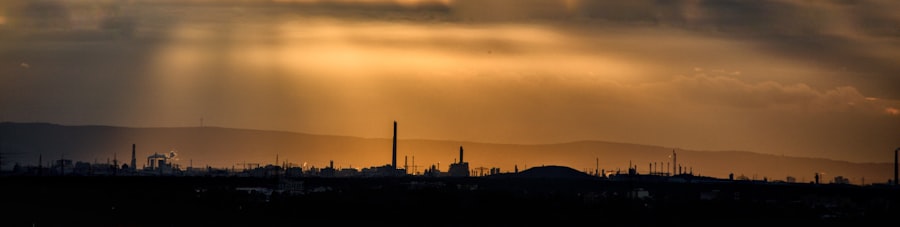
The global imperative to address climate change is placing immense pressure on all industries, and manufacturing is no exception. German manufacturing, with its significant energy consumption and historical reliance on carbon-intensive production methods, faces a particularly urgent need for transformation towards greater sustainability.
The Shift to Renewable Energy Sources
Reducing reliance on fossil fuels is a primary objective. This involves a significant investment in renewable energy sources such as solar, wind, and geothermal power to fuel manufacturing operations. Companies are increasingly exploring power purchase agreements (PPAs) and installing on-site renewable energy generation facilities.
Energy Efficiency and Process Optimization
Beyond switching energy sources, significant gains can be achieved through enhancing energy efficiency across all operational processes. This includes optimizing machinery, improving insulation, and implementing smart energy management systems that monitor and control energy consumption in real-time. Think of it as fine-tuning the engine to run on less fuel, or even better fuel.
Circular Economy Principles in Manufacturing
The traditional linear model of “take-make-dispose” is being replaced by the principles of the circular economy. This emphasizes designing products for longevity, repairability, and recyclability, and aiming to keep materials within the production cycle for as long as possible. German manufacturers are increasingly exploring models that involve remanufacturing, refurbishment, and sophisticated recycling processes.
Designing for Durability and Repairability
Product design is becoming a critical factor in achieving circularity. By prioritizing durability and making products easier to repair, manufacturers can extend their lifespan and reduce the need for new production. This requires a fundamental shift in design philosophy.
The Challenge of Green Steel and Sustainable Materials
Key sectors within German manufacturing, such as the automotive and machinery industries, have historically relied on materials like steel, which are energy-intensive to produce. The development and adoption of “green steel” produced using low-carbon methods, and the exploration of more sustainable alternative materials, are crucial for decarbonizing these sectors.
The Role of Research and Development
Significant investment in research and development is required to unlock innovative solutions for sustainable material production and utilization. This includes exploring hydrogen-based steelmaking, advanced composites, and bio-based materials.
Global Economic Shifts and Geopolitical Realities
The global economic landscape is in constant flux, influenced by geopolitical tensions, trade policies, and the rise of new economic powers. German manufacturing, heavily reliant on international trade, must adapt to these evolving dynamics.
Navigating Supply Chain Resilience and Diversification
The COVID-19 pandemic and subsequent geopolitical events exposed the fragility of global supply chains. German manufacturers are now prioritizing resilience, seeking to diversify their sourcing strategies, reduce reliance on single-source suppliers, and, in some cases, bring production closer to home through reshoring or nearshoring initiatives. This is about building a more robust and adaptable circulatory system for materials and components.
The Importance of Regional Sourcing
Developing stronger regional supply networks can mitigate risks associated with long-distance transportation and global disruptions. This can also foster local economic development and reduce carbon footprints associated with logistics.
The Rise of Protectionism and Trade Barriers
An increase in protectionist trade policies and the imposition of tariffs can create significant headwinds for export-oriented industries like German manufacturing. Manufacturers must adapt by developing strategies to navigate these barriers, potentially by establishing production facilities in key markets or by focusing on niche, high-value products that are less susceptible to price competition.
Emerging Markets and New Growth Opportunities
While established markets remain important, the growth potential in emerging economies presents significant opportunities for German manufacturers. Understanding the specific needs and cultural nuances of these markets, and adapting product offerings accordingly, will be crucial for future success.
As the German manufacturing industry continues to evolve, it is essential to consider the impact of technological advancements and sustainability initiatives on its future. A related article discusses how innovative practices can reshape various sectors, providing insights into the potential transformations within manufacturing. For more information on groundbreaking discoveries that could influence global industries, you can read about the intriguing findings in this article that unveils an ice-free continent and its implications.
Strategic Pathways Forward: Innovation, Collaboration, and Policy Support
| Metric | Current Value | Projected Value (2030) | Comments |
|---|---|---|---|
| Manufacturing GDP Contribution | 22% | 25% | Expected growth due to Industry 4.0 adoption |
| Investment in Automation | €15 billion | €30 billion | Doubling investment to enhance productivity |
| Number of Industrial Robots | 300,000 units | 500,000 units | Increased automation in manufacturing processes |
| Renewable Energy Usage in Manufacturing | 35% | 70% | Shift towards sustainable energy sources |
| Skilled Workforce Percentage | 65% | 75% | Focus on upskilling and digital competencies |
| Export Volume | €1.2 trillion | €1.5 trillion | Growth driven by advanced manufacturing products |
| R&D Spending | 4.5% of manufacturing revenue | 6% of manufacturing revenue | Increased focus on innovation and technology |
Securing the future of German manufacturing requires a multi-pronged approach involving continuous innovation, strategic collaboration, and proactive policy support from the government.
Fostering a Culture of Innovation and R&D Investment
Sustained investment in research and development is the lifeblood of any innovative industry. German manufacturers must continue to push the boundaries of technological possibility, investing in areas such as advanced materials, artificial intelligence, and new production processes. This requires nurturing an internal culture that embraces experimentation and learning from failures.
Supporting Start-ups and Spin-offs
Creating an ecosystem that supports the development and growth of innovative start-ups and spin-offs can inject fresh ideas and disruptive technologies into the manufacturing sector. This can be achieved through venture capital funding, incubator programs, and facilitating collaboration between established companies and emerging innovators.
Strengthening Collaboration Across the Value Chain
Effective collaboration is essential, not only within individual companies but also across the entire value chain. This includes closer partnerships between product designers, manufacturers, suppliers, and even end-users, to ensure that products are designed for manufacturability, sustainability, and market demand.
Industry-Academia Partnerships
Stronger ties between industry and academic institutions are vital for translating research findings into practical applications and for ensuring that educational programs are equipping students with the skills needed for the future manufacturing workforce.
The Role of Government Policy and Industrial Strategy
Government policy plays a crucial role in shaping the future of any industry. For German manufacturing, this means creating a supportive regulatory environment, providing incentives for investment in green technologies and digital transformation, and investing in infrastructure that facilitates innovation and trade.
Industrial Policy as a Strategic Enabler
A clear and forward-looking industrial policy can act as a strategic enabler, guiding the sector through its transformation. This includes identifying key strategic sectors, supporting their decarbonization and digitalization efforts, and ensuring that Germany remains a competitive location for manufacturing.
Embracing Digital Platforms and E-commerce
The digital revolution extends beyond the factory floor to how products are marketed, sold, and serviced. German manufacturers must embrace digital platforms and e-commerce solutions to reach a wider customer base, improve customer engagement, and streamline sales and distribution processes. This is about opening up new channels and interacting with the market in more dynamic ways.
In conclusion, the future of German manufacturing is not predetermined. It will be shaped by the industry’s capacity for adaptation, its commitment to innovation, and its ability to navigate the complex interplay of technological, economic, and environmental forces. By embracing the opportunities presented by Industry 4.0, prioritizing workforce development, committing to sustainability, and strategically addressing global economic shifts, German manufacturing can not only weather the current storms but also emerge stronger and more resilient, continuing its legacy of excellence on the global stage.
FAQs
What are the key trends shaping the future of the German manufacturing industry?
Key trends include increased automation and digitalization, adoption of Industry 4.0 technologies, a focus on sustainability and green manufacturing, integration of artificial intelligence and IoT, and a shift towards more flexible and customized production processes.
How is digitalization impacting German manufacturing?
Digitalization is transforming German manufacturing by enabling smart factories, improving supply chain management, enhancing production efficiency, and facilitating real-time data analysis. This leads to reduced costs, higher quality products, and faster time-to-market.
What role does sustainability play in the future of German manufacturing?
Sustainability is becoming a central focus, with manufacturers aiming to reduce carbon emissions, increase energy efficiency, and use eco-friendly materials. The industry is investing in renewable energy sources and circular economy practices to meet regulatory requirements and consumer demand.
How is the German manufacturing industry addressing workforce challenges?
The industry is investing in upskilling and reskilling workers to handle advanced technologies, promoting STEM education, and attracting international talent. Automation also helps mitigate labor shortages, while companies focus on creating safer and more flexible work environments.
What impact will Industry 4.0 have on German manufacturing competitiveness?
Industry 4.0 will enhance competitiveness by enabling smarter production processes, greater customization, and improved product quality. It allows manufacturers to respond quickly to market changes, reduce downtime, and optimize resource use, helping Germany maintain its position as a global manufacturing leader.