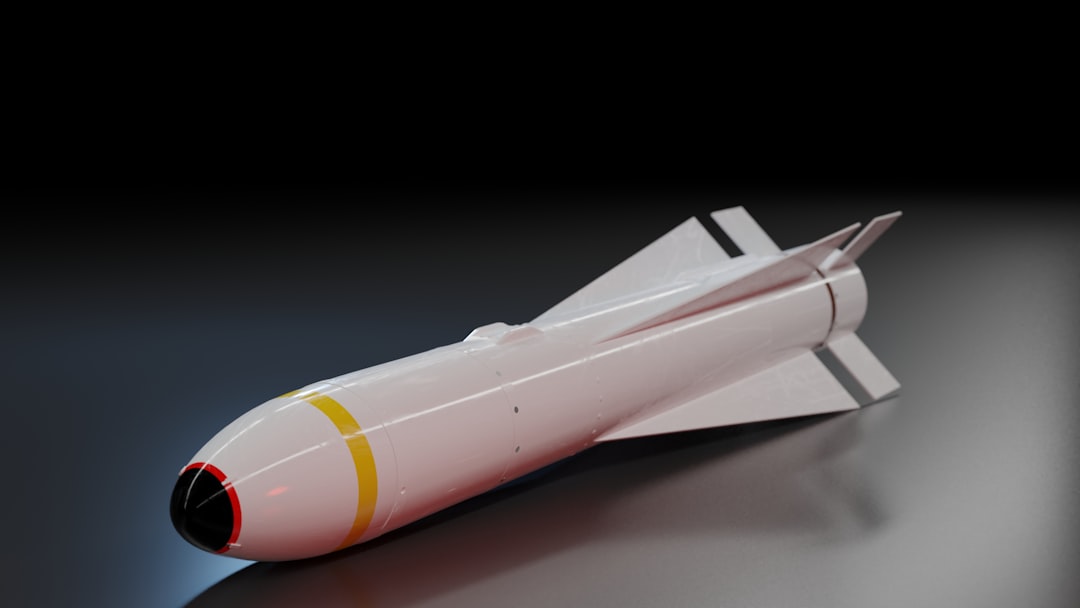
Hypersonic nuclear delivery systems are advanced military weapons capable of traveling at speeds exceeding Mach 5, or five times the speed of sound. These systems can be launched from land-based silos, submarines, and aircraft to deliver nuclear warheads. Military powers worldwide are actively developing hypersonic technology due to its potential to enhance strategic deterrence capabilities and reshape modern warfare.
Hypersonic nuclear delivery systems offer advantages beyond speed, including enhanced maneuverability. Unlike traditional ballistic missiles that follow predictable flight paths, hypersonic weapons can alter their trajectory during flight, complicating detection and interception efforts. This capability presents challenges to existing missile defense systems, which were primarily designed to counter conventional threats.
As nations continue investing in hypersonic research and development, the technology raises significant concerns regarding international security, arms control agreements, and the evolution of military strategy.
Key Takeaways
- Hypersonic nuclear delivery systems represent a new class of weapons capable of extremely fast and maneuverable strikes.
- Nations are rapidly developing hypersonic technology to gain strategic military advantages.
- These systems offer speed and evasion benefits but pose significant risks and technical challenges.
- Artificial intelligence plays a crucial role in enhancing the guidance and effectiveness of hypersonic weapons.
- The emergence of hypersonic weapons raises complex ethical, security, and arms control issues for the global community.
The Race for Hypersonic Technology
The race for hypersonic technology has intensified in recent years, with several countries, including the United States, Russia, and China, making significant strides in their respective programs. Each nation views hypersonic capabilities as a means to secure strategic advantages over potential adversaries. For instance, Russia has showcased its Avangard system, which is capable of delivering nuclear warheads at hypersonic speeds, while China has developed its DF-ZF glide vehicle, demonstrating similar capabilities.
The United States has also accelerated its efforts, investing billions into research and testing to ensure it remains at the forefront of this technological frontier. This competition is not merely about technological prowess; it reflects deeper geopolitical tensions and the desire for military supremacy. As nations race to develop hypersonic weapons, they are also compelled to enhance their missile defense systems to counter these emerging threats.
This dynamic creates a cycle of escalation, where advancements in one area prompt corresponding developments in another. The implications of this arms race are profound, as it could lead to a new era of military confrontation characterized by rapid response times and heightened risks of miscalculation. The documentary provides a detailed analysis of the potential consequences of nuclear war.
Advantages and Disadvantages of Hypersonic Nuclear Delivery Systems
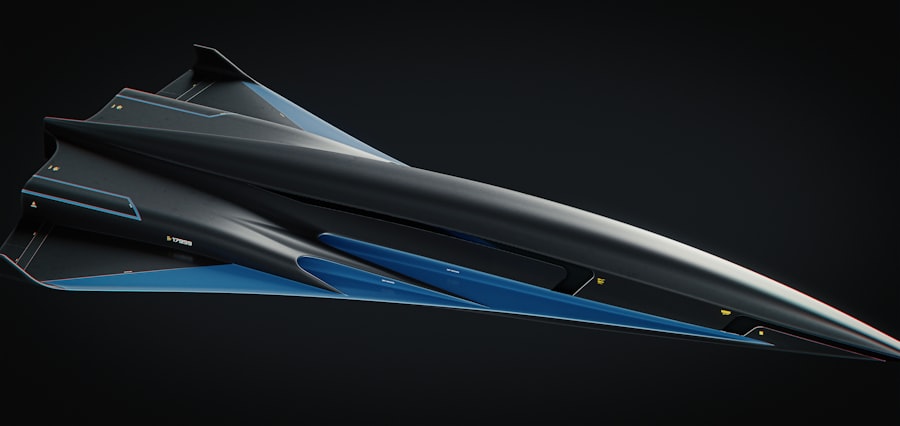
Hypersonic nuclear delivery systems offer several advantages that make them appealing to military strategists. One of the most significant benefits is their speed; the ability to strike targets within minutes can provide a crucial edge in conflict scenarios. This rapid response capability can deter adversaries from launching attacks, as the threat of immediate retaliation becomes more pronounced.
Additionally, the maneuverability of hypersonic weapons complicates interception efforts for missile defense systems, potentially rendering existing technologies obsolete. However, these advantages come with notable disadvantages. The development and deployment of hypersonic nuclear delivery systems require substantial financial investment and technological expertise.
Moreover, the introduction of such weapons into military arsenals raises concerns about stability and escalation. The speed at which these weapons operate may lead to misunderstandings or miscalculations during crises, increasing the likelihood of unintended conflict.
The Impact of Hypersonic Weapons on Global Security
The emergence of hypersonic weapons is poised to reshape global security dynamics significantly. As nations develop these advanced capabilities, traditional deterrence strategies may become less effective. The speed and unpredictability of hypersonic systems could undermine established norms of deterrence that have governed international relations since the Cold War.
Countries may feel compelled to adopt more aggressive postures or invest in preemptive strike capabilities to counter perceived threats from hypersonic arsenals. Moreover, the proliferation of hypersonic technology could exacerbate existing tensions between rival states. Nations may perceive each other’s advancements as direct threats, leading to an arms race that destabilizes regional and global security.
The potential for miscommunication or misinterpretation during crises becomes more pronounced as the pace of military engagement accelerates. In this context, the need for effective communication channels and diplomatic efforts becomes paramount to prevent escalation and maintain stability in an increasingly complex security environment.
The Role of Artificial Intelligence in Hypersonic Warfare
| Metric | Description | Typical Values | Notes |
|---|---|---|---|
| Speed | Velocity of the hypersonic delivery system | Mach 5 to Mach 20 | Speeds above Mach 5 classify as hypersonic |
| Range | Maximum operational distance | 1,000 km to 5,000+ km | Varies by system and launch platform |
| Payload Capacity | Weight of nuclear warhead carried | 100 kg to 1,000 kg | Depends on missile design and warhead type |
| Altitude | Flight altitude during delivery | 20 km to 100 km | Lower than traditional ballistic missiles for maneuverability |
| Guidance System | Navigation and targeting technology | Inertial Navigation System (INS), GPS, Terrain Contour Matching (TERCOM) | Enables high accuracy and evasive maneuvers |
| Time to Target | Duration from launch to impact | Minutes (typically under 10 minutes) | Significantly reduces enemy reaction time |
| Stealth Features | Technologies to avoid detection | Low radar cross-section, plasma sheath | Enhances survivability against missile defense |
Artificial intelligence (AI) is set to play a transformative role in hypersonic warfare, enhancing both offensive and defensive capabilities. AI algorithms can analyze vast amounts of data in real-time, enabling faster decision-making processes during military operations. In the context of hypersonic weapons, AI can optimize flight paths, improve targeting accuracy, and enhance the overall effectiveness of these systems.
This integration of AI into hypersonic warfare could lead to more precise strikes while minimizing collateral damage. However, the reliance on AI also introduces new challenges and risks. The potential for autonomous decision-making raises ethical questions about accountability in warfare.
If an AI system were to make a critical decision that results in unintended consequences, determining responsibility becomes complex. Additionally, adversaries may seek to exploit vulnerabilities in AI systems through cyberattacks or other means, creating a new dimension of warfare that must be addressed. As nations continue to integrate AI into their military strategies, careful consideration must be given to the implications for global security and ethical standards.
Challenges and Risks of Hypersonic Nuclear Delivery Systems
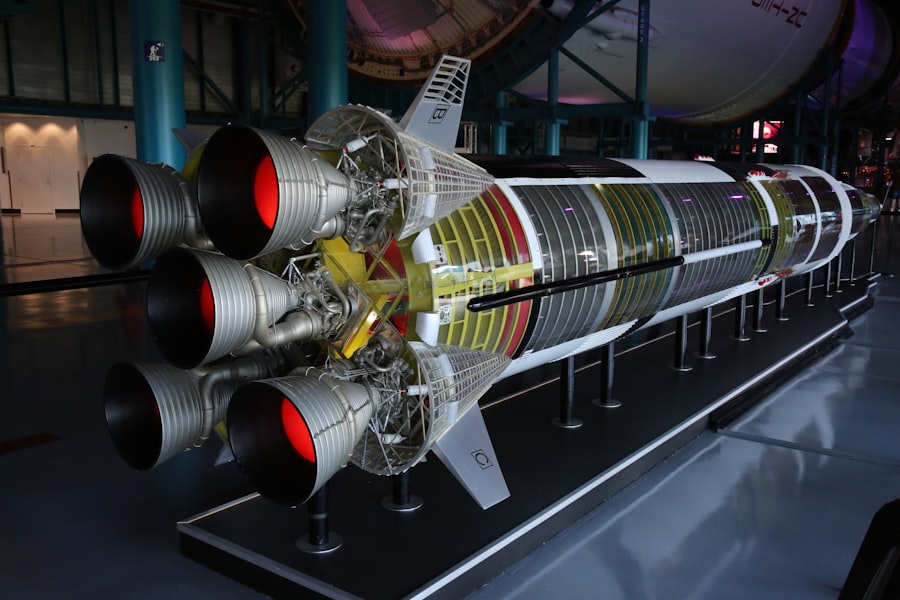
Despite their potential advantages, hypersonic nuclear delivery systems face numerous challenges and risks that must be navigated carefully. One significant challenge is the technological complexity involved in developing reliable hypersonic vehicles capable of withstanding extreme conditions during flight. The materials used must endure intense heat and pressure while maintaining structural integrity, which poses engineering hurdles that require extensive research and testing.
Additionally, the deployment of hypersonic nuclear delivery systems raises concerns about arms control and non-proliferation efforts. As nations invest in these advanced capabilities, there is a risk that existing treaties may become outdated or ineffective in addressing the unique challenges posed by hypersonic technology. The lack of transparency surrounding hypersonic programs can lead to mistrust among nations, further complicating efforts to establish effective arms control measures.
Addressing these challenges will require international cooperation and dialogue to ensure that advancements in hypersonic technology do not lead to destabilizing arms races.
The Future of Defense Against Hypersonic Threats
As hypersonic threats become more prevalent, nations are compelled to rethink their defense strategies to counter these advanced capabilities effectively. Traditional missile defense systems may prove inadequate against the speed and maneuverability of hypersonic weapons, necessitating the development of new technologies specifically designed for this purpose. Research into advanced radar systems, directed energy weapons, and kinetic interceptors is underway as countries seek innovative solutions to address this emerging challenge.
Moreover, collaboration among allies will be crucial in developing comprehensive defense strategies against hypersonic threats. Joint exercises and information sharing can enhance situational awareness and improve response times during crises. As nations work together to bolster their defenses against hypersonic weapons, they must also consider the broader implications for global security and stability.
A coordinated approach that emphasizes deterrence while promoting dialogue can help mitigate risks associated with the proliferation of hypersonic technology.
The Ethical and Moral Implications of Hypersonic Warfare
The advent of hypersonic warfare raises profound ethical and moral questions that demand careful consideration from policymakers and military leaders alike. The potential for rapid strikes using nuclear weapons introduces a level of urgency that challenges traditional notions of proportionality and discrimination in armed conflict. The speed at which decisions must be made may compromise thorough deliberation, increasing the risk of unintended consequences.
Furthermore, the deployment of hypersonic nuclear delivery systems raises concerns about civilian safety and collateral damage.
The ethical implications extend beyond immediate military considerations; they encompass broader societal values regarding the use of force and the responsibility of states to protect civilian populations during conflicts.
The Potential for Arms Control and Diplomacy in the Age of Hypersonic Weapons
In light of the challenges posed by hypersonic weapons, there is an urgent need for renewed arms control efforts and diplomatic engagement among nations. Establishing frameworks that address the unique characteristics of hypersonic technology can help mitigate risks associated with its proliferation. Diplomatic initiatives aimed at fostering transparency and confidence-building measures can reduce misunderstandings and promote stability in an increasingly competitive environment.
Moreover, engaging in dialogue about the ethical implications of hypersonic warfare can pave the way for collaborative approaches to arms control that prioritize humanitarian considerations. By involving a diverse range of stakeholders—including governments, international organizations, and civil society—nations can work towards establishing norms that govern the use of hypersonic technology while promoting peace and security on a global scale.
The Role of Space in Hypersonic Nuclear Delivery Systems
Space plays a critical role in the development and deployment of hypersonic nuclear delivery systems. Satellites provide essential data for navigation, targeting, and tracking capabilities that enhance the effectiveness of these advanced weapons. As nations increasingly rely on space-based assets for military operations, competition for dominance in this domain intensifies.
The integration of space technology into hypersonic warfare also raises concerns about space security and potential conflicts beyond Earth’s atmosphere. As countries develop anti-satellite capabilities or seek to disrupt adversaries’ space assets during conflicts, the risk of escalation increases significantly. Ensuring that space remains a domain for peaceful cooperation rather than militarization will be essential for maintaining global stability as hypersonic technologies continue to evolve.
The Uncertain Future of Warfare with Hypersonic Technology
The future of warfare with hypersonic technology remains uncertain as nations grapple with its implications for global security dynamics. While hypersonic nuclear delivery systems offer strategic advantages that could reshape military engagements, they also introduce significant risks that must be managed carefully. The interplay between technological advancements, ethical considerations, and geopolitical tensions will define how states navigate this new landscape.
As countries continue to invest in research and development while seeking effective defense strategies against emerging threats, collaboration through arms control initiatives will be vital for promoting stability in an increasingly complex world. Ultimately, addressing the challenges posed by hypersonic technology requires a multifaceted approach that balances national security interests with ethical responsibilities towards humanity as a whole.
Hypersonic nuclear delivery systems represent a significant advancement in military technology, offering unprecedented speed and maneuverability that could alter the landscape of global defense strategies. For a deeper understanding of the implications and developments surrounding these systems, you can read more in this related article on the topic. Check it out here: Hypersonic Nuclear Delivery Systems.
WATCH THIS! ☢️ Nuclear War in 2026: The Real Risks, New Weapons & How Close We Are
FAQs
What are hypersonic nuclear delivery systems?
Hypersonic nuclear delivery systems are advanced weapons platforms designed to deliver nuclear warheads at speeds greater than Mach 5 (five times the speed of sound). These systems typically include hypersonic glide vehicles (HGVs) or hypersonic cruise missiles capable of maneuvering at high speeds to evade missile defenses.
How do hypersonic delivery systems differ from traditional ballistic missiles?
Unlike traditional ballistic missiles that follow a predictable parabolic trajectory, hypersonic delivery systems can maneuver during flight at extremely high speeds, making them harder to detect and intercept. This maneuverability and speed increase their ability to penetrate missile defense systems.
What are the main types of hypersonic nuclear delivery systems?
The two primary types are hypersonic glide vehicles (HGVs), which are launched atop a rocket and then glide through the atmosphere at hypersonic speeds, and hypersonic cruise missiles, which use air-breathing engines to sustain hypersonic flight over long distances.
Which countries currently possess or are developing hypersonic nuclear delivery systems?
Several countries, including the United States, Russia, and China, are actively developing or have tested hypersonic nuclear delivery systems. Other nations are also investing in research and development to acquire similar capabilities.
What are the strategic advantages of hypersonic nuclear delivery systems?
Their high speed and maneuverability reduce the reaction time for adversaries, complicate missile defense efforts, and enhance the ability to penetrate advanced missile defense shields, thereby increasing the effectiveness and deterrence value of nuclear arsenals.
Are hypersonic nuclear delivery systems considered destabilizing to global security?
Many experts and policymakers express concern that these systems could destabilize strategic stability by undermining existing deterrence frameworks and prompting arms races, as they may encourage preemptive strikes due to their reduced warning times.
How do hypersonic nuclear delivery systems impact missile defense strategies?
Because of their speed and maneuverability, hypersonic systems challenge current missile defense technologies, which are primarily designed to intercept slower, predictable ballistic missiles. This necessitates the development of new detection, tracking, and interception capabilities.
What is the current status of international arms control agreements regarding hypersonic weapons?
As of now, there are no specific international arms control agreements that directly address hypersonic weapons. Existing treaties like New START do not explicitly cover hypersonic delivery systems, leading to calls for new frameworks to manage these emerging technologies.
Can hypersonic nuclear delivery systems be used for conventional (non-nuclear) payloads?
Yes, hypersonic delivery systems can be equipped with conventional warheads, allowing for rapid, precise strikes without nuclear escalation. However, their dual-use nature complicates detection and response strategies.
What technological challenges exist in developing hypersonic nuclear delivery systems?
Key challenges include materials that can withstand extreme heat and pressure at hypersonic speeds, guidance and control systems capable of maneuvering at such velocities, propulsion technologies, and miniaturization of nuclear warheads suitable for these platforms.