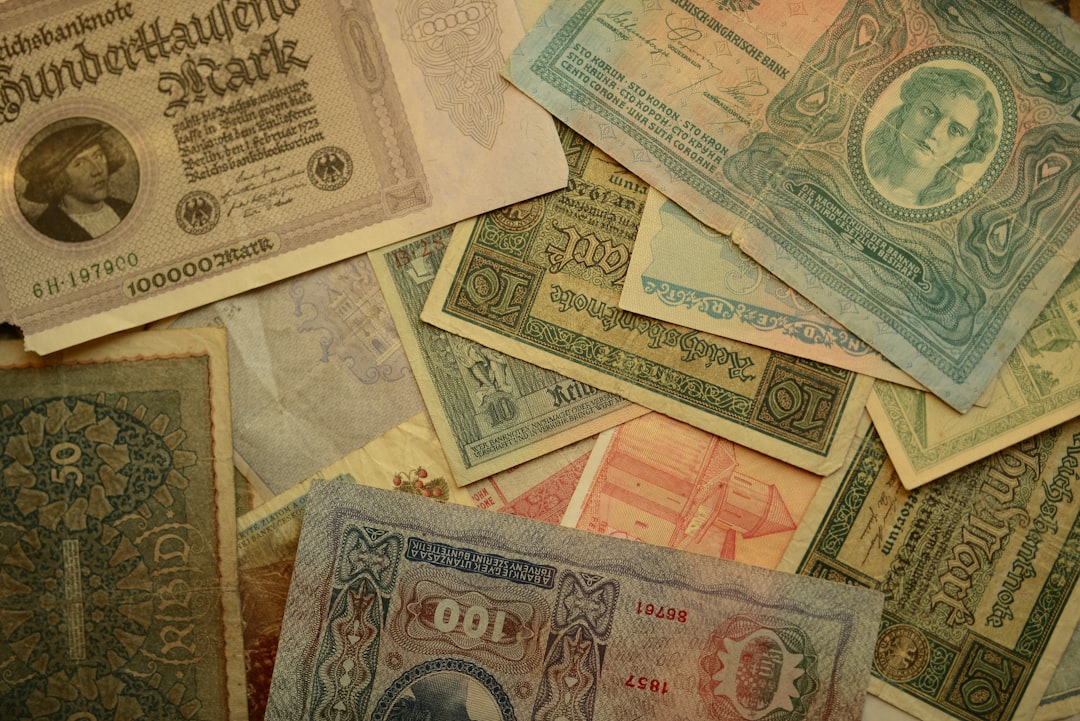
World currency systems form the fundamental infrastructure for international trade and finance, enabling the exchange of goods and services between countries. These systems consist of interconnected networks of national currencies, exchange rates, and monetary policies that directly impact global markets, capital flows, and international economic relations. Currency systems function as indicators of national economic strength and political stability, with their performance affecting a country’s ability to participate in global commerce.
The development of currency systems has been influenced by major historical events, technological innovations, and changes in global economic power. The progression from barter systems to commodity-based currencies like the gold standard, and subsequently to modern fiat currencies, has created distinct phases in monetary history. Each transition has presented specific economic challenges and opportunities for participating nations.
The interaction between different national currencies and their relative values significantly affects international trade competitiveness, foreign investment decisions, and overall economic performance. Contemporary currency systems operate within a framework of floating exchange rates, central bank policies, and international monetary agreements. The stability and efficiency of these systems directly influence global economic growth, inflation rates, and financial market stability.
Understanding the mechanics of world currency systems is essential for analyzing international economic trends, trade relationships, and the broader global financial environment.
Key Takeaways
- World currency systems have evolved through history, influenced by economic, political, and technological changes.
- Current challenges include volatility, geopolitical tensions, and the rise of digital currencies disrupting traditional models.
- Central banks play a crucial role in managing currency stability and adapting to innovations like cryptocurrencies.
- Globalization and emerging economies are reshaping currency dynamics, challenging the dominance of traditional reserve currencies.
- The future may see increased digital currency adoption, potential global currency concepts, and significant technological impacts on currency systems.
The History of World Currency Systems
The history of world currency systems is a fascinating journey that reflects humanity’s evolving approach to trade and value exchange. In ancient times, barter was the primary means of transaction, where goods were exchanged directly for other goods. However, as societies grew more complex, the limitations of barter became apparent.
This led to the introduction of commodity money, where items like gold, silver, and other precious materials were used as a medium of exchange due to their intrinsic value. The establishment of standardized coins marked a significant milestone in this evolution, allowing for easier trade and greater economic interaction. The transition to fiat currencies in the 20th century represented another pivotal moment in currency history.
Governments began issuing paper money that was not backed by physical commodities but rather by the trust in the issuing authority. This shift allowed for greater flexibility in monetary policy but also introduced new challenges, such as inflation and currency devaluation. The Bretton Woods Agreement in 1944 established a new international monetary order, linking currencies to the US dollar, which was convertible to gold.
This system lasted until the early 1970s when it collapsed, leading to the current era of floating exchange rates where currencies fluctuate based on market forces.
Current Challenges in World Currency Systems
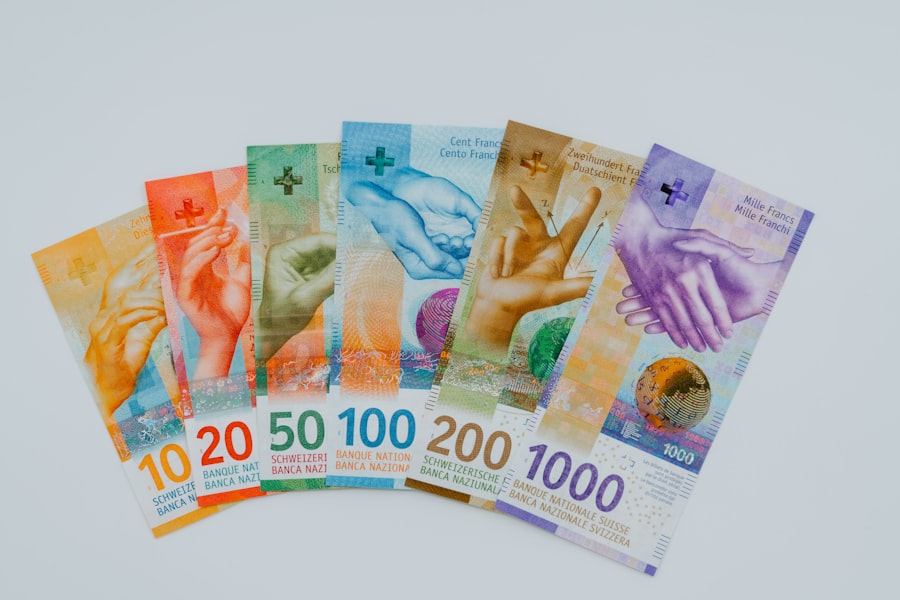
Today’s world currency systems face a myriad of challenges that threaten their stability and effectiveness. One significant issue is the volatility of exchange rates, which can create uncertainty for businesses engaged in international trade. Fluctuating currencies can impact profit margins, complicate pricing strategies, and lead to financial losses.
Additionally, geopolitical tensions can exacerbate these fluctuations, as seen in recent years with trade wars and sanctions that have affected major economies. Another pressing challenge is the rise of economic nationalism and protectionist policies. As countries prioritize domestic interests over global cooperation, there is a growing reluctance to engage in multilateral agreements that promote currency stability.
This trend can lead to fragmented currency markets and increased competition among nations to devalue their currencies for trade advantages. Furthermore, the ongoing impact of the COVID-19 pandemic has highlighted vulnerabilities within global supply chains and financial systems, prompting calls for reforms that could reshape how currencies operate on a global scale.
The Rise of Digital Currencies
In recent years, digital currencies have emerged as a transformative force within world currency systems. Cryptocurrencies like Bitcoin and Ethereum have gained significant attention for their decentralized nature and potential to disrupt traditional financial systems. These digital assets operate on blockchain technology, which offers transparency and security while eliminating the need for intermediaries like banks.
As more individuals and businesses adopt cryptocurrencies for transactions, they challenge conventional notions of currency and payment systems. Central banks around the world are also exploring the concept of Central Bank Digital Currencies (CBDCs) as a response to the rise of private digital currencies. CBDCs aim to combine the benefits of digital currencies with the stability and trust associated with government-backed money.
By issuing their own digital currencies, central banks can enhance payment efficiency, reduce transaction costs, and improve financial inclusion. However, the implementation of CBDCs raises questions about privacy, security, and the potential impact on existing banking systems.
The Role of Central Banks in Shaping World Currency Systems
| Currency | ISO Code | Country/Region | Exchange Rate (to USD) | Global Reserve Currency Status | Central Bank |
|---|---|---|---|---|---|
| United States Dollar | USD | United States | 1.00 | Primary | Federal Reserve |
| Euro | EUR | Eurozone | 0.91 | Secondary | European Central Bank |
| Japanese Yen | JPY | Japan | 134.50 | Secondary | Bank of Japan |
| British Pound Sterling | GBP | United Kingdom | 0.78 | Secondary | Bank of England |
| Chinese Yuan Renminbi | CNY | China | 7.15 | Emerging | People’s Bank of China |
| Swiss Franc | CHF | Switzerland | 0.91 | Secondary | Swiss National Bank |
| Canadian Dollar | CAD | Canada | 1.34 | Minor | Bank of Canada |
| Australian Dollar | AUD | Australia | 1.48 | Minor | Reserve Bank of Australia |
Central banks play a crucial role in shaping world currency systems through their monetary policies and regulatory frameworks. They are responsible for managing national currencies, controlling inflation, and ensuring financial stability within their jurisdictions. By adjusting interest rates and implementing quantitative easing measures, central banks can influence economic activity and stabilize their currencies in times of crisis.
Moreover, central banks are increasingly collaborating on an international level to address global currency challenges. Organizations like the International Monetary Fund (IMF) facilitate discussions among central banks to promote cooperation and coordination in monetary policy. This collaboration is essential in an interconnected world where economic shocks in one country can have ripple effects across borders.
As central banks navigate the complexities of modern economies, their decisions will continue to shape the future landscape of world currency systems.
The Impact of Globalization on Currency Systems
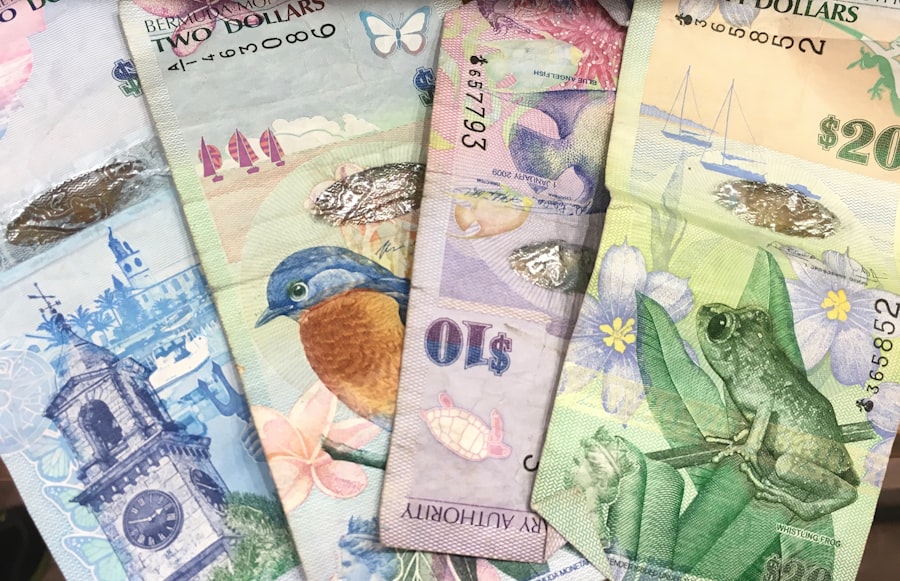
Globalization has profoundly influenced currency systems by increasing interdependence among nations and facilitating cross-border trade and investment. As economies become more integrated, currencies are subject to greater scrutiny and volatility due to external factors such as international market trends and geopolitical events. The rise of multinational corporations has further complicated this dynamic, as companies operate across multiple countries with varying currencies.
Additionally, globalization has led to increased competition among currencies for dominance in international trade. The US dollar has long held its position as the world’s primary reserve currency, but emerging economies are seeking to challenge this status quo. Countries like China are promoting their own currencies for international transactions, aiming to reduce reliance on the dollar.
This shift could have significant implications for global trade patterns and currency valuations as nations seek to assert their economic influence on the world stage.
The Future of the US Dollar as the World’s Reserve Currency
The US dollar’s status as the world’s reserve currency has provided significant advantages to the United States, including lower borrowing costs and increased global influence. However, this dominance is not guaranteed indefinitely. Several factors could threaten the dollar’s supremacy in the coming years.
For instance, rising economic powers such as China are actively promoting their own currencies for international trade, potentially diminishing demand for dollars. Moreover, geopolitical tensions and trade disputes may lead countries to seek alternatives to the dollar for transactions. The emergence of digital currencies could also play a role in reshaping reserve currency dynamics as nations explore new ways to conduct cross-border payments without relying on traditional banking systems.
While it is unlikely that the dollar will lose its status overnight, ongoing developments in global finance could lead to a more multipolar currency landscape where multiple currencies coexist as viable alternatives.
The Potential for a Global Currency
The idea of a global currency has been proposed as a solution to some of the challenges faced by current world currency systems. Advocates argue that a single global currency could simplify international trade by eliminating exchange rate fluctuations and reducing transaction costs. It could also enhance economic stability by providing a uniform standard for value across nations.
However, implementing a global currency presents significant challenges that must be addressed before it can become a reality. Issues such as governance, monetary policy coordination, and national sovereignty would need careful consideration. Additionally, there is skepticism regarding whether countries would be willing to relinquish control over their monetary policies in favor of a centralized global authority.
While the concept remains intriguing, practical considerations may hinder its feasibility in the near future.
The Influence of Emerging Economies on World Currency Systems
Emerging economies are increasingly playing a pivotal role in shaping world currency systems as they gain economic clout on the global stage. Countries like India, Brazil, and South Africa are experiencing rapid growth and expanding their influence in international markets. As these economies develop, their currencies are becoming more prominent in global trade and investment.
The rise of emerging economies also brings new perspectives on monetary policy and currency management. These nations often face unique challenges such as inflationary pressures or volatile capital flows that differ from those experienced by developed economies. As they navigate these complexities, emerging economies may advocate for reforms that reflect their interests within existing currency frameworks or even push for new arrangements that better accommodate their needs.
The Role of Technology in Shaping the Future of Currency Systems
Technology is revolutionizing currency systems by introducing innovative solutions that enhance efficiency and accessibility. The rise of fintech companies has transformed payment processing, enabling faster transactions at lower costs compared to traditional banking methods. Mobile payment platforms have gained popularity worldwide, allowing individuals to conduct transactions seamlessly using their smartphones.
Furthermore, advancements in blockchain technology are paving the way for greater transparency and security in financial transactions. Smart contracts enable automated execution of agreements without intermediaries, reducing costs and minimizing fraud risks. As technology continues to evolve, it will undoubtedly shape how currencies are created, managed, and exchanged in both domestic and international contexts.
The Path Forward for World Currency Systems
The future of world currency systems is poised at a crossroads marked by rapid change and uncertainty. As globalization continues to reshape economic relationships among nations, understanding these dynamics becomes increasingly vital for policymakers and businesses alike. The challenges posed by volatility, protectionism, and technological disruption require innovative solutions that balance national interests with global cooperation.
Looking ahead, it is essential for countries to engage in constructive dialogue about currency management while embracing technological advancements that can enhance efficiency and inclusivity within financial systems. Whether through collaboration among central banks or exploring new digital currencies, there lies an opportunity to create more resilient currency frameworks that can withstand future shocks while promoting sustainable economic growth on a global scale.
The world currency system plays a crucial role in global trade and economics, influencing everything from exchange rates to international investments. For a deeper understanding of the complexities involved in this system, you can read a related article that explores various aspects of currency dynamics and their impact on global markets. Check it out here: World Currency System Insights.
FAQs
What is a world currency system?
A world currency system refers to the framework and set of rules that govern the use, exchange, and value of currencies across different countries globally. It facilitates international trade, investment, and economic stability by providing mechanisms for currency conversion and exchange rate determination.
What are the main types of world currency systems?
The main types of world currency systems include the gold standard, the Bretton Woods system, fixed exchange rate systems, floating exchange rate systems, and currency unions. Each system has different methods for determining currency values and managing exchange rates.
What is the role of the US dollar in the world currency system?
The US dollar serves as the primary reserve currency in the world currency system. It is widely used in international trade, finance, and as a benchmark for other currencies. Many countries hold US dollars as part of their foreign exchange reserves.
How do exchange rates work in the world currency system?
Exchange rates represent the value of one currency relative to another. They can be determined by market forces in a floating exchange rate system or set by governments in a fixed exchange rate system. Exchange rates influence trade balances, inflation, and economic competitiveness.
What is the International Monetary Fund (IMF) and its role in the world currency system?
The IMF is an international organization that promotes global monetary cooperation, financial stability, and economic growth. It provides financial assistance and policy advice to member countries to help maintain stable exchange rates and resolve balance of payments problems.
What challenges does the world currency system face?
Challenges include currency volatility, imbalances in trade and capital flows, the dominance of a single reserve currency, geopolitical tensions, and the need for reforms to accommodate emerging economies and digital currencies.
How do digital currencies impact the world currency system?
Digital currencies, including central bank digital currencies (CBDCs) and cryptocurrencies, have the potential to change how money is exchanged and managed globally. They may increase transaction efficiency, reduce costs, and challenge traditional currency systems, but also raise regulatory and security concerns.
What is a currency union?
A currency union is an agreement between two or more countries to share a common currency and monetary policy. Examples include the Eurozone, where multiple European countries use the euro as their official currency, facilitating easier trade and economic integration.