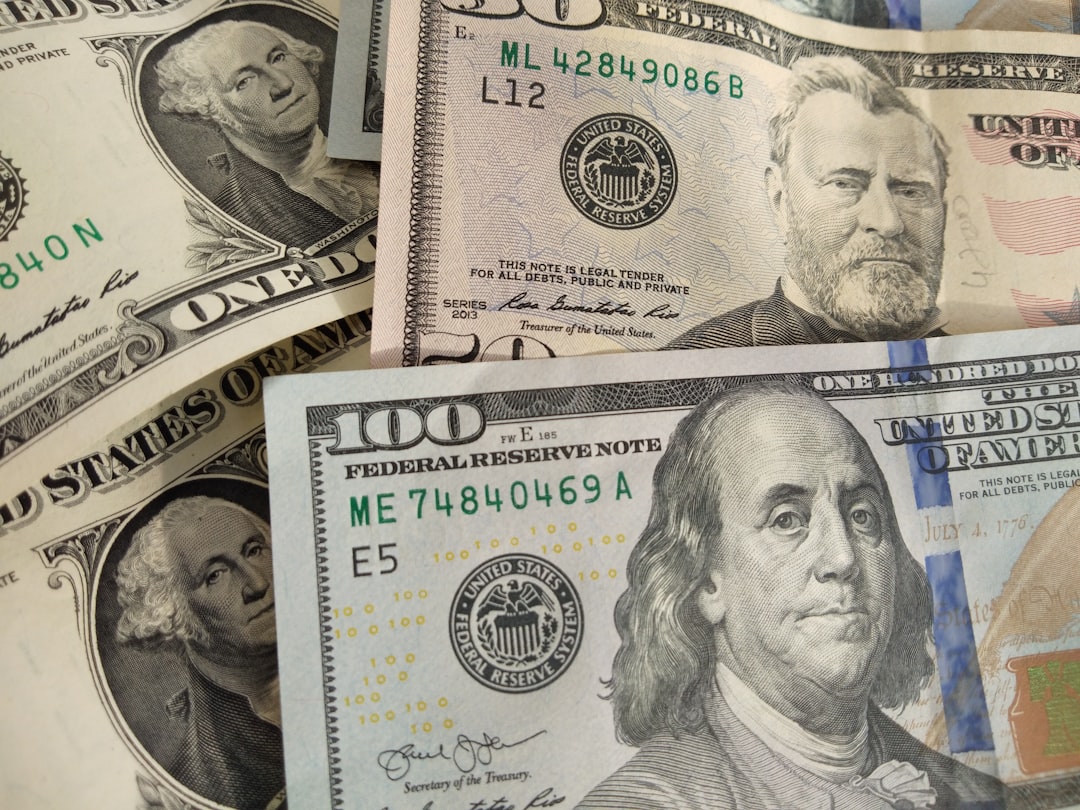
In recent years, a significant geopolitical shift has been observed as various nations and economic blocs begin to move away from the United States dollar as their primary medium of exchange. This transition is not merely a fleeting trend but rather a profound transformation in the global financial landscape. The dollar, which has long been the dominant currency in international trade and finance, is facing challenges from emerging currencies and alternative financial systems.
As countries seek to assert their sovereignty and reduce dependence on the dollar, the implications of this shift are far-reaching, affecting everything from trade agreements to global economic stability. The motivations behind this shift are multifaceted, encompassing economic, political, and strategic dimensions. Nations are increasingly wary of the vulnerabilities associated with dollar dependency, particularly in light of recent geopolitical tensions and sanctions imposed by the United States.
As a result, countries are exploring new avenues for trade and investment that do not rely on the dollar, leading to a reconfiguration of global economic alliances. This article delves into the historical context of the dollar’s dominance, the reasons behind the current shift, and the potential consequences for both the U.S. economy and the broader international financial system.
Key Takeaways
- The US dollar has historically dominated global trade and finance but is now facing a geopolitical shift away from its central role.
- Key reasons for this shift include geopolitical tensions, economic sanctions, and efforts by other countries to reduce dependence on the dollar.
- Emerging currencies like the euro, yuan, and digital currencies are gaining prominence as alternatives in global markets.
- This transition poses risks to the US economy and global financial stability but also creates new opportunities for diversification and investment.
- International organizations will play a crucial role in managing the shift and shaping the future global currency system.
Historical Role of the Dollar in Global Trade and Finance
The United States dollar has held a preeminent position in global trade and finance since the end of World War
The Bretton Woods Agreement of 1944 established a new international monetary order, with the dollar pegged to gold and other currencies linked to the dollar. This arrangement solidified the dollar’s status as the world’s primary reserve currency, facilitating international trade and investment. Over the decades, the dollar became synonymous with stability and trust, making it the preferred currency for global transactions.
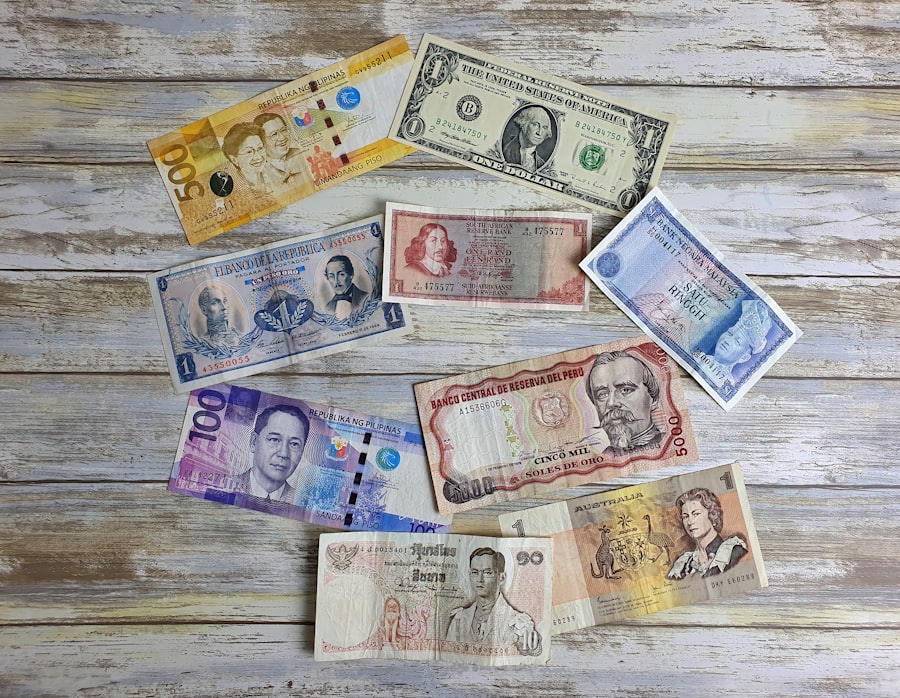
As a result of this historical context, many countries have accumulated substantial reserves of U.S. dollars, using them as a safeguard against economic uncertainty. The dollar’s dominance has also allowed the United States to exert considerable influence over global financial institutions and markets.
However, this reliance on the dollar has not been without its drawbacks. Countries have often found themselves vulnerable to fluctuations in U.S. monetary policy and geopolitical decisions, leading to calls for a more diversified currency system that can mitigate these risks.
Reasons for the Geopolitical Shift Away from the Dollar
Several factors are driving nations to reconsider their reliance on the dollar. One significant reason is the increasing use of economic sanctions by the United States as a tool of foreign policy. Countries such as Russia and Iran have faced severe economic repercussions due to U.S.-imposed sanctions, prompting them to seek alternatives to the dollar for international transactions.
This has led to a growing sentiment among nations that dependence on a single currency can be detrimental to their economic sovereignty.
Countries like China and India are expanding their influence on the global stage and are advocating for a multipolar world where no single currency dominates.
The establishment of alternative payment systems, such as China’s Cross-Border Interbank Payment System (CIPS), further exemplifies this trend. As these nations strengthen their economic ties and develop their currencies for international trade, they are gradually diminishing the dollar’s role in global commerce.
Impact on the US Economy and Global Financial Markets
| Metric | Description | Recent Data/Trend | Implication |
|---|---|---|---|
| Global Foreign Exchange Reserves | Percentage of reserves held in US currency | Declined from 62% in 2015 to 58% in 2023 | Indicates diversification away from US currency by central banks |
| International Trade Invoicing | Share of global trade invoiced in US currency | Reduced from 40% in 2018 to 35% in 2023 | Shift towards other currencies like Euro, Yuan, and others |
| Petrocurrency Usage | Percentage of oil trade settled in US currency | Dropped from 85% in 2019 to 75% in 2023 | Emergence of alternative payment arrangements in oil markets |
| Central Bank Digital Currency (CBDC) Initiatives | Number of countries developing or piloting CBDCs | Over 100 countries as of 2024, many aiming to reduce reliance on US currency | Potential to facilitate cross-border payments without US currency |
| US Treasury Holdings by Foreign Governments | Total foreign holdings of US government debt (in trillions) | Declined from 7.0 trillion in 2020 to 6.2 trillion in 2023 | Reduced appetite for US debt as a reserve asset |
| SWIFT Transaction Share | Percentage of SWIFT transactions conducted in US currency | Decreased from 50% in 2017 to 45% in 2023 | Growing use of alternative payment messaging systems |
The geopolitical shift away from the dollar carries significant implications for the U.S. economy and global financial markets. As countries diversify their reserves and trade practices, demand for dollars may decline, potentially leading to depreciation of the currency.
A weaker dollar could result in higher import costs for American consumers and businesses, contributing to inflationary pressures within the domestic economy. Moreover, reduced demand for U.S. Treasury bonds could lead to higher interest rates as the government seeks to attract investors.
This scenario could complicate fiscal policy and limit the government’s ability to respond effectively to economic challenges. On a broader scale, a diminished role for the dollar could disrupt established financial systems and create volatility in global markets as investors adjust to a new currency landscape.
Emerging Currencies and Their Role in the Shift
As nations seek alternatives to the dollar, several emerging currencies are gaining traction in international trade. The Chinese yuan has made significant strides in recent years, bolstered by China’s growing economic clout and its efforts to internationalize its currency. Initiatives such as the Belt and Road Initiative have facilitated greater use of the yuan in cross-border transactions, positioning it as a viable alternative to the dollar.
Other currencies, such as the euro and cryptocurrencies like Bitcoin, are also playing a role in this evolving landscape. The eurozone’s collective economic strength provides a counterbalance to dollar dominance, while cryptocurrencies offer decentralized alternatives that appeal to those seeking independence from traditional financial systems. As these currencies gain acceptance in global markets, they contribute to a more diversified currency ecosystem that challenges the historical supremacy of the dollar.
Geopolitical Implications of the Shift Away from the Dollar
The geopolitical implications of moving away from the dollar extend beyond mere economic considerations; they encompass broader power dynamics on the global stage. As countries seek to establish alternative trading arrangements and payment systems, they may forge new alliances that reshape existing geopolitical landscapes. This shift could lead to increased competition among major powers as they vie for influence over emerging markets and resources.
Furthermore, a decline in dollar dominance may embolden nations that have historically been marginalized by U.S. foreign policy. Countries like Russia and Iran may find new opportunities for collaboration with other nations seeking to challenge Western hegemony.
This could result in a more fragmented international order where traditional alliances are tested and new coalitions emerge based on shared interests rather than historical ties.
Potential Risks and Challenges for Countries Moving Away from the Dollar
While moving away from the dollar presents opportunities for greater economic independence, it also poses significant risks and challenges for countries undertaking this transition. One major concern is the potential for increased volatility in exchange rates as nations navigate new currency arrangements. Countries that lack robust financial infrastructure may struggle to manage these fluctuations effectively, leading to economic instability.
Additionally, there is a risk that countries may face retaliation from the United States for their efforts to diminish dollar reliance. Economic sanctions or diplomatic pressure could be employed against nations perceived as undermining U.S. interests.
This creates a precarious balancing act for countries seeking to diversify their currency exposure while avoiding confrontation with a powerful adversary.
Opportunities for Countries and Investors in the New Currency Landscape
Despite these challenges, there are also significant opportunities for countries and investors in this evolving currency landscape. Nations that successfully diversify their economies away from dollar dependency may find themselves better positioned to weather global economic shocks. By fostering trade relationships with emerging economies and utilizing alternative currencies, countries can enhance their resilience against external pressures.
For investors, this shift presents new avenues for growth as emerging markets gain prominence in global finance.
By strategically investing in these areas, investors can capitalize on trends that align with shifting geopolitical dynamics.
Strategies for Diversifying Away from the Dollar
Countries looking to diversify away from the dollar can adopt several strategies to mitigate risks associated with currency dependence. One approach is to establish bilateral trade agreements that facilitate transactions in local currencies rather than relying on dollars as an intermediary. Such agreements can enhance trade efficiency while reducing exposure to exchange rate fluctuations.
Additionally, countries can invest in developing their financial markets and infrastructure to support alternative currencies. By creating robust payment systems and fostering confidence in local currencies, nations can encourage greater adoption among businesses and consumers alike. Education and awareness campaigns can also play a crucial role in promoting understanding of new currency options and their benefits.
Role of International Organizations in Managing the Geopolitical Shift
International organizations play a vital role in managing the geopolitical shift away from the dollar by fostering dialogue among member states and promoting cooperation on financial matters. Institutions such as the International Monetary Fund (IMF) and World Bank can facilitate discussions on currency diversification strategies while providing technical assistance to countries seeking to strengthen their financial systems. Moreover, regional organizations like BRICS (Brazil, Russia, India, China, South Africa) are increasingly advocating for greater use of local currencies in trade among member states.
These organizations can serve as platforms for collaboration on alternative payment systems and help build consensus around shared goals related to currency diversification.
Future Outlook for the Global Currency System
The future outlook for the global currency system is characterized by uncertainty but also by potential transformation. As nations continue to explore alternatives to the dollar, it is likely that a more multipolar currency landscape will emerge over time. While it is improbable that any single currency will completely replace the dollar in the near term, increased competition among currencies may lead to greater stability and resilience within the global financial system.
Ultimately, this shift presents both challenges and opportunities for countries and investors alike. By embracing diversification strategies and fostering cooperation among nations, stakeholders can navigate this evolving landscape while positioning themselves for success in an increasingly interconnected world economy. The ongoing geopolitical shift away from the dollar is not merely an end but rather a new beginning for global finance—one that holds promise for innovation and collaboration across borders.
As the world witnesses a significant geopolitical shift away from the dominance of the U.S. dollar, many analysts are exploring the implications of this transition. A related article that delves into the nuances of this topic can be found at Real Lore and Order, where experts discuss the potential impacts on global trade and economic stability. This shift could reshape international relations and financial systems, making it essential to stay informed on these developments.
WATCH THIS! 🚨 The Secret Deal That Will Break America
FAQs
What does a geopolitical shift away from the dollar mean?
A geopolitical shift away from the dollar refers to changes in global economic and political dynamics where countries reduce their reliance on the US dollar for international trade, finance, and reserves, favoring other currencies or assets instead.
Why is the US dollar currently dominant in global finance?
The US dollar is dominant due to the size and stability of the US economy, the liquidity and depth of US financial markets, the dollar’s role as the primary reserve currency, and its widespread use in international trade and commodity pricing.
What factors are driving the shift away from the dollar?
Factors include geopolitical tensions, efforts by countries to reduce exposure to US sanctions, diversification of foreign exchange reserves, the rise of alternative currencies like the euro, yuan, or cryptocurrencies, and initiatives to create new payment systems independent of the dollar.
Which countries are leading the move away from the dollar?
Countries such as China, Russia, and some members of the European Union have taken steps to reduce dollar dependence by promoting their own currencies in trade and finance, establishing alternative payment mechanisms, and increasing bilateral trade in local currencies.
What impact could this shift have on the global economy?
A reduced role for the dollar could lead to increased currency volatility, changes in global capital flows, shifts in economic power, and potential challenges for the US in financing its debt. It may also encourage the development of new financial infrastructures and greater multipolarity in global finance.
Is the US dollar likely to lose its status as the world’s primary reserve currency soon?
While there are trends toward diversification, the US dollar remains the dominant reserve currency due to its established infrastructure, trust, and liquidity. Any significant change is expected to be gradual rather than sudden.
How do sanctions influence the move away from the dollar?
US sanctions often rely on the dollar-based financial system, prompting some countries to seek alternatives to avoid sanctions’ effects, thereby accelerating efforts to reduce dollar dependency.
What role do digital currencies play in this geopolitical shift?
Central bank digital currencies (CBDCs) and cryptocurrencies offer new avenues for cross-border payments and settlements that could bypass traditional dollar-based systems, potentially facilitating a shift in global currency usage.
Can the euro or Chinese yuan replace the dollar as the dominant global currency?
Both the euro and yuan have increased their international use, but challenges such as political fragmentation in the EU and capital controls in China limit their ability to fully replace the dollar in the near term.
How does this shift affect everyday consumers?
For most consumers, the shift may have limited immediate impact, but over time it could influence exchange rates, inflation, and the cost of imported goods depending on how global currency dynamics evolve.