The Global Impact of German Factory Exodus
The decision by German companies to relocate production facilities outside of national borders is not a new phenomenon, but a growing trend that has accelerated in recent years. This “factory exodus” is a complex economic and social issue with far-reaching implications, impacting not only Germany’s domestic economy but also the global landscape of manufacturing, trade, and labor. Understanding this phenomenon requires dissecting the multifaceted drivers behind these corporate decisions and analyzing their ripple effects across continents.
Several interwoven factors are compelling German manufacturers, traditionally lauded for their precision engineering and high-quality “Made in Germany” products, to seek operational bases elsewhere. These drivers are not isolated incidents but rather a confluence of economic pressures, geopolitical shifts, and evolving global market dynamics.
Cost Pressures and Competitiveness
The most significant propellant behind the German factory exodus is undoubtedly the pressure to remain cost-competitive in an increasingly globalized marketplace. German manufacturing has long been associated with high labor costs, stringent environmental regulations, and substantial social contributions.
Labor Costs and Social Contributions
Germany’s robust social welfare system, while a cornerstone of its ethical framework, translates into higher labor expenses for businesses. Minimum wage laws, comprehensive health insurance mandates, and generously funded pension schemes contribute to a labor cost structure that can be significantly higher than in many emerging and even developed economies. Companies find it increasingly challenging to absorb these costs when competing with manufacturers in countries where labor is considerably cheaper. This is akin to a high-performance race car driver being asked to compete on a track with significant drag – the inherent inefficiencies make it difficult to reach peak performance.
Energy Costs and Availability
Recent global events and shifts in energy policy have exacerbated Germany’s energy cost challenges. Reliance on imported energy sources, coupled with ambitious renewable energy targets and associated infrastructure investments, has led to volatile and often elevated energy prices. For energy-intensive industries, such as chemicals and heavy manufacturing, these costs can become a significant burden, making foreign locations with more stable or lower energy prices an attractive alternative.
Regulatory Burden
While environmental and labor regulations in Germany are designed to protect workers and the environment, they can also impose substantial compliance costs on businesses. Navigating complex permitting processes, adhering to strict emissions standards, and managing intricate labor laws can drain resources and slow down production lines. Some companies perceive a less burdensome regulatory environment in other countries as an opportunity to streamline operations and reduce overhead.
Access to New Markets and Growth Opportunities
Beyond cost considerations, a strategic imperative for global expansion also fuels the factory exodus. Many German companies recognize that proximity to burgeoning consumer markets is crucial for capturing growth and expanding their market share.
Emerging Market Demand
The rise of middle classes in Asia, Africa, and Latin America presents significant untapped demand for a wide range of products, from automobiles and machinery to consumer goods. Establishing production facilities within these regions allows German companies to bypass import tariffs, reduce shipping costs, and tailor their offerings to local tastes and preferences more effectively. This is like planting a tree directly in fertile soil rather than trying to transport its fully grown fruit across vast distances.
Localized Production and Supply Chain Efficiency
Operating production facilities closer to end-users can significantly enhance supply chain efficiency. This includes reducing lead times, minimizing transportation risks, and facilitating more responsive customer service. For industries with just-in-time production models, this localization is not just a convenience but a necessity for maintaining competitiveness.
Geopolitical Considerations and Trade Policies
Shifting geopolitical landscapes and evolving international trade policies also play a role in influencing corporate relocation decisions.
Trade Barriers and Tariffs
The imposition of tariffs and non-tariff barriers can make it economically unviable for German companies to export their goods to certain markets. Establishing production within a targeted trade bloc or a country with favorable bilateral trade agreements can circumvent these obstacles and open up new avenues for business.
Political Stability and Investment Climate
While Germany is a bastion of political stability, other regions may offer perceived advantages in terms of investment incentives, government support programs, or less volatile political environments that are more conducive to long-term manufacturing investments.
The global implications of the German factory exodus are profound, affecting not only the European economy but also the supply chains and labor markets in various regions around the world. As industries relocate to countries with lower production costs, the ripple effects can be felt in small island developing states that rely heavily on imports and foreign investment. For a deeper understanding of how such economic shifts can impact vulnerable economies, you may find the article on resilience in small island developing states insightful. It discusses the challenges and strategies these nations face in adapting to global economic changes. You can read more about it here: Resilience in Small Island Developing States.
Impact on the German Economy
The exodus of German factories is not merely a statistic; it represents a tangible shift in the economic fabric of Germany, with both positive and negative consequences. The nation faces the challenge of navigating these changes while striving to maintain its economic prowess.
Job Losses and Skills Gap
One of the most immediate and widely felt impacts of factory relocation is job displacement within Germany. When production lines are moved, the jobs associated with operating those lines are often lost.
Industrial Sector Employment Decline
Industries that have historically been pillars of the German economy, such as automotive manufacturing and heavy machinery, are particularly susceptible. This decline in employment in traditional manufacturing sectors can lead to localized economic downturns in regions heavily reliant on these industries.
Demand for New Skillsets
While some jobs are lost, the nature of the remaining and emerging jobs within Germany is also changing. There is a growing demand for high-skilled workers in areas like research and development, automation, digitalization, and specialized services. This creates a skills gap, where the available workforce may not possess the necessary expertise for these new roles, leading to structural unemployment.
Loss of Tax Revenue and Social Security Contributions
When companies reduce their operational footprint or relocate entirely, the German state experiences a decline in tax revenues and contributions to its social security system.
Reduced Corporate Tax Income
Corporate taxes are a significant source of government funding. A reduction in profitable manufacturing operations within Germany directly translates to lower tax receipts.
Diminished Social Security Funding
Contributions to the pension, health, and unemployment insurance systems are often tied to employment levels and wages. A decrease in manufacturing employment can strain these essential social safety nets.
Shift Towards a Knowledge-Based Economy
Paradoxically, the factory exodus also presents an opportunity for Germany to further accelerate its transition towards a knowledge-based and service-oriented economy.
Focus on Innovation and R&D
With less emphasis on mass production, Germany can intensify its focus on research and development, innovation, and the creation of high-value intellectual property. This involves investing in scientific research, fostering technological advancements, and nurturing a culture of entrepreneurship.
Growth in High-Value Services
The shift can also lead to an expansion of the services sector, including specialized engineering consulting, logistics management, software development, and advanced research services, which can complement and support global manufacturing operations.
Global Repercussions of the German Factory Exodus
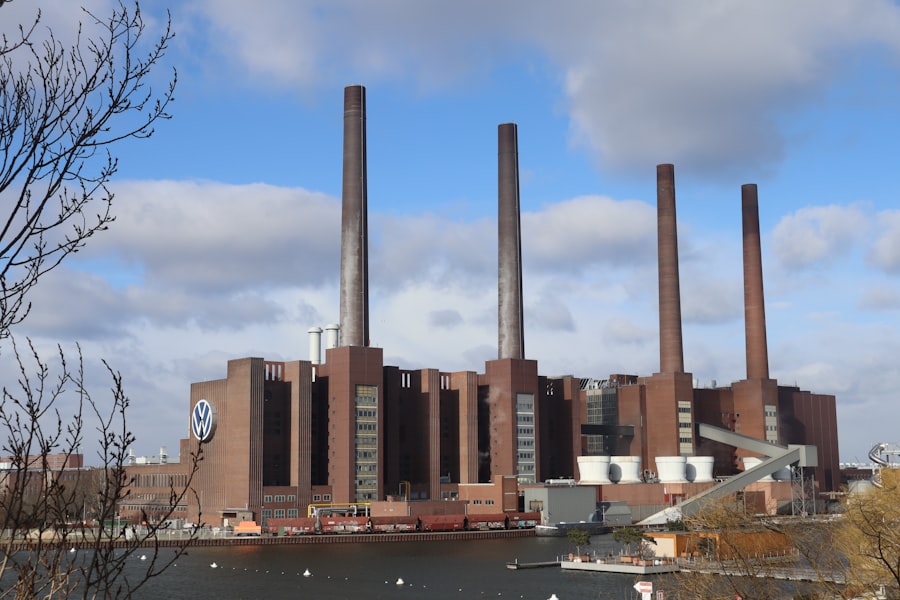
The implications of German companies moving production extend far beyond Germany’s borders, reshaping global manufacturing landscapes and influencing international economic relations.
New Manufacturing Hubs and Economic Development
The relocation of German factories often leads to the establishment of new manufacturing hubs in host countries, fostering economic development and creating employment opportunities.
Transfer of Technology and Expertise
When German companies set up new facilities, they often bring with them advanced manufacturing technologies, management techniques, and quality control standards. This transfer of knowledge and expertise can significantly upgrade the industrial capabilities of host nations.
Local Job Creation and Skill Development
The establishment of these factories directly creates jobs for the local population, ranging from assembly line workers to skilled technicians and engineers. This influx of employment can be a significant driver of economic growth and poverty reduction in developing regions.
Changes in Global Supply Chains
The German factory exodus contributes to the ongoing restructuring and diversification of global supply chains.
Increased Interconnectedness and Complexity
As German companies spread their production across multiple locations, global supply chains become more interconnected and, at times, more complex to manage. This can lead to both greater resilience through diversification and increased vulnerability to disruptions if not managed effectively.
Regionalization of Supply Chains
In some instances, the factory exodus contributes to the trend of regionalizing supply chains. Companies may establish production clusters within specific geographic regions to serve local or continental markets, rather than relying on a single globalized supply network.
Impact on Consumers and Product Availability
The relocation of production has direct and indirect effects on consumers worldwide.
Potentially Lower Prices and Increased Accessibility
In some cases, shifting production to lower-cost locations can lead to reduced manufacturing costs, which may translate into lower prices for consumers. It can also increase the accessibility of German-engineered products to a wider global audience.
Concerns about Quality and Ethical Sourcing
Conversely, there can be concerns about potential compromises on product quality or ethical sourcing practices when production moves to countries with less stringent regulations. Consumers may also face longer lead times or increased shipping costs if production is located further away from their local markets.
Challenges and Opportunities for Host Countries
While the German factory exodus offers significant opportunities for host countries, it also presents a unique set of challenges that require careful management.
Infrastructure Development and Investment
Attracting and sustaining foreign direct investment, particularly in manufacturing, necessitates robust infrastructure.
Need for Transportation Networks
Reliable transportation networks, including roads, railways, and ports, are essential for the efficient movement of raw materials and finished goods. Host countries must invest in upgrading and expanding these networks to accommodate increased industrial activity.
Energy and Utilities
Consistent and affordable access to electricity, water, and other essential utilities is paramount for manufacturing operations. Countries need to ensure they can meet the demands of large-scale industrial facilities.
Labor Standards and Environmental Protection
While host countries may benefit from job creation, there is a critical need to ensure that these developments do not come at the expense of labor rights or environmental sustainability.
Preventing a “Race to the Bottom”
There is a risk of a “race to the bottom” where countries compete to attract investment by offering lax labor laws and environmental regulations. This can lead to exploitative working conditions and environmental degradation. International cooperation and robust national policies are crucial to prevent this.
Building Local Capacity and Enforcement
Host countries need to develop and enforce strong labor and environmental regulations, as well as build local capacity for skilled labor and environmental monitoring. This ensures that foreign investment contributes to sustainable and equitable development.
Competition for Foreign Direct Investment
The global competition for foreign direct investment is intense. Host countries must offer attractive packages and a stable business environment to lure and retain German manufacturers.
Investment Incentives and Facilitation
Governments often offer tax breaks, subsidies, and streamlined bureaucratic processes to attract foreign investment. However, these need to be balanced with long-term strategies for sustainable economic growth.
Political Stability and Rule of Law
A stable political environment, respect for the rule of law, and a clear and predictable regulatory framework are fundamental to attracting and retaining long-term foreign investment from companies like those in Germany.
The recent exodus of factories from Germany has raised significant concerns about its global implications, particularly in the context of shifting supply chains and economic stability. As industries seek more favorable conditions elsewhere, the ripple effects can be felt worldwide, impacting everything from labor markets to environmental policies. For those interested in exploring how historical factors, such as ancient climate changes, have shaped modern economic decisions, a related article discusses these themes in depth. You can read more about it in this insightful piece on uncovering ancient climate steering secrets.
The Future Trajectory of German Manufacturing
| Metric | Value/Description | Global Implication |
|---|---|---|
| Number of German factories relocated (2020-2023) | Approximately 150 factories | Shift in manufacturing hubs, increased industrial activity in Asia and Eastern Europe |
| Jobs lost in Germany | Estimated 30,000 to 50,000 | Rising unemployment and economic restructuring challenges in affected regions |
| Increase in manufacturing output in destination countries | Up to 20% growth in some Eastern European countries | Boost to local economies, improved infrastructure, and skill development |
| Impact on global supply chains | Increased complexity and diversification | Greater resilience but also potential for new bottlenecks |
| Environmental impact | Mixed: reduced emissions in Germany, increased in destination countries | Shift in carbon footprint and environmental regulations enforcement |
| Investment in automation and technology in Germany | 15% increase in automation investments | Focus on high-tech manufacturing and innovation to maintain competitiveness |
| Trade balance effect | Moderate increase in German imports of intermediate goods | Changes in trade patterns and dependency on foreign manufacturing |
The factory exodus is not an endpoint but an ongoing evolutionary process. The future trajectory of German manufacturing will depend on how effectively Germany and host countries adapt to these shifting dynamics.
The Role of Germany in the Global Value Chain
Germany’s role in the global value chain is likely to evolve. While its traditional manufacturing base may shrink, its influence in areas of high-value production, innovation, and specialized services is expected to grow.
Emphasis on “Industry 4.0” and Digitalization
Germany has been a leader in embracing “Industry 4.0,” the concept of smart factories and digitalization. Continued investment and innovation in this area can help maintain its competitive edge in advanced manufacturing and automation.
Specialization in Niche Markets and High-Tech Production
Germany may increasingly specialize in niche markets and high-tech production where its engineering expertise and commitment to quality remain unparalleled. This could include advanced materials, specialized machinery, and complex technological solutions.
The Evolving Nature of Globalization
The factory exodus is a symptom of a broader evolution in globalization. The future may see a move towards more regionalized production networks and a stronger emphasis on resilience in supply chains.
Reshoring and Nearshoring Trends
While the exodus trend is strong, an equally important counter-trend of reshoring and nearshoring is also emerging. Geopolitical risks, rising transportation costs, and a desire for greater supply chain control are prompting some companies to reconsider offshore production.
Sustainable Manufacturing and Circular Economy
As global awareness of environmental issues grows, there will be an increasing demand for sustainable manufacturing practices and the adoption of circular economy principles. German companies, with their historical commitment to environmental standards, are well-positioned to lead in this area, regardless of their production location.
In conclusion, the global impact of the German factory exodus is a multifaceted phenomenon, a seismic shift in the industrial landscape driven by a complex interplay of economic, geopolitical, and market forces. It is a story of relocation, adaptation, and the continuous reshaping of global economic power. For Germany, it signals a transition, a sharpening of focus, and a potential recalibration of its economic identity. For host countries, it presents both significant opportunities for development and the critical challenge of ensuring that this growth is sustainable and equitable. The long-term implications will unfold as nations and corporations navigate this evolving globalized reality.
FAQs
What is meant by the term “German factory exodus”?
The “German factory exodus” refers to the trend of manufacturing companies relocating their production facilities from Germany to other countries. This movement is often driven by factors such as lower labor costs, regulatory differences, and the pursuit of new markets.
What are the primary reasons behind German factories moving abroad?
Key reasons include the high cost of labor and production in Germany, increasing regulatory and environmental standards, the desire to be closer to emerging markets, and the need to remain competitive globally by reducing operational expenses.
How does the German factory exodus impact the global economy?
The relocation of German factories can lead to shifts in global manufacturing hubs, influence trade balances, affect supply chains, and contribute to economic growth in destination countries. It may also lead to job losses in Germany and changes in global industrial competitiveness.
What are the consequences of this exodus for Germany’s domestic economy?
Germany may experience reduced industrial output, job losses in manufacturing sectors, and potential declines in technological innovation. However, it may also lead to increased investment in high-tech and service industries as the economy adapts.
How are other countries affected by the influx of German manufacturing facilities?
Countries receiving German factories often benefit from job creation, technology transfer, and increased foreign direct investment. However, they may also face challenges such as environmental concerns, labor rights issues, and the need to upgrade infrastructure to support new industries.