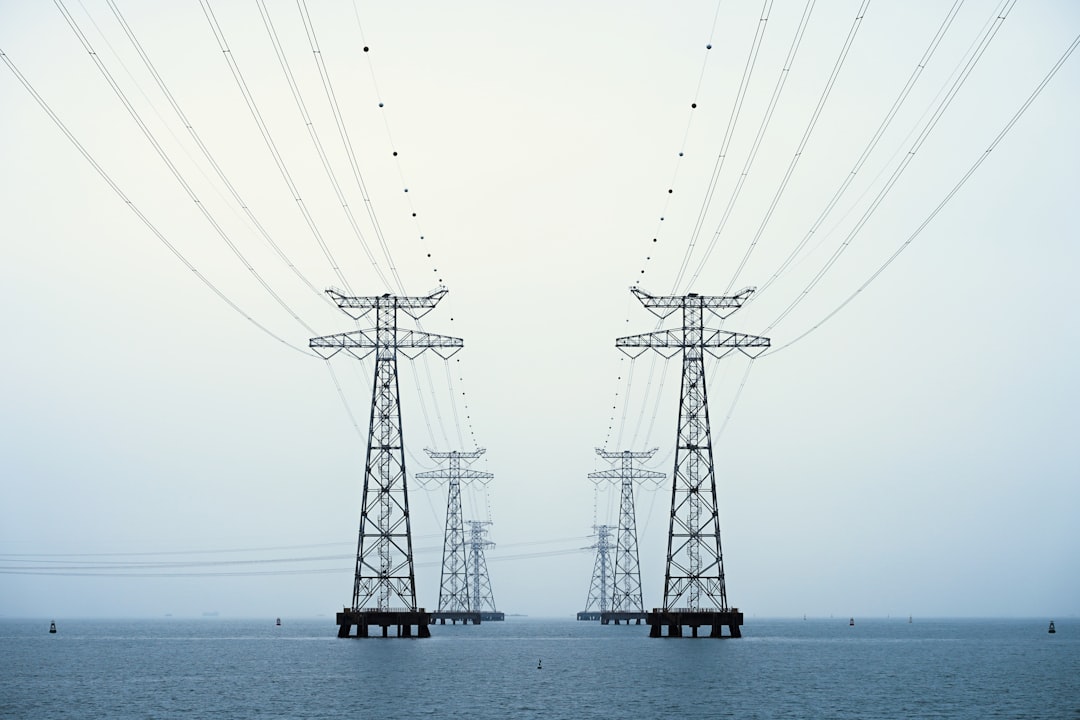
Free energy technology refers to theoretical systems that claim to produce usable energy output greater than the energy input required to operate them, effectively violating the laws of thermodynamics. Despite decades of research and numerous claims, no scientifically validated free energy device has been demonstrated to work as claimed. The scientific consensus maintains that such devices are impossible according to established physical laws, particularly the first and second laws of thermodynamics, which govern energy conservation and entropy.
Various proposed free energy concepts have emerged throughout history, including perpetual motion machines, zero-point energy extractors, and magnetic motor systems. These devices typically fail rigorous scientific testing and peer review. The scientific community continues to investigate renewable energy sources such as solar, wind, hydroelectric, and geothermal power, which harness naturally occurring energy flows rather than creating energy from nothing.
Current renewable energy technologies have demonstrated measurable progress in reducing costs and improving efficiency. Solar photovoltaic costs have decreased by approximately 90% since 2010, while wind energy costs have fallen by about 70% during the same period. These established technologies provide viable pathways toward sustainable energy systems without requiring violations of fundamental physical principles.
Research continues into advanced energy storage, improved efficiency systems, and novel renewable energy applications that operate within known scientific frameworks.
Key Takeaways
- Free energy technology promises transformative societal and environmental benefits by providing unlimited clean energy.
- Historical figures like Nikola Tesla pioneered free energy concepts, but modern inventors often face suppression.
- Government and corporate interests have allegedly interfered to protect established industries threatened by free energy advancements.
- Adoption of free energy could drastically reduce fossil fuel dependence, impacting global economies and power structures.
- Ethical concerns arise over withholding free energy technology, highlighting the need for transparency and accountability.
History of free energy technology: From Nikola Tesla to modern-day inventors
The history of free energy technology is rich and complex, marked by visionary thinkers who dared to challenge conventional wisdom. One of the most notable figures in this narrative is Nikola Tesla, whose groundbreaking work in the late 19th and early 20th centuries laid the foundation for many modern electrical systems. Tesla’s experiments with alternating current and wireless transmission of energy hinted at the possibility of harnessing energy from the environment itself.
His ambitious ideas about tapping into the Earth’s natural energies were met with skepticism and resistance, yet they continue to inspire contemporary inventors seeking to unlock the secrets of free energy. In the decades following Tesla’s innovations, numerous inventors have emerged, each contributing to the evolving landscape of free energy technology. From perpetual motion machines to advanced solar technologies, these pioneers have explored various avenues to create systems that generate energy without depleting resources.
However, many of these inventors have faced significant challenges in bringing their ideas to fruition. The journey from concept to reality has often been fraught with obstacles, including technical limitations and financial constraints. Despite these hurdles, the spirit of innovation persists, as modern-day inventors continue to push the boundaries of what is possible in the realm of free energy.
The suppression of free energy technology: Government and corporate interference
The narrative surrounding free energy technology is not solely one of innovation; it is also marked by a troubling history of suppression. Many proponents argue that government and corporate interests have actively worked to stifle advancements in this field. The reasons for such interference are often rooted in economic motivations—established industries that rely on fossil fuels and traditional energy sources may view free energy technology as a direct threat to their profitability.
As a result, there have been claims of deliberate efforts to discredit inventors and their inventions, often labeling them as impractical or fraudulent. This suppression can take various forms, from legal challenges to financial sabotage. Inventors have reported facing difficulties in securing funding for their projects due to the perceived risks associated with free energy technologies.
Additionally, regulatory hurdles can impede progress, as governments may prioritize existing energy infrastructures over innovative alternatives. The cumulative effect of these barriers has led many to believe that a concerted effort exists to maintain the status quo, hindering the potential benefits that free energy technology could bring to society.
The economic implications of free energy technology: Threats to established industries
The introduction of free energy technology carries significant economic implications that extend far beyond individual households. Established industries, particularly those tied to fossil fuels and conventional energy production, may face existential threats if free energy solutions gain widespread acceptance. The potential for drastically reduced energy costs could disrupt entire markets, leading to job losses in traditional sectors while simultaneously creating new opportunities in emerging fields focused on renewable technologies.
Moreover, the shift towards free energy could catalyze a broader economic transformation. As communities become less reliant on centralized power grids and fossil fuel supply chains, local economies may flourish through decentralized energy production. This shift could empower individuals and small businesses, fostering innovation and entrepreneurship in ways that traditional energy models do not allow.
However, this transition would not come without challenges; established industries may resist change fiercely, lobbying against policies that promote free energy solutions while attempting to protect their interests.
Environmental benefits of free energy technology: Reducing reliance on fossil fuels
| Reason | Description | Impact on Society | Supporting Arguments |
|---|---|---|---|
| Economic Interests | Protecting fossil fuel industries and existing energy markets from disruption. | Maintains current economic structures but delays renewable energy adoption. | Fossil fuel companies have significant lobbying power and investments. |
| Political Power | Governments may avoid destabilizing geopolitical alliances tied to energy resources. | Preserves global power dynamics but limits energy independence. | Control over oil and gas resources influences international relations. |
| Technological Control | Restricting access to advanced energy tech to maintain technological superiority. | Limits innovation diffusion and public access to clean energy. | Military and strategic advantages linked to energy technology. |
| Infrastructure Investment | Existing energy infrastructure investments create resistance to change. | Delays transition to free energy, causing continued environmental harm. | High sunk costs in current energy systems discourage rapid shifts. |
| Social Stability | Concerns about economic disruption and job losses in traditional energy sectors. | Protects current employment but slows progress toward sustainable energy. | Fear of social unrest from rapid industry changes. |
One of the most compelling arguments for the development and adoption of free energy technology lies in its potential environmental benefits.
Free energy technologies offer a pathway toward reducing greenhouse gas emissions and minimizing ecological harm by harnessing renewable resources such as solar, wind, and geothermal energy.
By decreasing reliance on fossil fuels, free energy technology could significantly lower air pollution levels and reduce the carbon footprint associated with traditional energy production methods. This shift would not only benefit human health but also contribute to the preservation of ecosystems that are threatened by industrial activities. Furthermore, as communities adopt sustainable practices through free energy solutions, they can foster a culture of environmental stewardship that prioritizes conservation and responsible resource management.
The social and political implications of free energy technology: Shifting power dynamics
The advent of free energy technology has profound social and political implications that extend beyond mere economics or environmental concerns. As communities gain access to affordable and sustainable energy sources, traditional power dynamics may shift dramatically. Energy independence could empower marginalized populations who have historically been excluded from access to reliable power sources, enabling them to participate more fully in economic and social life.
Moreover, the decentralization of energy production could lead to a reconfiguration of political power structures.
This newfound autonomy could foster greater civic engagement and activism as people advocate for policies that support sustainable practices and equitable access to resources.
The role of conspiracy theories in the suppression of free energy technology
The narrative surrounding free energy technology is often intertwined with conspiracy theories that suggest a deliberate effort by powerful entities to suppress these innovations. While some may dismiss these theories as unfounded paranoia, they reflect a broader skepticism about the motivations behind government and corporate actions regarding alternative energy solutions. Many proponents argue that vested interests fear losing control over lucrative markets and are willing to go to great lengths to maintain their dominance.
These conspiracy theories can serve both as a rallying cry for advocates of free energy technology and as a source of division within the movement itself. While some individuals may be drawn into believing in elaborate plots against inventors, others may focus on tangible evidence of suppression through legal battles or financial obstacles faced by innovators. Regardless of their validity, these theories highlight a pervasive distrust in established institutions and underscore the need for transparency in discussions about energy innovation.
Case studies of inventors and companies facing opposition in developing free energy technology
Numerous case studies illustrate the challenges faced by inventors and companies attempting to develop free energy technology. One notable example is that of John Bedini, an inventor known for his work on radiant energy devices. Bedini’s inventions aimed to harness ambient electromagnetic energies but faced significant pushback from both regulatory bodies and mainstream scientific communities.
His experiences highlight the difficulties encountered by those who challenge established paradigms in pursuit of innovative solutions. Another case is that of Andrea Rossi, who claimed to have developed a cold fusion device capable of producing excess heat through nuclear reactions at room temperature. Rossi’s work attracted both interest and skepticism from various quarters, leading to legal disputes and questions about the validity of his claims.
These examples underscore the broader theme of opposition faced by those who seek to pioneer new technologies that challenge conventional understanding.
The potential for a paradigm shift: How free energy technology could transform society
The potential for a paradigm shift brought about by free energy technology cannot be overstated. If successfully developed and implemented on a large scale, such technologies could fundamentally alter how societies produce and consume energy. This transformation would not only address pressing environmental concerns but also reshape economic structures by promoting decentralized models of production.
As communities embrace free energy solutions, they may experience increased resilience against external shocks such as fluctuating fuel prices or geopolitical tensions related to resource scarcity. This newfound stability could foster innovation across various sectors as individuals are empowered to explore new business models centered around sustainability. Ultimately, the widespread adoption of free energy technology could lead to a more equitable distribution of resources and opportunities.
The ethical considerations of withholding free energy technology from the public
The ethical implications surrounding the withholding of free energy technology from public access raise important questions about responsibility and accountability. As society faces urgent challenges related to climate change and resource depletion, many argue that it is unethical for governments or corporations to suppress innovations that could alleviate these issues. The moral imperative to prioritize human welfare over profit becomes increasingly clear when considering the potential benefits that free energy technologies could offer.
Furthermore, transparency in research and development processes is crucial for fostering public trust in new technologies. When information is withheld or manipulated for financial gain or political advantage, it undermines democratic principles and stifles innovation. Ethical considerations must guide decision-making processes surrounding free energy technology development to ensure that advancements serve the greater good rather than narrow interests.
The need for transparency and accountability in the development and dissemination of free energy technology
In conclusion, the journey toward realizing the potential of free energy technology is fraught with challenges but also filled with promise. As society stands at a crossroads regarding its approach to energy production and consumption, it becomes imperative to advocate for transparency and accountability in this field. By fostering an environment where innovative ideas can flourish without fear of suppression or retribution, society can unlock solutions that address pressing environmental concerns while promoting social equity.
The future of free energy technology holds immense potential for transforming lives across the globe—if only society can navigate the complexities surrounding its development responsibly. Embracing this opportunity requires collective action from individuals, communities, governments, and industries alike to ensure that advancements serve humanity’s best interests rather than perpetuating existing inequalities or environmental harm. Only through collaboration can society harness the full potential of free energy technology for a sustainable future.
Many believe that the government conceals free energy technology to maintain control over energy resources and economic stability. This topic is explored in depth in a related article that discusses the implications of such technologies on society and the environment. For more insights, you can read the article [here](https://www.realloreandorder.com/).
FAQs
What is free energy technology?
Free energy technology refers to devices or systems that purportedly generate energy with little to no input fuel, often claiming to produce more energy than they consume. These technologies are often associated with concepts like perpetual motion machines or zero-point energy.
Why do some people believe the government hides free energy technology?
Some individuals believe governments suppress free energy technology to protect existing energy industries, such as oil and gas, which are significant sources of revenue and employment. They argue that releasing such technology could disrupt the economy and geopolitical power structures.
Is there credible evidence that governments hide free energy technology?
There is no verified or credible evidence that governments possess and deliberately hide free energy technology. Most claims are based on conspiracy theories or unproven inventions that have not passed scientific scrutiny.
What are the scientific challenges with free energy devices?
Free energy devices often violate fundamental laws of physics, such as the conservation of energy. Scientific experiments have consistently shown that devices claiming to produce free energy either do not work as claimed or require external energy inputs.
Have any free energy technologies been successfully developed and commercialized?
To date, no free energy technology has been scientifically validated and commercially developed. Energy generation technologies currently in use rely on known physical principles and energy sources.
Why is transparency important in energy technology development?
Transparency ensures that new technologies are evaluated fairly and scientifically, allowing for innovation and public trust. It also helps prevent misinformation and supports the development of sustainable and efficient energy solutions.
Where can I find reliable information about energy technologies?
Reliable information can be found through scientific journals, government energy departments, reputable universities, and established research institutions specializing in energy science and technology.