
Throughout history, numerous conspiracy theories have emerged, capturing the public’s imagination and often leading to skepticism about official narratives. While many of these theories remain unfounded, some have been substantiated by evidence, revealing unsettling truths about the world.
As investigative journalists delved deeper, they uncovered a web of political corruption that ultimately led to President Richard Nixon’s resignation in 1974. This incident not only validated the suspicions of many but also highlighted the importance of a free press in holding power accountable. Another significant instance is the Tuskegee Syphilis Study, which was initially dismissed by many as a conspiracy theory.
Conducted by the U.S. Public Health Service from 1932 to 1972, this study involved the unethical treatment of African American men who were misled about their health status and denied treatment for syphilis. The revelation of this study’s true nature sparked outrage and led to changes in ethical standards for medical research.
These examples illustrate how some conspiracy theories can serve as catalysts for social change, prompting society to confront uncomfortable truths and demand accountability.
Key Takeaways
- Some conspiracy theories have turned out to be true, such as the CIA’s involvement in mind control experiments and the NSA’s mass surveillance programs.
- Throughout history, governments have been involved in cover-ups, such as the Watergate scandal and the Tuskegee syphilis experiment.
- There is suppressed information about UFOs and extraterrestrial life, including government sightings and encounters.
- Big corporations have dark secrets, such as environmental pollution cover-ups and unethical business practices.
- Classified military operations and experiments, like the MK-Ultra project and the Manhattan Project, have been hidden from the public.
Government Cover-ups Throughout History
Government cover-ups have been a recurring theme in history, often shrouded in secrecy and misinformation. One of the most infamous cover-ups is the Iran-Contra affair, which involved the clandestine sale of arms to Iran to fund Contra rebels in Nicaragua during the 1980s. This operation was conducted without congressional approval and was later exposed, leading to widespread public outrage and investigations.
The affair not only revealed the lengths to which government officials would go to achieve their objectives but also raised questions about the integrity of democratic institutions. Another significant cover-up occurred during the Vietnam War, particularly regarding the My Lai Massacre in 1968. Initially downplayed by military officials, the brutal killing of hundreds of unarmed Vietnamese civilians was kept under wraps until investigative journalism brought it to light.
The subsequent public outcry led to a reevaluation of U.S. military involvement in Vietnam and sparked a broader anti-war movement. These instances underscore the potential consequences of government secrecy and the vital role of transparency in maintaining public trust.
The Suppressed Information About UFOs and Extraterrestrial Life

The topic of UFOs and extraterrestrial life has long been a source of fascination and speculation. For decades, governments around the world have been accused of suppressing information related to unidentified flying objects, leading many to believe that there is more to the story than what is publicly acknowledged. In recent years, declassified documents and testimonies from military personnel have shed light on encounters with unexplained aerial phenomena, prompting renewed interest in the possibility of extraterrestrial life.
In 2020, the Pentagon officially released videos captured by Navy pilots showing unidentified aerial phenomena exhibiting flight characteristics beyond known technology. This revelation marked a significant shift in how such encounters are perceived, moving from fringe conspiracy theories to legitimate topics of discussion within scientific and governmental circles. As more information becomes available, the public’s curiosity about UFOs continues to grow, raising questions about what other secrets may be hidden from view.
The Dark Secrets of Big Corporations
| Company | Dark Secret | Impact |
|---|---|---|
| Amazon | Exploitation of warehouse workers | High stress and low pay |
| Apple | Supplier labor violations | Child labor and poor working conditions |
| Privacy breaches | User data misuse | |
| Spread of misinformation | Impact on elections and public opinion |
Big corporations often operate behind a veil of secrecy, leading to suspicions about their practices and motives. One glaring example is the tobacco industry, which for decades denied the harmful effects of smoking while conducting research that confirmed its dangers. Internal documents revealed that companies were aware of the health risks associated with tobacco but chose to prioritize profits over public health.
This deception not only misled consumers but also contributed to a public health crisis that continues to affect millions. Similarly, the pharmaceutical industry has faced scrutiny for its practices regarding drug pricing and marketing. Allegations of price gouging and unethical marketing tactics have surfaced, raising concerns about the prioritization of profit over patient welfare.
The opioid crisis serves as a stark reminder of how corporate interests can lead to devastating consequences for society. These examples highlight the need for greater transparency and accountability within large corporations, as their actions can have far-reaching implications for public health and safety.
The Classified Military Operations and Experiments
Classified military operations and experiments often remain hidden from public scrutiny, leading to speculation and concern about their ethical implications. One notorious example is Project MKUltra, a covert CIA program that sought to explore mind control techniques through experiments involving drugs, hypnosis, and psychological manipulation. Conducted during the Cold War era, MKUltra raised significant ethical questions about informed consent and human rights violations.
The program’s exposure in the 1970s revealed a disturbing willingness on the part of government agencies to experiment on unwitting subjects. Another classified operation that has come under scrutiny is Operation Northwoods, a proposed plan by U.S. military leaders in the early 1960s to stage false-flag terrorist attacks as a pretext for military intervention in Cuba.
Although this plan was never executed, its existence highlights the lengths to which military officials were willing to go to achieve political objectives. These examples underscore the importance of oversight and accountability in military operations, as unchecked power can lead to grave ethical violations.
The Hidden Agendas of Secret Societies
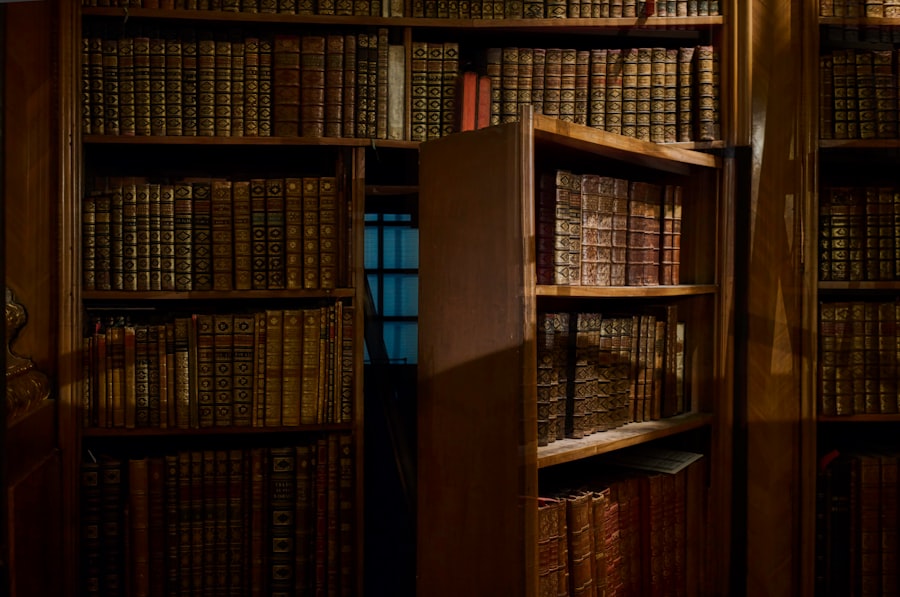
Secret societies have long been associated with conspiracy theories, often portrayed as shadowy organizations wielding significant influence over global events. While many claims about these groups remain speculative, some historical evidence suggests that certain secret societies have indeed played pivotal roles in shaping political landscapes. The Freemasons, for instance, have been linked to various political movements throughout history, with members often occupying influential positions in government and society.
Another example is the Bilderberg Group, an annual conference attended by political leaders, business executives, and academics from around the world. Critics argue that this gathering represents an elite cabal making decisions behind closed doors that affect global policy without public input or accountability. While proponents assert that these meetings foster dialogue on pressing issues, skeptics remain wary of the potential for hidden agendas that may not align with democratic principles.
These instances illustrate how secret societies can fuel suspicion and distrust among the public.
The Censored Scientific Discoveries
Scientific discoveries have sometimes faced censorship or suppression due to political or ideological reasons. One notable example is the research surrounding climate change, where scientists have encountered pushback from industries with vested interests in fossil fuels. Despite overwhelming evidence supporting human-induced climate change, some corporations and political entities have sought to downplay or discredit this research to protect their economic interests.
This resistance not only hampers progress in addressing climate issues but also poses significant risks to global health and sustainability. Another area where scientific discoveries have faced censorship is in medical research related to alternative treatments or therapies that challenge established norms. For instance, studies exploring the potential benefits of certain natural remedies or holistic approaches have often been met with skepticism or outright dismissal by mainstream medical institutions.
This reluctance to embrace alternative perspectives can stifle innovation and limit patients’ access to potentially beneficial treatments. These examples highlight the importance of fostering an open scientific dialogue that encourages exploration and critical thinking.
The Truth Behind Famous Assassinations and Political Scandals
Famous assassinations and political scandals often give rise to conspiracy theories fueled by unanswered questions and conflicting narratives. The assassination of President John F. Kennedy in 1963 remains one of the most scrutinized events in American history.
While the official account attributes his death to lone gunman Lee Harvey Oswald, numerous theories suggest involvement by various parties, including organized crime and government agencies. The lack of transparency surrounding key evidence has perpetuated speculation and distrust among the public. Similarly, the Watergate scandal not only exposed corruption within Nixon’s administration but also raised questions about broader political machinations at play during that era.
The subsequent cover-up efforts revealed a culture of deceit that extended beyond individual actors, prompting widespread disillusionment with government institutions. These events underscore how political assassinations and scandals can shape public perception and fuel ongoing debates about accountability and transparency in governance.
The Confidential Information About Surveillance and Spying
In an age where technology plays an increasingly central role in daily life, concerns about surveillance and spying have become more pronounced. Revelations from whistleblowers like Edward Snowden exposed extensive government surveillance programs that collected data on citizens without their knowledge or consent.
Moreover, corporate surveillance has also come under scrutiny as companies collect vast amounts of personal data for targeted advertising and other purposes. This practice raises ethical questions about consent and data ownership, as individuals often remain unaware of how their information is being used or shared. As technology continues to evolve, discussions surrounding surveillance will likely intensify, emphasizing the need for robust protections against invasive practices.
The Untold Stories of Historical Events
History is often shaped by narratives that prioritize certain perspectives while marginalizing others. Many untold stories reveal complexities that challenge dominant historical accounts. For instance, the contributions of women and people of color throughout history have frequently been overlooked or minimized in mainstream narratives.
The suffragette movement is one such example; while often associated with prominent figures like Susan Anthony, countless women played crucial roles in advocating for women’s rights yet remain largely unrecognized. Similarly, indigenous peoples’ histories are often relegated to footnotes in broader historical accounts despite their rich cultural legacies and contributions to society. The impact of colonization on indigenous communities has profound implications that continue to resonate today but are frequently omitted from traditional historical narratives.
By uncovering these untold stories, society can gain a more nuanced understanding of its past and work towards greater inclusivity in historical discourse.
The Forbidden Knowledge of Ancient Civilizations
Ancient civilizations hold a wealth of knowledge that continues to intrigue scholars and enthusiasts alike. However, much of this knowledge remains shrouded in mystery due to limited archaeological evidence or cultural taboos surrounding certain practices or beliefs. For instance, ancient texts from civilizations such as Mesopotamia or Egypt contain references to advanced technologies or astronomical knowledge that challenge contemporary understandings of their capabilities.
Additionally, many ancient cultures possessed intricate systems of knowledge related to medicine, agriculture, and spirituality that have been lost or suppressed over time. The study of these civilizations can provide valuable insights into human history and development but often faces obstacles due to prevailing narratives that prioritize certain perspectives over others. By exploring this forbidden knowledge, researchers can uncover forgotten wisdom that may still hold relevance today.
In conclusion, conspiracy theories, government cover-ups, suppressed information, corporate secrets, classified operations, secret societies, censored scientific discoveries, political scandals, surveillance practices, untold historical stories, and ancient knowledge all contribute to a complex tapestry of human experience marked by intrigue and skepticism. As society continues to grapple with these issues, fostering transparency and open dialogue will be essential in navigating an increasingly interconnected world where truth remains paramount.
In exploring the theme of secrets kept from the public, one can delve into the intriguing insights presented in the article found on Real Lore and Order. This article sheds light on various hidden truths and the implications of keeping such information from society, prompting readers to question the narratives they have been presented with.
WATCH THIS! The 20 Things History Buried To Protect Us
FAQs
What are some common secrets kept from the public?
Some common secrets kept from the public include government classified information, corporate trade secrets, and personal privacy information.
Why are secrets kept from the public?
Secrets are kept from the public for various reasons, including national security, protection of sensitive information, maintaining a competitive advantage, and respecting individuals’ privacy.
How do secrets impact the public?
Secrets can impact the public by influencing decision-making, shaping public perception, and affecting individuals’ rights and freedoms. They can also lead to mistrust and speculation.
Who is responsible for keeping secrets from the public?
Various entities are responsible for keeping secrets from the public, including government agencies, private companies, and individuals who are entrusted with confidential information.
What are the ethical considerations of keeping secrets from the public?
The ethical considerations of keeping secrets from the public include balancing the need for transparency with the protection of sensitive information, respecting individuals’ privacy rights, and ensuring accountability and trustworthiness.