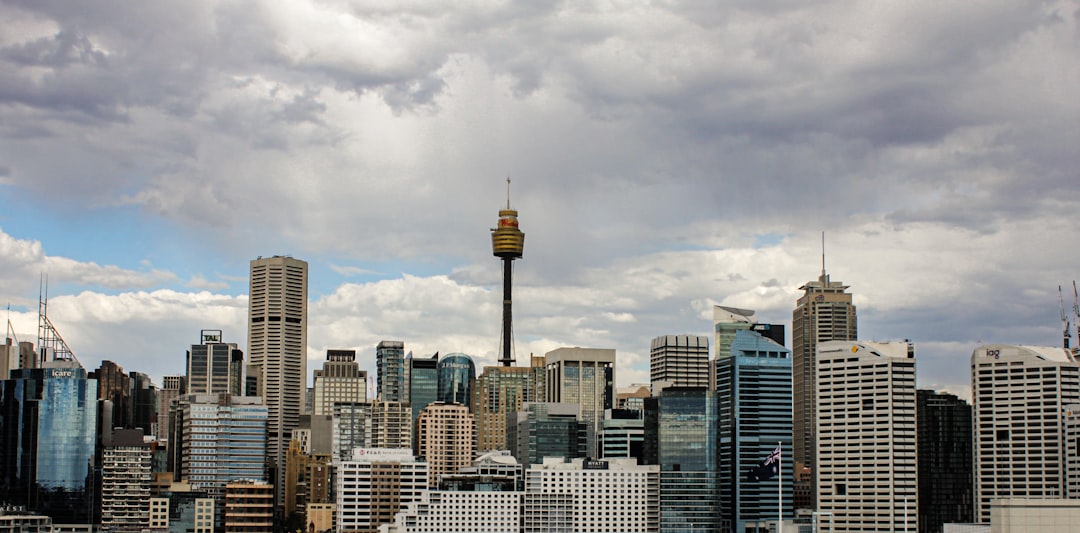
The high cost of rent in Australia has become a pressing issue for many individuals and families across the nation. As urban centers continue to grow and evolve, the financial burden of securing a place to live has escalated dramatically. This phenomenon is not merely a reflection of local economic conditions but is influenced by a complex interplay of factors, including supply and demand dynamics, population growth, and government policies.
The rising rental prices have sparked widespread concern, prompting discussions about housing affordability and the implications for renters. In recent years, the rental market in Australia has seen significant fluctuations, with many cities experiencing unprecedented increases in rental costs. This trend has left many renters feeling squeezed, as their incomes struggle to keep pace with the soaring prices.
The situation has become so dire that it has led to calls for urgent reforms and innovative solutions to address the challenges faced by those seeking affordable housing. Understanding the underlying causes of this crisis is essential for developing effective strategies to alleviate the burden on renters and ensure that housing remains accessible to all.
Key Takeaways
- The high cost of rent in Australia is influenced by supply and demand, population growth, and urbanization.
- Government policies and regulations play a significant role in influencing rental costs in Australia.
- Foreign investment has an impact on the rental market, affecting affordability for local renters.
- Rising property prices and wage stagnation contribute to the housing affordability crisis in Australia.
- Infrastructure and amenities also play a role in influencing rental prices in Australia.
Supply and Demand: The Impact on Rental Prices
The fundamental economic principle of supply and demand plays a crucial role in determining rental prices across Australia. When demand for rental properties outstrips supply, prices inevitably rise. In many urban areas, particularly in major cities like Sydney and Melbourne, the demand for rental properties has surged due to various factors, including population growth and increased migration.
This heightened demand has created a competitive market where prospective tenants often find themselves bidding against one another for limited housing options. Conversely, the supply of rental properties has not kept pace with this growing demand. Various factors contribute to this imbalance, including zoning regulations, construction delays, and a lack of investment in new housing developments.
As a result, many renters are left with few choices, leading to increased competition and higher prices. This cycle of rising demand and stagnant supply continues to exacerbate the affordability crisis, making it increasingly difficult for individuals and families to secure suitable housing within their budget.
Population Growth and Urbanization: Driving Up Rent Prices
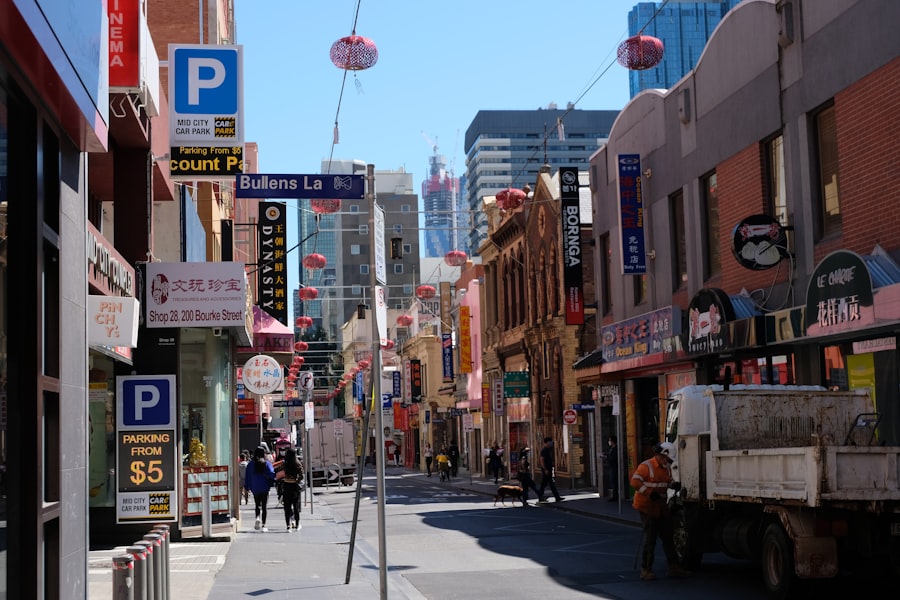
Australia’s population growth and urbanization trends have significantly impacted rental prices in recent years. The country has experienced a steady influx of people moving to urban centers in search of better job opportunities, education, and lifestyle amenities. This migration has intensified the demand for rental properties in cities, further driving up prices.
As more individuals flock to metropolitan areas, the competition for available housing becomes fiercer, leading to increased rental costs. Urbanization also contributes to the rising cost of rent by creating a concentration of economic activity in specific regions. As businesses and services cluster in urban areas, they attract more residents seeking proximity to employment opportunities.
This phenomenon not only increases demand for housing but also leads to gentrification in certain neighborhoods, where property values and rents rise as wealthier individuals move in. Consequently, long-time residents may find themselves priced out of their communities, exacerbating the challenges faced by renters across Australia.
Housing Affordability Crisis: Affecting Renters Across Australia
| City | Median Rent | Percentage of Income Spent on Rent | Number of Affordable Rental Properties |
|---|---|---|---|
| Sydney | 550 | 30% | 2000 |
| Melbourne | 480 | 28% | 1800 |
| Brisbane | 400 | 25% | 1500 |
| Perth | 420 | 27% | 1200 |
The housing affordability crisis in Australia has reached alarming levels, affecting renters from all walks of life. Many individuals and families are finding it increasingly difficult to secure affordable housing that meets their needs. The rising cost of rent has forced some renters to make significant sacrifices, such as living in less desirable areas or compromising on space and amenities.
This situation has led to heightened stress and anxiety for many households as they struggle to balance their budgets while meeting their housing needs. Moreover, the affordability crisis is not limited to low-income earners; even middle-income families are feeling the pinch as rental prices continue to soar. The increasing cost of living, coupled with stagnant wages, has created a perfect storm for renters who are already stretched thin financially.
As a result, many are left with little choice but to seek assistance from government programs or rely on family support to make ends meet. The implications of this crisis extend beyond individual households; they also impact local economies and communities as people are forced to relocate or make difficult financial decisions.
Impact of Foreign Investment on Rental Market
Foreign investment has emerged as a significant factor influencing the Australian rental market. Wealthy investors from overseas have increasingly turned their attention to Australian real estate, viewing it as a stable and lucrative opportunity. This influx of foreign capital has contributed to rising property prices, which in turn affects rental costs.
As investors purchase properties for rental income or capital appreciation, they often drive up prices beyond what local residents can afford. The impact of foreign investment is particularly pronounced in major cities where demand is already high.
This phenomenon can lead to frustration among local renters who find themselves competing against investors with deeper pockets. As the rental market becomes increasingly influenced by global capital flows, addressing the challenges posed by foreign investment will be crucial for ensuring that housing remains accessible to Australian residents.
Government Policies and Regulations: Influence on Rental Costs

Government policies and regulations play a pivotal role in shaping the rental market landscape in Australia. Various measures have been implemented at both state and federal levels to address housing affordability and protect renters’ rights. However, the effectiveness of these policies is often debated, with critics arguing that they may inadvertently contribute to rising rental costs rather than alleviate them.
For instance, regulations aimed at increasing housing supply through incentives for developers can sometimes lead to unintended consequences. If not carefully designed, such policies may result in an oversupply of high-end properties while neglecting the needs of low- and middle-income renters. Additionally, rent control measures can create disincentives for landlords to maintain or invest in their properties, ultimately leading to a decline in housing quality.
Striking the right balance between protecting renters and encouraging investment in affordable housing remains a complex challenge for policymakers.
Rental Market Competition: Impact on Affordability
The competitive nature of the rental market significantly impacts affordability for prospective tenants. In areas where demand far exceeds supply, landlords often have the upper hand when it comes to setting rental prices. This competition can lead to bidding wars among potential tenants, driving prices even higher as individuals vie for limited available properties.
Such dynamics create an environment where renters may feel pressured to accept unfavorable terms or pay more than they initially budgeted. Moreover, this competition can disproportionately affect vulnerable populations, including students, low-income families, and those on fixed incomes. As these groups struggle to compete with higher-income renters who can afford to pay more, they may find themselves pushed out of desirable neighborhoods or forced into substandard living conditions.
The impact of this competitive landscape extends beyond individual experiences; it also shapes community dynamics as long-time residents are displaced in favor of wealthier newcomers.
Rising Property Prices and Rental Costs
The correlation between rising property prices and escalating rental costs is evident across Australia’s major cities. As property values increase due to factors such as foreign investment and urban development, landlords often pass these costs onto tenants in the form of higher rents. This trend creates a cycle where rising property prices lead directly to increased rental costs, further straining affordability for renters.
In many cases, property owners justify rent increases by citing rising maintenance costs or property taxes; however, these justifications do not always align with tenants’ financial realities.
This disconnect between property values and tenant incomes highlights the urgent need for comprehensive solutions that address both sides of the equation—ensuring that property owners can maintain their investments while also safeguarding renters’ rights and affordability.
Wage Stagnation and Rental Affordability
Wage stagnation is another critical factor contributing to the challenges faced by renters in Australia. While rental prices have surged over recent years, wages have not kept pace with these increases, leading to a growing disparity between income levels and housing costs. Many workers find themselves earning similar salaries year after year while facing rising living expenses, including rent.
This stagnation creates significant pressure on households as they attempt to allocate their limited resources toward housing costs while managing other essential expenses such as food, transportation, and healthcare. For many families, this means making difficult choices about where they live or how much they can spend on rent each month. The disconnect between stagnant wages and rising rental prices underscores the need for policy interventions aimed at improving wage growth alongside efforts to enhance housing affordability.
Impact of Infrastructure and Amenities on Rental Prices
Infrastructure development and access to amenities play a vital role in shaping rental prices across Australia’s urban landscape. Areas with well-developed public transport systems, schools, parks, and shopping centers tend to attract higher demand from renters seeking convenience and quality of life. Consequently, landlords in these desirable locations often command premium rents due to the added value that proximity to amenities provides.
As cities continue to grow and evolve, infrastructure investments can significantly influence rental markets by either enhancing or diminishing property values. For instance, new transport links can open up previously less desirable areas for development, leading to increased demand—and subsequently higher rents—in those neighborhoods. Conversely, areas lacking adequate infrastructure may see stagnant or declining rental prices as potential tenants seek out locations that offer better access to essential services.
Future Outlook: Addressing the High Cost of Australian Rent
Looking ahead, addressing the high cost of rent in Australia will require a multifaceted approach that considers various economic factors and social implications. Policymakers must prioritize initiatives aimed at increasing housing supply while ensuring that new developments cater to diverse income levels. This could involve revisiting zoning regulations or providing incentives for developers who focus on affordable housing projects.
Additionally, fostering collaboration between government entities, private developers, and community organizations will be essential for creating sustainable solutions that benefit all stakeholders involved in the rental market. By taking proactive steps toward addressing these challenges—such as investing in infrastructure improvements or implementing policies that promote wage growth—Australia can work toward creating a more equitable housing landscape where all residents have access to affordable rental options. In conclusion, the high cost of rent in Australia is a complex issue influenced by various interrelated factors ranging from supply-demand dynamics to government policies and wage stagnation.
As the nation grapples with this ongoing crisis, it is imperative that stakeholders come together to develop innovative solutions that prioritize affordability while fostering sustainable growth within the rental market.
The rising cost of rent in Australia has become a pressing issue for many residents, driven by factors such as limited housing supply and increasing demand. For a deeper understanding of this phenomenon, you can read a related article that explores the various elements contributing to high rental prices in the country. Check it out here: Why is Australian Rent So High?.
WATCH THIS! Why Australia’s Middle Class Is Disappearing
FAQs
What factors contribute to high rent in Australia?
Several factors contribute to high rent in Australia, including high demand for rental properties, limited housing supply, population growth, and the cost of construction and land.
How does high demand for rental properties affect rent prices in Australia?
High demand for rental properties in Australia, particularly in major cities, drives up rent prices as tenants compete for limited available housing.
What role does limited housing supply play in high rent prices in Australia?
Limited housing supply, especially in high-demand areas, leads to increased competition among renters and higher rent prices due to the imbalance between supply and demand.
How does population growth impact rent prices in Australia?
Population growth in Australia, particularly in urban areas, increases the demand for rental properties, putting upward pressure on rent prices.
Why does the cost of construction and land contribute to high rent in Australia?
The high cost of construction and land in Australia directly impacts the cost of building new rental properties, which in turn affects rent prices as landlords seek to recoup their investment.