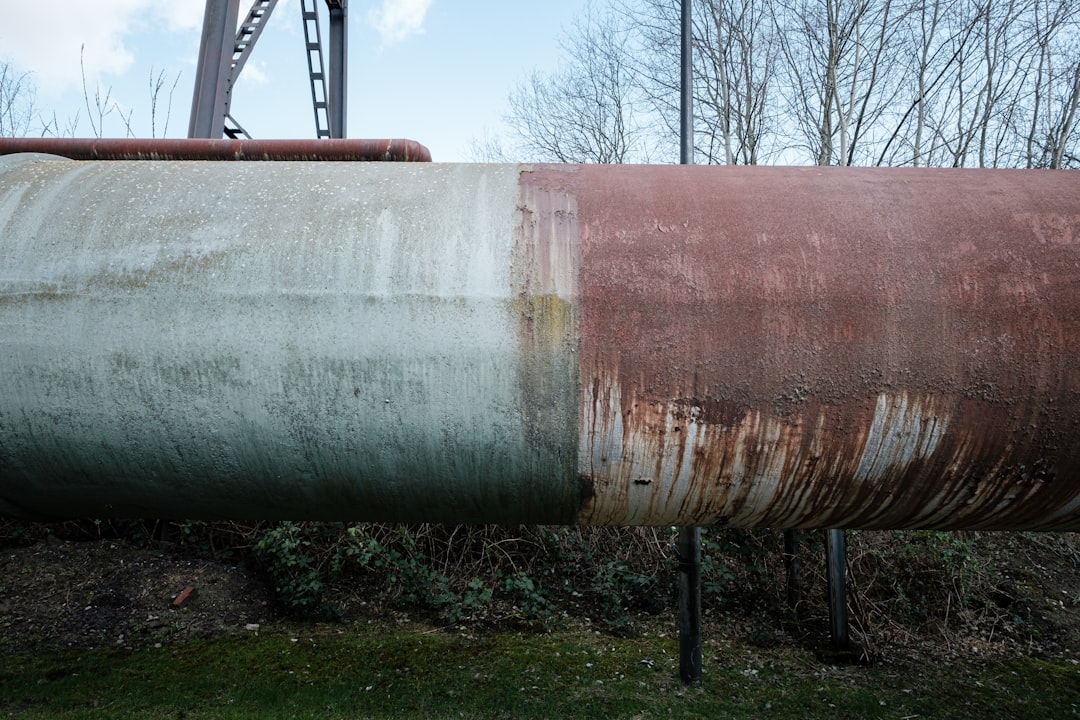
The Nord Stream pipeline, a pair of offshore natural gas pipelines running from Russia to Germany under the Baltic Sea, has been a significant infrastructure project with far-reaching implications. Its operational existence, and subsequent cessation of operations for Nord Stream 1 and the indefinite hold on Nord Stream 2, have profoundly affected the European energy landscape and, consequently, its manufacturing sector. This article examines the various facets of this impact, dissecting how the pipeline, often acting as a veritable umbilical cord for energy, shaped industrial production across the continent.
The construction and operation of the Nord Stream pipelines were never purely commercial ventures; they were, and remain, deeply embedded in geopolitical considerations. Russia, as a primary energy supplier, sought to diversify its export routes, bypassing transit countries with whom it often had contentious relationships. Germany, and indeed much of Europe, aimed to secure a stable and affordable supply of natural gas to fuel its industries and heat its homes. This interwoven dynamic created a complex web of dependencies and opportunities. The recent report highlights the impact of [Germany factory closures] on the European economy.
Diversification of Supply Routes
From Russia’s perspective, Nord Stream offered a direct pathway to its largest European customers. This reduced reliance on overland pipelines traversing countries like Ukraine, which periodically experienced disputes over transit fees or political tensions that threatened gas flow. For Europe, Nord Stream diversified its sources of supply less so than its routes. The fundamental source remained Russia, creating a single point of failure in times of geopolitical upheaval.
Energy Security Concerns
The increased reliance on Russian gas via Nord Stream raised pertinent questions about Europe’s energy security. While the pipeline initially provided a reliable flow, the concentration of supply in one geopolitical actor, particularly one demonstrating increasingly assertive foreign policy, became a vulnerability. This was akin to placing too many eggs in one basket, a risk that materialized with the escalation of tensions in Eastern Europe.
The Role of Natural Gas in Manufacturing
Natural gas is not merely a fuel for heating; it is a critical feedstock and energy source for a vast array of manufacturing processes. Its clean-burning properties and high calorific value make it an attractive option for industrial applications, from chemical production to metallurgy.
The Nord Stream pipeline has had significant implications for the manufacturing sector, particularly in Europe, where energy costs have surged due to geopolitical tensions. As industries grapple with rising expenses, many are reevaluating their operational strategies and supply chains. For a deeper understanding of how these changes are affecting manufacturing dynamics, you can read the related article on this topic at Real Lore and Order.
Direct Economic Impacts on Manufacturing
The direct economic impacts of the Nord Stream pipeline on the manufacturing sector were initially characterized by the promise of stable and affordable energy. This perceived advantage influenced investment decisions, production costs, and overall competitiveness.
Lower Energy Costs and Competitiveness
During periods of stable gas flow, Nordially via Nord Stream, European manufacturers, particularly in Germany, benefited from relatively lower energy costs compared to regions reliant on more expensive fuel sources or alternative gas import routes. This cost advantage served as a significant competitive edge, allowing industrial giants to maintain profitability and invest in expansion. For energy-intensive sectors like chemicals, steel, and glass, natural gas acted as a foundational element of their cost structure.
Investment in Gas-Dependent Industries
The assured supply of Russian natural gas encouraged significant investment in industries heavily reliant on this fuel. Chemical plants, for instance, utilize natural gas not only for energy but also as a feedstock for producing ammonia, methanol, and various plastics. The perceived long-term availability and affordability spurred capacity expansion and technological upgrades in these sectors, creating a robust industrial ecosystem.
Supply Chain Resilience and Vulnerability
While Nord Stream contributed to a perceived sense of energy security, its eventual disruption exposed a profound vulnerability within European supply chains. Manufacturers, accustomed to a steady stream of affordable gas, found themselves grappling with soaring prices and potential shortages. This disruption rippled through entire value chains, affecting everything from basic raw materials to complex finished goods.
Adapting to Disruption: Challenges and Responses
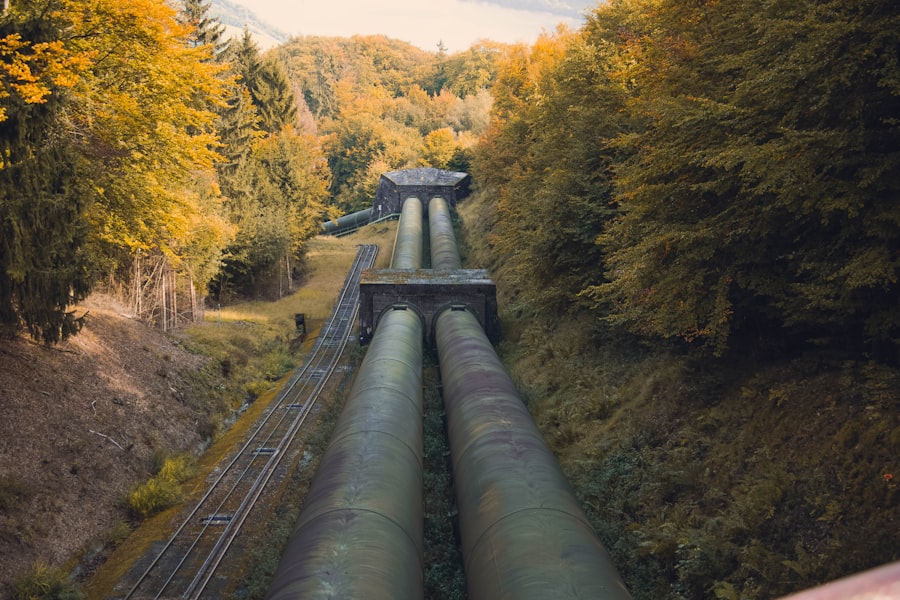
The cessation of natural gas flow through Nord Stream 1 and the indefinite postponement of Nord Stream 2’s operation acted as a seismic shock to the European manufacturing landscape. Companies were suddenly faced with a new reality, forcing rapid adaptation and strategic shifts.
Soaring Energy Prices
The most immediate and impactful consequence was the dramatic increase in natural gas prices. As a commodity, natural gas prices surged on international markets in response to reduced supply and heightened geopolitical uncertainty. This directly translated into significantly higher operating costs for manufacturers, eating into profit margins and, in some cases, forcing production curtailments or even closures. Imagine a factory floor where the cost of illumination and power for machinery suddenly triples; this is the magnitude of the challenge many faced.
Production Curtailments and Relocations
Faced with unsustainable energy costs, many energy-intensive manufacturers were compelled to scale back production. Some industries, such as fertilizer production, saw significant output reductions. In more extreme cases, some companies explored or initiated plans for relocating production to regions with more stable and affordable energy supplies. This phenomenon, often termed “deindustrialization” or “energy exile,” represents a significant threat to Europe’s industrial base.
Strategic Shifts in Energy Consumption
The crisis spurred a fervent push for energy efficiency and diversification. Manufacturers accelerated investments in energy-saving technologies, upgraded machinery, and explored alternative fuel sources. This was not merely about cost-cutting; it became a matter of survival and maintaining operational continuity.
Long-Term Repercussions and Future Outlook
The long-term repercussions of the Nord Stream saga are still unfolding, but it is clear that the European manufacturing sector is undergoing a profound transformation. The foundational energy assumptions that underpinned decades of industrial strategy have been upended.
Decarbonization and Renewable Energy Transition
The energy crisis catalyzed by the Nord Stream disruption has inadvertently accelerated Europe’s push towards decarbonization and renewable energy sources. The vulnerability exposed by reliance on fossil fuels from a single, politically volatile source has strengthened the argument for investing heavily in wind, solar, and other sustainable energy technologies. This transition, while environmentally beneficial, also presents challenges in terms of intermittency and grid stability.
Reshaping Supply Chains
Manufacturers are actively re-evaluating their supply chain resilience, with a focus on reducing reliance on single-country suppliers and strengthening regional sourcing. The vulnerability revealed by the Nord Stream situation highlighted the need for more diversified and robust supply networks. This might lead to “reshoring” or “friend-shoring” of production, bringing it closer to home or to politically aligned nations.
Innovation and Technological Advancements
Necessity truly is the mother of invention. The energy crisis has spurred innovation in areas such as industrial energy management, waste heat recovery, and the development of alternative processes that require less natural gas. Research and development efforts are being intensified to find breakthrough solutions that reduce energy intensity across industrial sectors.
The impact of the Nord Stream pipeline on manufacturing has been a topic of significant discussion, particularly regarding energy costs and supply chain dynamics in Europe. A related article explores how fluctuations in energy availability can directly influence production rates and operational efficiency in various sectors. For more insights on this subject, you can read the full article here. Understanding these implications is crucial for manufacturers as they navigate the evolving energy landscape.
Policy Responses and Mitigation Strategies
| Metric | Before Nord Stream Pipeline | After Nord Stream Pipeline | Impact on Manufacturing |
|---|---|---|---|
| Natural Gas Supply (billion cubic meters) | 150 | 220 | +46.7% increase in gas availability |
| Manufacturing Energy Costs (index) | 100 | 85 | 15% reduction in energy costs |
| Manufacturing Output (index) | 100 | 115 | 15% increase in output |
| Industrial Employment (thousands) | 500 | 530 | 6% increase in jobs |
| CO2 Emissions from Manufacturing (million tons) | 80 | 75 | 6.25% reduction due to cleaner gas |
Governments and industry bodies have not remained passive in the face of these challenges. A raft of policy responses and mitigation strategies has been implemented to support the manufacturing sector through this turbulent period.
Emergency Energy Measures
To cushion the blow of soaring energy prices, many European governments introduced emergency measures. These included price caps on natural gas and electricity for industrial users, subsidies for energy-intensive companies, and tax breaks to alleviate the financial burden. Such interventions, while necessary in the short term, often carry fiscal costs and can distort market signals.
Investment in Alternative Infrastructure
A concerted effort is underway to build new energy infrastructure that reduces reliance on Russian gas. This includes the rapid expansion of Liquefied Natural Gas (LNG) import terminals, allowing for gas shipments from diverse global sources. Investment in interconnectors and hydrogen infrastructure is also being prioritized as part of a broader strategy to diversify the energy mix.
Strategic Resilience Planning
Businesses are now actively engaging in strategic resilience planning, incorporating energy security into their core risk management frameworks. This involves not only diversifying energy sources but also developing contingency plans for potential disruptions, stockpiling critical materials, and cross-training staff to adapt to changing operational requirements.
The Nord Stream pipelines stand as a poignant example of the intricate relationship between energy infrastructure, geopolitics, and industrial prosperity. Initially conceived as a reliable conduit for vital energy, their journey from operational success to political contention and ultimately, cessation, has etched a new reality for European manufacturing. This journey has been a stark lesson in the vulnerabilities inherent in concentrated energy dependencies.
The manufacturing sector, often considered the backbone of modern economies, is now navigating a complex landscape defined by higher energy costs, renewed focus on energy independence, and an accelerated transition towards sustainable alternatives. The coming years will undoubtedly witness further transformations, as industries adapt, innovate, and rebuild their foundations in an energy paradigm irrevocably altered by the Nord Stream saga. For the reader, this detailed account illustrates not just a historical event, but a living case study in economic resilience and the relentless pursuit of adaptation in the face of fundamental change. The ripples of the Nord Stream disruption will continue to spread, shaping industrial policy and technological advancement for decades to come, challenging manufacturers to become ever more agile and resourceful.
WATCH THIS 🔴 SHOCKING: Why Germany’s Factory Exodus Is Permanent (Not Temporary)
FAQs
What is the Nord Stream pipeline?
The Nord Stream pipeline is a major natural gas pipeline that runs under the Baltic Sea, directly connecting Russia to Germany. It is designed to transport large volumes of natural gas to Europe, enhancing energy supply security and efficiency.
How does the Nord Stream pipeline affect manufacturing industries?
The Nord Stream pipeline impacts manufacturing by providing a stable and cost-effective supply of natural gas, which is a critical energy source and raw material for many manufacturing processes. Reliable energy supply helps maintain production levels and reduces operational costs.
What are the potential risks to manufacturing if the Nord Stream pipeline faces disruptions?
Disruptions to the Nord Stream pipeline can lead to energy shortages or increased gas prices, which may cause manufacturing slowdowns, higher production costs, and potential supply chain interruptions, especially in energy-intensive industries.
How does the Nord Stream pipeline influence energy prices in Europe?
By increasing the supply of natural gas to Europe, the Nord Stream pipeline can help stabilize or reduce energy prices. Lower energy costs benefit manufacturers by decreasing expenses related to heating, electricity, and raw material processing.
Are there environmental concerns related to the Nord Stream pipeline that affect manufacturing?
Environmental concerns include potential impacts on marine ecosystems during construction and operation. Additionally, reliance on fossil fuels like natural gas raises questions about long-term sustainability and carbon emissions, which can influence manufacturing policies and regulations.