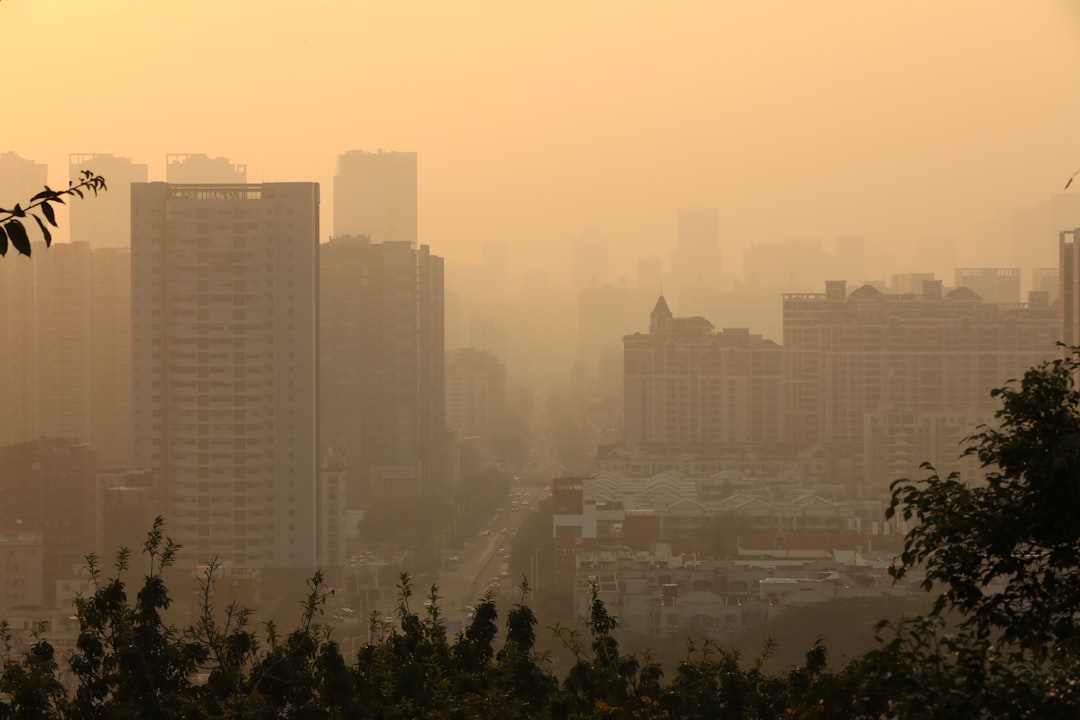
The widespread practice of sand mining, while crucial for infrastructure development and industrial processes, casts a significant shadow over environmental health, particularly regarding air quality. This article delves into the multifaceted impact of sand mining on atmospheric conditions, focusing on the pervasive problem of dust pollution and its cascade of consequences. Readers are invited to consider the intricate web of cause and effect, where the seemingly innocuous act of extracting a common resource can have far-reaching and often detrimental effects on the air they breathe.
Sand mining encompasses a variety of extraction methods, each with its own characteristic emissions profile. It’s not a monolithic activity; rather, it’s a spectrum of operations that, while distinct, share a common thread of atmospheric perturbation. Learn about the environmental impacts of sand mining in this informative video.
Extraction Methodologies and Their Dust Generation
The methods employed in sand mining are diverse, ranging from low-tech manual extraction to highly mechanized operations. Each method contributes uniquely to the dust burden in the atmosphere.
Manual Extraction
In many developing regions, sand is still extracted manually from riverbeds and beaches. This often involves workers shoveling sand into trucks or boats. While seemingly less impactful than large-scale operations due to the absence of heavy machinery, manual extraction can still generate considerable localized dust, especially in dry conditions. The sheer volume of manual operations aggregated across numerous sites can collectively contribute to regional air quality degradation, like countless small faucets all dripping into a single basin.
Dredging
Dredging operations, typically employed in water bodies such as rivers, lakes, and coastal areas, involve the use of specialized vessels equipped with pumps or mechanical excavators to remove sand from the seabed or riverbed. While the initial extraction itself occurs underwater, the subsequent dewatering, classification, and transportation of the sand generate significant airborne particulate matter. The process of pumping sand slurry, often followed by its deposition onto land for drying, releases fine dust particles when the water evaporates, effectively converting a liquid-borne problem into an airborne one.
Open-Pit Mining
Terrestrial sand mining, often referred to as open-pit mining, involves the excavation of sand deposits from land. This method is characterized by the use of heavy machinery such as excavators, bulldozers, and loaders. The digging, loading, and transportation of sand within the mine site, combined with the disturbance of surrounding topsoil and vegetation, are major sources of dust. Haul roads, often unpaved, become veritable arteries of dust, particularly during dry periods. The sheer scale of these operations means that localized dust plumes can become regional phenomena.
Chemical Composition of Sand-Derived Particulates
The dust generated from sand mining is not merely inert soil; its chemical composition is a critical factor in determining its health and environmental impacts.
Silicate Dust
The primary component of sand is silicon dioxide (SiO2), making silicate dust a predominant emission. Crystalline silica, a specific form of silicon dioxide, is a known respiratory hazard. When inhaled, these sharp, microscopic particles can embed themselves in lung tissue, leading to inflammatory responses and long-term respiratory diseases. The mining process, particularly crushing and screening, can fracture sand grains into finer, more respirable crystalline silica.
Heavy Metals and Other Trace Elements
Beyond silicates, sand deposits can contain various heavy metals and other trace elements, depending on the geological origin of the sand. These can include iron, aluminum, titanium, lead, cadmium, and arsenic. When these sands are disturbed and pulverized, these heavy metals can become airborne, posing additional health risks upon inhalation. The dust acts as a Trojan horse, carrying these insidious agents directly into the human respiratory system.
Organic Matter and Biological Contaminants
In some instances, particularly in riverine or coastal environments, sand deposits may be mixed with organic matter, including decaying plant and animal material, and even biological contaminants such as bacteria or fungi. When these are aerosolized during mining activities, they can contribute to respiratory issues and allergic reactions in exposed populations. The dust then becomes a composite, a mosaic of natural and anthropogenic influences.
Sand mining has significant implications for air quality, particularly due to the dust pollution it generates. An insightful article discussing the environmental impacts of sand mining and its contribution to air quality degradation can be found at this link. The article highlights the various ways in which particulate matter from sand mining operations affects both human health and the surrounding ecosystem, emphasizing the need for stricter regulations and sustainable practices in the industry.
Dispersion and Atmospheric Transport of Dust
The impact of sand mining dust extends far beyond the immediate extraction site. Understanding its dispersion and atmospheric transport is crucial for comprehending its regional and even global reach.
Factors Influencing Dust Dispersion
Several meteorological and geographical factors play a critical role in how far and wide sand mining dust travels.
Wind Speed and Direction
Wind is the primary driver of dust dispersion. Higher wind speeds lead to greater entrainment of dust particles and their onward transport over larger distances. The prevailing wind direction dictates the trajectory of these dust plumes, affecting communities and ecosystems downwind. A consistent wind pattern can create a perpetual dust corridor, relentlessly impacting a particular area.
Atmospheric Stability
Atmospheric stability, or the tendency of the atmosphere to resist or enhance vertical motion, significantly influences dust concentrations. Unstable atmospheric conditions (e.g., warm air near the ground) promote vertical mixing, dispersing dust over a larger volume and potentially diluting ground-level concentrations. Conversely, stable conditions, such as temperature inversions, trap dust closer to the surface, leading to higher ground-level concentrations and exacerbated air quality issues. Imagine a lid placed over a cooking pot, trapping the steam beneath.
Topography and Terrain
Local topography can act as both a barrier and a channel for dust dispersion. Valleys can concentrate dust, leading to higher localized concentrations, while hills and mountains can block its dispersal. The presence of vegetation, or lack thereof, also plays a role; vegetated areas act as dust sinks, while barren landscapes offer no such impediment.
Particulate Matter (PM) Fractions and Their Impact
Dust is not a uniform entity; it’s a spectrum of particle sizes, each with distinct implications for health and the environment.
PM10 and PM2.5
Particulate matter is categorized by its aerodynamic diameter. PM10 refers to particles with a diameter of 10 micrometers or less, while PM2.5 refers to particles 2.5 micrometers or less. Both are of significant concern for public health. Coarser PM10 particles tend to settle closer to the source and can irritate the eyes, nose, and throat. Fine PM2.5 particles, however, are considered more insidious. Their small size allows them to bypass the body’s natural defense mechanisms and penetrate deep into the lungs, and even enter the bloodstream. They are the unseen assassins, silently infiltrating the body’s vital systems.
Ultra-Fine Particles
Ultra-fine particles (less than 0.1 micrometers) are of increasing concern due to their even greater ability to penetrate biological barriers. While not as prevalent in sand mining dust as larger fractions, their presence, particularly from combustion sources related to mining machinery, adds another layer of complexity to the health impact assessment.
Health Impacts on Exposed Populations
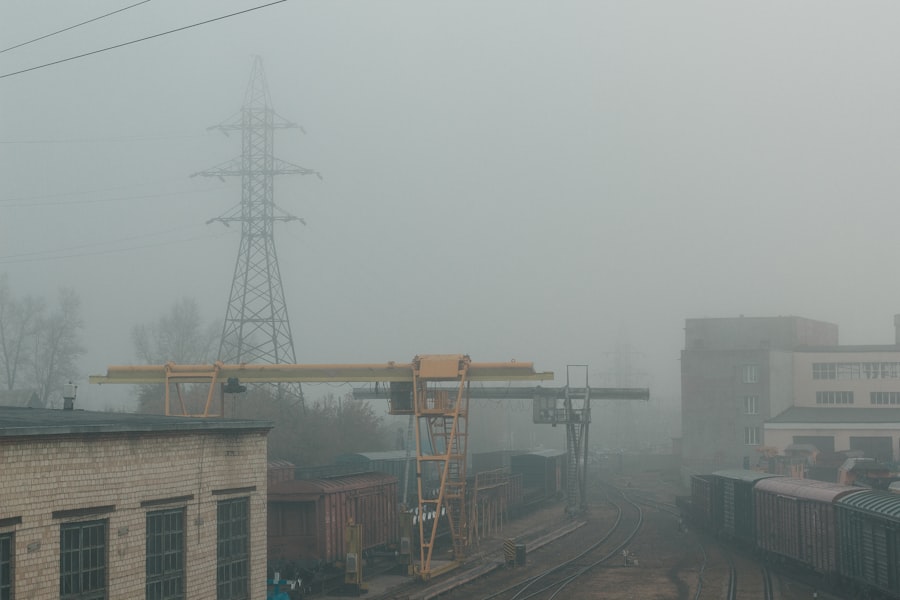
The inhalation of sand mining dust is not a benign event; it carries a significant burden of health risks for communities residing near mining operations.
Respiratory System Diseases
The respiratory system is the primary target of airborne particulate matter.
Silicosis
Prolonged exposure to crystalline silica dust, a common component of sand, is a well-established cause of silicosis, a debilitating and often fatal lung disease. Silicosis is characterized by the formation of scar tissue in the lungs, leading to reduced lung function, shortness of breath, and an increased susceptibility to other respiratory infections, including tuberculosis. It’s a progressive disease, where the damage often continues to worsen even after exposure ceases.
Asthma and Bronchitis Exacerbation
Even in individuals without silicosis, exposure to sand mining dust can exacerbate pre-existing respiratory conditions such as asthma and chronic bronchitis. The irritant nature of particulate matter can trigger asthmatic attacks, increase inflammation in the airways, and lead to a worsening of symptoms for bronchitis sufferers. For sensitive individuals, a dusty environment can be a constant battle for breath.
Increased Risk of Lung Cancer
Long-term exposure to certain types of crystalline silica, particularly quartz, has been classified as a human carcinogen by international health organizations. Studies have shown an increased risk of lung cancer among workers and residents exposed to high concentrations of silica dust from mining and other industrial activities.
Cardiovascular System Effects
The impact of particulate matter extends beyond the respiratory system, with growing evidence linking it to cardiovascular problems.
Heart Disease and Stroke
Fine particulate matter (PM2.5) can trigger systemic inflammation and oxidative stress, impacting the cardiovascular system. Studies have linked exposure to PM2.5 with an increased risk of heart attacks, strokes, and other cardiovascular diseases. The small particles can enter the bloodstream and contribute to the hardening of arteries (atherosclerosis), likened to rust accumulating in vital pipes.
Blood Pressure Changes
Research indicates that exposure to elevated levels of particulate matter can lead to short-term and even long-term increases in blood pressure, a significant risk factor for cardiovascular disease.
Other Health Concerns
The health ramifications of sand mining dust are not limited to respiratory and cardiovascular systems.
Eye and Skin Irritation
Coarser dust particles can cause irritation to the eyes, leading to conditions like conjunctivitis, and to the skin, potentially causing dermatitis or exacerbating pre-existing skin conditions.
Neurological Impacts
Emerging research suggests a potential link between exposure to ultra-fine particulate matter and neurological impacts, particularly in vulnerable populations such as children and the elderly. While further investigation is needed, this area highlights the pervasive nature of particulate pollution’s influence.
Environmental Consequences Beyond Air Quality
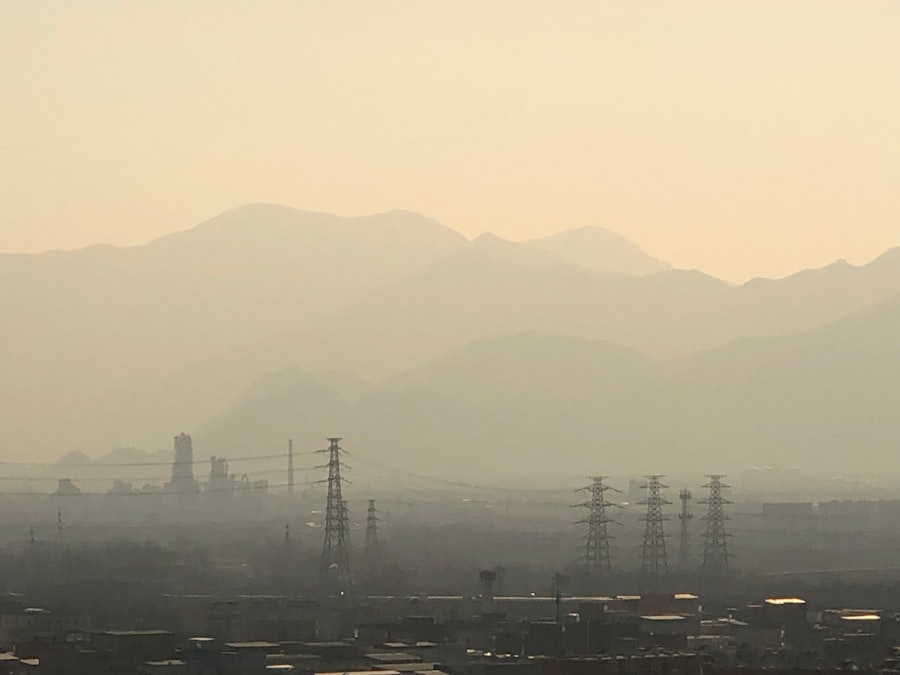
The environmental impact of sand mining dust is not confined to the air; it ripples through various ecosystems.
Terrestrial Ecosystem Degradation
Dust deposition on land can have profound effects on terrestrial ecosystems.
Soil Contamination
When dust settles on agricultural land, it can alter soil pH, nutrient composition, and microbial activity. Heavy metals contained within the dust can accumulate in the soil, potentially entering the food chain through plant uptake. This turns fertile ground into a potential source of long-term contamination.
Reduced Photosynthesis
Dust accumulation on plant leaves can block stomata (pores for gas exchange) and reduce the amount of sunlight reaching photosynthetic tissues. This can impair plant growth, reduce crop yields, and negatively impact the productivity of natural ecosystems. Imagine placing a blanket over a solar panel, hindering its ability to generate energy.
Altered Species Composition
Long-term dust deposition can favor dust-tolerant plant species over more sensitive ones, leading to shifts in species composition and a reduction in biodiversity in affected areas.
Aquatic Ecosystem Degradation
Water bodies are not immune to the effects of airborne dust.
Increased Turbidity and Sedimentation
Dust that settles on water bodies increases turbidity, reducing light penetration and affecting aquatic plants that rely on photosynthesis. It also contributes to sedimentation, which can smother benthic (bottom-dwelling) organisms, destroy fish spawning grounds, and alter the physical characteristics of aquatic habitats.
Contamination of Water Bodies
When dust containing heavy metals or other contaminants settles into water bodies, it can pollute the water column and accumulate in sediments. This can harm aquatic organisms and, if the water is used for human consumption, pose risks to public health.
Eutrophication
Dust containing nutrient-rich components, such as nitrogen and phosphorus, can contribute to the eutrophication of water bodies. This leads to excessive algal growth, oxygen depletion, and ultimately, the death of fish and other aquatic life.
Sand mining has become a significant concern due to its impact on air quality and the resulting dust pollution, which can have detrimental effects on both human health and the environment. A related article discusses the various strategies being implemented to mitigate these issues and highlights the importance of sustainable practices in the industry. For more insights on this topic, you can read the article on sand mining and its environmental effects.
Mitigation Strategies and Future Outlook
| Metric | Value | Unit | Description |
|---|---|---|---|
| PM10 Concentration | 150 | µg/m³ | Particulate matter with diameter less than 10 micrometers measured near sand mining sites |
| PM2.5 Concentration | 85 | µg/m³ | Fine particulate matter with diameter less than 2.5 micrometers measured near sand mining sites |
| Dust Deposition Rate | 120 | mg/m²/day | Amount of dust settling on surfaces per square meter per day |
| Air Quality Index (AQI) | 180 | Index | Overall air quality rating indicating unhealthy conditions due to dust pollution |
| Visibility Reduction | 30 | % | Percentage decrease in visibility caused by airborne dust particles |
| Respiratory Complaints Increase | 25 | % | Increase in respiratory health issues reported in communities near sand mining operations |
Addressing the pervasive problem of sand mining dust requires a multi-pronged approach, encompassing stricter regulations, technological innovation, and community engagement.
Regulatory Frameworks and Enforcement
Effective regulation is the cornerstone of managing industrial emissions.
Stricter Permitting and Environmental Impact Assessments (EIAs)
Robust permitting processes that include comprehensive Environmental Impact Assessments (EIAs) are essential. These assessments should meticulously evaluate potential dust emissions, consider cumulative impacts, and mandate specific dust control measures before mining operations commence. Permits should not be rubber stamps; they should be rigorous gatekeepers of environmental stewardship.
Dust Emission Standards and Monitoring
Establishing clear, enforceable dust emission standards for sand mining operations is crucial. Regular monitoring of air quality around mine sites, using both real-time sensors and periodic sampling, is necessary to ensure compliance and identify areas for improvement. Unannounced inspections and punitive measures for non-compliance can serve as powerful deterrents.
Rehabilitation and Restoration Requirements
Mining permits should include mandatory provisions for the progressive rehabilitation and ultimate restoration of mined-out areas. This includes revegetation to stabilize disturbed soil and minimize future dust generation from abandoned sites.
Technological Solutions and Best Practices
Innovation and the adoption of proven best practices can significantly reduce dust emissions.
Wetting and Dust Suppression Systems
One of the most effective and widely used methods for dust control is wetting. Water sprays, misting systems, and water trucks can be deployed at active mining faces, haul roads, crushing plants, and stockpiles to suppress airborne particulate matter. Polymer-based dust suppressants can also be added to water for enhanced long-term effectiveness, acting like a invisible glue that binds dust particles.
Enclosure and Ventilation Systems
For specific processes like crushing, screening, and conveyor transfer points, enclosing the equipment and implementing local exhaust ventilation systems can effectively capture dust at its source before it becomes airborne. These captured particulates can then be filtered and safely disposed of.
Paving and Road Maintenance
Unpaved haul roads are major sources of fugitive dust. Paving high-traffic roads, or at least regularly gravelling and maintaining them, significantly reduces dust generation. Watering and chemical stabilization of unpaved roads are also vital practices.
Vegetation Barriers
Planting rows of trees and shrubs around mine perimeters can act as natural windbreaks and dust filters, reducing the dispersion of particulate matter from the site. This green infrastructure is a living shield against pollution.
Community Engagement and Public Awareness
Engaging affected communities and raising public awareness are vital components of a holistic strategy.
Transparency and Information Sharing
Mining companies and regulatory bodies should maintain transparency regarding mining activities, environmental monitoring data, and mitigation measures. Regular communication with local communities fosters trust and allows for timely addressing of concerns.
Health Risk Communication
Educating local residents about the health risks associated with dust exposure and providing guidance on protective measures (e.g., staying indoors on high-dust days) empowers communities to safeguard their health.
Local Participation in Monitoring
Involving local
communities in participatory monitoring programs can provide valuable data, increase environmental stewardship, and ensure that local perspectives are integrated into management decisions.
In conclusion, the issue of sand mining and its impact on air quality, particularly through dust pollution, is a complex challenge with far-reaching environmental and public health ramifications. Readers should recognize that the extraction of this seemingly mundane resource, which forms the bedrock of our modern world, carries a significant cost in terms of the air we breathe. A concerted effort involving stringent regulation, technological innovation, responsible industry practices, and active community participation is indispensable to navigate this challenge and strive for a future where essential resource extraction can coexist with a healthy environment and thriving communities. The air we breathe is a shared inheritance, and its purity is a collective responsibility.
WATCH THIS! 🏗️ SAND MINING MAFIA: The $70 Billion Crime Wave Destroying Rivers & Killing Journalists
FAQs
What is sand mining?
Sand mining is the process of extracting sand from natural sources such as riverbeds, beaches, and dunes for use in construction, manufacturing, and other industrial applications.
How does sand mining affect air quality?
Sand mining can release dust particles into the air, which may degrade air quality. The dust generated during extraction, transportation, and processing can contribute to particulate matter pollution.
What types of dust are produced by sand mining?
The dust produced by sand mining primarily consists of fine particulate matter, including silica dust, which can be harmful when inhaled over prolonged periods.
Why is dust pollution from sand mining a concern?
Dust pollution from sand mining can cause respiratory problems, aggravate asthma, and other lung diseases. It also reduces visibility and can impact the health of nearby communities and ecosystems.
What measures can reduce dust pollution from sand mining?
Measures include using water sprays to suppress dust, covering trucks during transport, implementing dust control technologies, and enforcing regulations on mining operations.
Are there regulations governing sand mining and dust emissions?
Yes, many countries have environmental regulations that set limits on dust emissions from mining activities and require monitoring and mitigation to protect air quality.
How can communities near sand mining sites protect themselves from dust pollution?
Communities can advocate for stricter enforcement of dust control measures, use protective equipment, and participate in monitoring air quality to reduce exposure.
What is the impact of silica dust on human health?
Silica dust can cause silicosis, a lung disease, and increase the risk of lung cancer and other respiratory conditions when inhaled in significant amounts over time.
Can sand mining affect the environment beyond air quality?
Yes, sand mining can also impact water quality, aquatic habitats, and cause soil erosion, which indirectly affects air quality through increased dust from disturbed land.
Is there sustainable sand mining practice to minimize dust pollution?
Sustainable sand mining involves controlled extraction, dust suppression techniques, regular monitoring, and rehabilitation of mined areas to minimize environmental and health impacts.