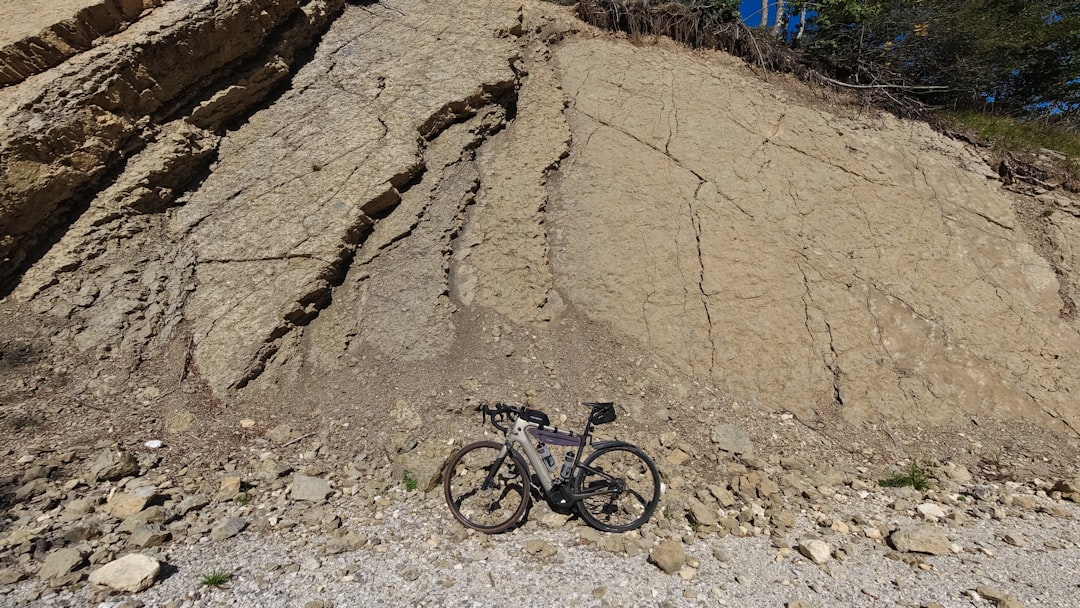
Sediment, often perceived as a mere byproduct of natural processes, plays a significant role in the integrity and longevity of infrastructure systems. As urbanization and industrial activities expand, the accumulation of sediment in various environments has become a pressing concern. This buildup can lead to severe infrastructure failures, resulting in costly repairs, safety hazards, and disruptions to essential services.
Understanding the relationship between sediment and infrastructure is crucial for engineers, urban planners, and policymakers alike, as it informs strategies for maintenance and development. The interaction between sediment and infrastructure is multifaceted. Sediment can accumulate in waterways, drainage systems, and around structural foundations, leading to blockages and increased pressure on these systems.
Over time, this can compromise the structural integrity of bridges, roads, and buildings. The challenge lies not only in recognizing the problem but also in developing effective management practices that can mitigate the risks associated with sediment accumulation. As communities continue to grow and evolve, addressing sediment-related issues becomes increasingly vital for ensuring the resilience of infrastructure.
Key Takeaways
- Sediment buildup significantly contributes to the deterioration and failure of various infrastructure types.
- Effective assessment and monitoring are crucial for early detection of sediment-related issues.
- Preventative strategies and innovative sediment control technologies can mitigate infrastructure damage.
- Sediment-related infrastructure failures have substantial environmental and economic consequences.
- Collaboration between government and industry is essential for sustainable sediment management and infrastructure maintenance.
Types of Infrastructure Affected by Sediment
Various types of infrastructure are susceptible to the impacts of sediment accumulation. Transportation networks, including roads and highways, are particularly vulnerable. Sediment can obstruct drainage systems, leading to water pooling on road surfaces, which poses risks for vehicles and pedestrians alike.
Additionally, sediment buildup can cause erosion around roadways, undermining their structural stability and necessitating costly repairs. Water management systems are another critical area affected by sediment. Dams, levees, and reservoirs can experience significant sedimentation, which reduces their capacity to store water and manage flood risks effectively.
This not only threatens the infrastructure itself but also endangers communities that rely on these systems for flood protection and water supply. Furthermore, wastewater treatment facilities can face operational challenges due to sediment accumulation, which can hinder their ability to process waste efficiently and meet environmental regulations.
The Role of Sediment in Infrastructure Deterioration
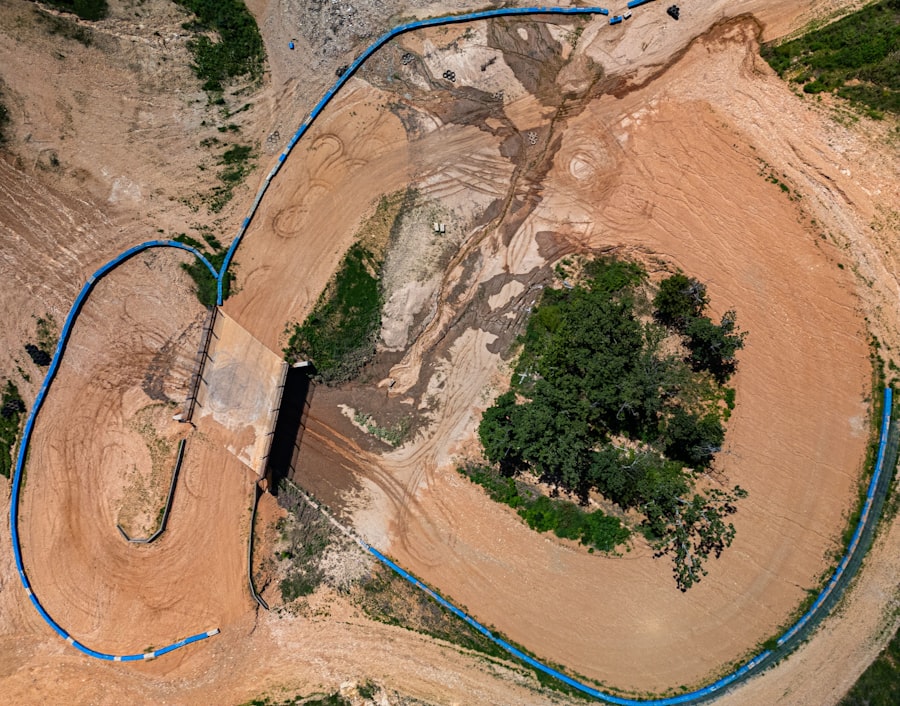
Sediment plays a pivotal role in the deterioration of infrastructure through various mechanisms. One primary concern is the physical blockage that sediment creates within drainage systems. When sediment accumulates in pipes or channels, it restricts water flow, leading to increased pressure on these structures.
Over time, this pressure can result in cracks, leaks, or even complete failures of the system. The consequences can be dire, including flooding and damage to surrounding properties. Moreover, sediment can contribute to chemical deterioration as well.
In many cases, sediments contain pollutants that can corrode materials used in infrastructure construction. For instance, heavy metals or organic compounds present in sediment can leach into concrete or metal structures, accelerating their degradation. This dual threat—physical blockage and chemical corrosion—highlights the importance of understanding sediment dynamics in infrastructure maintenance.
Case Studies of Infrastructure Failure Due to Sediment Buildup
Several notable case studies illustrate the detrimental effects of sediment buildup on infrastructure. One such example is the failure of a dam in the United States that experienced significant sedimentation over several decades. As sediment accumulated behind the dam, its storage capacity diminished, leading to increased pressure during heavy rainfall events.
Ultimately, the dam failed during a storm, resulting in catastrophic flooding downstream and extensive damage to homes and businesses. Another case involved a major highway that suffered from repeated flooding due to inadequate drainage caused by sediment accumulation. Despite regular maintenance efforts, the drainage systems were unable to cope with the volume of sediment entering them from surrounding areas.
This led to frequent road closures and accidents during heavy rains, prompting local authorities to reevaluate their sediment management strategies. These case studies underscore the urgent need for proactive measures to address sediment-related issues before they escalate into crises.
Environmental and Economic Impacts of Infrastructure Failure
| Metric | Description | Typical Range/Value | Impact on Infrastructure |
|---|---|---|---|
| Sediment Load (tons/year) | Amount of sediment transported by a river or stream annually | 10,000 – 1,000,000 | High sediment load can clog drainage systems and reduce reservoir capacity |
| Sediment Deposition Rate (mm/year) | Rate at which sediment accumulates in a given area | 1 – 50 | Excessive deposition can lead to blockage of waterways and increased flood risk |
| Scour Depth (m) | Depth of erosion around bridge foundations or other structures | 0.5 – 5 | Deep scour can undermine foundations causing structural failure |
| Infrastructure Failure Rate (%) | Percentage of infrastructure failures attributed to sediment-related issues | 5 – 20 | Indicates vulnerability of infrastructure to sediment impacts |
| Reservoir Sedimentation Loss (%) | Percentage of reservoir volume lost annually due to sediment accumulation | 0.5 – 3 | Reduces water storage capacity and affects dam operation |
| Maintenance Frequency (times/year) | Number of sediment-related maintenance activities required annually | 1 – 4 | Higher frequency indicates greater sediment impact on infrastructure |
The environmental consequences of infrastructure failure due to sediment buildup are profound. Flooding can lead to soil erosion, loss of habitat for aquatic species, and contamination of water sources with pollutants. Additionally, when infrastructure fails, it often results in significant disruptions to local ecosystems as well as human communities.
The aftermath can include long-term ecological damage that takes years or even decades to recover from. Economically, the impacts are equally severe. Infrastructure failures often result in substantial repair costs and lost productivity due to service interruptions.
Communities may face increased insurance premiums or decreased property values following such events. Furthermore, the economic burden extends beyond immediate repair costs; it encompasses long-term investments needed for rebuilding and enhancing resilience against future sediment-related failures.
Methods for Assessing and Monitoring Sediment Buildup in Infrastructure
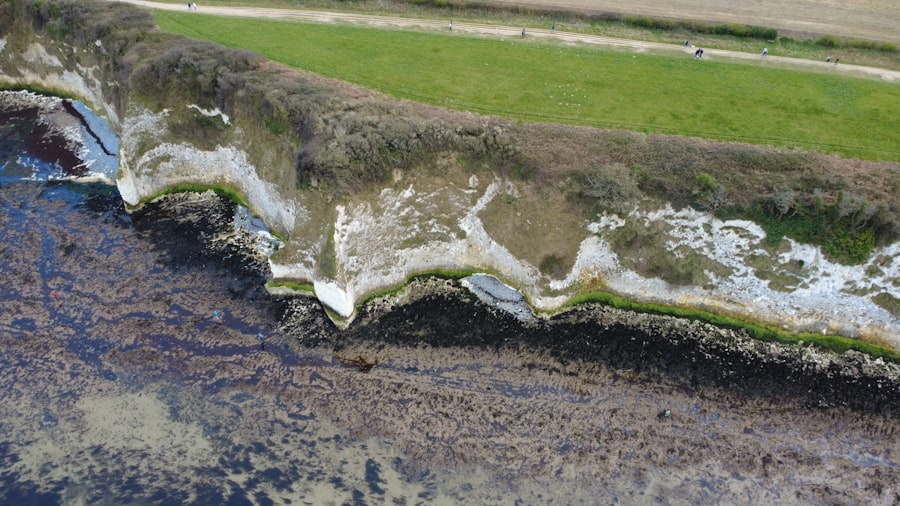
Effective assessment and monitoring of sediment buildup are essential for preventing infrastructure failure. Various methods exist for evaluating sediment levels within different types of infrastructure. For waterways and drainage systems, hydrological modeling can provide insights into sediment transport dynamics and accumulation patterns.
This approach allows engineers to predict where sediment is likely to build up and take preventive measures accordingly. In addition to modeling techniques, physical inspections play a crucial role in monitoring sediment levels. Regular assessments using cameras or drones can help identify areas where sediment has accumulated excessively.
Moreover, sediment sampling can provide valuable information about its composition and potential contaminants, informing maintenance strategies that address both physical and chemical threats posed by sediment.
Strategies for Preventing and Mitigating Sediment-Related Infrastructure Failure
Preventing sediment-related infrastructure failure requires a multifaceted approach that combines engineering solutions with effective management practices. One strategy involves designing infrastructure with built-in sediment control features. For example, incorporating silt traps or settling basins into drainage systems can help capture sediment before it enters critical areas.
Regular maintenance is equally important in mitigating risks associated with sediment buildup. Scheduled cleanings of drainage systems and waterways can prevent excessive accumulation from occurring in the first place. Additionally, community engagement initiatives that promote responsible land use practices can help reduce sediment runoff from surrounding areas, further protecting infrastructure integrity.
The Importance of Proper Sediment Management in Infrastructure Maintenance
Proper sediment management is integral to maintaining resilient infrastructure systems. By implementing effective management practices, communities can significantly reduce the risks associated with sediment accumulation. This includes not only regular monitoring and maintenance but also developing comprehensive plans that address potential sources of sedimentation.
Furthermore, educating stakeholders about the importance of sediment management fosters a collaborative approach to infrastructure maintenance. Engaging local communities in discussions about land use practices and their impact on sediment runoff can lead to more sustainable outcomes. Ultimately, a proactive stance on sediment management enhances the longevity and reliability of critical infrastructure.
Innovations in Sediment Control Technology for Infrastructure
The field of sediment control technology has seen significant advancements in recent years. Innovative solutions such as automated monitoring systems equipped with sensors can provide real-time data on sediment levels within infrastructure systems. These technologies enable quicker responses to potential issues before they escalate into failures.
Additionally, new materials designed for construction are being developed with enhanced resistance to sediment-related deterioration. For instance, permeable pavements allow water to flow through while filtering out sediments, reducing the burden on drainage systems. Such innovations not only improve infrastructure resilience but also contribute to more sustainable urban environments.
The Role of Government and Industry in Addressing Sediment-Related Infrastructure Failure
Government agencies play a crucial role in addressing sediment-related infrastructure challenges through policy development and funding initiatives. By establishing regulations that promote best practices for sediment management, governments can guide industries toward more sustainable approaches. Furthermore, public investment in research and development of new technologies can drive innovation in this field.
Industry stakeholders also have a responsibility to prioritize sediment management within their operations. Collaborating with government agencies and local communities fosters a holistic approach to addressing these challenges. By sharing knowledge and resources, both sectors can work together to develop effective strategies that enhance infrastructure resilience against sediment-related failures.
The Future of Managing Sediment in Infrastructure Maintenance
As urbanization continues to expand globally, managing sediment will remain a critical aspect of infrastructure maintenance. The interplay between sediment accumulation and infrastructure integrity necessitates ongoing research and innovation in this field.
Looking ahead, the integration of advanced technologies will likely play a pivotal role in shaping future approaches to sediment management. As governments and industries collaborate on innovative solutions, there is potential for creating more resilient infrastructure systems capable of withstanding the challenges posed by sediment accumulation. Ultimately, prioritizing proper sediment management will be essential for safeguarding communities and ensuring sustainable development for generations to come.
Sediment accumulation can significantly impact infrastructure stability, leading to failures that pose risks to public safety and the environment. For a deeper understanding of how sediment management plays a crucial role in maintaining infrastructure integrity, you can read more in this related article: Sediment and Infrastructure Failure.
WATCH THIS! 🏛️ Empires Didn’t Collapse—They Got Erased: The Pattern Nobody Sees
FAQs
What is sediment in the context of infrastructure?
Sediment refers to particles of soil, sand, and minerals that are transported and deposited by water, wind, or ice. In infrastructure, sediment can accumulate in waterways, reservoirs, and drainage systems, potentially impacting their function and stability.
How does sediment contribute to infrastructure failure?
Sediment can cause infrastructure failure by clogging drainage systems, reducing the capacity of reservoirs, increasing the weight and pressure on structures like dams and bridges, and causing erosion around foundations. These effects can weaken infrastructure and lead to collapse or malfunction.
What types of infrastructure are most affected by sediment?
Infrastructure such as dams, bridges, culverts, roads, pipelines, and drainage systems are commonly affected by sediment accumulation and movement. Water management structures are particularly vulnerable due to sediment deposition altering flow patterns.
What are common signs of sediment-related infrastructure problems?
Signs include reduced water flow, increased flooding, visible sediment buildup, erosion around foundations, cracks or shifts in structures, and decreased storage capacity in reservoirs or channels.
How can sediment-related infrastructure failure be prevented?
Preventative measures include regular maintenance and sediment removal, designing infrastructure to accommodate sediment loads, using erosion control practices upstream, and monitoring sediment levels to anticipate potential issues.
What role does sediment management play in infrastructure maintenance?
Sediment management involves controlling sediment sources, transport, and deposition to minimize its impact on infrastructure. Effective sediment management helps maintain structural integrity, prolongs infrastructure lifespan, and reduces repair costs.
Are there environmental concerns related to sediment and infrastructure failure?
Yes, sediment can carry pollutants and nutrients that affect water quality. Infrastructure failure caused by sediment can lead to habitat destruction, increased turbidity, and disruption of aquatic ecosystems.
Can climate change influence sediment-related infrastructure failure?
Climate change can increase the frequency and intensity of storms and flooding, leading to higher sediment transport and deposition. This can exacerbate sediment-related risks to infrastructure.
What technologies are used to monitor sediment impact on infrastructure?
Technologies include remote sensing, sediment sensors, flow meters, drones for aerial surveys, and geographic information systems (GIS) to analyze sediment movement and accumulation.
Who is responsible for managing sediment to protect infrastructure?
Responsibility typically lies with government agencies, infrastructure owners, environmental organizations, and engineers who collaborate to implement sediment control and maintenance strategies.