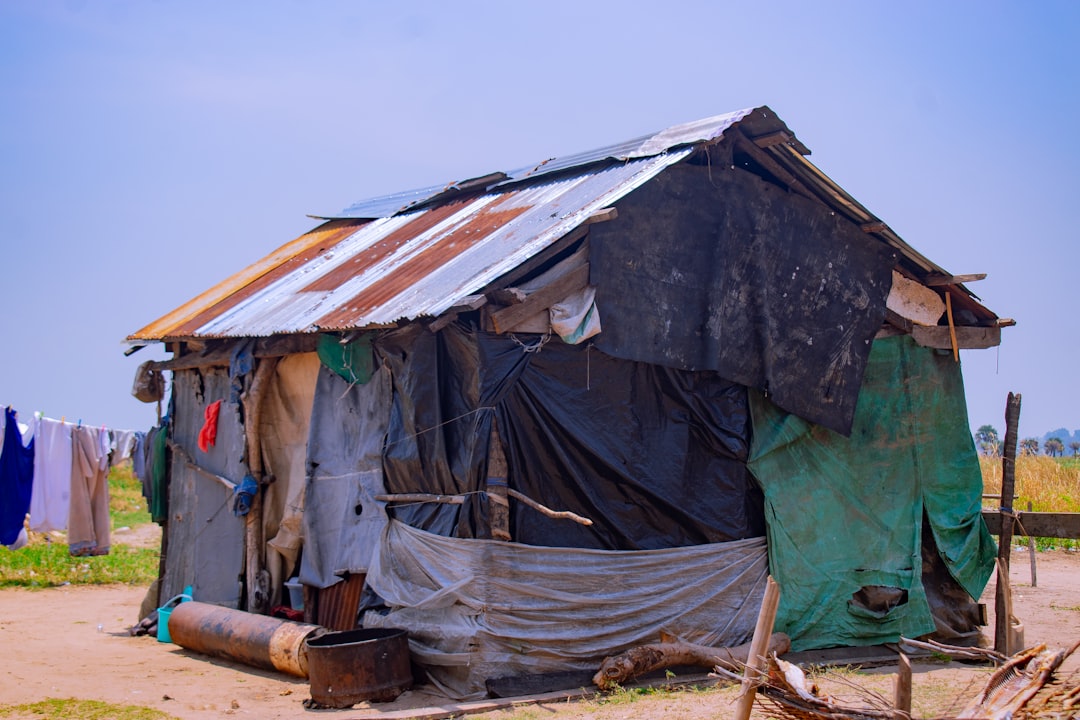
As you navigate the complexities of modern life, you may have noticed the growing housing crisis that has gripped many regions across the globe. This crisis is not merely a matter of rising prices; it encompasses a myriad of issues that affect your ability to secure stable and affordable housing. The interplay of economic factors, demographic shifts, and social changes has created a landscape where homeownership feels increasingly out of reach for many individuals and families.
Understanding the nuances of this crisis is essential, as it has far-reaching implications for your community and society at large. The housing crisis is characterized by skyrocketing property prices, stagnant wages, and a lack of affordable housing options. As you consider your own living situation, you might find yourself grappling with the reality that homeownership is becoming a distant dream for many.
This situation is not just a statistic; it affects your friends, family, and neighbors, leading to increased stress and uncertainty about the future. The implications of this crisis extend beyond mere economics; they touch on social stability, family dynamics, and even population growth.
Key Takeaways
- Homeownership rates are declining, contributing to financial strain on families.
- Housing challenges are causing delays in family planning and reducing fertility rates.
- Urbanization influences birth rates and shifts preferences toward different housing types.
- Housing affordability impacts decisions on family size and childbearing age.
- Policy interventions are needed to address housing issues and support family growth.
Decline in Homeownership Rates
You may have observed that homeownership rates have been steadily declining over the past few decades. This trend is particularly pronounced among younger generations who are often burdened by student debt and stagnant wages. As you reflect on your own experiences or those of your peers, it becomes clear that the dream of owning a home is slipping away for many.
The decline in homeownership rates is not just a statistic; it represents a fundamental shift in how people view housing and stability. The barriers to homeownership are multifaceted. Rising property prices, coupled with stringent lending practices, have made it increasingly difficult for first-time buyers to enter the market.
You might find yourself in a position where saving for a down payment feels like an insurmountable challenge. This decline in homeownership rates has significant implications for your community, as it can lead to increased rental demand and higher prices in the rental market. The ripple effects of this trend can be felt in various aspects of life, from economic mobility to social cohesion.
Financial Strain on Families

As you navigate the financial landscape, you may feel the weight of economic pressures that are affecting families across the board. The rising cost of living, coupled with stagnant wages, has created a perfect storm of financial strain. Many families are finding it increasingly difficult to make ends meet, leading to tough decisions about budgeting and spending.
You might relate to the feeling of being stretched thin, as essential expenses like housing, healthcare, and education continue to rise. This financial strain has profound implications for family dynamics. You may notice that families are forced to make sacrifices, whether that means cutting back on discretionary spending or delaying major life events such as marriage or having children.
The stress of financial insecurity can lead to tension within households, impacting relationships and overall well-being. As you consider your own financial situation, it’s essential to recognize that these challenges are not isolated; they reflect broader societal trends that affect countless families.
Delayed Family Planning
| Metric | Description | Value | Unit | Source/Year |
|---|---|---|---|---|
| Unmet Need for Family Planning | Percentage of women who want to delay or avoid pregnancy but are not using contraception | 24 | % | WHO, 2023 |
| Average Delay in Initiating Family Planning | Average time between childbirth and starting contraception | 18 | Months | UNFPA, 2022 |
| Rate of Unintended Pregnancies | Percentage of pregnancies that were not planned or wanted at the time of conception | 40 | % | Guttmacher Institute, 2023 |
| Contraceptive Prevalence Rate | Percentage of women using any method of contraception | 58 | % | World Bank, 2023 |
| Infant Mortality Rate Related to Delayed Family Planning | Infant deaths per 1,000 live births linked to short birth intervals | 35 | per 1,000 live births | WHO, 2023 |
| Percentage of Women Delaying Family Planning Due to Social Factors | Women citing cultural, religious, or partner opposition as reasons for delay | 30 | % | UNICEF, 2022 |
In light of the financial pressures you face, it’s no surprise that many individuals and couples are delaying family planning. The desire to start a family often clashes with the harsh realities of economic instability and housing insecurity.
This delay can have significant implications for your personal life and broader societal trends. The decision to delay family planning is often rooted in practical considerations. You might be waiting until you can afford a stable home or until your career is more established before taking the plunge into parenthood.
This trend is not just anecdotal; it reflects a growing sentiment among younger generations who prioritize financial stability over traditional timelines for family formation.
Impact on Fertility Rates
As you consider the implications of delayed family planning, it’s important to acknowledge its impact on fertility rates. The trend toward postponing childbirth has led to declining fertility rates in many countries. You may find yourself part of a generation that is choosing to have fewer children or waiting longer to start families altogether.
This shift has significant consequences for population growth and societal structures. The decline in fertility rates can be attributed to various factors, including economic uncertainty and changing cultural norms. You might feel the pressure of societal expectations while also grappling with personal aspirations and financial realities.
As fertility rates continue to decline, policymakers and communities must grapple with the long-term implications for workforce demographics and social services. Your choices today will shape the future landscape of society in ways that may not be immediately apparent.
Shift in Housing Preferences

As you navigate the housing market, you may have noticed a shift in preferences regarding where and how people want to live. Many individuals and families are increasingly prioritizing flexibility and affordability over traditional notions of homeownership. You might find yourself drawn to urban areas with vibrant communities or opting for smaller living spaces that align with your lifestyle choices.
This shift reflects broader changes in societal values and priorities. The desire for flexibility often leads people to explore alternative housing arrangements, such as co-housing or renting in shared spaces. You may appreciate the benefits of living in a community-oriented environment where resources are shared, fostering connections with neighbors.
This shift in housing preferences also highlights the importance of accessibility and sustainability in urban planning. As you consider your own living situation, it’s essential to recognize how these trends are reshaping communities and influencing future development.
Urbanization and Birth Rates
As urbanization continues to reshape landscapes around the world, you may find yourself living in an increasingly urban environment. This trend has significant implications for birth rates and family dynamics. Urban areas often offer greater access to education, employment opportunities, and healthcare services, which can influence decisions about family planning.
However, the high cost of living in cities can also deter individuals from starting families. You might notice that urban living often comes with its own set of challenges, including limited space and high housing costs. These factors can lead to a reluctance to have children or expand families in densely populated areas.
As urbanization continues to rise, understanding its impact on birth rates becomes crucial for policymakers and community planners alike. Your experiences navigating urban life will shape how future generations approach family planning and housing choices.
Effects on Childbearing Age
As you reflect on your own life choices or those of your peers, it’s evident that childbearing age is shifting significantly. Many individuals are choosing to have children later in life due to various factors such as career aspirations, financial stability, and personal preferences. You may find yourself part of a generation that prioritizes education and career development before starting a family, leading to an increase in average childbearing age.
This shift has profound implications for both individuals and society as a whole. You might be aware that later childbearing can impact fertility rates and health outcomes for both parents and children. As you navigate these choices, it’s essential to consider how societal norms around family planning are evolving and what that means for future generations.
The decisions you make today will contribute to shaping the landscape of family dynamics in years to come.
Housing Affordability and Family Size
As you contemplate your living situation, housing affordability plays a crucial role in determining family size. The rising costs associated with securing adequate housing can lead many individuals and couples to reconsider their plans for having children. You may find yourself weighing the financial implications of expanding your family against the backdrop of an expensive housing market.
The relationship between housing affordability and family size is complex but undeniable. When housing costs consume a significant portion of your income, it can lead to difficult decisions about whether to have more children or even start a family at all. As you navigate these choices, it’s essential to recognize how broader economic trends influence personal decisions about family size and stability.
Policy Implications and Solutions
As you consider the challenges posed by the housing crisis, it’s important to think about potential policy implications and solutions that could alleviate some of these pressures. Policymakers must grapple with how best to address issues related to housing affordability, access to homeownership, and support for families facing financial strain. You might advocate for policies that promote affordable housing development or support initiatives aimed at increasing access to homeownership for first-time buyers.
Community engagement is also vital in addressing these challenges effectively. You may find yourself participating in local discussions about zoning laws or advocating for policies that prioritize affordable housing options within your community. By actively engaging in these conversations, you contribute to shaping solutions that can help alleviate some of the burdens associated with the housing crisis.
Conclusion and Future Trends
As you reflect on the complexities surrounding the housing crisis, it’s clear that its implications extend far beyond mere economics; they touch on personal lives, family dynamics, and societal structures as a whole. The trends you’ve observed—declining homeownership rates, delayed family planning, shifting preferences—are all interconnected facets of a larger narrative about how we live today. Looking ahead, it’s essential to remain engaged with these issues as they evolve over time.
Your choices today will shape not only your future but also the future of communities around you. By advocating for policies that promote affordable housing and supporting initiatives aimed at fostering stability for families, you can play an active role in addressing this pressing crisis. As society continues to adapt to changing economic realities, your voice will be crucial in shaping a more equitable future for all.
The ongoing housing crisis has significant implications for birth rates, as many young couples find it increasingly difficult to afford suitable living conditions for starting families. A related article that delves into this issue can be found at this link, where it explores the correlation between housing affordability and demographic trends. Understanding these dynamics is crucial for policymakers aiming to address both housing and population challenges.
WATCH THIS! The Silent Collapse: Why Japan’s Economy Was a Lie
FAQs
What is the housing crisis?
The housing crisis refers to a situation where there is a significant shortage of affordable and adequate housing, leading to increased housing costs, overcrowding, and homelessness in many regions.
How does the housing crisis affect birth rates?
The housing crisis can lead to lower birth rates as high housing costs and limited availability of suitable homes may discourage individuals or couples from having children due to financial insecurity and lack of space.
Are birth rates declining globally due to housing issues?
While birth rates are declining in many countries, the housing crisis is one of several factors influencing this trend, alongside economic conditions, social changes, and access to family planning.
Which populations are most affected by the housing crisis in relation to birth rates?
Young adults, low-income families, and urban residents are often most affected by the housing crisis, which can delay family formation and reduce the number of children they have.
Can improving housing affordability increase birth rates?
Improving housing affordability and availability may encourage higher birth rates by reducing financial stress and providing stable living conditions conducive to raising children.
What policies can address the housing crisis to support family growth?
Policies such as increasing affordable housing supply, offering housing subsidies, and implementing family-friendly urban planning can help alleviate the housing crisis and support higher birth rates.
Is the relationship between housing crisis and birth rates the same worldwide?
No, the impact varies by country and region depending on economic conditions, cultural factors, government policies, and the severity of the housing crisis.
How do housing costs compare to other factors influencing birth rates?
Housing costs are a significant factor but interact with other elements like employment stability, healthcare access, education, and social norms in influencing birth rates.
Has the COVID-19 pandemic affected the housing crisis and birth rates?
Yes, the pandemic has exacerbated housing affordability issues in some areas and influenced birth rates, with some regions experiencing declines due to economic uncertainty and housing challenges.
Where can I find more information about the housing crisis and its impact on demographics?
Reliable sources include government housing agencies, demographic research institutions, academic studies, and international organizations such as the United Nations and World Bank.