
Censoring history is a complex and often contentious issue that has sparked debates across various spheres of society. The act of censoring involves the suppression or alteration of information, which can significantly impact how history is perceived and understood. This practice can arise from a variety of motivations, including the desire to protect cultural sensitivities, safeguard national security, and prevent the spread of misinformation.
As societies evolve, the narratives that shape their histories are frequently contested, leading to questions about who gets to tell these stories and how they are presented. The implications of censoring history extend beyond mere academic discourse; they influence collective memory, identity, and the lessons future generations draw from the past. The act of censoring history can be seen as both a protective measure and a potential threat to the integrity of historical narratives.
On one hand, it can serve to shield vulnerable communities from painful truths or to maintain social harmony.
This duality raises essential questions about the ethical responsibilities of historians, educators, and policymakers in navigating the delicate balance between preserving cultural sensitivities and ensuring a comprehensive understanding of historical events.
Key Takeaways
- Censoring history is a complex issue that involves preserving cultural sensitivity, protecting national security, and avoiding misinformation.
- It is important to promote social cohesion while preventing harmful ideologies and respecting privacy in the process of censoring history.
- Fostering historical accuracy is crucial in addressing power imbalances and preventing trauma and revictimization.
- Finding the balance between these competing interests is essential in effectively censoring history.
Preserving Cultural Sensitivity
Cultural sensitivity plays a pivotal role in discussions surrounding the censorship of historical narratives. Many societies are composed of diverse groups with varying beliefs, traditions, and experiences. When recounting historical events, it is crucial to consider how these narratives may affect different communities.
For instance, the portrayal of colonialism or slavery can evoke strong emotional responses from descendants of those who suffered under such systems. Censoring certain aspects of history may be viewed as a means to honor these sensitivities and foster an environment where all individuals feel respected and valued. However, the challenge lies in determining which aspects of history should be censored and who gets to make that decision.
While some argue that omitting painful truths can lead to a more harmonious society, others contend that such actions may perpetuate ignorance and hinder genuine reconciliation. The debate often centers around the need for a balanced approach that acknowledges historical injustices while also promoting healing and understanding among diverse communities.
Protecting National Security
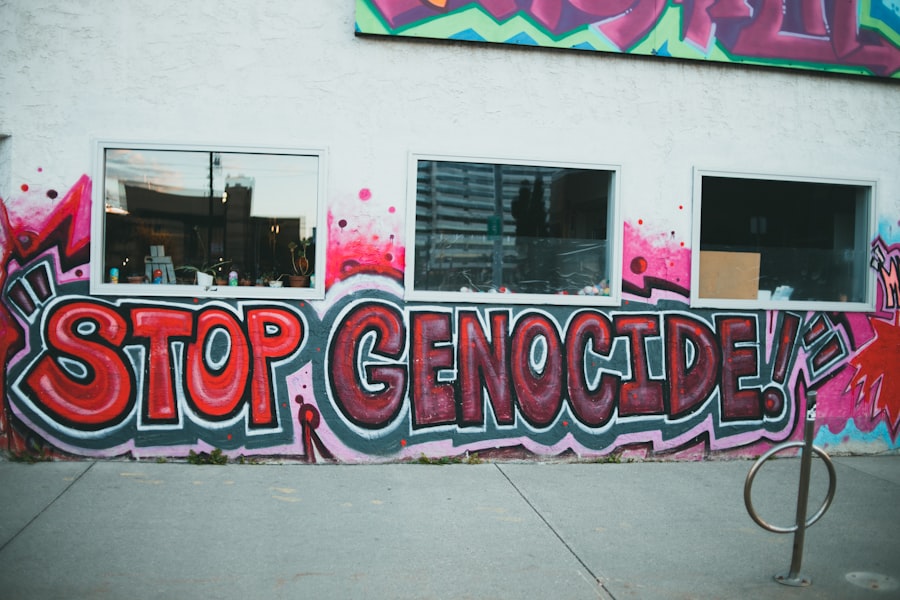
National security is another significant factor influencing the censorship of historical narratives. Governments often justify the suppression of certain information by citing the need to protect state secrets or maintain public safety. For example, sensitive military operations or intelligence activities may be classified to prevent adversaries from gaining insight into a nation’s capabilities.
In this context, censoring history can be seen as a necessary measure to safeguard a country’s interests. Yet, this approach raises important ethical questions about transparency and accountability. When governments control historical narratives under the guise of national security, they risk creating a distorted version of events that may serve their interests rather than the public’s right to know.
The challenge lies in finding a balance between protecting sensitive information and ensuring that citizens have access to accurate historical accounts that inform their understanding of national identity and governance.
Avoiding Misinformation
| Metrics | Data |
|---|---|
| Fact-checking websites | 20 |
| Public awareness campaigns | 15 |
| Number of misinformation incidents | 1000 |
| Percentage of people impacted by misinformation | 30% |
In an age where information is readily accessible, the proliferation of misinformation poses a significant challenge to historical accuracy. Censoring certain narratives can be viewed as a strategy to combat falsehoods and promote a more truthful understanding of history. By curating educational content and regulating what is disseminated, authorities aim to prevent the spread of misleading information that could distort public perception.
However, this approach can be fraught with complications. The line between censorship and responsible information management is often blurred, leading to concerns about who decides what constitutes misinformation. Furthermore, attempts to censor certain narratives may inadvertently draw more attention to them, fueling conspiracy theories or alternative histories that thrive on controversy.
Promoting Social Cohesion
Promoting social cohesion is often cited as a justification for censoring certain aspects of history. In multicultural societies, where diverse groups coexist, there is a pressing need to foster unity and understanding among different communities. Censoring divisive or inflammatory historical narratives can be seen as a way to prevent conflict and promote harmony.
Nevertheless, this approach raises concerns about the authenticity of collective memory. When certain narratives are suppressed in favor of a more palatable version of history, marginalized voices may be silenced, leading to feelings of exclusion and resentment. True social cohesion cannot be achieved through censorship alone; it requires an inclusive dialogue that acknowledges diverse perspectives and fosters mutual respect among all members of society.
Preventing Harmful Ideologies
Censoring history can also serve as a means to combat harmful ideologies that threaten social stability. Extremist beliefs often draw upon historical narratives to justify their actions or promote divisive agendas. By censoring certain aspects of history that glorify violence or discrimination, societies aim to undermine the foundations upon which these ideologies are built.
However, this approach must be approached with caution. Censorship can sometimes backfire, leading individuals to seek out forbidden knowledge or alternative narratives that reinforce their beliefs. Instead of eradicating harmful ideologies, censorship may inadvertently lend them an air of legitimacy by making them seem more mysterious or forbidden.
A more effective strategy may involve confronting these ideologies head-on through education and open dialogue rather than simply attempting to erase them from historical discourse.
Respecting Privacy
Respecting privacy is another critical consideration in the context of censoring history. Personal stories and experiences often form the backbone of historical narratives, yet individuals have the right to control how their stories are shared and represented. Censoring certain details may be necessary to protect the privacy of individuals or families who have endured trauma or hardship.
However, this raises questions about whose privacy is prioritized and how it intersects with collective memory. In some cases, censoring personal narratives may inadvertently erase important perspectives from history, particularly those belonging to marginalized groups. Striking a balance between respecting individual privacy and ensuring that diverse voices are heard is essential for creating a comprehensive understanding of historical events.
Fostering Historical Accuracy
Fostering historical accuracy is perhaps one of the most compelling arguments against censorship. A robust understanding of history relies on the inclusion of multiple perspectives and interpretations. When certain narratives are censored or altered, the integrity of historical accounts is compromised, leading to a skewed understanding of past events.
Historians and educators play a vital role in advocating for accurate representations of history. By encouraging critical thinking and promoting diverse sources of information, they can help combat censorship’s detrimental effects on historical accuracy. Engaging with primary sources, oral histories, and scholarly research allows for a more nuanced understanding of complex events and encourages individuals to grapple with uncomfortable truths rather than shy away from them.
Preventing Trauma and Revictimization
The potential for trauma and revictimization is another crucial aspect of the discussion surrounding censoring history. For individuals who have experienced violence or oppression, recounting their stories can be an emotionally charged process. Censoring certain details may be necessary to protect these individuals from further harm or distress.
However, this approach must be handled delicately. While it is essential to prioritize the well-being of survivors, it is equally important not to erase their experiences from historical narratives altogether. Finding ways to share these stories sensitively—while still honoring their complexity—can contribute to healing and understanding rather than perpetuating cycles of trauma.
Addressing Power Imbalances
Addressing power imbalances is an essential consideration in discussions about censoring history. Historically marginalized groups often face systemic barriers that limit their ability to share their narratives or challenge dominant historical accounts. Censorship can exacerbate these imbalances by silencing already marginalized voices while amplifying those in positions of power.
To create a more equitable historical discourse, it is crucial to actively seek out and elevate diverse perspectives. This involves not only acknowledging past injustices but also creating spaces for marginalized communities to share their stories on their terms. By addressing power imbalances in historical narratives, societies can work towards a more inclusive understanding of their pasts.
Finding the Balance
In conclusion, finding the balance between censoring history and preserving accurate narratives is an ongoing challenge that requires careful consideration and dialogue. While there are valid reasons for censoring certain aspects—such as protecting cultural sensitivities, national security, and individual privacy—the potential consequences must not be overlooked. Censorship can lead to distorted understandings of history that ultimately hinder societal progress.
To navigate this complex landscape effectively, stakeholders must engage in open conversations that prioritize inclusivity and respect for diverse perspectives. By fostering an environment where all voices are heard and valued, societies can work towards creating a more comprehensive understanding of their histories—one that honors both painful truths and shared experiences while promoting healing and social cohesion for future generations.
Censorship of history often stems from the desire to control narratives and influence public perception. A related article that delves into the implications of this phenomenon can be found at this link. It explores various instances where historical events have been altered or omitted, highlighting the importance of preserving an accurate account of the past for future generations.
WATCH THIS! The 20 Things History Buried To Protect Us
FAQs
What is history censorship?
History censorship refers to the deliberate suppression or alteration of historical facts, events, or narratives by individuals, organizations, or governments. This can be done for various reasons, such as to control public perception, maintain political power, or promote a particular ideology.
Why is history censored?
History is often censored to serve the interests of those in power. This can include whitewashing or downplaying certain events, suppressing information that may be damaging to a particular group or government, or promoting a biased or distorted version of history to support a specific agenda.
Who censors history?
History can be censored by governments, educational institutions, media organizations, and other influential entities. In some cases, individuals or groups may also attempt to censor history to further their own interests or beliefs.
What are the consequences of history censorship?
History censorship can have significant consequences, including the distortion of public understanding, the perpetuation of misinformation, the erasure of marginalized voices and experiences, and the hindrance of critical thinking and informed decision-making.
How can we combat history censorship?
Combatting history censorship requires promoting transparency, supporting independent research and scholarship, advocating for diverse and inclusive historical narratives, and challenging attempts to suppress or distort the truth. It also involves encouraging open dialogue and critical thinking about historical events and their interpretations.