As you delve into the vast expanse of ancient history, you may find yourself captivated by the intricate tapestry of events, cultures, and civilizations that have shaped human existence. The ancient history timeline serves as a framework, allowing you to navigate through the epochs that have defined humanity’s journey. This timeline is not merely a collection of dates and events; it is a narrative that weaves together the stories of our ancestors, their triumphs, struggles, and the legacies they left behind.
Understanding this timeline is crucial for grasping the complexities of human development and the evolution of societies. The ancient history timeline stretches back thousands of years, encompassing a myriad of civilizations from the Sumerians in Mesopotamia to the Indus Valley civilization, and from the Egyptians to the early Greeks and Romans. Each of these cultures contributed uniquely to the collective human experience, influencing one another and laying the groundwork for future societies.
Key Takeaways
- Ancient history timelines are often inconsistent due to conflicting records and biases.
- Myths and political influences have shaped traditional accounts of ancient civilizations.
- Archaeological discoveries and modern technology are crucial in revising historical chronologies.
- Dating ancient events and artifacts remains challenging, affecting timeline accuracy.
- Reevaluating ancient history impacts our understanding of key events and cultural development.
The Origins of the Ancient History Timeline
The origins of the ancient history timeline can be traced back to early human societies that began to document their experiences and observations. You might find it fascinating that some of the earliest records were inscribed on clay tablets in cuneiform script by the Sumerians around 3500 BCE. These early writings were not just administrative records; they also included myths, religious texts, and historical accounts that provide insight into the lives of these ancient people.
As you consider these origins, it becomes clear that the desire to record history is a fundamental aspect of human nature. As civilizations evolved, so did their methods of recording history. The Egyptians developed hieroglyphics, while the Chinese created their own system of writing.
These advancements allowed for more complex narratives to emerge, enabling societies to document their achievements, struggles, and cultural practices. You may appreciate how these early historical records laid the groundwork for future historians, who would build upon these foundations to create more comprehensive timelines that encompass a broader range of human experiences.
Inconsistencies and Contradictions in Ancient Historical Records
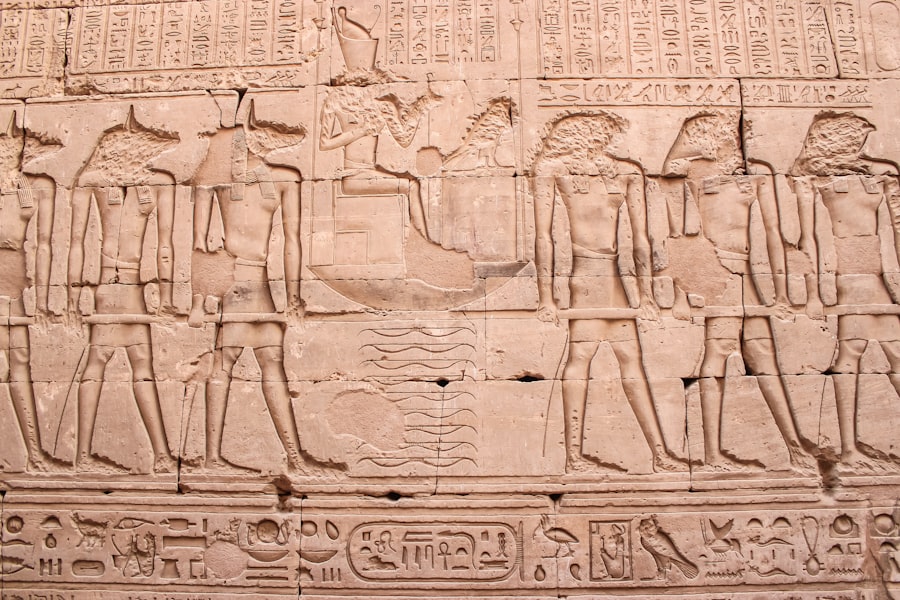
As you explore ancient historical records, you will inevitably encounter inconsistencies and contradictions that challenge your understanding of the past. Different civilizations often recorded events from their own perspectives, leading to variations in accounts. For instance, you might notice that the same event could be described differently in Egyptian and Mesopotamian texts, reflecting the biases and cultural contexts of each society.
This divergence can make it difficult to establish a definitive timeline of events. Moreover, as you examine these records, you may find that some events were exaggerated or romanticized over time. The tales of great battles or legendary figures often took on a life of their own, leading to discrepancies between historical fact and myth.
This phenomenon raises important questions about the reliability of ancient sources and how historians can sift through these narratives to construct an accurate timeline. You may find it essential to approach these records with a critical eye, recognizing that they are products of their time and influenced by various factors.
The Role of Bias and Myth in Ancient Historical Accounts
Bias and myth play significant roles in shaping ancient historical accounts, and as you study these narratives, you will need to consider how they impact your understanding of history. Many ancient historians were not impartial observers; instead, they were often influenced by their cultural backgrounds, political affiliations, or personal beliefs. This bias can manifest in various ways, such as glorifying certain leaders or downplaying the achievements of rival civilizations.
As you analyze these accounts, it is crucial to recognize these biases and how they color the portrayal of events. Mythology also intertwines with history in fascinating ways. You may discover that many ancient cultures used myths to explain natural phenomena or justify social hierarchies.
These myths often became intertwined with historical narratives, making it challenging to separate fact from fiction. For example, the epic tales of heroes like Gilgamesh or Achilles may contain kernels of historical truth but are also steeped in mythological elements that reflect the values and beliefs of their respective societies. Understanding this interplay between bias and myth will deepen your appreciation for the complexities of ancient historical accounts.
Reevaluating the Chronology of Ancient Civilizations
| Issue | Description | Example | Impact on Timeline Accuracy |
|---|---|---|---|
| Inconsistent Dating Methods | Different cultures used various calendars and dating systems, leading to discrepancies. | Egyptian calendar vs. Gregorian calendar | Causes confusion in correlating events across civilizations. |
| Limited Archaeological Evidence | Many ancient sites are yet to be discovered or fully excavated. | Unexplored Mesopotamian ruins | Leads to gaps or assumptions in historical timelines. |
| Bias in Historical Records | Ancient historians often wrote with political or cultural bias. | Roman accounts of Carthage | Distorts the true sequence or nature of events. |
| Oral Traditions vs. Written Records | Oral histories can change over time before being documented. | Indigenous American histories | Creates inconsistencies when compared to archaeological data. |
| Misinterpretation of Artifacts | Artifacts can be wrongly dated or their purpose misunderstood. | Misdated pottery shards | Leads to incorrect placement of events or cultures in timelines. |
As new evidence emerges and perspectives shift, historians continually reevaluate the chronology of ancient civilizations. You may find it intriguing that what was once considered a definitive timeline can change dramatically with new discoveries or interpretations. For instance, archaeological findings can challenge long-held beliefs about when certain civilizations rose or fell.
This ongoing process of reevaluation highlights the dynamic nature of history and encourages you to remain open-minded as you explore different interpretations. In your journey through ancient history, you might encounter instances where established timelines have been revised based on fresh evidence. For example, advancements in radiocarbon dating have allowed researchers to more accurately date artifacts and remains, leading to new insights into when specific cultures thrived.
As you engage with these evolving narratives, you will come to appreciate how history is not a static record but rather a living dialogue that reflects our growing understanding of the past.
The Impact of Archaeological Discoveries on Historical Timeline
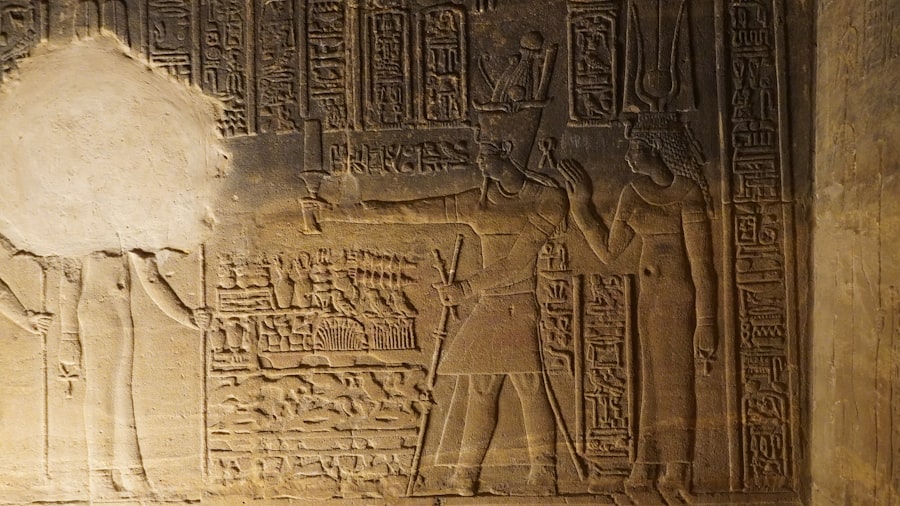
Archaeological discoveries have profoundly impacted our understanding of the ancient history timeline, often reshaping our perceptions of past civilizations.
For instance, the discovery of Pompeii preserved under volcanic ash has offered a unique glimpse into Roman life during its peak.
These findings can also challenge existing historical narratives by providing evidence that contradicts previously accepted timelines or events. You may be fascinated by how archaeological evidence has led to a reevaluation of significant events such as migrations or trade routes. As you consider these discoveries, it becomes clear that archaeology serves as a vital tool for historians seeking to construct a more accurate and nuanced understanding of ancient civilizations.
The Influence of Political and Cultural Factors on Historical Timeline
Political and cultural factors significantly influence how history is recorded and interpreted. As you study ancient civilizations, you will notice that rulers often commissioned historians to document their reigns in ways that glorified their achievements while omitting failures or dissenting voices. This selective recording can create skewed timelines that reflect the priorities and ideologies of those in power rather than an objective account of events.
Cultural factors also play a crucial role in shaping historical narratives. You may find it interesting how different societies prioritize certain events or figures based on their values and beliefs. For example, a civilization might emphasize its military conquests while downplaying its artistic achievements or vice versa.
This cultural lens can lead to varying interpretations of the same events across different societies, complicating your understanding of a unified historical timeline.
The Challenges of Dating Ancient Events and Artifacts
Dating ancient events and artifacts presents numerous challenges for historians and archaeologists alike. As you delve into this aspect of ancient history, you will encounter various methods used to establish dates, each with its own limitations and uncertainties. Radiocarbon dating is one widely used technique for organic materials; however, it can only provide estimates within a certain range due to fluctuations in atmospheric carbon levels over time.
Additionally, you may discover that many ancient artifacts lack clear contextual information that would help pinpoint their dates accurately. In some cases, inscriptions or written records may be damaged or incomplete, making it difficult to establish precise timelines for specific events or developments. These challenges underscore the importance of interdisciplinary collaboration among historians, archaeologists, and scientists as they work together to piece together the puzzle of ancient history.
The Role of Modern Technology in Revising Ancient History Timeline
Modern technology has revolutionized our approach to studying ancient history, providing new tools and methods for revising timelines and understanding past civilizations. As you explore this topic, you will find that advancements such as satellite imagery, ground-penetrating radar, and 3D modeling have opened up new avenues for archaeological exploration. These technologies allow researchers to identify potential excavation sites without disturbing the ground and to visualize ancient structures in ways that were previously unimaginable.
Furthermore, digital databases and analytical software enable historians to analyze vast amounts of data quickly and efficiently. You may appreciate how these tools facilitate comparative studies across different cultures and time periods, allowing for more nuanced interpretations of historical events. As technology continues to evolve, it promises to enhance our understanding of ancient history further and refine our timelines based on new evidence.
Revisiting Key Events and Figures in Ancient History
As you engage with ancient history timelines, revisiting key events and figures becomes essential for gaining a deeper understanding of their significance within broader historical contexts. You might find it enlightening to examine pivotal moments such as the fall of empires or major cultural shifts through various lenses—political, social, economic—each offering unique insights into why these events unfolded as they did. Moreover, exploring influential figures like Alexander the Great or Cleopatra can reveal how individual actions shaped entire civilizations’ trajectories.
By analyzing their motivations and decisions within their historical contexts, you will gain a richer appreciation for how personal agency interacts with larger societal forces in shaping history.
Implications of Revising the Ancient History Timeline for our Understanding of the Past
Revising the ancient history timeline has profound implications for our understanding of the past and its relevance to contemporary society. As you reflect on this topic, consider how new interpretations can challenge long-held beliefs about cultural superiority or historical progress. By recognizing the interconnectedness of different civilizations and acknowledging their contributions to human development, we can foster a more inclusive narrative that honors diverse perspectives.
Additionally, revisiting timelines encourages critical thinking about how history is constructed and who gets to tell it. You may find it empowering to engage with these narratives actively rather than passively accepting them as fixed truths. Ultimately, revising our understanding of ancient history not only enriches our knowledge but also informs our present-day values and decisions as we navigate an increasingly complex world shaped by our shared past.
Many historians and enthusiasts have begun to question the accuracy of the traditional ancient history timeline, suggesting that it may be based on flawed interpretations of archaeological evidence. For a deeper exploration of this topic, you can read the article on this subject at