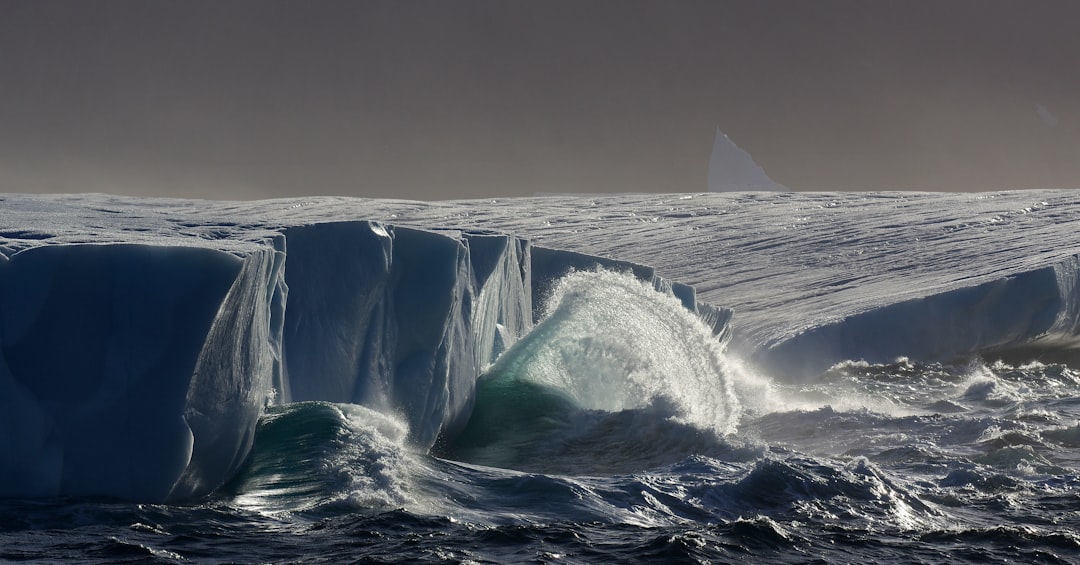
The theory of a lost continent in Antarctica has captivated the imaginations of scientists, historians, and adventurers alike. This notion suggests that beneath the thick ice sheets of Antarctica lies a landmass that once flourished with life and civilization. The idea of a hidden world, rich in resources and history, has sparked numerous explorations and studies aimed at uncovering the secrets buried beneath the ice.
As researchers delve deeper into the icy expanse, they are not only seeking to understand the geological history of the continent but also to explore the possibility that it may hold clues to ancient civilizations and ecosystems long forgotten. The allure of a lost continent is not merely a tale of adventure; it intertwines with broader questions about Earth’s geological past and the evolution of life. The concept challenges conventional understandings of plate tectonics and continental drift, suggesting that Antarctica may have once been part of a larger landmass that has since fragmented and submerged.
Key Takeaways
- The theory of a lost continent in Antarctica suggests that there may be a hidden landmass beneath the ice, with a rich history and unique geological features.
- The idea of a lost continent in Antarctica has its roots in early explorations and theories about the Earth’s geological history, dating back to the 19th century.
- Evidence supporting the existence of a lost continent in Antarctica includes geological formations, ancient fossils, and similarities to other continents, as well as satellite imagery and ice-penetrating radar data.
- Scientific research and exploration of Antarctica have revealed new insights into the continent’s geology, climate history, and potential for understanding Earth’s past and future.
- Technology, such as satellite imaging, ice-penetrating radar, and advanced mapping tools, has played a crucial role in uncovering Antarctica’s secrets and supporting the lost continent theory.
Historical Background and Origins of the Theory
The origins of the lost continent theory can be traced back to early explorations of Antarctica in the 19th century. As explorers ventured into the frigid landscapes, they began to speculate about the continent’s geological features and potential for ancient civilizations. The idea gained traction in the early 20th century when scientists like Alfred Wegener proposed theories of continental drift, suggesting that continents were once connected before drifting apart over millions of years.
This scientific framework provided a foundation for the lost continent hypothesis, as it opened up possibilities for what lay beneath Antarctica’s ice. In addition to scientific inquiry, various myths and legends from different cultures have contributed to the narrative of a lost continent. Ancient texts and folklore often speak of advanced civilizations that existed in harmony with nature, only to be lost to time and cataclysmic events.
These stories resonate with the idea that Antarctica could have once been a thriving land, home to sophisticated societies that vanished under the ice. The convergence of scientific exploration and mythological storytelling has fueled interest in uncovering the truth behind Antarctica’s enigmatic past.
Evidence Supporting the Existence of a Lost Continent in Antarctica
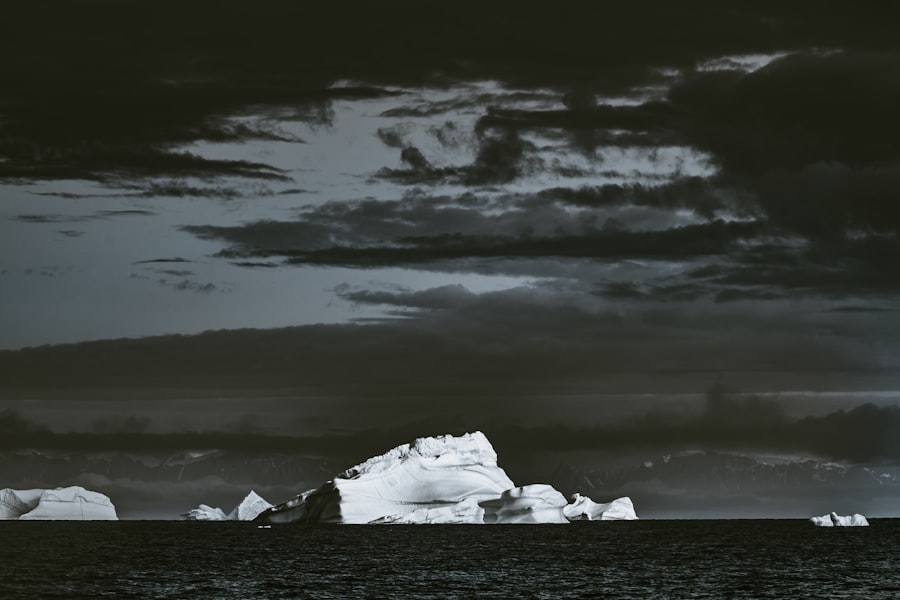
Proponents of the lost continent theory point to several pieces of evidence that suggest Antarctica may have once been a lush, habitable landmass. Geological studies reveal that certain rock formations found in Antarctica share similarities with those in other continents, particularly South America and Africa. These similarities indicate that these landmasses were once part of a larger supercontinent, known as Gondwana, which existed millions of years ago.
The presence of fossilized remains of plants and animals in Antarctic rock layers further supports the idea that the continent was once warmer and teeming with life. Additionally, researchers have discovered ancient riverbeds and lake sediments beneath the ice, suggesting that water once flowed freely across the landscape. These findings imply that Antarctica was not always the frozen wasteland it is today but rather a vibrant ecosystem capable of supporting diverse forms of life.
The discovery of subglacial lakes, such as Lake Vostok, has also raised questions about what other hidden features might lie beneath the ice, potentially revealing more about the continent’s geological history and its past inhabitants.
Scientific Research and Exploration of Antarctica
| Year | Number of Research Stations | Number of Scientific Publications | Number of Expeditions |
|---|---|---|---|
| 2015 | 38 | 1,200 | 25 |
| 2016 | 40 | 1,300 | 28 |
| 2017 | 42 | 1,400 | 30 |
Scientific research in Antarctica has evolved significantly over the decades, driven by advancements in technology and an increasing understanding of climate change. International collaborations have led to extensive studies aimed at understanding not only the continent’s geology but also its role in global climate systems. Researchers utilize satellite imagery, ice core samples, and ground-penetrating radar to gather data about the ice sheets and underlying geology, providing insights into past climates and environmental conditions.
Explorations have also focused on understanding how Antarctica’s ice sheets interact with ocean currents and global temperatures. The melting of these ice sheets due to climate change has raised alarms about rising sea levels and their potential impact on coastal communities worldwide. As scientists continue to study these dynamics, they are also piecing together a more comprehensive picture of Antarctica’s history, including its potential as a lost continent.
The Role of Technology in Uncovering Antarctica’s Secrets
The role of technology in Antarctic exploration cannot be overstated. Modern tools such as remote sensing satellites, autonomous underwater vehicles, and advanced drilling techniques have revolutionized how researchers study this remote region. Satellite imagery allows scientists to monitor changes in ice cover and track shifts in glacial movement over time, providing critical data for understanding climate change impacts.
Moreover, ground-penetrating radar has enabled researchers to map subglacial features with unprecedented detail. This technology has revealed hidden valleys, mountains, and even ancient river systems beneath the ice, offering tantalizing clues about what Antarctica may have looked like millions of years ago. As technology continues to advance, it opens new avenues for exploration and discovery, allowing scientists to delve deeper into Antarctica’s mysteries than ever before.
Theories and Speculations about the Lost Continent
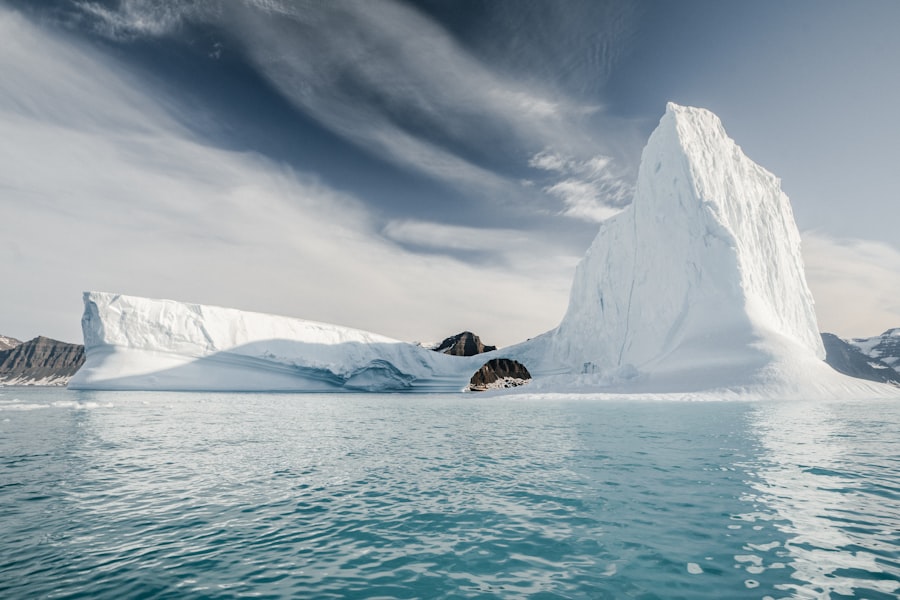
Theories surrounding the lost continent of Antarctica are diverse and often speculative. Some researchers propose that this hidden land could have been home to advanced civilizations that possessed knowledge far beyond what is currently understood.
Others suggest that if such a civilization existed, it may have faced catastrophic events leading to its demise. Theories range from natural disasters like volcanic eruptions or asteroid impacts to more fantastical ideas involving extraterrestrial influences or advanced technologies that allowed for rapid environmental changes. While these theories often lack concrete evidence, they contribute to the ongoing fascination with Antarctica as a potential cradle for lost human history.
Impact of the Lost Continent Theory on Geology and Earth’s History
The lost continent theory has significant implications for geology and our understanding of Earth’s history. If proven true, it would challenge existing models of continental drift and plate tectonics, prompting scientists to reconsider how continents have shifted over geological time scales. The existence of a once-thriving landmass beneath Antarctica could reshape narratives about biodiversity, climate evolution, and even human migration patterns.
Furthermore, this theory encourages interdisciplinary collaboration among geologists, climatologists, archaeologists, and historians. By integrating various fields of study, researchers can develop a more holistic understanding of how ancient environments functioned and how they may have influenced modern ecosystems. The quest to uncover Antarctica’s secrets thus becomes not only a scientific endeavor but also a journey into humanity’s shared past.
Controversies and Skepticism Surrounding the Lost Continent Theory
Despite its allure, the lost continent theory is not without controversy and skepticism. Many scientists argue that while geological evidence suggests Antarctica was once part of a larger landmass, there is insufficient proof to support claims of advanced civilizations existing there. Critics emphasize the need for rigorous scientific validation before accepting such extraordinary claims.
Additionally, some skeptics point out that much of the speculation surrounding lost civilizations is rooted in pseudoscience or sensationalism rather than empirical evidence. They caution against drawing conclusions based solely on anecdotal accounts or unverified theories. This skepticism serves as a reminder that while exploration is essential for discovery, it must be grounded in scientific rigor to ensure accurate interpretations of Antarctica’s past.
Cultural and Mythological Significance of Antarctica
Antarctica’s cultural and mythological significance extends beyond scientific inquiry; it has become a symbol of mystery and exploration in popular culture. Various myths from different cultures reference lost lands or civilizations hidden beneath ice or water, echoing themes found in stories about Atlantis or Lemuria. These narratives often reflect humanity’s desire to uncover hidden truths about our origins and place in the universe.
In literature and film, Antarctica is frequently depicted as an enigmatic realm where ancient secrets await discovery. This portrayal taps into humanity’s fascination with exploration and adventure while also serving as a canvas for imaginative storytelling. As such, Antarctica occupies a unique space in both scientific discourse and cultural imagination, bridging the gap between reality and myth.
Future Prospects and Discoveries in Antarctica
The future prospects for discoveries in Antarctica are promising as technology continues to advance and international collaboration grows stronger. Ongoing research initiatives aim to explore subglacial environments further, potentially revealing new species adapted to extreme conditions or uncovering ancient ecosystems preserved beneath layers of ice. These discoveries could provide invaluable insights into how life adapts to changing climates.
Moreover, as climate change accelerates glacial melting, researchers are presented with both challenges and opportunities. The rapid changes occurring in Antarctica may offer unique windows into Earth’s past climates while also raising urgent questions about future environmental impacts. As scientists continue their quest to unravel Antarctica’s mysteries, they remain hopeful that new findings will shed light on both the continent’s geological history and its potential role in shaping humanity’s future.
The Continuing Quest to Unravel Antarctica’s Mysteries
The quest to uncover the mysteries of Antarctica is an ongoing journey filled with intrigue and discovery. The theory of a lost continent beneath its icy surface invites both scientific inquiry and imaginative speculation about what once existed there. As researchers continue to explore this remote region using cutting-edge technology and interdisciplinary approaches, they inch closer to understanding not only Antarctica’s geological history but also its significance within the broader context of Earth’s evolution.
While skepticism remains regarding claims of advanced civilizations or extraordinary phenomena associated with this lost landmass, the pursuit itself enriches humanity’s collective knowledge about our planet’s past. Each new discovery adds another layer to the complex tapestry of Earth’s history, reminding us that there is still much left to learn about our world—and perhaps even ourselves—hidden beneath layers of ice in one of its most remote corners.
The theory of the lost continent of Antarctica has intrigued researchers and enthusiasts alike, sparking numerous discussions and explorations into the mysteries hidden beneath its icy surface. This theory suggests that beneath the thick ice sheets lies a continent that once harbored ancient civilizations or unique geological formations. For those interested in delving deeper into this captivating topic, a related article can be found on Real Lore and Order’s website. This article explores various hypotheses and evidence surrounding the enigmatic continent. To read more about these fascinating ideas, visit the article by clicking here.
WATCH THIS 🧊The US Military Confirmed It: What’s REALLY Under the Antarctic Ice?
FAQs
What is the Lost continent of Antarctica theory?
The Lost continent of Antarctica theory suggests that there may have been a landmass or continent in the past that is now submerged under the Antarctic ice sheet.
What evidence supports the Lost continent of Antarctica theory?
Evidence supporting the Lost continent of Antarctica theory includes geological studies, satellite imagery, and the discovery of ancient fossils and rock formations that suggest the presence of a landmass before it became covered by ice.
When did the Lost continent of Antarctica theory emerge?
The Lost continent of Antarctica theory has been a topic of scientific discussion for many years, with early speculation dating back to the 19th century. However, it has gained more attention in recent decades with advancements in technology and research methods.
What are some of the challenges in studying the Lost continent of Antarctica theory?
Some of the challenges in studying the Lost continent of Antarctica theory include the extreme conditions of the Antarctic region, the thick ice cover that makes it difficult to conduct direct exploration, and the limited availability of funding for research in this remote area.
What are the implications of the Lost continent of Antarctica theory?
If the Lost continent of Antarctica theory is proven to be true, it could significantly impact our understanding of Earth’s geological history and the processes that have shaped the planet over millions of years. It could also have implications for climate change research and the potential for undiscovered biodiversity in the region.