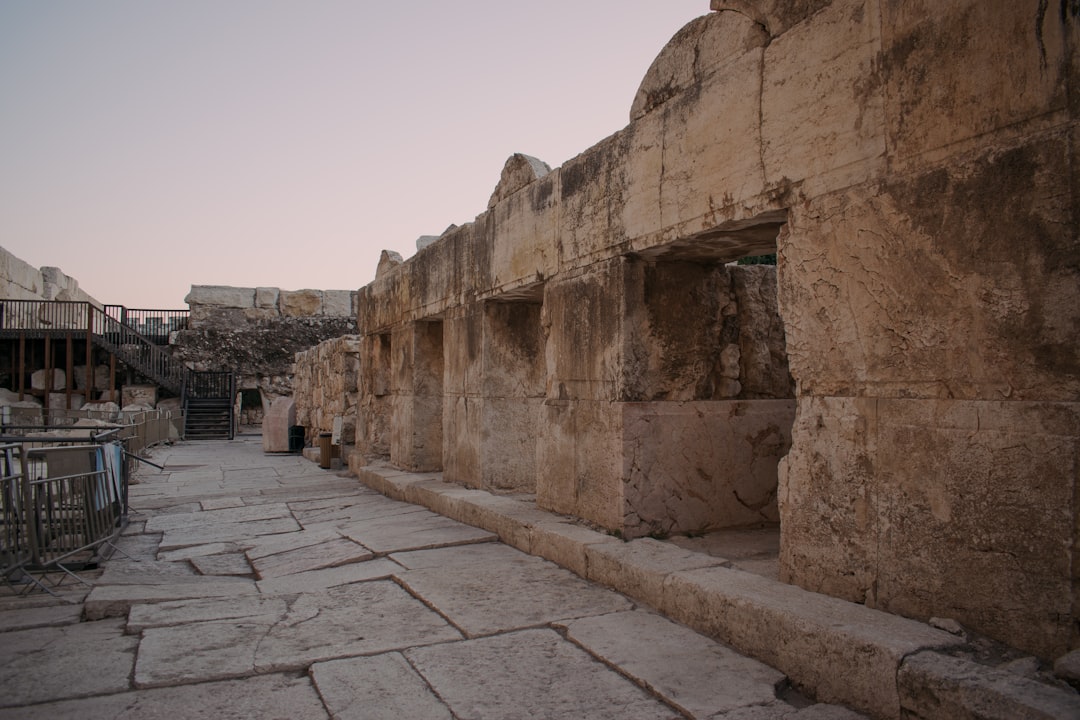
Throughout history, the rise and fall of empires have shaped human civilization. These societies achieved significant advancements in culture, technology, and governance, leaving lasting impacts on the world.
Historians and archaeologists study these lost civilizations both for academic interest and to understand the temporary nature of human achievements. The examination of how civilizations develop and eventually decline provides valuable context for understanding contemporary society. The study of lost empires centers on understanding their disappearance.
Researchers investigate whether environmental changes, internal conflicts, or external threats caused their downfall. Each vanished civilization offers unique insights into the complex factors that contribute to societal collapse. Analysis of these ancient societies reveals patterns and lessons applicable to modern times, when the stability of current civilizations is often assumed.
These historical examples serve as important reminders, encouraging present and future generations to consider the sustainability of their own societies.
Key Takeaways
- Lost empires like the Mayan, Indus Valley, and Roman civilizations vanished due to complex and often mysterious factors.
- Environmental changes, invasions, and internal strife commonly contributed to the decline of ancient societies.
- Some civilizations, such as the Hittites and Olmecs, remain less understood due to limited archaeological evidence.
- The study of lost empires offers valuable insights into the rise and fall of human societies.
- Understanding these ancient collapses can help modern civilizations avoid similar fates.
The Mysterious Disappearance of the Mayan Civilization
The Mayan civilization, renowned for its advanced knowledge in mathematics, astronomy, and architecture, flourished in Mesoamerica for centuries. At its peak, it boasted impressive city-states such as Tikal and Palenque, characterized by towering pyramids and intricate hieroglyphics. However, by the end of the 9th century, many of these cities were abandoned, leading to one of history’s most intriguing mysteries: what caused the collapse of this once-thriving civilization?
Scholars have proposed various theories to explain the Mayans’ decline. Some suggest that prolonged droughts severely impacted agricultural production, leading to food shortages and social unrest. Others point to internal conflicts and warfare among rival city-states as contributing factors.
Additionally, the overexploitation of resources may have played a role in destabilizing their society. The combination of these elements created a perfect storm that ultimately led to the disintegration of the Mayan civilization. Despite extensive research, the exact reasons for their disappearance remain elusive, leaving historians to ponder the fate of this remarkable culture.
The Enigmatic Collapse of the Indus Valley Civilization

The Indus Valley Civilization, one of the world’s earliest urban cultures, thrived around 2500 BCE in what is now Pakistan and northwest India. Known for its sophisticated city planning, advanced drainage systems, and standardized weights and measures, this civilization was a marvel of its time. Yet, by 1900 BCE, many of its major cities, including Harappa and Mohenjo-Daro, were abandoned.
The reasons behind this enigmatic collapse have puzzled researchers for decades. Several hypotheses have emerged regarding the decline of the Indus Valley Civilization. Some scholars argue that climate change played a significant role, with shifting monsoon patterns leading to droughts that devastated agriculture.
Others suggest that tectonic activity may have altered river courses, disrupting trade routes and access to water. Additionally, evidence of social stratification indicates that internal conflicts could have contributed to societal breakdown. The interplay of these factors paints a complex picture of a civilization that was ultimately unable to adapt to changing circumstances.
The Decline and Fall of the Roman Empire
The Roman Empire stands as one of history’s most powerful and influential civilizations, dominating much of Europe, North Africa, and parts of Asia for centuries. Its legacy is evident in modern governance, law, architecture, and language. However, by the 5th century CE, this once-mighty empire began to crumble under the weight of various pressures.
The decline and fall of Rome is a multifaceted story marked by political instability, economic troubles, and external invasions. Internal strife plagued the Roman Empire as power struggles among emperors weakened central authority. Corruption and inefficiency within the government further exacerbated these issues.
Economically, heavy taxation and reliance on slave labor stifled innovation and productivity. Meanwhile, external threats from barbarian tribes such as the Visigoths and Vandals intensified as Rome’s military might waned. The culmination of these factors led to the sacking of Rome in 410 CE and ultimately the fall of the Western Roman Empire in 476 CE.
This monumental collapse reshaped Europe and ushered in a new era known as the Dark Ages.
The Vanishing of the Akkadian Empire
| Empire | Region | Period | Peak Territory (sq km) | Estimated Population | Reason for Disappearance |
|---|---|---|---|---|---|
| Hittite Empire | Anatolia (modern Turkey) | c. 1600–1178 BCE | ~500,000 | ~2 million | Invasion by Sea Peoples and internal collapse |
| Assyrian Empire | Mesopotamia | c. 2500–609 BCE | ~1,400,000 | ~5 million | Conquered by Babylonians and Medes |
| Olmec Civilization | Modern-day Mexico | c. 1500–400 BCE | ~20,000 | Unknown, likely several hundred thousand | Environmental changes and societal decline |
| Mycenaean Greece | Greece | c. 1600–1100 BCE | ~100,000 | ~1 million | Collapse due to invasions and internal strife |
| Indus Valley Civilization | South Asia | c. 3300–1300 BCE | ~1,250,000 | ~5 million | Climate change and river shifts |
The Akkadian Empire emerged around 2334 BCE in Mesopotamia under the leadership of Sargon the Great. It is often regarded as one of the world’s first empires due to its vast territorial expansion and centralized administration. However, by 2154 BCE, this powerful civilization experienced a sudden decline that has intrigued historians for centuries.
The reasons behind the Akkadian Empire’s disappearance remain a subject of debate among scholars. One prevailing theory suggests that environmental factors played a crucial role in the Akkadian collapse. Evidence indicates that a severe drought struck the region during this period, leading to agricultural failure and widespread famine.
This environmental stress may have triggered social unrest and conflict among various groups vying for dwindling resources. Additionally, internal strife and potential invasions from neighboring tribes could have further destabilized the empire. The combination of these elements ultimately led to the Akkadian Empire’s downfall, leaving behind only remnants of its once-great civilization.
The Forgotten Kingdom of the Hittites

The Hittite Empire flourished in Anatolia (modern-day Turkey) during the late Bronze Age, reaching its zenith around 1400 BCE. Known for their military prowess and advanced legal systems, the Hittites played a significant role in regional politics and trade. However, by 1200 BCE, this formidable kingdom experienced a mysterious decline that has puzzled historians for generations.
One possibility is that a series of invasions by the so-called “Sea Peoples” disrupted trade routes and destabilized Hittite society. Additionally, internal strife and economic difficulties may have weakened their political structure.
Climate change could also have played a role; evidence suggests that droughts may have affected agricultural production in Anatolia during this period. The convergence of these factors likely contributed to the Hittites’ eventual disappearance from historical records.
The Disappearance of the Olmec Civilization
The Olmec civilization is often regarded as the “mother culture” of Mesoamerica due to its influence on subsequent civilizations such as the Maya and Aztecs. Flourishing between 1200 BCE and 400 BCE along Mexico’s Gulf Coast, the Olmecs are known for their colossal stone heads and intricate artwork. However, by around 400 BCE, this vibrant culture began to decline without a clear explanation for its disappearance.
Scholars have proposed various theories regarding the Olmec collapse. Some suggest that environmental changes, such as flooding or volcanic activity, may have disrupted their agricultural practices and forced them to abandon their cities. Others point to social upheaval or conflict with neighboring groups as potential causes for their decline.
Despite extensive archaeological research, definitive answers remain elusive, leaving the fate of this influential civilization shrouded in mystery.
The Lost Civilization of the Khmer Empire
The Khmer Empire reached its zenith between the 9th and 15th centuries CE in Southeast Asia, known for its stunning architectural achievements such as Angkor Wat. This civilization thrived through advanced agricultural practices and an extensive irrigation system that supported a growing population. However, by the 15th century, the Khmer Empire experienced a significant decline that led to its eventual disappearance from historical prominence.
Several factors contributed to the fall of the Khmer Empire. Environmental changes played a crucial role; evidence suggests that prolonged droughts followed by intense flooding disrupted agricultural production and strained resources. Additionally, internal conflicts and power struggles weakened central authority within the empire.
The rise of neighboring states also posed external threats that further destabilized Khmer society. Ultimately, these combined pressures led to a gradual decline that saw once-thriving cities abandoned and forgotten.
The Collapse of the Ancient Egyptian Empire
Ancient Egypt is often celebrated for its remarkable achievements in art, architecture, and governance over thousands of years along the Nile River. However, even this iconic civilization faced periods of decline and collapse throughout its long history. The end of the New Kingdom around 1070 BCE marked one such significant downturn that saw Egypt lose its status as a dominant power in the ancient world.
Multiple factors contributed to Egypt’s decline during this period. Internal strife weakened central authority as rival factions vied for power following the death of strong pharaohs like Ramses
Economic troubles arose from overextension in military campaigns and reliance on tribute from conquered territories. Additionally, invasions by foreign powers such as the Sea Peoples further destabilized Egypt’s political landscape. This combination of internal discord and external threats ultimately led to a fragmentation of power that marked Egypt’s transition into a period known as the Third Intermediate Period.
The Disappearance of the Minoan Civilization
The Minoan civilization flourished on the island of Crete from approximately 2700 BCE to 1450 BCE and is often credited with being one of Europe’s earliest advanced societies. Renowned for their impressive palaces at Knossos and sophisticated art forms, Minoans made significant contributions to trade and culture in the Mediterranean region. However, by around 1450 BCE, this vibrant civilization experienced a sudden decline that remains enigmatic.
Several theories have been proposed regarding the Minoan collapse. One possibility is that natural disasters such as earthquakes or volcanic eruptions significantly impacted their infrastructure and agricultural capabilities. Additionally, evidence suggests that invasions by Mycenaean Greeks may have contributed to their downfall as they sought control over trade routes in the region.
Internal strife or economic challenges could also have played a role in destabilizing Minoan society. Despite ongoing research into this ancient culture’s fate, definitive answers remain elusive.
Lessons from Lost Empires
The stories of lost empires serve as powerful reminders of both human achievement and vulnerability throughout history. Each civilization’s rise was marked by innovation and cultural flourishing; however, their eventual decline underscores critical lessons about sustainability, adaptability, and resilience in facing challenges. As contemporary societies grapple with issues such as climate change, political instability, and resource depletion, reflecting on these ancient narratives can provide valuable insights into navigating an uncertain future.
Understanding why these empires fell can help modern civilizations avoid similar pitfalls while fostering an appreciation for cultural heritage across time periods. By studying lost empires like those discussed here—the Mayans with their astronomical knowledge or Romans with their legal systems—current societies can draw inspiration from past successes while remaining vigilant against potential threats to stability and prosperity. Ultimately, history teaches us that while empires may rise and fall like tides upon shores long forgotten; it is our responsibility to learn from them so we may build a more sustainable future for generations yet unborn.
One fascinating aspect of ancient history is the rise and fall of empires that have mysteriously disappeared over time. For a deeper exploration of this topic, you can read the article on ancient empires at Real Lore and Order, which delves into the reasons behind their decline and the lessons we can learn from their histories.
WATCH THIS! 🏛️ Empires Didn’t Collapse—They Got Erased: The Pattern Nobody Sees
FAQs
What are ancient empires that disappeared from history?
Ancient empires that disappeared from history refer to powerful civilizations or states that once thrived but eventually declined, collapsed, or were absorbed by other cultures, leaving behind limited records or archaeological evidence.
Why did many ancient empires disappear?
Ancient empires often disappeared due to a combination of factors such as invasions, internal conflicts, economic decline, environmental changes, natural disasters, and shifts in trade routes.
Can we learn about these empires despite their disappearance?
Yes, historians and archaeologists study artifacts, ruins, ancient texts, and other evidence to reconstruct the history and culture of these lost empires.
What are some examples of ancient empires that disappeared?
Examples include the Akkadian Empire, the Hittite Empire, the Indus Valley Civilization, the Olmec civilization, and the Maya civilization, among others.
Did these empires leave any lasting impact?
Many ancient empires influenced later cultures through innovations in governance, architecture, writing systems, art, and technology, contributing to the development of human civilization.
How do archaeologists discover information about these lost empires?
Archaeologists use excavation, carbon dating, analysis of artifacts, and study of ancient inscriptions to uncover and interpret evidence of these empires.
Are there still undiscovered ancient empires?
It is possible, as ongoing archaeological research continues to reveal new sites and information about previously unknown or poorly understood ancient civilizations.
What challenges exist in studying ancient empires that disappeared?
Challenges include limited or damaged records, difficulty in interpreting artifacts, environmental degradation of sites, and distinguishing myth from historical fact.