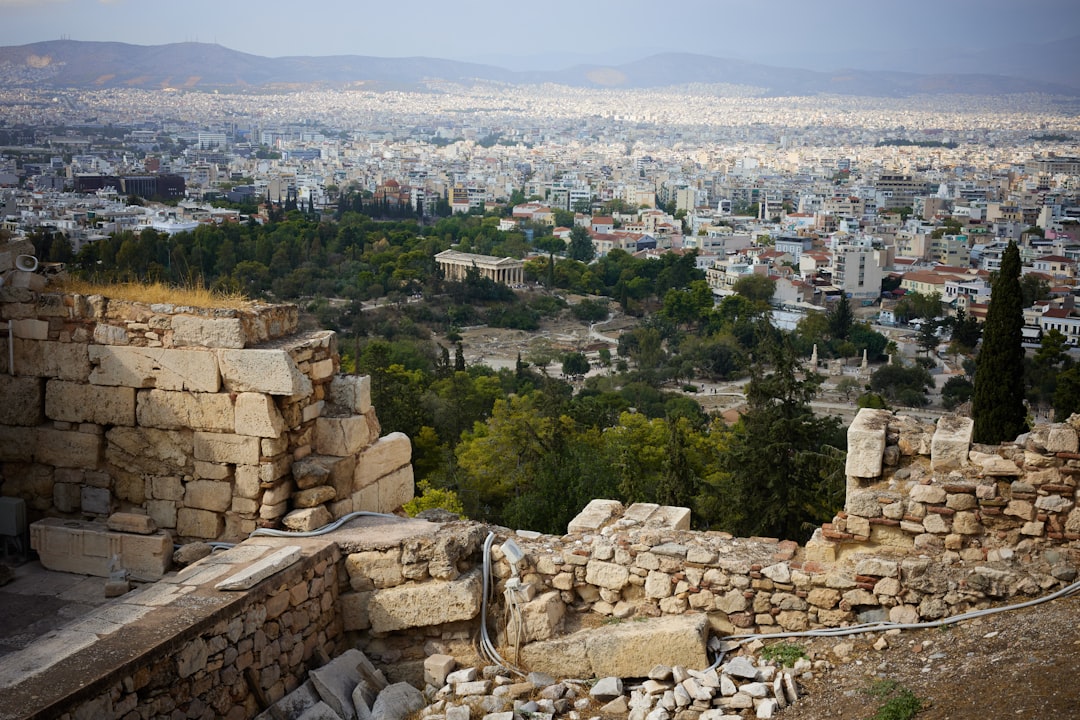
Throughout history, humanity has been captivated by the remnants of ancient civilizations, their achievements, and the knowledge they left behind. The allure of lost knowledge is not merely a fascination with the past; it is a quest to understand the foundations upon which modern society stands. From the towering pyramids of Egypt to the intricate ruins of the Mayan civilization, these remnants serve as a testament to the ingenuity and creativity of ancient peoples.
Yet, much of their wisdom remains shrouded in mystery, lost to time and the ravages of history. The exploration of this lost knowledge invites a deeper inquiry into the capabilities of ancient cultures. What secrets did they hold that have since been forgotten?
How did they navigate their worlds with such sophistication? As scholars and enthusiasts delve into archaeological findings, ancient texts, and oral traditions, they uncover fragments of a vast tapestry woven from the threads of human experience. This article seeks to illuminate the mysteries surrounding ancient civilizations, their advanced technologies, spiritual insights, and the arts that have shaped human history.
Key Takeaways
- The ancient world holds a wealth of knowledge that has been lost over time.
- Ancient civilizations had mysterious practices and beliefs that continue to intrigue us today.
- Advanced technology and engineering feats of ancient cultures still baffle modern scientists.
- The spiritual and philosophical wisdom of ancient sages continues to inspire and guide us.
- The lost arts and crafts of ancient times showcase the creativity and skill of our ancestors.
The Mysteries of Ancient Civilizations
The mysteries surrounding ancient civilizations are as diverse as the cultures themselves. Each civilization, from the enigmatic Indus Valley to the sophisticated societies of Mesopotamia, has left behind clues that hint at their complexities. Archaeological discoveries often reveal advanced urban planning, intricate trade networks, and social hierarchies that challenge contemporary understandings of societal development.
The question remains: how did these societies achieve such remarkable feats without the technological advancements available today? One of the most compelling aspects of these mysteries is the way they intertwine with mythology and folklore. Many ancient cultures crafted elaborate narratives to explain their existence and the world around them.
These stories often contained profound truths about human nature and the cosmos, reflecting a deep understanding of life’s complexities. As researchers continue to decode these narratives, they uncover insights that resonate even in modern times, suggesting that the wisdom of ancient civilizations may still hold relevance today.
The Advanced Technology of Ancient Cultures
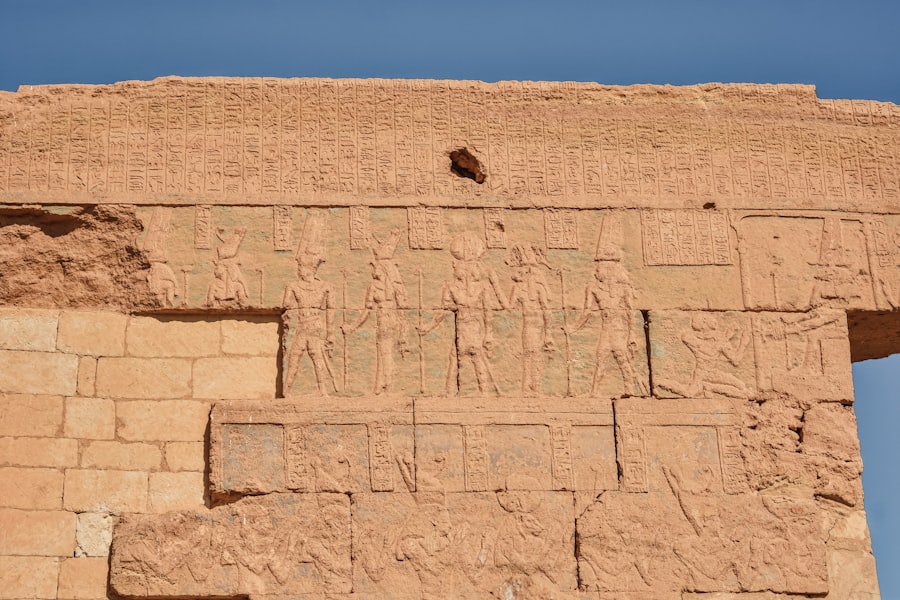
When one thinks of technology, images of modern machinery and digital devices often come to mind. However, ancient cultures possessed remarkable technological prowess that laid the groundwork for future innovations. The construction techniques used in monumental architecture, such as the precise alignment of Stonehenge or the engineering marvels of the Roman aqueducts, demonstrate an understanding of physics and mathematics that was far ahead of its time.
These achievements were not merely practical; they were also expressions of cultural identity and spiritual beliefs. Moreover, ancient cultures developed tools and methods that facilitated agriculture, navigation, and communication long before contemporary inventions emerged. The use of simple machines like levers and pulleys allowed for the construction of grand structures, while innovations in metallurgy led to stronger tools and weapons.
The wheel, one of humanity’s most significant inventions, revolutionized transportation and trade. By examining these advancements, one can appreciate how ancient societies harnessed their environment and resources to create lasting legacies.
The Spiritual and Philosophical Wisdom of Ancient Sages
| Sage | Teaching | Time Period |
|---|---|---|
| Confucius | The Golden Rule: “Do not do to others what you do not want done to yourself” | 551-479 BC |
| Socrates | “The only true wisdom is in knowing you know nothing” | 470-399 BC |
| Buddha | The Four Noble Truths and the Eightfold Path | 563-483 BC |
| Lao Tzu | Tao Te Ching: “The journey of a thousand miles begins with one step” | 6th century BC |
The spiritual and philosophical wisdom of ancient sages offers profound insights into human existence and morality. Thinkers such as Confucius, Socrates, and Laozi grappled with questions about ethics, governance, and the nature of reality. Their teachings have transcended time and continue to influence contemporary thought.
The philosophical frameworks established by these sages provided guidance on how to live harmoniously within society and with oneself. In addition to formal philosophy, many ancient cultures embraced spirituality that intertwined with daily life. Rituals, myths, and religious practices served as conduits for understanding the universe and humanity’s place within it.
The teachings found in texts like the Bhagavad Gita or the Tao Te Ching reflect a deep connection to nature and an understanding of life’s cyclical nature. This spiritual wisdom encourages individuals to seek balance and harmony in their lives, a pursuit that remains relevant in today’s fast-paced world.
The Lost Arts and Crafts of Ancient Times
The arts and crafts of ancient civilizations reveal much about their values, beliefs, and daily lives. From intricate pottery designs to elaborate textiles, these creations were not merely functional; they were imbued with cultural significance. The craftsmanship displayed in artifacts from cultures such as the Etruscans or the Incas showcases a level of artistry that continues to inspire modern artisans.
Moreover, many ancient crafts were closely tied to spiritual practices or societal roles. For instance, pottery was often used in rituals or as offerings to deities, while textiles could signify status or community identity. The techniques used in these crafts were passed down through generations, preserving not only skills but also stories and traditions.
As contemporary society grapples with mass production and digital art forms, there is a growing appreciation for the handmade quality and cultural narratives embedded in ancient crafts.
The Medical and Healing Practices of Ancient Civilizations
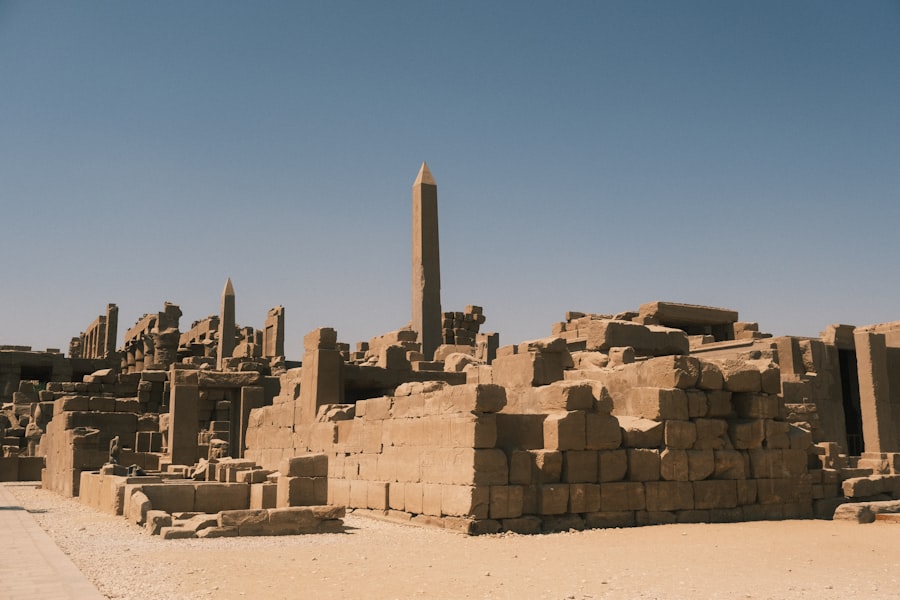
The medical practices of ancient civilizations provide a fascinating glimpse into their understanding of health and wellness. Cultures such as those in Egypt, Greece, and China developed sophisticated systems of medicine that combined herbal remedies, surgical techniques, and spiritual healing. The Ebers Papyrus from ancient Egypt is one of the earliest medical texts known to humanity, detailing various treatments for ailments ranging from wounds to digestive issues.
Ancient healers often viewed health as a balance between physical, mental, and spiritual well-being. This holistic approach resonates with modern integrative medicine practices that emphasize treating the whole person rather than just symptoms. Techniques such as acupuncture from Traditional Chinese Medicine or Ayurveda from India highlight how ancient wisdom continues to inform contemporary health practices.
By studying these methods, modern practitioners can gain insights into alternative healing modalities that have stood the test of time.
The Ancient Knowledge of Astronomy and Cosmology
The study of astronomy in ancient civilizations reveals a profound curiosity about the cosmos that transcends time. Cultures such as the Babylonians, Mayans, and Greeks meticulously observed celestial bodies and developed complex calendars based on their movements. These astronomical observations were not merely scientific endeavors; they were deeply intertwined with religious beliefs and agricultural practices.
For instance, the Mayans created an intricate calendar system that aligned with celestial events, guiding agricultural cycles and religious ceremonies. Similarly, ancient Greeks like Ptolemy contributed significantly to astronomical knowledge by proposing models that explained planetary motion. This blend of science and spirituality reflects a holistic understanding of humanity’s place in the universe—a perspective that continues to inspire astronomers today as they seek to unravel the mysteries of space.
The Ancient Wisdom of Agriculture and Farming
Agriculture is often regarded as one of humanity’s most significant achievements, marking a transition from nomadic lifestyles to settled communities. Ancient civilizations developed innovative farming techniques that allowed them to cultivate crops efficiently and sustainably. The Fertile Crescent is often cited as one of the birthplaces of agriculture, where early farmers domesticated plants and animals to support growing populations.
Techniques such as crop rotation, irrigation systems, and selective breeding were employed by various cultures to enhance productivity. The agricultural practices established by ancient societies laid the foundation for modern farming methods. Furthermore, their understanding of seasonal cycles and environmental stewardship reflects a deep connection to nature that is increasingly relevant in today’s discussions about sustainability and food security.
The Ancient Mysteries of Mathematics and Geometry
Mathematics has long been considered a universal language, yet its roots can be traced back to ancient civilizations that utilized it for practical purposes such as trade, construction, and astronomy. The Egyptians employed geometry in their architectural endeavors, while the Babylonians developed a base-60 number system that influenced timekeeping practices still used today. The Pythagorean theorem is perhaps one of the most famous mathematical principles attributed to ancient Greece; however, its origins can be found in earlier cultures that understood geometric relationships long before Pythagoras formalized them.
This mathematical knowledge was not merely theoretical; it was applied in real-world contexts such as land surveying and navigation. By exploring these ancient mathematical concepts, one can appreciate how foundational they are to contemporary mathematics.
The Lost Languages and Writing Systems of Ancient Cultures
Language is a powerful tool for communication and expression; however, many ancient languages have been lost to time or remain undeciphered. Writing systems such as cuneiform from Mesopotamia or hieroglyphics from Egypt were revolutionary developments that allowed for record-keeping, storytelling, and administration. These scripts provided insights into daily life, governance, and cultural beliefs.
The decipherment of languages like Linear B or Mayan glyphs has opened windows into previously inaccessible historical narratives. Each symbol carries meaning beyond mere words; it encapsulates cultural identity and collective memory. As linguists continue to work on deciphering lost languages, they contribute to a greater understanding of human history and cultural evolution.
Preserving and Rediscovering the Lost Knowledge of the Ancient World
In an age where information is readily available at our fingertips, preserving ancient knowledge presents both challenges and opportunities.
It is imperative for modern society to recognize the value of this knowledge not only for historical understanding but also for its potential contributions to contemporary issues.
Efforts are underway globally to preserve ancient sites through conservation initiatives and digital archiving projects that aim to document artifacts before they are lost forever. Additionally, interdisciplinary collaborations between historians, archaeologists, linguists, and scientists are fostering new approaches to rediscovering lost knowledge.
In conclusion, exploring the lost knowledge of the ancient world reveals a rich tapestry woven from diverse threads—mysteries waiting to be unraveled by curious minds eager to learn from those who came before us. As humanity navigates an increasingly complex world, revisiting these ancient insights may provide valuable lessons on resilience, creativity, and interconnectedness that transcend time itself.
The exploration of lost knowledge from the ancient world often leads us to fascinating discoveries about civilizations that once thrived but have since faded into obscurity. One intriguing article that delves into this topic is found on the Real Lore and Order website, which discusses various aspects of ancient wisdom and its implications for modern society. You can read more about it in this article.
WATCH THIS! Why 99% of History Is Wrong (The Ooparts That Prove It)
FAQs
What is the lost knowledge of the ancient world?
The lost knowledge of the ancient world refers to information, skills, and technologies that were developed by ancient civilizations but have been lost or forgotten over time. This knowledge could include advanced medical practices, architectural techniques, or scientific discoveries.
Why is the knowledge considered lost?
The knowledge is considered lost because it has not been passed down through the generations or has been destroyed or forgotten over time. This could be due to factors such as wars, natural disasters, or the decline of civilizations.
What are some examples of lost knowledge from the ancient world?
Examples of lost knowledge from the ancient world include the construction techniques used to build the pyramids of Egypt, the advanced medical knowledge of the ancient Greeks, and the precise astronomical observations made by civilizations such as the Maya and the Babylonians.
How do historians and archaeologists uncover lost knowledge?
Historians and archaeologists uncover lost knowledge through the study of ancient texts, artifacts, and archaeological sites. They also use scientific techniques such as carbon dating and DNA analysis to piece together information about ancient civilizations and their knowledge.
Why is it important to study and understand lost knowledge of the ancient world?
Studying and understanding lost knowledge of the ancient world can provide valuable insights into the achievements and capabilities of ancient civilizations. It can also inspire new scientific and technological advancements by learning from the past. Additionally, it helps to preserve and protect cultural heritage.