
The origins of Damascus steel are shrouded in mystery, captivating historians and metallurgists alike for centuries. This legendary material, known for its distinctive patterns and exceptional strength, is believed to have originated in the Near East around the 3rd century AD. The name “Damascus” is derived from the ancient city of Damascus in Syria, which was a significant center for trade and craftsmanship.
However, the exact methods used to create this remarkable steel remain elusive, with many theories attempting to explain its inception. Some scholars suggest that the steel was produced using wootz, a crucible steel from India, which was then traded along ancient routes to the Middle East. The allure of Damascus steel lies not only in its physical properties but also in the stories that surround its creation.
Legends speak of skilled blacksmiths who possessed secret knowledge passed down through generations, allowing them to forge blades that were both beautiful and deadly. The intricate patterns found in Damascus steel, often resembling flowing water or clouds, are thought to be a result of the unique carbon content and the forging techniques employed. Despite extensive research, the precise techniques used by ancient artisans remain largely speculative, adding to the mystique of this extraordinary material.
Key Takeaways
- Damascus steel has mysterious origins, with the exact recipe and production methods lost to history.
- The unique properties of Damascus steel, including its strength, flexibility, and beautiful patterns, have made it highly sought after.
- Damascus steel declined and disappeared in the 18th century, with the knowledge of its production lost.
- The search for the lost recipe of Damascus steel has led to various theories and speculations.
- Carbon nanotubes may play a role in the unique properties of Damascus steel, contributing to its strength and resilience.
The Unique Properties of Damascus Steel
Damascus steel is renowned for its unique properties that set it apart from other types of steel. One of its most notable characteristics is its remarkable strength and durability. The combination of different iron and carbon content creates a material that can withstand significant stress without breaking or deforming.
This resilience made Damascus steel an ideal choice for weapons, particularly swords and knives, which required both sharpness and toughness. The ability to hold a keen edge while resisting chipping or shattering was a hallmark of blades crafted from this material. In addition to its mechanical properties, Damascus steel is celebrated for its aesthetic appeal.
The distinctive patterns formed during the forging process not only serve a functional purpose but also create a visually striking appearance. Each blade tells a story through its unique design, making it a sought-after item among collectors and enthusiasts. The interplay of light on the surface of the steel enhances its beauty, further solidifying its status as a work of art as much as a tool.
This combination of strength and beauty has ensured that Damascus steel remains a symbol of craftsmanship and excellence throughout history.
The Decline and Disappearance of Damascus Steel
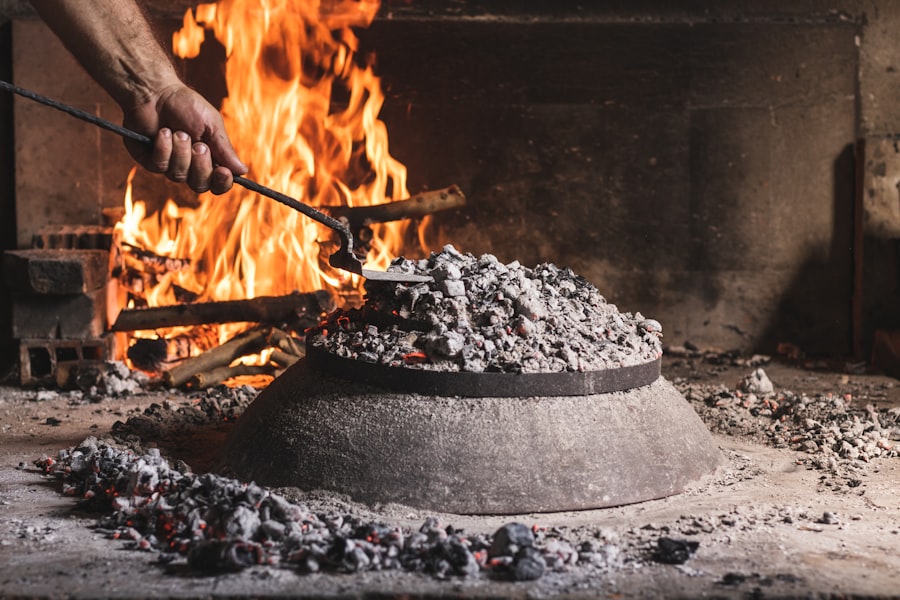
Despite its revered status, the production of traditional Damascus steel began to decline in the late 18th century. Several factors contributed to this downturn, including changes in technology and the rise of industrial steel production. As advancements in metallurgy emerged, new methods for producing steel became more efficient and cost-effective, leading to a shift away from traditional techniques.
The once-thriving craft of Damascus steel production faced challenges as blacksmiths struggled to compete with mass-produced alternatives that could be manufactured at a fraction of the cost. Moreover, the geopolitical landscape of the time played a significant role in the decline of Damascus steel. The fall of empires and shifts in trade routes disrupted the flow of materials and knowledge necessary for its production.
As artisans migrated or were displaced due to conflict, the secrets of Damascus steel were lost to time. By the 19th century, the once-celebrated craft had all but disappeared, leaving behind only remnants of its legacy in museums and historical texts.
The Search for the Lost Recipe
| Metrics | Values |
|---|---|
| Number of Ingredients | 20 |
| Time Spent Searching | 3 hours |
| Number of Clues Found | 5 |
| Distance Traveled | 50 miles |
The quest to uncover the lost recipe for Damascus steel has intrigued researchers and metallurgists for generations. Many have embarked on journeys to replicate the ancient techniques that produced this extraordinary material, hoping to unlock the secrets hidden within its composition. Various studies have focused on analyzing historical artifacts, examining their microstructure, and attempting to reverse-engineer the methods used by ancient blacksmiths.
However, replicating the exact properties of traditional Damascus steel has proven to be a formidable challenge. One significant aspect of this search involves understanding the role of carbon content in creating the unique patterns associated with Damascus steel. Researchers have explored different combinations of iron and carbon, experimenting with various forging techniques to achieve similar results.
While some modern reproductions have come close to mimicking the aesthetic qualities of traditional Damascus steel, achieving its legendary strength and durability remains an elusive goal. The ongoing pursuit reflects not only a desire to recreate a historical artifact but also an appreciation for the artistry and craftsmanship that defined an era.
Theories and Speculations Surrounding Damascus Steel
Numerous theories have emerged regarding the composition and production methods of Damascus steel, each contributing to the ongoing fascination with this ancient material. One prevalent theory suggests that the unique patterns found in Damascus steel are a result of varying carbon content within the iron matrix. This variation could create areas of differing hardness, leading to the characteristic banding seen in finished blades.
Some researchers propose that specific forging techniques, such as folding and welding layers of steel together, may have also played a crucial role in achieving these distinctive patterns. Another intriguing speculation revolves around the potential influence of trace elements found in certain ores used during production. Some studies have indicated that impurities from specific iron sources could contribute to the unique properties of Damascus steel.
For instance, the presence of manganese or phosphorus might enhance its toughness or improve its ability to hold an edge. While these theories provide valuable insights into the possible mechanisms behind Damascus steel’s creation, definitive answers remain elusive, leaving room for continued exploration and debate within the scientific community.
The Role of Carbon Nanotubes in Damascus Steel
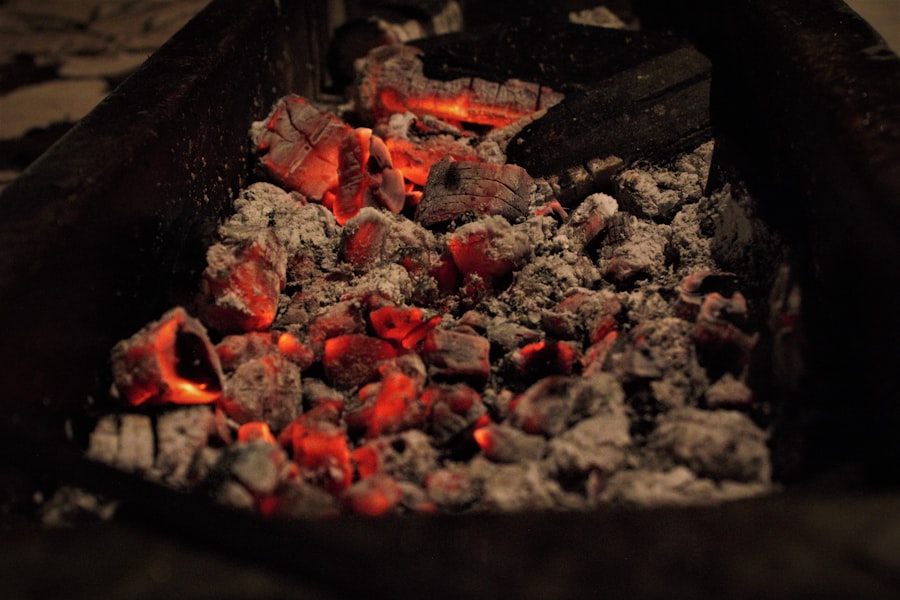
Recent advancements in materials science have shed light on the potential role of carbon nanotubes in understanding the properties of Damascus steel. Carbon nanotubes are cylindrical structures made up of carbon atoms arranged in a hexagonal lattice, known for their exceptional strength and conductivity. Some researchers speculate that similar structures may have formed within the microstructure of traditional Damascus steel during its production process.
The presence of carbon nanotubes could explain some of the remarkable mechanical properties associated with Damascus steel, such as its ability to withstand high levels of stress while maintaining sharpness. By studying modern analogs and employing advanced imaging techniques, scientists aim to uncover whether these nanostructures were indeed present in historical blades. If confirmed, this discovery could revolutionize our understanding of ancient metallurgy and inspire new approaches to materials engineering.
The Influence of Damascus Steel on History and Warfare
The impact of Damascus steel on history and warfare cannot be overstated. Its exceptional qualities made it a favored material for weaponry among various cultures throughout history. Swords forged from Damascus steel were not only prized for their performance but also held symbolic significance as representations of power and prestige.
Rulers and warriors sought out these blades as status symbols, often commissioning elaborate designs that showcased their craftsmanship.
The ability to deliver lethal strikes while remaining resilient against damage made them invaluable assets for soldiers.
Historical accounts recount tales of legendary warriors wielding Damascus steel swords that could slice through armor with ease, further solidifying their place in military lore. As empires rose and fell, so too did the legacy of Damascus steel endure, influencing weapon design and metallurgy for generations.
Modern Attempts to Recreate Damascus Steel
In recent years, there has been a resurgence of interest in recreating traditional Damascus steel using both historical techniques and modern innovations. Blacksmiths and metallurgists around the world have taken up the challenge, experimenting with various methods to replicate the unique properties that made this material legendary. Some artisans have embraced traditional forging techniques passed down through generations, while others have incorporated contemporary technologies such as computer modeling and advanced heat treatment processes.
These modern attempts often involve blending different types of steel to achieve desired characteristics while mimicking the aesthetic patterns associated with traditional Damascus steel. While some reproductions have garnered acclaim for their beauty and performance, achieving an exact replica remains an ongoing pursuit. Nevertheless, this revival has sparked renewed appreciation for craftsmanship and artistry in metalworking, fostering a community dedicated to preserving and advancing the legacy of Damascus steel.
The Cultural and Artistic Significance of Damascus Steel
Beyond its practical applications, Damascus steel holds profound cultural and artistic significance across various societies. Its intricate patterns have inspired countless artists and craftsmen throughout history, leading to its incorporation into jewelry, decorative items, and even architecture. The beauty inherent in each blade serves as a testament to human creativity and skill, transcending mere functionality.
In many cultures, Damascus steel is viewed as more than just a material; it embodies stories of heritage and tradition. Artisans often infuse their work with personal narratives or cultural symbolism, transforming each piece into a unique expression of identity. This artistic dimension has contributed to the enduring allure of Damascus steel, ensuring its place not only in history but also in contemporary art forms.
The Economic and Trade Impact of Damascus Steel
The trade routes that facilitated the exchange of Damascus steel played a crucial role in shaping economic relationships between regions during ancient times. As demand for high-quality weapons grew among various civilizations, artisans in regions like Syria became key players in international trade networks. The allure of Damascus steel attracted merchants from far-flung lands seeking to acquire these prized items.
The economic impact extended beyond mere trade; it fostered cultural exchanges as well.
The legacy of this trade continues to resonate today as modern blacksmiths seek inspiration from historical practices while navigating contemporary markets.
The Future of Damascus Steel Research and Development
As interest in Damascus steel continues to grow, so too does research into its properties and potential applications in modern materials science. Ongoing studies aim to bridge the gap between ancient techniques and contemporary innovations, exploring how lessons learned from traditional metallurgy can inform future developments. Researchers are particularly interested in understanding how nanostructures within Damascus steel contribute to its unique properties, potentially leading to breakthroughs in other fields such as aerospace or biomedical engineering.
The future holds promise not only for recreating historical artifacts but also for advancing materials technology inspired by ancient practices. As scientists delve deeper into the mysteries surrounding Damascus steel, they may uncover insights that reshape our understanding of metallurgy itself—blending history with innovation in ways previously thought impossible. This ongoing journey reflects humanity’s enduring fascination with craftsmanship and our desire to connect with our past while forging ahead into new frontiers.
The fascinating history of Damascus steel, renowned for its unique patterns and exceptional strength, has captivated metallurgists and historians alike. While the exact recipe for creating this legendary steel has been lost to time, researchers continue to explore its origins and techniques. For a deeper understanding of the cultural significance and craftsmanship behind Damascus steel, you can read more in this related article on Real Lore and Order.
WATCH THIS! 15 Ancient Weapons That BROKE History (And Were Hidden)
FAQs
What is Damascus steel?
Damascus steel is a type of steel characterized by its distinctive wavy pattern, strength, and sharpness. It was historically used for sword-making and is known for its high quality and durability.
What is the lost recipe for Damascus steel?
The lost recipe for Damascus steel refers to the original method of producing this type of steel, which was used in the Middle East during the medieval period. The exact composition and production process of this steel have been lost to history, leading to ongoing efforts to replicate it.
Why is the recipe for Damascus steel considered lost?
The original method of producing Damascus steel was not documented, and over time, the knowledge and techniques for creating it were lost. This has led to much speculation and research into the exact composition and production process of this steel.
Are there any modern attempts to recreate Damascus steel?
Yes, there have been numerous modern attempts to recreate Damascus steel using various methods and materials. These efforts have included experimentation with different steel alloys, forging techniques, and pattern-welding processes.
What are the challenges in recreating Damascus steel?
The challenges in recreating Damascus steel lie in the lack of specific information about its original composition and production process. Additionally, the unique patterns and properties of Damascus steel are difficult to replicate using modern methods and materials.
Is there any hope of rediscovering the original recipe for Damascus steel?
While there is ongoing research and experimentation in the field of metallurgy, the original recipe for Damascus steel remains elusive. However, advancements in materials science and historical research may eventually lead to a better understanding of this ancient steel-making technique.