
Ancient knowledge encompasses the vast array of wisdom, practices, and understandings that civilizations developed over millennia. This knowledge, often rooted in the experiences and observations of early humans, includes everything from agricultural techniques and medicinal practices to philosophical inquiries and artistic expressions. It serves as a testament to human ingenuity and adaptability, reflecting the ways in which societies interacted with their environments and each other.
The preservation of this knowledge is crucial, as it not only informs contemporary practices but also provides insight into the cultural identities and historical narratives of various civilizations. The significance of ancient knowledge extends beyond mere historical interest; it is a foundation upon which modern science, philosophy, and art are built. By studying the achievements and failures of past societies, contemporary individuals can glean valuable lessons about sustainability, community, and resilience.
The exploration of ancient knowledge invites a deeper understanding of humanity’s shared heritage, fostering a sense of connection across time and space. As such, the quest to uncover and preserve this knowledge remains a vital endeavor in the face of rapid technological advancement and cultural homogenization.
Key Takeaways
- Ancient knowledge holds valuable insights into the history and development of human civilization.
- The rise and fall of ancient civilizations shaped the transmission and preservation of knowledge.
- Oral tradition played a crucial role in passing down ancient knowledge from generation to generation.
- Wars and conquests often led to the destruction or loss of valuable ancient knowledge.
- Religious and political changes have had a significant impact on the preservation and dissemination of ancient knowledge.
The Rise and Fall of Ancient Civilizations
The trajectory of ancient civilizations is marked by periods of remarkable growth followed by inevitable decline.
The rise of these civilizations was often fueled by innovations in agriculture, which allowed for surplus food production and the establishment of complex social structures.
As populations grew, so too did the need for organized systems of administration, leading to the development of laws, writing systems, and trade networks that connected distant regions. However, the fall of these great civilizations often serves as a cautionary tale. Factors such as environmental degradation, economic instability, and social unrest frequently contributed to their decline.
For instance, the collapse of the Maya civilization is attributed to a combination of climate change and resource mismanagement, while the fall of Rome was exacerbated by internal strife and external invasions. These patterns highlight the fragility of human achievement and the importance of sustainable practices in ensuring the longevity of civilizations. The lessons learned from these rises and falls continue to resonate today, reminding modern societies of the need for balance between progress and preservation.
The Role of Oral Tradition in Preserving Knowledge
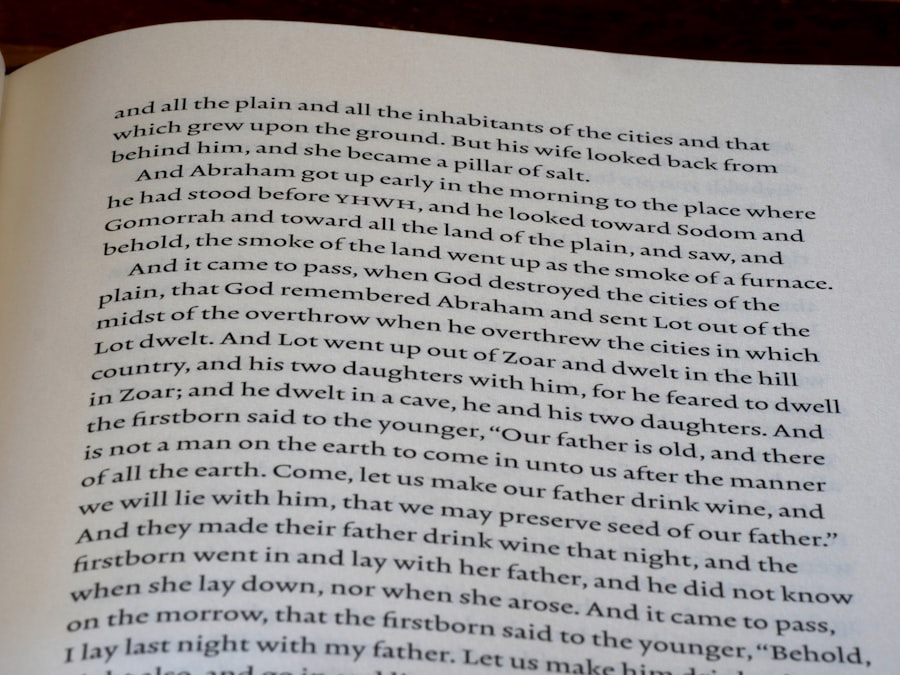
Oral tradition has played a pivotal role in the transmission of knowledge across generations, particularly in cultures where written language was either nonexistent or not widely used. Through storytelling, songs, and rituals, communities have been able to pass down their histories, beliefs, and practical knowledge. This method of preservation is not merely a means of communication; it is an art form that fosters community cohesion and cultural identity.
Elders often serve as custodians of this knowledge, imparting wisdom to younger generations through engaging narratives that encapsulate moral lessons and cultural values. The significance of oral tradition extends beyond its immediate function as a vehicle for knowledge transfer. It also reflects the dynamic nature of culture itself, as stories evolve over time to adapt to changing circumstances.
This adaptability allows oral traditions to remain relevant even as societies undergo transformation. However, the reliance on oral transmission also poses challenges; as communities face modernization or displacement, there is a risk that these traditions may be lost or altered irreparably. Thus, efforts to document and revitalize oral traditions are essential in safeguarding this invaluable aspect of human heritage.
The Impact of Wars and Conquests on Ancient Knowledge
| War/Conquest | Impact on Ancient Knowledge |
|---|---|
| Alexander the Great’s Conquests | Spread of Greek culture and knowledge throughout the conquered regions |
| Roman Conquests | Preservation and dissemination of ancient knowledge through Roman libraries and institutions |
| The Library of Alexandria’s Destruction | Loss of countless ancient texts and knowledge |
| The Crusades | Exchange of knowledge between the East and West, leading to the transfer of ancient texts and ideas |
Throughout history, wars and conquests have had profound effects on the preservation and dissemination of ancient knowledge. Conflicts often lead to the destruction of libraries, temples, and centers of learning, resulting in significant losses of cultural heritage. The burning of the Library of Alexandria is one such example; this ancient repository housed countless scrolls containing invaluable information on science, philosophy, and literature.
Its destruction marked a significant setback in the continuity of knowledge that had been painstakingly accumulated over centuries. Moreover, wars can also facilitate the exchange of ideas and knowledge between different cultures. As conquerors impose their beliefs and practices on subjugated peoples, they often inadvertently create a fusion of traditions that can lead to new forms of knowledge.
The spread of Hellenistic culture following Alexander the Great’s conquests exemplifies this phenomenon; Greek philosophy and scientific thought merged with local traditions across vast territories, resulting in a rich tapestry of intellectual exchange. While wars can devastate civilizations, they can also serve as catalysts for cultural synthesis that enriches human understanding.
The Influence of Religious and Political Changes
Religious and political shifts have historically played a crucial role in shaping the landscape of ancient knowledge. The rise of new belief systems often led to the reevaluation or outright rejection of previously held ideas. For instance, the spread of Christianity in Europe resulted in the suppression of pagan philosophies and practices that had been integral to various cultures for centuries.
This transition not only altered spiritual landscapes but also impacted scientific inquiry and artistic expression, as certain topics became taboo or were reframed within a religious context. Political changes can similarly influence the preservation or destruction of knowledge. Regimes that prioritize certain ideologies may promote specific narratives while suppressing others.
The burning of books during various totalitarian regimes serves as a stark reminder of how power dynamics can dictate what knowledge is deemed acceptable or worthy of preservation. Conversely, periods of political stability often foster environments conducive to intellectual growth and exploration. The Islamic Golden Age exemplifies this phenomenon; during this time, scholars made significant advancements in mathematics, astronomy, and medicine while preserving and building upon ancient Greek and Roman texts.
The Role of Natural Disasters in the Loss of Ancient Knowledge

Natural disasters have historically posed significant threats to the preservation of ancient knowledge. Earthquakes, floods, fires, and volcanic eruptions can devastate entire cities and obliterate cultural artifacts that hold invaluable information about past societies. For example, the eruption of Mount Vesuvius in 79 AD buried the Roman city of Pompeii under layers of ash, preserving some aspects of daily life but also erasing countless records that could have provided insights into Roman civilization.
In addition to immediate destruction, natural disasters can disrupt social structures and displace populations, leading to further loss of knowledge. When communities are forced to relocate or rebuild after catastrophic events, there is often a breakdown in traditional practices and educational systems. The loss is not merely physical; it encompasses the erosion of collective memory and cultural identity that can take generations to reconstruct.
As such, understanding the impact of natural disasters on ancient knowledge underscores the importance of resilience and adaptability in preserving cultural heritage.
The Decline of Ancient Languages and Scripts
The decline of ancient languages and scripts represents another critical factor in the loss of ancient knowledge. As societies evolve and interact with one another, languages often undergo significant changes or become extinct altogether. The gradual disappearance of languages such as Sumerian or Akkadian has resulted in gaps in understanding ancient texts that were written in these scripts.
Without fluent speakers or scholars dedicated to their study, much knowledge becomes inaccessible. Moreover, language is intrinsically linked to culture; it carries nuances that reflect unique worldviews and experiences. When a language dies out, it takes with it a wealth of cultural understanding that cannot be easily translated into another tongue.
Efforts to revitalize endangered languages are essential not only for preserving linguistic diversity but also for maintaining connections to ancestral wisdom and traditions. By fostering an appreciation for ancient languages, contemporary societies can work towards reclaiming lost narratives and enriching their own cultural landscapes.
The Shift in Educational Systems and the Loss of Traditional Learning
The evolution of educational systems has significantly impacted how knowledge is transmitted across generations. In many ancient societies, education was often informal and community-based, relying on mentorship from elders who imparted practical skills alongside cultural teachings. However, with the advent of formalized education systems—often influenced by colonial powers—traditional methods have been marginalized or replaced entirely.
This shift has led to a disconnection from ancestral knowledge that was once integral to community identity. As standardized curricula prioritize certain subjects over others, valuable indigenous practices and wisdom may be overlooked or deemed irrelevant. The consequences are profound; communities may lose touch with their heritage while younger generations struggle to find meaning in their cultural identities.
Revitalizing traditional learning methods alongside modern educational practices can help bridge this gap, ensuring that ancient wisdom continues to inform contemporary life.
The Role of Colonization and Imperialism in the Destruction of Ancient Knowledge
Colonization and imperialism have had devastating effects on ancient knowledge systems worldwide. As colonial powers expanded their territories, they often imposed their own cultures while systematically dismantling indigenous practices and beliefs. This process frequently involved the destruction or appropriation of cultural artifacts that held significant historical value.
For instance, many indigenous peoples were stripped of their languages and traditions as colonizers sought to assimilate them into dominant cultures. The consequences extend beyond immediate loss; colonization often resulted in a profound disconnection from ancestral knowledge that could take generations to heal.
Efforts to reclaim this lost knowledge are ongoing; many indigenous communities are actively working to revive their languages, traditions, and histories as part of broader movements for cultural sovereignty.
The Rediscovery and Preservation Efforts of Ancient Knowledge
In recent years, there has been a growing recognition of the importance of rediscovering and preserving ancient knowledge across various fields. Archaeological discoveries continue to shed light on lost civilizations while interdisciplinary approaches combine history with technology to enhance understanding. Digital archiving initiatives have emerged as powerful tools for preserving ancient texts and artifacts that might otherwise be lost to time.
Moreover, collaborative efforts between scholars from different disciplines—such as anthropology, history, linguistics, and environmental science—have led to innovative ways to approach ancient knowledge preservation. These collaborations not only enrich academic discourse but also empower local communities by involving them in research processes that honor their cultural heritage. By fostering partnerships between indigenous peoples and academic institutions, there is potential for revitalizing traditional practices while ensuring that ancient wisdom remains relevant in contemporary contexts.
The Importance of Learning from the Past and Preserving Ancient Wisdom
The lessons gleaned from ancient knowledge are invaluable for navigating contemporary challenges faced by societies worldwide. By studying past civilizations’ successes and failures—whether related to environmental sustainability, social cohesion, or governance—modern individuals can gain insights into creating resilient communities capable of adapting to change. Preserving ancient wisdom is not merely an academic pursuit; it is an essential aspect of fostering cultural identity and continuity within communities.
As globalization continues to shape modern life—often at the expense of local traditions—there is an urgent need for individuals to reconnect with their roots while embracing diverse perspectives from around the world. By valuing ancient knowledge alongside contemporary advancements, societies can cultivate a more holistic understanding that honors both heritage and innovation. In conclusion, ancient knowledge represents a rich tapestry woven from diverse threads spanning millennia.
Its preservation is crucial not only for understanding humanity’s past but also for informing present-day practices that promote sustainability and resilience. By recognizing the factors contributing to both loss and preservation—ranging from wars to natural disasters—individuals can work towards safeguarding this invaluable heritage for future generations while learning from its timeless wisdom.
The disappearance of ancient knowledge has long fascinated historians and researchers, prompting various theories about its loss. One insightful article that delves into this topic is available at this link, where it explores the cultural, political, and environmental factors that contributed to the fading of ancient wisdom. Understanding these dynamics can provide a clearer picture of how and why such valuable information was lost over time.
WATCH THIS! Why 99% of History Is Wrong (The Ooparts That Prove It)
FAQs
What is ancient knowledge?
Ancient knowledge refers to the information, wisdom, and understanding that was accumulated by civilizations and cultures in the distant past. This knowledge encompasses a wide range of subjects including science, medicine, philosophy, and technology.
Why did ancient knowledge vanish?
Ancient knowledge vanished for a variety of reasons including the destruction of libraries and cultural centers, the decline of civilizations, the suppression of certain knowledge by ruling powers, and the lack of preservation methods.
How did the destruction of libraries contribute to the vanishing of ancient knowledge?
The destruction of libraries, such as the Library of Alexandria, resulted in the loss of countless ancient texts and documents, leading to a significant decline in the availability of ancient knowledge.
What role did the decline of civilizations play in the disappearance of ancient knowledge?
The decline of civilizations often led to the loss of infrastructure and resources needed to preserve and transmit ancient knowledge, resulting in its disappearance over time.
How did the suppression of knowledge contribute to the vanishing of ancient knowledge?
Ruling powers throughout history have often suppressed certain knowledge deemed as threatening or heretical, leading to the loss of valuable information and contributing to the vanishing of ancient knowledge.
What are some examples of ancient knowledge that have vanished?
Examples of vanished ancient knowledge include advanced medical practices, architectural techniques, astronomical knowledge, and philosophical teachings that were prevalent in ancient civilizations but have been lost over time.