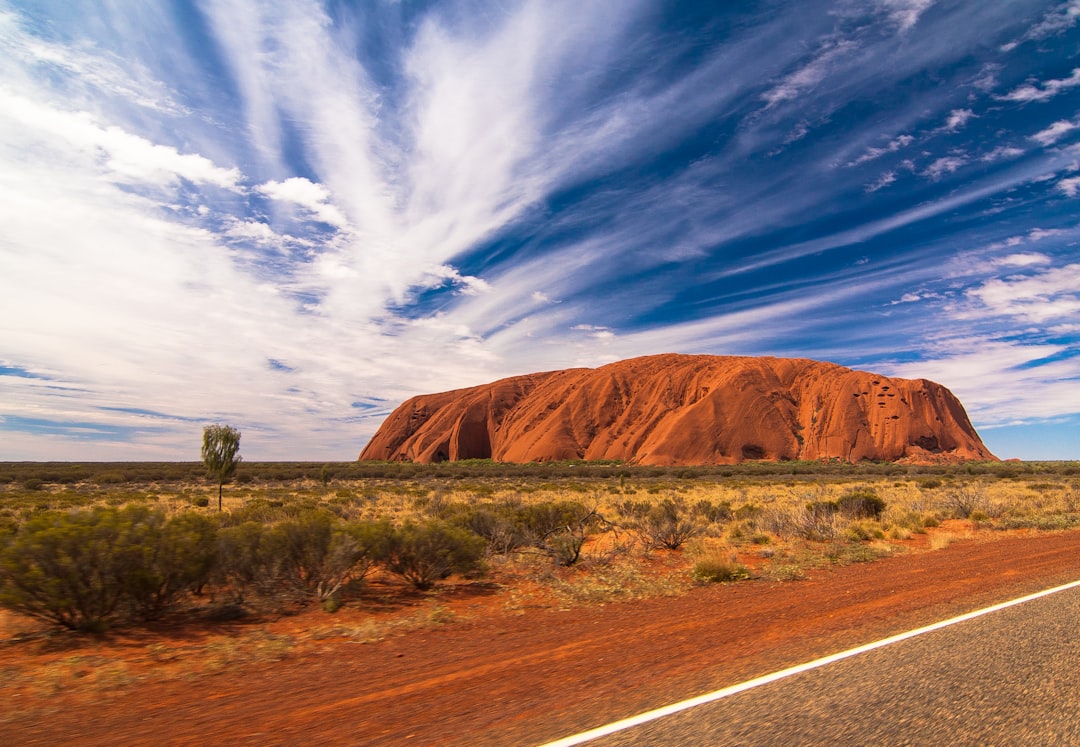
Australia, often lauded as “the Lucky Country,” has long projected an image of boundless opportunity, natural beauty, and a robust social fabric. However, beneath this shimmering veneer lies a more complex reality, one where systemic issues and historical grievances challenge the idyllic narrative. This article aims to dismantle the foundational myths of the Lucky Country, exposing the disparities and hardships that many Australians confront, often hidden from international view.
The term “Lucky Country,” coined by historian Donald Horne, was originally a sardonic observation on Australia’s reliance on natural resources rather than innovation. Today, the irony persists as the nation’s economic prosperity, largely fuelled by mining and commodities, masks a widening chasm between the very rich and the increasingly beleaguered working and middle classes.
The Ever-Expanding Housing Crisis
For many, the dream of homeownership in Australia has become an inaccessible fantasy, a castle built on sand. Soaring property prices, particularly in major urban centers like Sydney and Melbourne, have pushed homeownership beyond the reach of average incomes. This exponential growth is driven by a confluence of factors, including foreign investment, speculative purchasing, and a limited supply of truly affordable housing. The consequence is a generation disenfranchised from a fundamental aspect of the Australian dream.
A significant portion of the population now grapples with exorbitant rental costs, often dedicating more than 30% of their income to housing. This financial burden restricts disposable income, dampens consumer spending, and contributes to a broader sense of economic insecurity. The ripple effect extends to mental health, as the constant pressure of housing costs contributes to stress and anxiety for many individuals and families.
Stagnating Wages and the Cost of Living
While the cost of living continues its upward trajectory, particularly for essential goods and services, wage growth has remained stubbornly stagnant. This imbalance erodes purchasing power and leaves many Australians feeling as though they are running on a treadmill, expending significant effort only to fall further behind. The rising costs of groceries, utilities, and transportation disproportionately affect low-income households, forcing difficult choices between necessities.
The gig economy, often touted as a flexible alternative, has also contributed to wage suppression and precarious employment. Many workers in this sector lack superannuation, paid leave, and other fundamental entitlements, exacerbating economic instability and creating a two-tiered workforce. The promise of entrepreneurship in the gig economy often translates into a race to the bottom, where workers compete fiercely for low-paying tasks.
The concept of Australia as the “lucky country” has been critically examined in various articles, revealing the complexities and challenges that lie beneath this seemingly idyllic notion. One such article that delves into the realities of life in Australia, contrasting the myth of prosperity with the struggles faced by many, can be found at Real Lore and Order. This piece highlights the disparities and issues that challenge the perception of Australia as a land of opportunity for all, prompting readers to reconsider the narrative surrounding the nation’s identity.
The Cracks in the Social Safety Net
Australia’s social safety net, once a source of national pride, has been progressively eroded through policy changes and underfunding. This weakening support system leaves vulnerable populations exposed to hardship and exacerbates existing inequalities.
The Welfare System Under Strain
The JobSeeker allowance, Australia’s primary unemployment benefit, has been widely criticized as insufficient to meet the basic cost of living. Despite recent increases, the payment remains below the poverty line, forcing recipients into difficult choices regarding food, housing, and healthcare. The punitive nature of the welfare system, with its strict reporting requirements and mutual obligation demands, further marginalizes individuals already facing significant challenges.
The focus on “incentivising” employment often overlooks systemic barriers to work, such as disability, mental health issues, absence of affordable childcare, and a lack of suitable job opportunities in specific regions. This approach frequently victim-blames individuals for their circumstances rather than addressing the structural deficiencies that prevent meaningful employment.
Healthcare: A Privilege, Not a Right?
While Medicare provides universal access to healthcare, the system is increasingly strained. Long waiting lists for specialist appointments and elective surgeries, particularly in the public system, mean that timely access to care is often contingent on financial capacity. Those who can afford private health insurance often skip queues, creating a two-tiered system where wealth dictates the speed and quality of medical attention.
The affordability of prescription medications also presents a significant challenge for many, with out-of-pocket expenses for chronic conditions accumulating rapidly. The high cost of dental care, largely privatized, is a particular point of contention, leading many to forgo essential treatment until issues become critical. This neglect of preventative care ultimately places greater strain on the public health system.
Environmental Degradation: A Tarnished Legacy
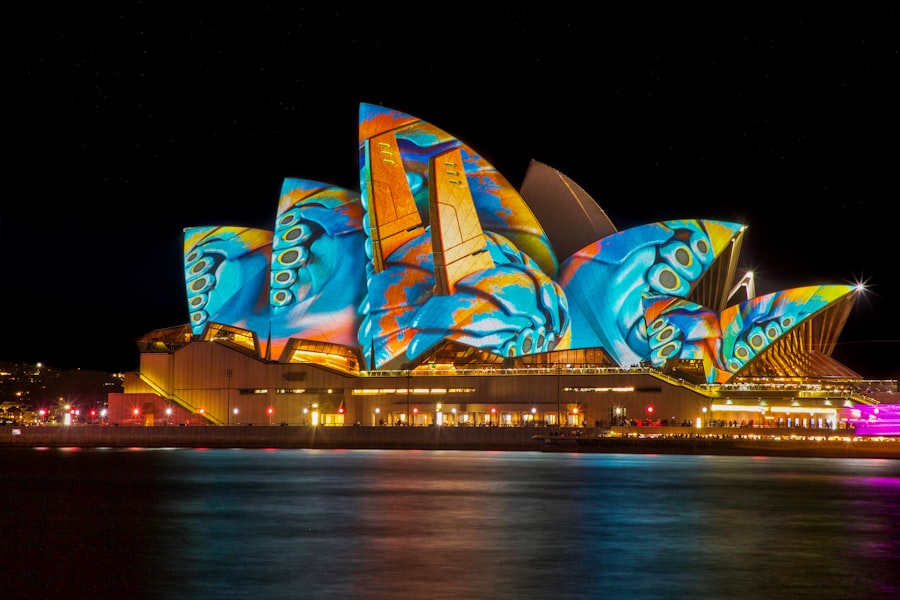
Australia’s unparalleled natural beauty is often celebrated, yet the nation faces profound environmental challenges, many of which are directly linked to its reliance on resource extraction and a historical disregard for long-term ecological sustainability.
Climate Change and Extreme Weather
Australia is on the front lines of climate change, experiencing increasingly frequent and severe bushfires, floods, and droughts. The Black Summer bushfires of 2019-2020 served as a stark reminder of the devastating consequences of a warming planet, with widespread destruction of property, loss of life, and irreversible damage to ecosystems. Yet, government policies often continue to prioritize fossil fuel industries, contributing to the very problem that threatens the nation’s future.
The Great Barrier Reef, a global icon, faces existential threats from rising ocean temperatures, acidification, and agricultural runoff. Despite scientific consensus on the urgent need for action, political commitment to ambitious climate targets remains contentious, often overshadowed by short-term economic interests. The slow demise of this natural wonder is a metaphor for the broader environmental neglect occurring across the continent.
Water Scarcity and Mismanagement
Australia, the driest inhabited continent, faces chronic water scarcity issues exacerbated by climate change and inefficient water management practices. The Murray-Darling Basin, the nation’s most important river system, has been subject to over-extraction for agriculture, leading to ecological collapse and significant social and economic impacts on regional communities.
The allocation of water rights and the oversight of irrigation practices often favour large agricultural corporations, at the expense of environmental flows and the livelihoods of smaller farmers. This imbalance in power and the persistent political influence of agricultural lobbies hinder genuine reform, leaving the entire system vulnerable to collapse.
The Unresolved Indigenous Question: A Deep Wound
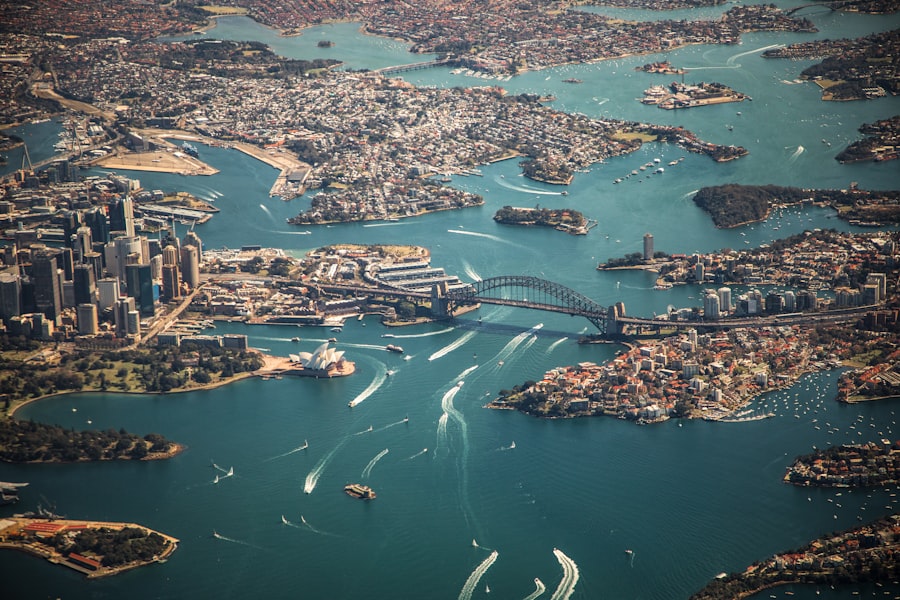
For Aboriginal and Torres Strait Islander peoples, the “Lucky Country” has been anything but fortunate. The colonial legacy of dispossession, systemic racism, and intergenerational trauma continues to manifest in profound social, economic, and health disparities.
Persistent Injustice and Dispossession
The ongoing struggle for land rights and self-determination underscores the unfinished business of reconciliation. Despite symbolic gestures, meaningful progress towards addressing historical injustices, such as the Stolen Generations and the frontier wars, remains slow and often fraught with political resistance. The gap in life expectancy, educational attainment, and incarceration rates between Indigenous and non-Indigenous Australians remains unacceptably wide.
The treatment of Indigenous Australians within the justice system continues to be a systemic issue, with disproportionately high rates of incarceration and deaths in custody. The calls for a First Nations Voice to Parliament, enshrined in the Uluru Statement from the Heart, represent a crucial step towards meaningful self-determination and reconciliation, yet its implementation remains a political football.
The Weight of Intergenerational Trauma
The legacy of colonization has inflicted deep intergenerational trauma, manifesting in higher rates of mental health issues, substance abuse, and family violence within Indigenous communities. Addressing these complex social issues requires a nuanced approach that acknowledges historical context, empowers Indigenous-led solutions, and provides culturally appropriate support services.
However, government policies often adopt a top-down approach, failing to adequately consult with or empower Indigenous communities in the design and implementation of programs intended to assist them. This perpetuates a cycle of dependency and undermines self-determination, further cementing the perception of a nation unwilling to genuinely confront its past.
The concept of Australia as the “lucky country” has been challenged in various discussions, revealing deeper social and economic issues that contradict this idealized image. For a more in-depth exploration of these themes, you can read an insightful article that delves into the realities faced by many Australians today. This article highlights the disparities and struggles that exist beneath the surface of the nation’s reputation. To learn more about these pressing issues, check out this related article.
The Illusion of Multicultural Harmony
| Metric | Data | Context |
|---|---|---|
| Income Inequality (Gini Coefficient) | 0.34 | Australia’s income inequality has increased over recent decades, challenging the notion of equal prosperity. |
| Homelessness Rate | 50,000+ | Number of people experiencing homelessness in Australia, indicating social challenges. |
| Indigenous Unemployment Rate | 18.4% | Significantly higher than the national average, highlighting ongoing disparities. |
| Housing Affordability Index | Below 100 | Indicates housing is generally unaffordable for many Australians. |
| Median Household Income | Approximately 90,000 | Reflects average earnings but masks disparities in wealth distribution. |
| Education Access | Varies by region | Rural and Indigenous communities face lower access to quality education. |
Australia prides itself on its multiculturalism, celebrating the diversity of its population. However, beneath the surface, prejudices and systemic barriers challenge the notion of genuine inclusion and equality for all.
Racism and Discrimination
While overt racism may be less prevalent than in past decades, subtle and systemic forms of discrimination persist across various sectors, including employment, housing, and the justice system. Individuals from non-European backgrounds often encounter unconscious biases and face additional hurdles in achieving professional advancement or securing stable housing.
The rise of anti-immigrant sentiment, often fuelled by political rhetoric and media narratives, has also created a climate of fear and suspicion for some migrant communities. This undercurrent of prejudice undermines the very fabric of multiculturalism and can lead to social fragmentation if left unaddressed.
Barriers to Integration and Recognition
Despite policies promoting multiculturalism, barriers to full integration and recognition of diverse cultural backgrounds remain. Language barriers, a lack of culturally sensitive services, and a failure to adequately recognize foreign qualifications can impede new arrivals from participating fully in Australian society and reaching their full potential.
The celebration of multiculturalism often focuses on superficial aspects like food festivals, while deeper structural issues that prevent equitable participation are overlooked. True multicultural harmony requires addressing power imbalances, challenging discriminatory practices, and ensuring that all Australians, regardless of their background, have equal opportunities to thrive.
Conclusion: Beyond the Lucky Country Facade
The “Lucky Country” narrative, while appealing, serves to obfuscate the profound challenges faced by a significant portion of its population. From the widening economic disparities and the struggling social safety net to the environmental crises and the unresolved historical injustices against Indigenous Australians, the nation grapples with complex issues that demand honest acknowledgement and concerted action.
To move beyond this comforting but ultimately limiting facade, Australia must confront its internal contradictions. It must prioritize equitable wealth distribution, strengthen its social safety net, genuinely address climate change with ambitious policies, and embrace true reconciliation with its First Peoples. Only then can it truly live up to the aspirations of a fair and prosperous nation, transforming the “Lucky Country” from a lie into a genuine reality for all who call it home. The journey to a more just and sustainable future requires a collective dismantling of comforting myths and a willingness to confront uncomfortable truths.
FAQs
What is the main argument of the article “The Lucky Country Was a Lie Australia”?
The article argues that the common perception of Australia as “the lucky country” is misleading, highlighting social, economic, and environmental challenges that contradict this optimistic label.
Why is Australia often referred to as “the lucky country”?
Australia earned the nickname “the lucky country” due to its abundant natural resources, stable political system, and high standard of living, which historically contributed to its prosperity.
What are some challenges mentioned that dispute the idea of Australia being “lucky”?
Challenges include economic inequality, environmental issues like climate change and drought, Indigenous rights concerns, and social problems such as housing affordability and healthcare access.
How does the article suggest Australia’s image as “the lucky country” affects public perception?
The article suggests that this image can create complacency, masking underlying problems and reducing urgency for policy reforms and social change.
What implications does the article propose for Australia’s future?
It implies that Australia needs to address its systemic issues proactively to ensure sustainable prosperity, rather than relying on the notion of luck or past advantages.