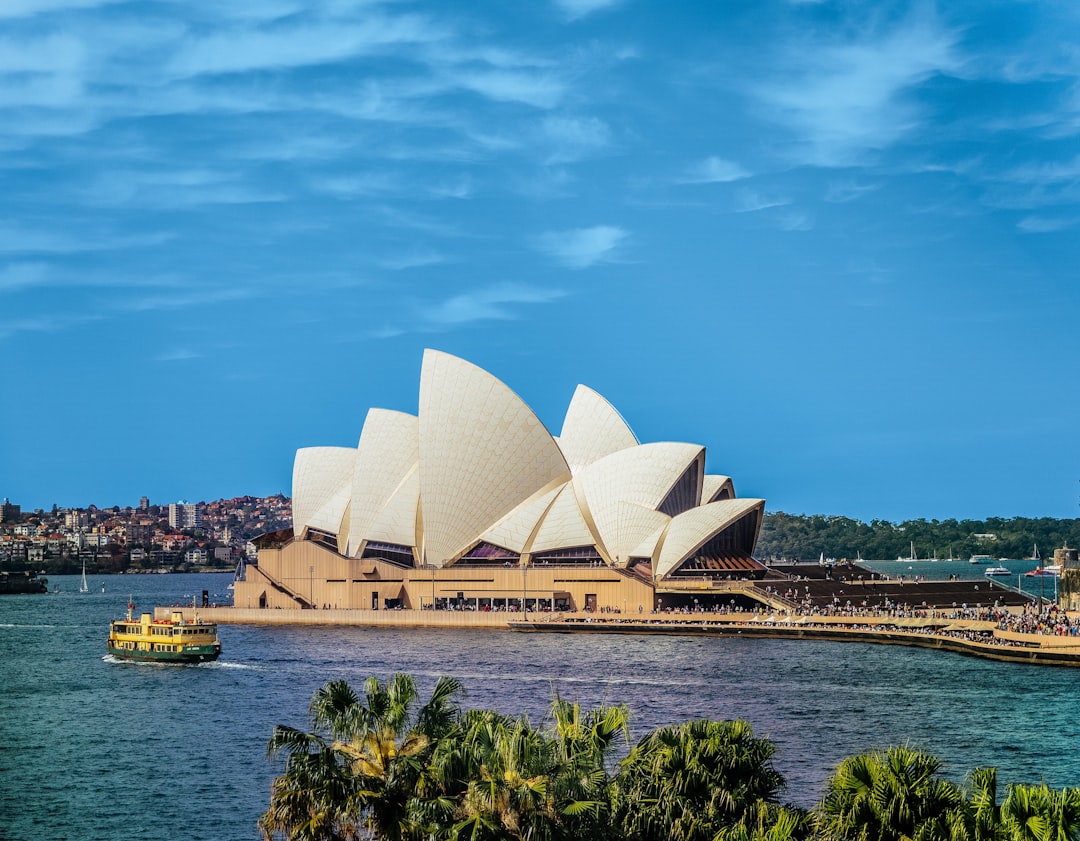
For decades, Australia has been presented to the world, and indeed to its own citizens, as the “Lucky Country.” This moniker, popularized by Donald Horne’s 1964 book, originally carried an ironic undertone, suggesting that Australia’s prosperity stemmed more from its abundant natural resources and sheer geographical isolation than from the ingenuity or diligence of its people. However, over time, the irony has largely been lost, replaced by a self-congratulatory narrative of unparalleled opportunity and a naturally idyllic lifestyle. This article interrogates this pervasive myth, arguing that the “Lucky Country” is, for many, an increasingly hollow ideal, a carefully constructed façade that conceals significant social, economic, and environmental vulnerabilities.
The Erosion of Social Mobility and Opportunity
The foundational promise of the Lucky Country, that every individual has a fair shot at upward mobility, is facing severe strain. Economic disparity, once a less pronounced feature of Australian society, is now a growing concern, creating a chasm between the privileged and the struggling.
The Widening Income Gap
While aggregate wealth in Australia has increased, its distribution has become increasingly uneven. The Gini coefficient, a measure of income inequality, has steadily risen, indicating a more stratified society. The top 10% of income earners now hold a disproportionately large share of national wealth, while real wages for many low and middle-income earners have stagnated or declined when adjusted for inflation. This stark reality belies the image of a classless society, revealing a growing divide that challenges the notion of widespread prosperity. You, the reader, might reflect on your own financial journey and consider if the upward climb feels as accessible as the rhetoric suggests.
The Housing Affordability Crisis
Perhaps no issue more starkly illustrates the erosion of opportunity than the housing crisis. Australia’s major cities consistently rank among the most expensive globally. For young people, the dream of homeownership, once a rite of passage, has become an increasingly distant fantasy. Astronomical property prices, fueled by speculative investment and inadequate supply, lock out entire generations from a fundamental pillar of wealth accumulation and stability. The “Great Australian Dream” of owning your own quarter-acre block has transmuted into a gilded cage for those who can afford it, and a perpetual rental cycle for those who cannot. This isn’t merely an economic issue; it strikes at the heart of social cohesion and intergenerational fairness.
Diminished Educational Pathways
While Australia boasts a strong university system, access to quality education, particularly vocational training, is not as equitable as often portrayed. Funding cuts to public education and higher fees for tertiary institutions disproportionately affect students from lower socioeconomic backgrounds. This creates a bottleneck in social mobility, as educational attainment often serves as a crucial gateway to higher-paying jobs and professional advancement. The ladder of opportunity, once wide and robust, now appears to have missing rungs for a significant portion of the population.
Environmental Degradation and Climate Peril
The “Lucky Country” narrative often emphasizes Australia’s vast natural beauty and abundant resources. However, this image glosses over a deepening environmental crisis, driven by unsustainable practices and a hesitant approach to climate action.
The Scars of Resource Extraction
Australia’s economic prosperity has, in large part, been built upon the extraction of its vast mineral and energy resources. While this has delivered significant wealth, it has also left an environmental legacy of degradation. Open-cut mines scar ancient landscapes, water tables are depleted, and biodiversity is threatened. The ongoing reliance on fossil fuels, particularly coal and gas, places Australia among the highest per capita greenhouse gas emitters globally. This short-term gain comes at a long-term cost, a silent chipping away at the very natural heritage often celebrated.
Bushfires, Floods, and the Climate Emergency
The increasing frequency and intensity of extreme weather events – catastrophic bushfires, devastating floods, and prolonged droughts – serve as a stark reminder of Australia’s vulnerability to climate change. These events are not isolated incidents but symptoms of a wider ecological imbalance. The “sunburnt country” is becoming a land of extremes, and the idyllic image of untouched wilderness is being replaced by scenes of ecological devastation. These natural disasters impose immense economic costs, displace communities, and inflict profound psychological trauma. The idea of being “lucky” in the face of such existential threats feels increasingly dissonant.
Biodiversity Loss and Ecosystem Collapse
Australia is a biodiversity hotspot, home to a unique array of flora and fauna found nowhere else on Earth. However, this natural heritage is under severe threat. Habitat destruction, invasive species, and climate change are driving extinction rates at an alarming pace. Many iconic Australian species are facing declining populations, and entire ecosystems are teetering on the brink. The koala, for instance, a symbol of the nation, is now listed as endangered in several states. This loss represents an irreplaceable diminution of natural capital and a profound ecological tragedy.
The Illusion of Social Cohesion
Beneath the veneer of a harmonious multicultural society, Australia grapples with significant challenges to its social fabric, including issues of indigenous reconciliation, racial discrimination, and the treatment of vulnerable populations.
The Unfinished Business of Reconciliation
Australia’s relationship with its Indigenous peoples remains its most profound moral failing. Despite growing acknowledgment of past injustices, significant disparities persist in health, education, and incarceration rates. The “terra nullius” doctrine, which denied Indigenous sovereignty, has cast a long shadow, and the journey towards true reconciliation is far from complete. Attempts at constitutional recognition and a Voice to Parliament have been met with divisive political debate, highlighting the deep-seated resistance to a full reckoning with colonial history. The “Lucky Country” feels less lucky for those whose ancestors have endured centuries of dispossession and systemic discrimination.
Racism and Discrimination
While celebrated for its multiculturalism, Australia is not immune to racism and discrimination. Incidents of racial vilification, both overt and subtle, continue to be reported. Migrant communities, particularly those from non-European backgrounds, often face systemic barriers and prejudice in employment, housing, and social interactions. The rhetoric of a “fair go” often clashes with the lived experiences of those who encounter racial bias, challenging the comfortable narrative of an inclusive society.
The Treatment of Refugees and Asylum Seekers
Australia’s approach to refugees and asylum seekers, particularly its policy of offshore processing and mandatory detention, has drawn widespread international condemnation. The harsh conditions in detention centers, the indefinite incarceration of individuals, and the prolonged separation of families stand in stark contrast to humanitarian principles. This policy has been described as a stain on the nation’s human rights record, fundamentally undermining any claim of moral leadership or inherent fairness. The “Lucky Country” narrative rings hollow when confronted with the suffering endured by those seeking refuge on its shores.
Economic Vulnerabilities and Global Dependencies
The strength of Australia’s economy is frequently touted as a cornerstone of its “luck.” However, a closer examination reveals structural weaknesses and significant dependencies that expose Australia to global economic volatility.
Over-reliance on China
Australia’s economic prosperity has been heavily reliant on its trade relationship with China, particularly in the export of raw materials like iron ore. While this partnership has yielded substantial benefits, it has also created an inherent vulnerability. Geopolitical tensions and China’s own economic fluctuations demonstrate the precariousness of having such a significant portion of the national economy tied to a single market. This economic golden goose, while lucrative, carries considerable risk, a single point of failure in a complex global system.
The Resource Curse Paradox
Despite its vast mineral wealth, Australia exhibits characteristics of the “resource curse” paradox. While resource extraction generates significant revenue, it can also lead to a neglect of other economic sectors, a “Dutch disease” effect where the strong currency resulting from exports makes other industries less competitive. Innovation in manufacturing and high-tech industries has lagged, creating an unbalanced economy that struggles to diversify and adapt to new global demands. The abundant resources, while a blessing, have also been a sedative, dulling the imperative for broader economic development.
Household Debt and Financial Instability
Australian households carry some of the highest levels of private debt globally, particularly mortgage debt. This high indebtedness makes households and the broader economy highly sensitive to interest rate fluctuations and economic downturns. While official unemployment rates may appear low, underemployment and precarious work are persistent challenges, disproportionately affecting young people and marginalized communities. This fragile financial foundation means that the “Lucky Country” is, in many ways, built upon a credit card, susceptible to the whims of global finance.
The Declining State of Public Services
A true measure of a “lucky” country should be the quality and accessibility of its public services that cater to all citizens, not just the privileged. However, significant strains are evident in key sectors.
Healthcare Under Pressure
Australia’s universal healthcare system, Medicare, is frequently celebrated. However, it faces increasing pressure from an aging population, rising healthcare costs, and underfunding. Long waiting lists for specialist appointments and elective surgeries are common, and the gap between Medicare rebates and doctors’ fees continues to widen, forcing many to rely on private health insurance for comprehensive care. This two-tiered system means that access to timely and quality healthcare is becoming increasingly dependent on one’s ability to pay, gradually eroding the universality of the system.
Education System Challenges
While high-performing on international benchmarks in some areas, the Australian education system grapples with significant inequalities. Disparities in funding between public and private schools are pronounced, leading to vastly different resources and opportunities for students. Teacher shortages, particularly in regional areas and specialized subjects, are a growing concern. The emphasis on standardized testing, critics argue, can stifle creativity and critical thinking, leading to an education system that prioritizes rote learning over holistic development. The promise of an excellent education for every child, a cornerstone of opportunity, is not universally delivered.
Infrastructure Deficits
Despite numerous large-scale projects, Australia, particularly in its rapidly growing urban centers, faces significant infrastructure deficits. Congestion on roads and public transport, insufficient social housing, and a lack of investment in regional infrastructure are persistent problems. The planning and execution of these projects are often subject to political cycles and short-term thinking, leading to inefficient outcomes and a failure to meet the long-term needs of a growing population. The foundations of the “Lucky Country” are not always as robust as they appear from the outside.
In conclusion, the “Lucky Country” narrative, while appealing, serves as a powerful yet increasingly misleading myth. It glosses over profound challenges in social equity, environmental sustainability, economic diversification, and the provision of essential public services. For many Australians, the promise of universal opportunity and a carefree existence is being chipped away by systemic inequalities, the impacts of climate change, and ingrained vulnerabilities. It is imperative for both citizens and international observers to look beyond the sun-drenched beaches and resource booms, and to genuinely interrogate the complexities that lie beneath the veneer of this celebrated nation. You, the reader, are encouraged to consider whether this “luck” is truly shared by all, or if it is a privilege enjoyed by an increasingly smaller cohort, casting a long shadow over the future of a nation at a crossroads.
FAQs
What is the main argument of the article “The Lucky Country Was a Lie Australia”?
The article argues that the common perception of Australia as “the lucky country” is misleading, highlighting economic, social, and political challenges that contradict this optimistic label.
Why is Australia often referred to as “the lucky country”?
Australia earned the nickname “the lucky country” due to its abundant natural resources, stable political system, and high standard of living, which contributed to its prosperity in the mid-20th century.
What evidence does the article provide to challenge the idea that Australia is “the lucky country”?
The article presents data on rising inequality, environmental issues, economic vulnerabilities, and social problems to demonstrate that Australia’s success is not as assured or universal as the phrase suggests.
How has Australia’s economy changed in recent years according to the article?
The article notes that Australia’s economy has faced challenges such as reliance on resource exports, housing affordability crises, and wage stagnation, which undermine the notion of continuous economic luck.
What social issues in Australia are highlighted in the article?
The article discusses issues including Indigenous disadvantage, mental health concerns, and increasing social inequality as factors that complicate the narrative of Australia being a uniformly “lucky” nation.