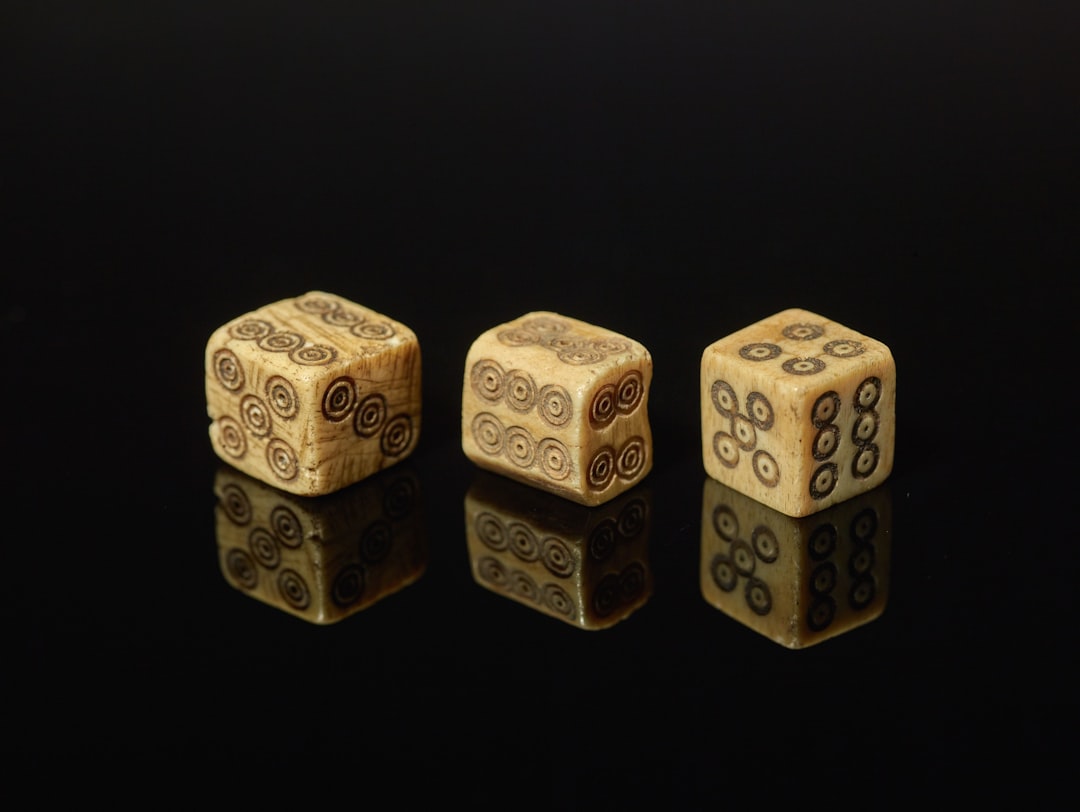
Out of Place Artifacts (OOPArts) are objects that appear to be inconsistent with the historical or archaeological context in which they are found. These artifacts often challenge established timelines and raise questions about the technological capabilities of ancient civilizations. The term itself evokes a sense of mystery and intrigue, as these items seem to defy the conventional understanding of human history.
From ancient tools that suggest advanced engineering to enigmatic relics that hint at lost civilizations, OOPArts captivate the imagination and provoke debate among scholars, enthusiasts, and skeptics alike. The fascination with OOPArts lies not only in their peculiarities but also in the implications they carry for our understanding of human development. They serve as a reminder that history is often more complex than it appears, and that the narrative of human progress may be punctuated by gaps and anomalies.
As researchers delve into these artifacts, they uncover layers of meaning that challenge the linear progression of time and technology. The exploration of OOPArts invites a broader inquiry into the nature of evidence, belief, and the ways in which history is constructed.
Key Takeaways
- Out of Place Artifacts (OOPAs) are objects that challenge conventional historical timelines and raise questions about human technological capabilities.
- OOPAs have been documented throughout history, with some dating back to ancient civilizations and others appearing in modern times.
- The controversy surrounding OOPAs stems from the skepticism of mainstream archaeologists and scientists, who often dismiss these artifacts as hoaxes or misinterpretations.
- Unexplained discoveries of OOPAs in ancient history include advanced technological devices and structures that defy the known capabilities of the time period.
- Modern OOPAs continue to perplex experts with anomalies in technology and science, such as out-of-time fossils and inexplicable machinery.
The History of Out of Place Artifacts
The concept of Out of Place Artifacts is not a modern phenomenon; it has roots that stretch back through centuries of human inquiry. Historical records indicate that even in ancient times, people encountered objects that seemed out of sync with their surroundings. For instance, the discovery of stone tools alongside dinosaur fossils raised eyebrows among early paleontologists and archaeologists.
Such findings prompted questions about the coexistence of humans and prehistoric creatures, leading to debates that continue to this day. Throughout history, various cultures have documented their encounters with OOPArts. The ancient Greeks, for example, spoke of mysterious objects that defied explanation, while medieval scholars pondered over relics that seemed to possess supernatural qualities.
As scientific methods evolved, so too did the scrutiny applied to these artifacts. The Renaissance marked a turning point in the study of OOPArts, as scholars began to apply empirical observation and critical thinking to their investigations. This shift laid the groundwork for modern archaeology and anthropology, yet the allure of OOPArts remained, captivating the minds of those who sought to unravel their mysteries.
The Controversy Surrounding Out of Place Artifacts

The existence of Out of Place Artifacts often ignites heated debates within academic circles. Skeptics argue that many purported OOPArts can be explained through misinterpretation or misattribution. They contend that the context in which these artifacts are found is crucial for understanding their significance.
For instance, a tool discovered in a geological layer that predates human existence may be dismissed as a natural formation rather than evidence of advanced ancient technology. This skepticism is rooted in a desire for rigorous scientific methodology and a commitment to evidence-based conclusions. Conversely, proponents of OOPArts assert that these artifacts represent a challenge to mainstream historical narratives.
They argue that dismissing such findings without thorough investigation undermines the spirit of inquiry and exploration. Many enthusiasts believe that OOPArts could provide insights into lost civilizations or advanced technologies that have been forgotten over time. This divide between skeptics and believers creates a dynamic tension within the field, prompting ongoing discussions about the nature of evidence and the interpretation of history.
Unexplained Discoveries: Out of Place Artifacts in Ancient History
| Artifact | Location | Age | Description |
|---|---|---|---|
| Antikythera Mechanism | Greece | 100 BC | An ancient analog computer used to predict astronomical positions and eclipses. |
| Piri Reis Map | Turkey | 1513 | A map that accurately depicts the coastlines of Antarctica and South America, despite being created before their discovery. |
| Baigong Pipes | China | 150,000 years old | Mysterious pipe-like structures found in a remote area, suggesting advanced ancient technology. |
| Baghdad Battery | Iraq | 250 BC – 250 AD | An artifact that resembles a battery, leading to speculation about ancient electrical knowledge. |
Throughout ancient history, numerous discoveries have been classified as Out of Place Artifacts, each presenting its own set of enigmas.
This intricate gear system is believed to have been used for astronomical calculations, showcasing a level of technological sophistication that was not thought to exist during its time period.
The complexity of the mechanism has led researchers to speculate about the potential knowledge and skills possessed by ancient Greek engineers. Another intriguing case involves the Piri Reis map, created in 1513 by an Ottoman admiral and cartographer. This map depicts parts of South America and Antarctica with remarkable accuracy, despite being produced long before modern cartography was developed.
The existence of such detailed maps raises questions about the extent of ancient maritime exploration and knowledge. These examples illustrate how OOPArts can challenge conventional understandings of history and prompt further investigation into the capabilities of ancient civilizations.
Modern Out of Place Artifacts: Anomalies in Technology and Science
In contemporary times, Out of Place Artifacts continue to emerge, often blurring the lines between science fiction and reality. One such example is the discovery of metallic objects embedded in coal deposits, which some claim are remnants of advanced technology from a bygone era. These findings have sparked debates about the possibility of ancient civilizations possessing knowledge far beyond what is currently accepted by mainstream science.
Additionally, reports of anomalous objects found in archaeological sites have raised eyebrows among researchers. Items such as plastic artifacts found in prehistoric layers or advanced tools discovered in unexpected contexts challenge established timelines and provoke questions about human innovation throughout history. These modern OOPArts serve as reminders that our understanding of technology and progress is continually evolving, and they invite further exploration into the mysteries that lie beneath the surface.
Theories and Explanations for Out of Place Artifacts

Theories surrounding Out of Place Artifacts vary widely, reflecting the diverse perspectives within academia and popular culture. Some scholars propose that these artifacts are evidence of lost civilizations or advanced technologies that existed long before recorded history. This notion suggests that humanity’s narrative is far more intricate than previously thought, with potential connections between disparate cultures across time and space.
Others argue for more conventional explanations, positing that many OOPArts can be attributed to natural processes or human error. For instance, some artifacts may be misidentified or misdated due to geological factors or archaeological misinterpretations. This perspective emphasizes the importance of rigorous scientific methodology in evaluating claims related to OOPArts.
Ultimately, the ongoing discourse surrounding these theories reflects humanity’s enduring quest for knowledge and understanding in an ever-complex world.
The Role of Out of Place Artifacts in Alternative History
Out of Place Artifacts have played a significant role in shaping alternative historical narratives that challenge mainstream perspectives. Enthusiasts often use these artifacts as evidence to support theories about ancient astronauts, lost civilizations, or advanced prehistoric technologies. Such narratives can capture public imagination and inspire further exploration into humanity’s past.
However, this alternative history movement is not without its critics. Skeptics argue that many claims surrounding OOPArts lack rigorous evidence and can lead to sensationalism or misinformation. The tension between alternative history proponents and traditional historians highlights the complexities involved in interpreting artifacts that defy conventional understanding.
As discussions continue, OOPArts remain a focal point for those seeking to explore the boundaries between fact and speculation.
The Impact of Out of Place Artifacts on Archaeology and Anthropology
The study of Out of Place Artifacts has had a profound impact on both archaeology and anthropology, prompting researchers to reevaluate established methodologies and assumptions. The discovery of OOPArts often leads to renewed interest in specific archaeological sites or cultures, encouraging interdisciplinary collaboration among scientists, historians, and archaeologists. Moreover, OOPArts challenge researchers to consider alternative explanations for historical phenomena.
They compel scholars to think critically about the narratives constructed around human development and cultural evolution. As new discoveries emerge, they can reshape our understanding of past societies and their technological capabilities, ultimately enriching the field as a whole.
The Documentary: Uncovering the Truth about Out of Place Artifacts
Documentaries exploring Out of Place Artifacts have gained popularity in recent years, drawing attention to these enigmatic objects and their implications for history. These films often feature interviews with experts, archaeologists, and enthusiasts who share their insights into specific artifacts and their significance. By presenting various perspectives on OOPArts, documentaries encourage viewers to engage with complex questions about history and evidence.
Such documentaries also serve as platforms for raising awareness about lesser-known discoveries that may not receive mainstream attention. They highlight ongoing research efforts aimed at uncovering the truth behind these artifacts while fostering public interest in archaeology and anthropology. As audiences become more informed about OOPArts through visual storytelling, they may develop a deeper appreciation for the mysteries that continue to shape our understanding of human history.
Interviews with Experts and Witnesses in the Out of Place Artifacts Field
Interviews with experts in the field provide valuable insights into the ongoing discourse surrounding Out of Place Artifacts. Archaeologists, historians, and scientists often share their experiences with specific artifacts, shedding light on their significance and implications for understanding human history. These conversations reveal not only the complexities involved in studying OOPArts but also the passion that drives researchers to explore these enigmatic objects.
Witnesses who have encountered OOPArts firsthand also contribute unique perspectives to this dialogue. Their accounts can offer compelling narratives about discoveries made in unexpected contexts or encounters with artifacts that defy explanation. By amplifying diverse voices within this field, interviews help create a more nuanced understanding of OOPArts and their place within broader historical narratives.
The Continuing Mystery of Out of Place Artifacts
The allure of Out of Place Artifacts lies in their ability to provoke curiosity and challenge established narratives about human history. As researchers continue to investigate these enigmatic objects, they uncover layers of meaning that invite deeper exploration into our past. The ongoing debates surrounding OOPArts reflect humanity’s enduring quest for knowledge and understanding amid an ever-evolving landscape.
Ultimately, Out of Place Artifacts serve as reminders that history is not a linear progression but rather a complex tapestry woven from diverse threads of human experience. As new discoveries emerge and old theories are reevaluated, the mystery surrounding OOPArts will likely persist, inspiring future generations to seek answers to questions that remain tantalizingly out of reach.
In exploring the intriguing concept of out-of-place artifacts, one can gain further insights by reading the article available on the Real Lore and Order website. This article delves into various examples and theories surrounding these mysterious objects that challenge our understanding of history. For more information, you can check out the article here: