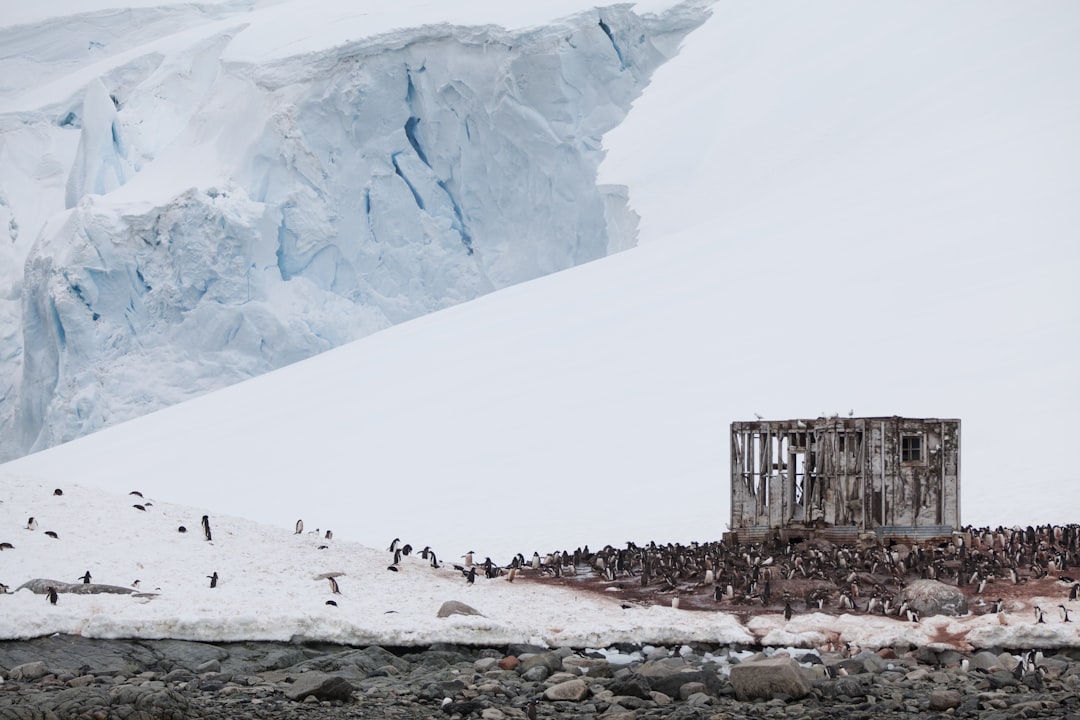
Terra Australis, often referred to as the southern land, has long captivated the imaginations of explorers, scientists, and dreamers alike. This mythical land, believed to exist in the southern hemisphere, was thought to balance the known continents of the world. The allure of Terra Australis was not merely a geographical curiosity; it represented humanity’s quest for knowledge and understanding of the planet.
As the world turned its gaze southward, the idea of a vast, unexplored territory sparked a fervor that would lead to centuries of exploration and discovery. Antarctica, as it is known today, is a stark contrast to the lush and fertile lands that early explorers envisioned. It is a frozen expanse, characterized by its icy landscapes and extreme weather conditions.
Yet, the myth of Terra Australis laid the groundwork for the eventual discovery of this continent. The journey from myth to reality is a fascinating tale of human ambition, scientific inquiry, and the relentless pursuit of truth in the face of uncertainty.
Key Takeaways
- Terra Australis was a mythical southern continent believed to exist before Antarctica was scientifically explored.
- Early European explorers and cartographers perpetuated the myth through maps and tales despite lack of evidence.
- Scientific expeditions eventually debunked the myth, revealing Antarctica as a real, distinct continent with unique ecosystems.
- The myth influenced cultural perceptions and inspired exploration, leaving a lasting legacy in history and literature.
- Modern efforts focus on conserving Antarctica’s environment, emphasizing lessons learned from past misconceptions.
The Origins of the Myth
The myth of Terra Australis can be traced back to ancient civilizations, where the concept of a southern landmass was first proposed by philosophers and geographers. The Greeks, particularly Ptolemy, speculated about a large land in the south that would counterbalance the known continents in the northern hemisphere. This idea was further propagated during the Middle Ages when scholars sought to explain the world through a combination of observation and speculation.
The notion of Terra Australis became intertwined with various cultural narratives, often depicted as a paradise or a land of abundance. As European exploration expanded during the Age of Discovery, the myth gained traction among explorers and cartographers. The belief in Terra Australis was fueled by tales of distant lands and the desire for new trade routes.
This period saw an increase in maritime expeditions aimed at uncovering the mysteries of the southern seas. The myth evolved from a mere geographical hypothesis into a tantalizing goal for adventurers seeking fame and fortune. The allure of Terra Australis became a driving force behind many voyages, as explorers sought to claim this elusive land for their respective nations.
Early European Exploration of Antarctica
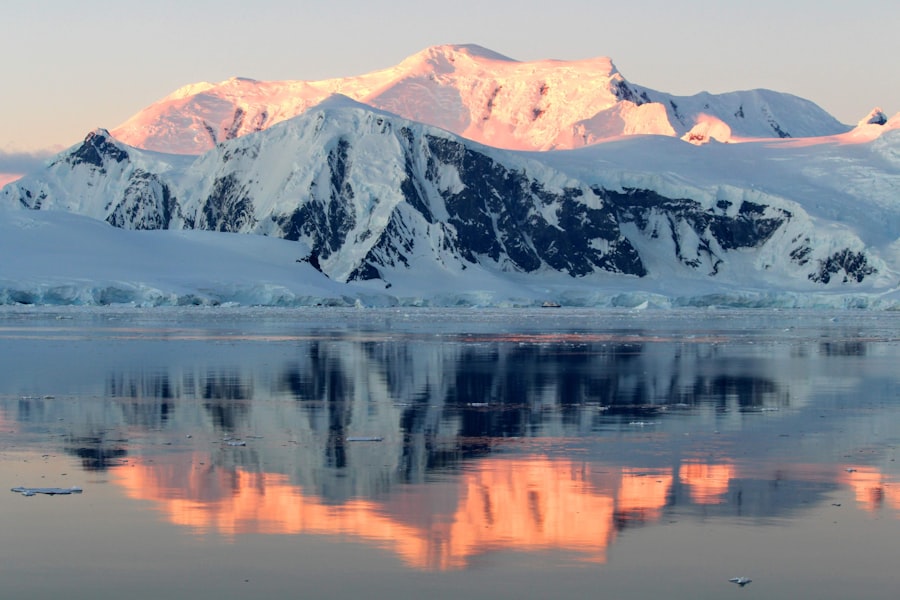
The early European exploration of Antarctica was marked by a series of ambitious voyages that sought to uncover the secrets of the southern oceans. In the late 15th and early 16th centuries, explorers such as Vasco da Gama and Ferdinand Magellan ventured into uncharted waters, driven by the promise of new lands and riches. While they did not reach Antarctica itself, their expeditions laid the groundwork for future explorations by mapping southern latitudes and expanding knowledge about the geography of the region.
By the 18th century, explorers like James Cook began to take a more systematic approach to southern exploration. Cook’s voyages in the 1770s were pivotal in challenging existing beliefs about Terra Australis. He circumnavigated New Zealand and made significant contributions to mapping the Pacific Ocean, yet he never encountered the mythical land he sought.
Cook’s expeditions were instrumental in dispelling some myths while simultaneously fueling interest in further exploration. His detailed charts and observations provided valuable insights into the southern seas, setting the stage for future adventurers who would eventually reach Antarctica.
The Search for Terra Australis
The search for Terra Australis became an obsession for many explorers during the 19th century. Fueled by national pride and scientific curiosity, expeditions were launched with the explicit goal of discovering this elusive landmass. Notable figures such as James Clark Ross and Charles Wilkes embarked on ambitious journeys that aimed to map and explore the Antarctic region.
These expeditions were often fraught with peril, as harsh weather conditions and treacherous ice posed significant challenges. Despite numerous attempts, explorers faced repeated setbacks in their quest for Terra Australis. The harsh realities of Antarctic conditions often thwarted their ambitions, leading to failed missions and tragic losses.
However, these explorations were not in vain; they contributed to a growing body of knowledge about the region’s geography, wildlife, and climate. Each expedition brought back valuable data that would eventually reshape humanity’s understanding of Antarctica, even if it did not yield the mythical land that had inspired so many.
The Role of Cartography in Perpetuating the Myth
| Aspect | Details |
|---|---|
| Name | Terra Australis |
| Meaning | “Southern Land” |
| Origin | Ancient Greek and Roman geography and cartography |
| Purpose | Hypothetical continent believed to balance the landmasses of the Northern Hemisphere |
| First Appearance on Maps | 2nd century AD, Ptolemy’s maps |
| Believed Location | Southern Hemisphere, south of known continents |
| Myth Status | Disproven by exploration and scientific discovery |
| Modern Equivalent | Antarctica |
| Exploration Impact | Motivated early voyages to the Southern Hemisphere |
| Scientific Relevance | Influenced early theories of continental balance and geography |
Cartography played a crucial role in perpetuating the myth of Terra Australis throughout history. Early maps often depicted an expansive southern continent based on speculation rather than empirical evidence. These maps reflected not only geographical knowledge but also cultural beliefs and aspirations.
The desire for a southern landmass was often illustrated through imaginative depictions that combined elements of reality with fantasy. As explorers returned from their voyages with new information, cartographers faced the challenge of reconciling these discoveries with existing myths. The maps produced during this time often included exaggerated representations of Terra Australis, reinforcing its existence in public consciousness.
This interplay between exploration and cartography created a feedback loop that sustained interest in the mythical land while simultaneously shaping perceptions of Antarctica as an unexplored frontier.
Scientific Discoveries in Antarctica
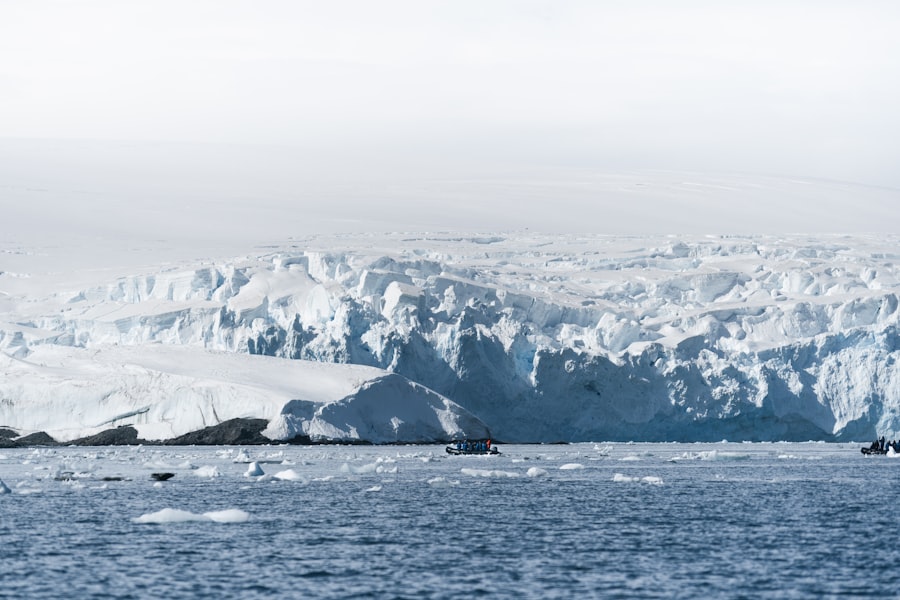
The scientific discoveries made in Antarctica have significantly advanced humanity’s understanding of climate change, geology, and biology. As researchers began to study this remote continent more systematically in the 20th century, they uncovered a wealth of information about its unique ecosystems and geological history. Ice cores extracted from glaciers have provided invaluable data on past climate conditions, revealing insights into Earth’s climate cycles over millennia.
Moreover, Antarctica has become a critical site for studying global warming and its effects on polar regions. The continent’s ice sheets are among the most sensitive indicators of climate change, making them essential for understanding future environmental shifts. Scientists have also discovered diverse life forms thriving in extreme conditions, challenging previous notions about where life can exist on Earth.
These findings have not only debunked myths surrounding Antarctica but have also underscored its importance as a natural laboratory for scientific research.
Debunking the Myth: Modern Exploration and Research
Modern exploration and research have played a pivotal role in debunking the myth of Terra Australis while revealing the true nature of Antarctica. With advancements in technology such as satellite imagery and remote sensing, scientists have been able to map the continent with unprecedented accuracy. These tools have allowed researchers to study ice dynamics, monitor changes in glacial mass, and assess environmental impacts more effectively than ever before.
The establishment of international research stations has further facilitated collaboration among scientists from various countries. This cooperative approach has led to significant breakthroughs in understanding Antarctica’s role in global climate systems and its impact on sea-level rise. As researchers continue to explore this frozen continent, they are not only dispelling myths but also fostering a deeper appreciation for its ecological significance and vulnerability.
The Cultural Impact of Terra Australis Antarctica
The myth of Terra Australis has left an indelible mark on culture and literature throughout history. From early maps depicting fantastical creatures inhabiting this southern land to modern literature exploring themes of isolation and discovery, the idea of Terra Australis has inspired countless works across various artistic mediums. Authors such as Jules Verne and H.P.
Lovecraft drew upon this mythos to create narratives that captured both wonder and dread associated with uncharted territories. In contemporary culture, Antarctica continues to serve as a symbol of exploration and environmental consciousness. Documentaries, films, and art installations often highlight its stark beauty while raising awareness about climate change and conservation efforts.
The legacy of Terra Australis endures as society grapples with its relationship with nature and seeks to understand humanity’s place within it.
The Legacy of the Myth
The legacy of Terra Australis is multifaceted, encompassing both historical significance and contemporary relevance. While it began as a myth rooted in speculation, it ultimately paved the way for real exploration that transformed humanity’s understanding of geography and science. The pursuit of this mythical land spurred countless expeditions that contributed to advancements in navigation, cartography, and environmental science.
It highlights how myths can inspire real-world endeavors while also reflecting cultural values and aspirations. As society continues to confront pressing global challenges such as climate change, the legacy of Terra Australis serves as both an inspiration for exploration and a cautionary tale about our responsibility toward preserving fragile ecosystems.
Lessons Learned from the Myth
The journey from myth to reality offers valuable lessons about human ambition, scientific inquiry, and environmental stewardship. The myth of Terra Australis illustrates how speculation can drive exploration but also emphasizes the importance of grounding pursuits in empirical evidence. As explorers sought to uncover new lands based on belief rather than fact, they faced significant challenges that ultimately shaped their understanding of geography.
Furthermore, this narrative underscores the need for responsible exploration that prioritizes conservation over exploitation. As modern researchers study Antarctica’s ecosystems, they are reminded that knowledge comes with responsibility—an understanding that preserving these fragile environments is crucial for future generations. The lessons learned from the myth serve as guiding principles for contemporary exploration efforts aimed at fostering sustainable practices while deepening humanity’s connection with nature.
The Future of Antarctica: Conservation and Preservation
Looking ahead, the future of Antarctica hinges on conservation and preservation efforts that recognize its unique ecological significance. As climate change poses unprecedented threats to polar regions, international cooperation becomes essential in safeguarding this fragile environment. Treaties such as the Antarctic Treaty System emphasize collaborative research while prohibiting military activity and mineral mining—an important step toward protecting Antarctica’s ecosystems.
Moreover, raising awareness about climate change impacts on Antarctica is crucial for fostering global action. As scientists continue to study this remote continent’s role in Earth’s climate system, their findings can inform policy decisions aimed at mitigating environmental degradation worldwide. By prioritizing conservation efforts in Antarctica, humanity can honor both its legacy as a site of exploration and its responsibility as stewards of our planet’s future.
In conclusion, Terra Australis may have begun as a myth steeped in speculation but has evolved into a symbol of human curiosity and resilience. The journey from myth to reality reflects not only our quest for knowledge but also our responsibility toward preserving fragile ecosystems like Antarctica for generations to come.
The myth of Terra Australis, a hypothetical continent believed to exist in the southern hemisphere, has fascinated explorers and scholars for centuries. This concept was often linked to the idea of Antarctica, which was not fully understood until the 19th century. For a deeper exploration of the historical context surrounding this myth and its implications on exploration, you can read more in the article available at this link.
WATCH THIS! 🗺️ The Map That Proves Humans Explored Earth 5,000 Years Too Early
FAQs
What is the Terra Australis Antarctica myth?
The Terra Australis Antarctica myth refers to the historical belief in a large, unknown southern continent that was thought to exist in the Southern Hemisphere. Early mapmakers and explorers speculated about this landmass to balance the continents in the Northern Hemisphere, but it was later proven to be largely nonexistent as initially imagined.
When did the idea of Terra Australis first appear?
The concept of Terra Australis dates back to ancient times, with references appearing in Greek and Roman geography. It gained prominence during the Age of Exploration in the 15th to 18th centuries when European mapmakers included it on maps despite no direct evidence of its existence.
Why did people believe in Terra Australis?
People believed in Terra Australis because of the idea of symmetry in the world’s landmasses and the need to balance the known continents in the Northern Hemisphere. Additionally, limited exploration and the lack of knowledge about the Southern Hemisphere contributed to the myth’s persistence.
How was the myth of Terra Australis debunked?
The myth was gradually debunked through exploration and scientific expeditions in the 18th and 19th centuries. Explorers like James Cook and later Antarctic expeditions mapped the southern regions and found no vast continent as previously imagined, leading to the understanding that the supposed Terra Australis was largely a myth.
Is there any real land related to the Terra Australis myth?
Yes, the continent of Antarctica exists in the Southern Hemisphere, but it is much smaller and different from the vast, fertile landmass depicted in early maps. Antarctica is a frozen, largely uninhabitable continent, unlike the imagined Terra Australis.
How did the Terra Australis myth influence exploration?
The myth motivated many explorers to search for the southern continent, leading to significant voyages and discoveries in the Southern Hemisphere. It played a role in the exploration of the Pacific Ocean, Australia, New Zealand, and eventually Antarctica.
Are there any modern references to Terra Australis?
Modern references to Terra Australis are mostly historical or cultural, appearing in discussions about early cartography, exploration history, and myths. The name itself is sometimes used in scientific contexts to refer to the ancient supercontinent Gondwana, which included parts of the southern continents.