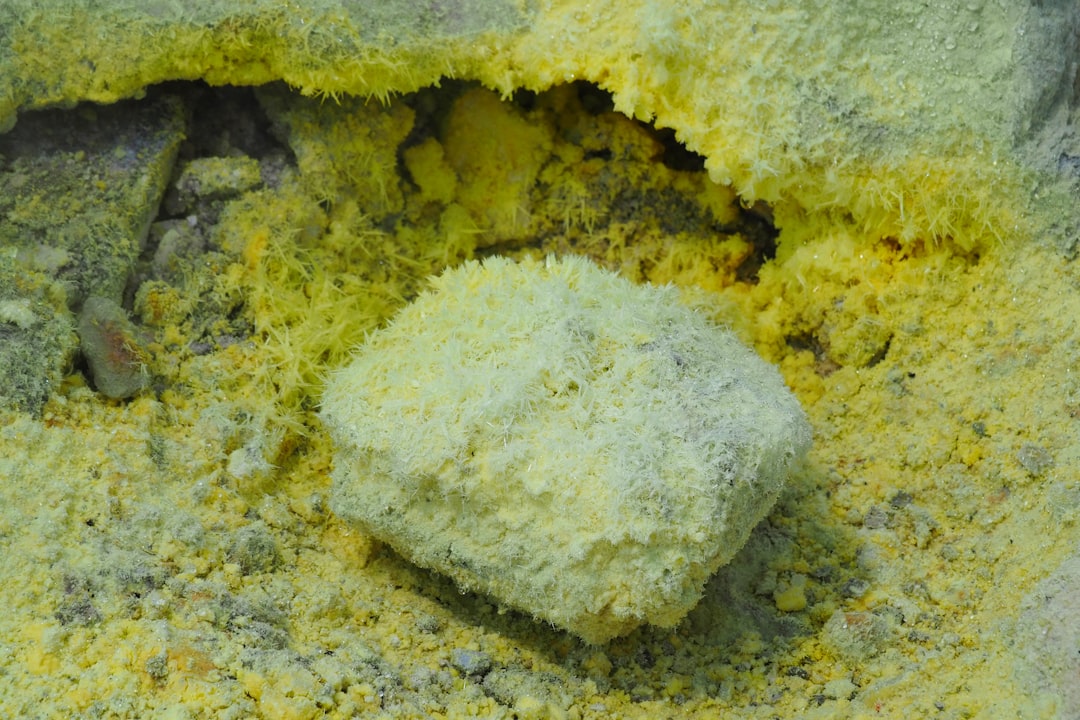
Hydrothermal vents are geological formations located on the ocean floor where seawater interacts with magma. These structures emit superheated water containing various minerals and chemicals, creating ecosystems that exist under extreme conditions. The discovery of hydrothermal vents in the late 1970s significantly altered scientific understanding of marine biology and expanded knowledge about life in extreme environments.
These vents support diverse biological communities and provide valuable insights into the potential origins of life. The ecosystems associated with hydrothermal vents contain distinctive organisms including tube worms, giant clams, and chemosynthetic bacteria. These species have developed adaptations allowing them to survive without sunlight.
Rather than depending on photosynthesis, these organisms derive energy from the chemical compounds released by the vents through a process called chemosynthesis. This biological adaptation has important implications for understanding how life can develop and persist in seemingly inhospitable conditions. Hydrothermal vent research contributes to both terrestrial biology and astrobiology, informing theories about potential extraterrestrial life.
Key Takeaways
- Hydrothermal vents provide unique chemical environments that may have facilitated the origin of life on Earth.
- Early organic molecules and protocells likely formed at these vents, setting the stage for primitive life forms.
- RNA played a crucial role in early life processes emerging from hydrothermal vent systems.
- Hydrothermal vents influenced the evolution of metabolism and the eventual transition of life from ocean to land.
- Studying hydrothermal vents aids in understanding modern ecosystems and guides the search for extraterrestrial life.
The Chemistry of Hydrothermal Vents
The chemistry of hydrothermal vents is a complex interplay of various elements and compounds that create a unique environment for life. When seawater seeps into the Earth’s crust, it is heated by magma and undergoes a series of chemical reactions. This process results in the release of mineral-rich fluids that can reach temperatures exceeding 400 degrees Celsius.
As you consider this extreme environment, you may wonder how such conditions can support life. The answer lies in the rich array of chemicals present at these vents, including hydrogen sulfide, methane, and various metals. These chemicals serve as the building blocks for life in vent ecosystems.
Chemosynthetic bacteria, for instance, utilize hydrogen sulfide as an energy source to produce organic matter through a process known as chemosynthesis. This process is akin to photosynthesis but occurs in complete darkness, showcasing the adaptability of life. As you explore further, you’ll find that these bacteria form the foundation of the food web at hydrothermal vents, supporting a diverse array of organisms that rely on them for sustenance.
The unique chemistry of hydrothermal vents not only fuels these ecosystems but also provides insights into the fundamental processes that may have contributed to the emergence of life on Earth.
The Role of Hydrothermal Vents in the Origin of Life
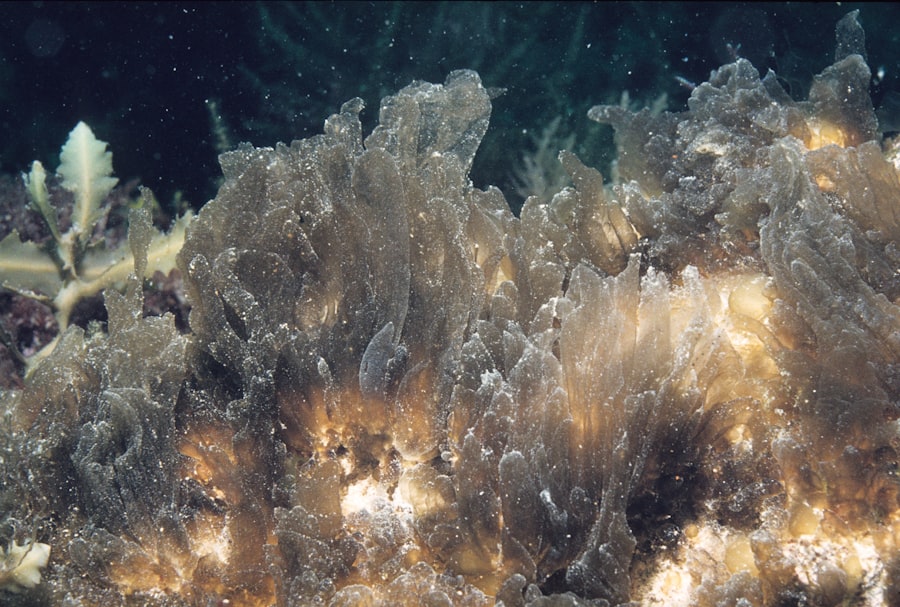
Hydrothermal vents are often considered one of the most promising locations for understanding the origin of life on Earth. The extreme conditions found at these sites may have provided the necessary environment for the first living organisms to emerge. As you contemplate this idea, consider how the combination of heat, pressure, and chemical richness could have created a primordial soup conducive to life.
The unique conditions at hydrothermal vents may have facilitated the synthesis of organic molecules, which are essential for life as we know it. Moreover, the stability of these environments could have allowed for the accumulation and concentration of organic compounds over time. This accumulation may have led to the formation of more complex molecules and eventually primitive life forms.
As you reflect on this possibility, it becomes clear that hydrothermal vents offer a compelling narrative about how life could have originated in a world vastly different from our own today. By studying these unique ecosystems, scientists hope to unravel the mysteries surrounding life’s beginnings and gain insights into how similar processes might occur elsewhere in the universe.
The First Organic Molecules at Hydrothermal Vents
The formation of organic molecules at hydrothermal vents is a critical aspect of understanding how life may have originated on Earth. In these extreme environments, various chemical reactions can occur that lead to the synthesis of simple organic compounds. As you explore this topic, consider how the combination of heat and mineral-rich fluids could facilitate reactions that produce amino acids, nucleotides, and other essential building blocks of life.
These organic molecules are fundamental to the development of more complex structures and ultimately living organisms. Research has shown that certain conditions present at hydrothermal vents can promote the formation of these organic molecules. For instance, experiments simulating vent conditions have successfully produced amino acids and other organic compounds from inorganic precursors.
This evidence suggests that hydrothermal vents could have acted as natural laboratories where life’s building blocks were synthesized. As you delve deeper into this subject, you’ll discover that understanding the processes behind organic molecule formation at hydrothermal vents is crucial for piecing together the puzzle of life’s origins.
The Formation of Protocells at Hydrothermal Vents
| Metric | Value | Unit | Description |
|---|---|---|---|
| Temperature Range | 60 – 400 | °C | Typical temperature range of hydrothermal vent fluids |
| Pressure | 200 – 500 | atm | Pressure at typical hydrothermal vent depths (2000-4000 m) |
| pH Level | 2 – 6 | pH units | Acidity of vent fluids, varies by vent type |
| Hydrogen Sulfide Concentration | 1 – 10 | mM | Concentration of H2S in vent fluids, important for chemosynthesis |
| Organic Molecule Synthesis Rate | 0.1 – 1.0 | nmol/cm²/day | Estimated rate of organic molecule formation on mineral surfaces |
| Microbial Diversity | 100 – 1000 | species | Number of microbial species identified near vents |
| Estimated Age of Hydrothermal Vents | 3.8 | billion years | Approximate age when hydrothermal vents first appeared on Earth |
| Energy Yield from Chemosynthesis | 40 – 60 | kJ/mol H2S | Energy released by oxidation of hydrogen sulfide |
The next step in the journey toward understanding life’s origins involves the formation of protocells—simple structures that exhibit some characteristics of living cells. At hydrothermal vents, conditions may have been ripe for the emergence of these primitive cell-like entities. As you consider this concept, think about how mineral surfaces and thermal gradients could facilitate the assembly of lipid membranes, which are essential for creating protocells.
These membranes would provide a boundary that separates internal processes from the external environment, a key feature of living cells. In addition to lipid formation, hydrothermal vents may have provided a rich source of organic molecules necessary for protocell development. The combination of heat and chemical gradients could have driven reactions that led to the formation of RNA or other nucleic acids within these protocells.
As you explore this idea further, you’ll find that protocells represent a crucial link between non-living chemistry and living organisms. By studying how protocells might have formed at hydrothermal vents, scientists hope to gain insights into how life transitioned from simple chemical processes to complex biological systems.
The Role of RNA in Early Life at Hydrothermal Vents
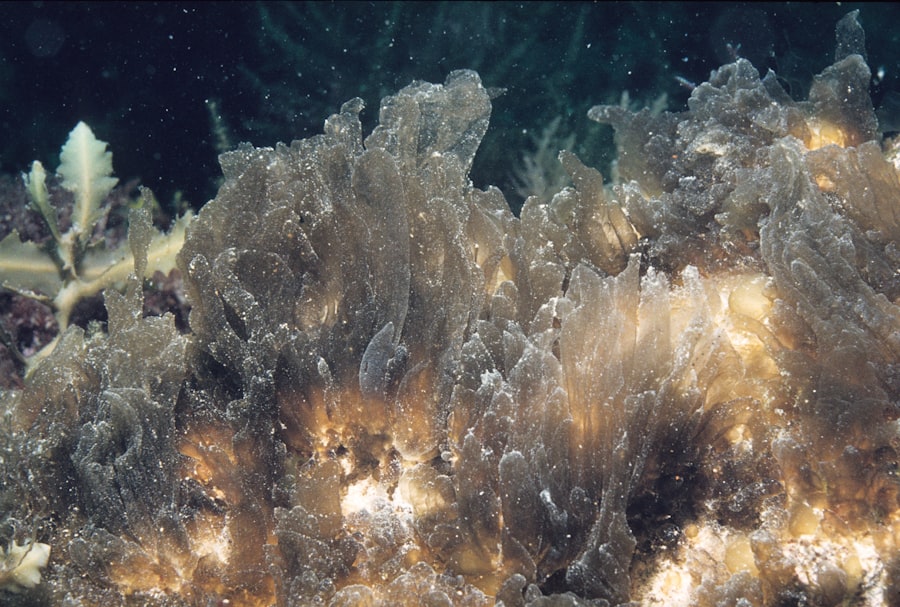
RNA is often considered a key player in the early stages of life’s evolution due to its ability to store genetic information and catalyze chemical reactions. At hydrothermal vents, RNA may have played a pivotal role in the development of early life forms. As you delve into this topic, consider how RNA could have emerged from simple organic molecules synthesized in vent environments.
The unique conditions present at these sites may have facilitated the formation and replication of RNA strands, setting the stage for more complex biological processes. The “RNA world” hypothesis posits that early life was based on RNA molecules capable of self-replication and catalysis. In this context, hydrothermal vents could have provided an ideal environment for RNA to thrive and evolve.
The availability of diverse chemical precursors and energy sources would have allowed RNA molecules to undergo various mutations and adaptations over time. As you reflect on this possibility, it becomes evident that understanding RNA’s role in early life at hydrothermal vents is crucial for unraveling the complexities surrounding life’s origins.
The Evolution of Metabolism at Hydrothermal Vents
As life began to emerge around hydrothermal vents, so too did metabolic processes that allowed organisms to harness energy from their environment. The evolution of metabolism is a critical aspect of understanding how simple life forms transitioned into more complex organisms capable of sustaining themselves over time. In vent ecosystems, chemosynthesis represents one such metabolic pathway that has evolved to utilize inorganic compounds as energy sources.
As you explore this topic further, consider how this process enabled early organisms to thrive in an environment devoid of sunlight. The diversity of metabolic pathways observed in modern vent-dwelling organisms provides valuable insights into how metabolism may have evolved over time. For instance, some bacteria can oxidize hydrogen sulfide or methane to produce energy while simultaneously fixing carbon dioxide into organic matter.
This adaptability showcases how life can evolve in response to environmental pressures and available resources. As you contemplate these metabolic processes, you’ll gain a deeper appreciation for how hydrothermal vents served as incubators for metabolic innovation during life’s early stages.
The Transition to Life on Land from Hydrothermal Vents
The transition from life at hydrothermal vents to life on land represents a significant evolutionary milestone in Earth’s history. As you consider this transition, think about how early organisms adapted to new environments and challenges as they moved away from their original habitats.
One key factor in this transition was likely the development of new metabolic pathways that enabled organisms to utilize different energy sources found on land. For example, photosynthesis emerged as a vital process that allowed plants and other organisms to harness sunlight for energy production. This shift not only facilitated life on land but also contributed to significant changes in Earth’s atmosphere and climate over time.
As you reflect on this evolutionary journey, it becomes clear that understanding how life transitioned from hydrothermal vents to terrestrial environments is essential for grasping the broader narrative of life’s history on our planet.
The Impact of Hydrothermal Vents on Modern Ecosystems
Today, hydrothermal vents continue to play a vital role in shaping modern ecosystems and influencing global biogeochemical cycles. As you explore contemporary vent ecosystems, you’ll find that they support diverse communities of organisms uniquely adapted to their extreme environments. These ecosystems are not only fascinating from a biological perspective but also contribute significantly to nutrient cycling in the deep ocean.
The minerals released by hydrothermal vents enrich surrounding waters with essential nutrients like nitrogen and phosphorus, promoting productivity in nearby ecosystems. This nutrient influx can support various marine species and contribute to overall ocean health. Additionally, studying modern vent ecosystems provides valuable insights into evolutionary processes and ecological interactions that can inform conservation efforts and our understanding of climate change impacts on marine environments.
The Search for Extraterrestrial Life at Hydrothermal Vents
The study of hydrothermal vents has implications beyond Earth; it also informs our search for extraterrestrial life. As you consider this possibility, think about how similar environments might exist on other celestial bodies within our solar system or beyond. For instance, scientists speculate that icy moons like Europa or Enceladus may harbor subsurface oceans with hydrothermal activity similar to Earth’s deep-sea vents.
By examining how life thrives in extreme conditions here on Earth, researchers can develop hypotheses about where and how we might find life elsewhere in the universe. The discovery of microbial communities around hydrothermal vents has opened new avenues for astrobiology research and has sparked interest in exploring other planets and moons with similar geological features. As you reflect on these possibilities, it becomes clear that hydrothermal vents hold not only answers about our own origins but also clues about potential life beyond our planet.
The Continuing Importance of Hydrothermal Vents in the Study of Life’s Origins
In conclusion, hydrothermal vents represent a remarkable intersection between geology and biology, offering profound insights into life’s origins and evolution on Earth. As you contemplate their significance, consider how these unique ecosystems challenge our understanding of what constitutes a habitable environment and expand our knowledge about life’s resilience in extreme conditions. From their role in synthesizing organic molecules to supporting diverse communities adapted to harsh environments, hydrothermal vents continue to captivate scientists and researchers alike.
As we advance our exploration into both Earth’s depths and beyond our atmosphere, hydrothermal vents will remain crucial focal points for understanding life’s beginnings and potential existence elsewhere in the universe.
By continuing to investigate these extraordinary geological formations, we can unlock further secrets about life’s origins while fostering a deeper appreciation for the intricate connections between all living things on our planet.
Recent research into the origins of life on Earth has sparked interest in the role of hydrothermal vents, which provide a unique environment rich in minerals and energy. A related article that delves deeper into this fascinating topic can be found at this link. The article discusses various theories surrounding the emergence of life in extreme conditions, highlighting the significance of these underwater ecosystems in the quest to understand our planet’s biological beginnings.
FAQs
What are hydrothermal vents?
Hydrothermal vents are fissures on the seafloor that emit hot, mineral-rich water. They are typically found near volcanically active areas, such as mid-ocean ridges, where seawater interacts with magma beneath the Earth’s crust.
Why are hydrothermal vents important in the study of the origin of life?
Hydrothermal vents provide a unique environment rich in chemical energy and minerals, which could have supported the formation of early life. The conditions around these vents may have facilitated the synthesis of organic molecules and the development of primitive metabolic processes.
How do hydrothermal vents support life today?
Hydrothermal vents support diverse ecosystems that rely on chemosynthesis rather than photosynthesis. Microorganisms use chemicals like hydrogen sulfide emitted from the vents to produce energy, forming the base of a food chain that includes various specialized animals.
What evidence supports the hypothesis that life originated at hydrothermal vents?
Evidence includes the presence of ancient minerals and organic compounds near vents, the existence of extremophiles (organisms that thrive in extreme conditions) similar to early life forms, and laboratory experiments showing that vent-like conditions can promote the formation of complex organic molecules.
Are hydrothermal vents the only proposed site for the origin of life?
No, other hypotheses include life originating in shallow pools, on mineral surfaces, or in ice. However, hydrothermal vents remain a leading theory due to their energy availability and conducive chemical environment.
What role do minerals from hydrothermal vents play in the origin of life?
Minerals from vents, such as iron and sulfur compounds, can catalyze chemical reactions necessary for forming organic molecules and may have helped concentrate and organize these molecules into more complex structures.
Can hydrothermal vent conditions be replicated in the laboratory?
Yes, scientists have recreated vent-like conditions in the lab to study chemical reactions relevant to the origin of life. These experiments have demonstrated the formation of amino acids, nucleotides, and other organic compounds under simulated vent conditions.
How old are hydrothermal vent systems on Earth?
Hydrothermal vent systems have existed for billions of years, with some evidence suggesting they were present on the early Earth over 3.5 billion years ago, coinciding with the time life is believed to have originated.
Do hydrothermal vents exist on other planets or moons?
There is evidence suggesting that hydrothermal activity may exist on other celestial bodies, such as Jupiter’s moon Europa and Saturn’s moon Enceladus, making them potential sites for extraterrestrial life.