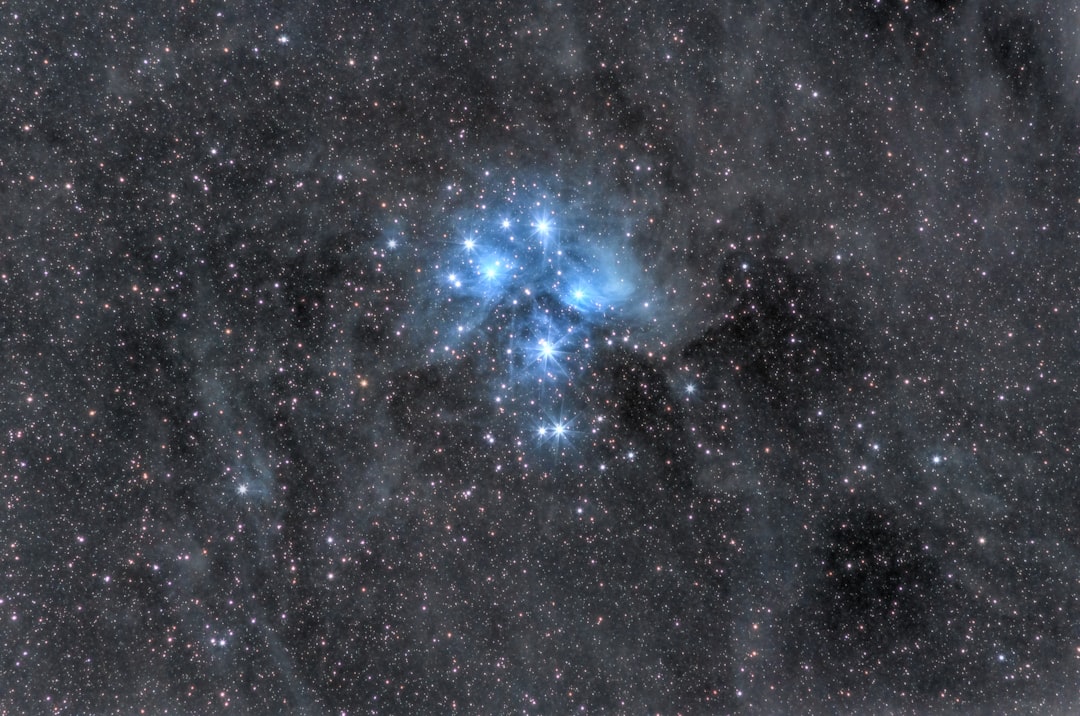
The field of exoplanetary science has rapidly evolved, transitioning from speculative hypotheses to concrete observations within a remarkably short period. The premise of planets existing beyond our solar system, once a mere whisper in the corridors of astrophysics, has materialized into a bustling reality. The current understanding of exoplanets, however, is being critically re-examined through the lens of a new and controversial hypothesis: “The Physics Deception: Alien Worlds Revealed.” This concept suggests that our conventional understanding of physics, particularly as it applies to the formation and characteristics of planetary bodies beyond the Solar System, may contain fundamental misconceptions, leading to misinterpretations of observational data. The proponents of this theory argue that what we perceive as ‘alien worlds’ might, in some instances, be phenomena distinctly different from the planetary bodies we envision.
The prevailing models for exoplanet formation largely mirror those developed for the Solar System, albeit with adaptations for varying stellar environments. These models, built upon decades of astrophysical research, have been instrumental in interpreting the vast amounts of data gathered from telescopes like Kepler, TESS, and Hubble. However, as the diversity of observed exoplanets continued to expand, encompassing objects seemingly defying these established frameworks, a degree of intellectual discomfort began to emerge.
Anomalies and Outliers
The discovery of “hot Jupiters,” gas giants orbiting remarkably close to their host stars, challenged assumptions about planetary migration. Similarly, super-Earths, planets larger than Earth but smaller than Neptune, found no direct analogs in our own solar system, prompting revisions to formation theories. While these discoveries have largely been accommodated by refining existing models, the cumulative effect of such outliers has led some researchers to question the fundamental robustness of the underlying physics.
The Problem of Dark Matter and Dark Energy
The pervasive mysteries of dark matter and dark energy, which constitute the vast majority of the universe’s mass-energy content, represent a significant gap in our physical understanding. If these fundamental components remain elusive, how certain can we be of our understanding of baryonic matter interactions, especially at the extreme scales involved in planetary formation and evolution? The “Physics Deception” hypothesis posits that the misinterpretation of exoplanet data could be a macroscopic manifestation of these deeper, unresolved physical puzzles.
In exploring the intriguing concept that “physics is a lie,” one can delve into the fascinating realms of alien worlds and the potential for life beyond our own. A related article that discusses these themes in depth can be found at Real Lore and Order, where the complexities of physics and the mysteries of extraterrestrial environments are examined. This piece challenges our understanding of the universe and invites readers to consider the possibilities that lie beyond the confines of our current scientific knowledge.
Redefining “Planet”: A Semantic and Scientific Quagmire
The very definition of a “planet” has been a source of contention even within our own solar system, as exemplified by the reclassification of Pluto. When extending this concept to objects light-years away, observed primarily through indirect methods, the challenge becomes significantly more complex. The “Physics Deception” theory argues that many objects currently classified as exoplanets might, under a revised physical framework, be categorized differently.
Indirect Detection Methods and Their Limitations
The bulk of exoplanet discoveries relies on methods such as the transit method (observing dips in stellar brightness as a planet passes in front of its star) and the radial velocity method (detecting wobbles in a star’s motion due to a planet’s gravitational pull). These methods provide valuable information about an object’s size or mass but offer limited direct insight into its composition or internal structure.
The Transit Method: A Silhouetted Interpretation
The transit method provides a planetary radius by measuring the dip in stellar light. However, without independent mass measurements, a transit signal could be interpreted in various ways. For instance, a very diffuse, extended atmospheric phenomenon around a smaller, more compact object could mimic the transit depth of a larger, solid planet.
The Radial Velocity Method: Gravitational Fingerprints
The radial velocity method yields a minimum mass for a planet. However, stellar activity, such as starspots or magnetic cycles, can also induce Doppler shifts in a star’s spectrum, potentially masquerading as a planetary signal. Distinguishing between genuine planetary perturbations and complex stellar phenomena requires careful analysis and often leads to uncertainties in mass determination.
Phantom Planets and Stellar Aberrations
The “Physics Deception” explores the possibility that some observed signals might not originate from distinct planetary bodies at all, but rather from emergent phenomena arising from complex stellar dynamics or hitherto unknown particle interactions. This is not to suggest malicious intent or deliberate misdirection, but rather an inherent limitation in interpreting observational data through a potentially incomplete physical framework.
The Fabric of Spacetime and Quantum Entanglements: Unseen Influences?
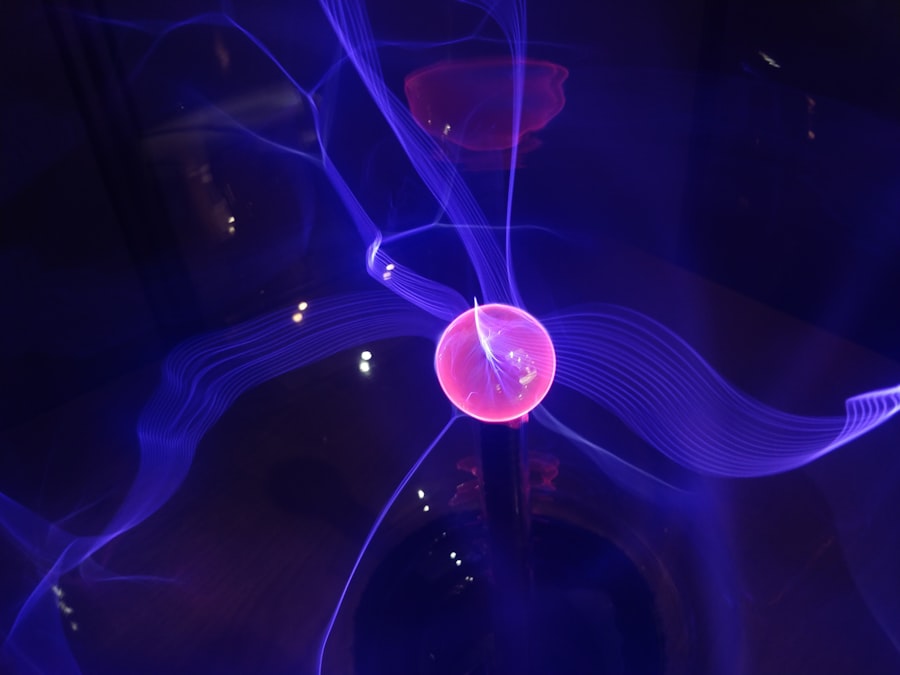
One of the more radical propositions within the “Physics Deception” theory involves the potential influence of poorly understood aspects of spacetime and quantum mechanics on astrophysical observations. While seemingly far-fetched, proponents argue that dismissing these possibilities outright would be premature given our limited understanding of these fundamental forces.
Gravitational Lensing and Exotic Matter
While gravitational lensing is a known phenomenon used to detect dark matter and distant galaxies, the hypothesis suggests that exotic, non-baryonic forms of matter or even unusual spacetime curvatures could create lensing effects that mimic characteristic planetary signatures, particularly in systems where direct imaging is impossible. These “gravitational mirages” could lead to the misidentification of objects as planets.
Non-gravitational Interactions of Dark Matter
If dark matter interacts with baryonic matter or photons in ways not yet fully understood, these interactions could produce subtle observational effects that are currently attributed to conventional planetary bodies. Imagine dark matter ‘halos’ around stars that perturb light or gravity in ways that create signals analogous to orbiting planets.
Quantum Entanglement at Astrophysical Scales
Though typically discussed at microscopic scales, the implications of quantum entanglement on macroscopic objects remain a subject of intense theoretical debate. The “Physics Deception” introduces the audacious idea that some observed correlations or periodicities in stellar light curves, currently ascribed to orbital mechanics, might have a quantum origin. This is a highly speculative assertion, acknowledging the immense theoretical hurdles it faces, but it exemplifies the scope of the proposed re-evaluation.
Reinterpreting Atmospheric Signatures: Beyond Conventional Chemistry
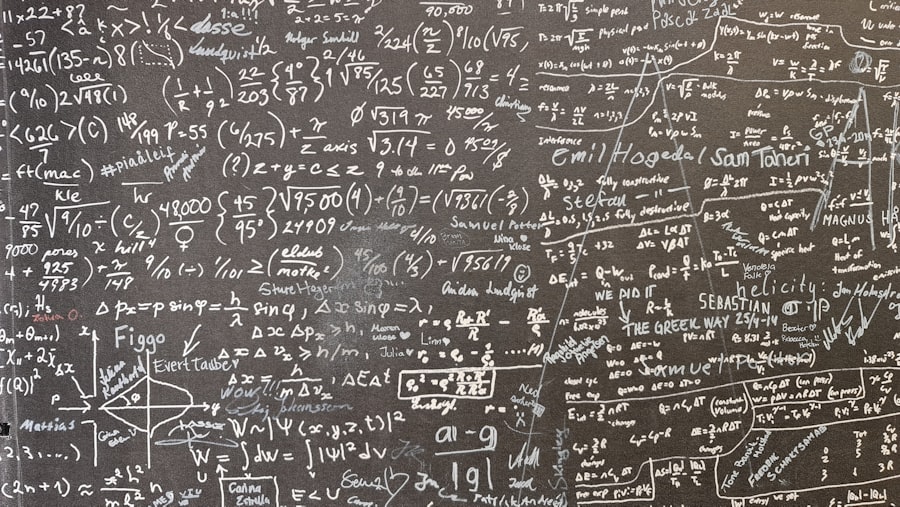
The analysis of exoplanet atmospheres offers a tantalizing glimpse into the potential habitability and composition of these distant worlds. However, according to the “Physics Deception,” our interpretations of these spectral signatures might be skewed by an incomplete understanding of fundamental particle interactions and high-energy physics.
Atypical Spectral Lines and Unknown Elements
The detection of unexpected spectral lines or the absence of expected ones could be interpreted in several ways. While typically attributed to unusual atmospheric chemistry or physical conditions, the “Physics Deception” posits that these anomalies could be indicative of elements or compounds operating under different physical laws, or even the manifestations of particles currently unknown to the Standard Model of particle physics.
Plasma Phenomena and Stellar Interactions
Atmospheres of exoplanets, particularly those close to their host stars, are subject to intense radiation and stellar winds. It is argued that complex plasma phenomena, not fully understood in extreme stellar environments, could generate spectral signals that are currently being attributed to the presence of specific molecular species, leading to erroneous conclusions about atmospheric composition.
Biosignatures or Non-Biological Phenomena?
The search for biosignatures – chemical indicators of life – is a critical aspect of exoplanet research. The “Physics Deception” urges extreme caution in interpreting potential biosignatures, suggesting that what appears to be a biological indicator could, under alternative physical frameworks, be a purely abiotic process. For example, a molecule widely considered a biosignature on Earth might be produced abiotically under exotic conditions on another celestial body, governed by physics yet to be fully comprehended.
In exploring the intriguing concept that physics may not fully explain the mysteries of the universe, one can find a fascinating discussion in an article about alien worlds. This piece delves into the possibility that our understanding of physical laws might be limited when it comes to the vastness of space and the existence of extraterrestrial life. For those interested in expanding their knowledge on this topic, the article can be found here. It raises thought-provoking questions about the nature of reality and the potential for undiscovered phenomena beyond our current scientific framework.
The Path Forward: A Paradigm Shift or a Fringe Theory?
| Metric | Value | Description |
|---|---|---|
| Hypothesis Name | Physics is a Lie | Concept suggesting conventional physics may not apply universally |
| Subject | Alien Worlds | Planets or environments beyond Earth with potentially different physical laws |
| Number of Theories Challenged | 5 | Key physics theories questioned in the context of alien worlds |
| Examples of Anomalies | Gravity Variations, Time Dilation Differences | Observed or hypothesized phenomena that contradict Earth-based physics |
| Research Status | Speculative | Current stage of scientific investigation into these claims |
| Potential Impact | High | Implications for understanding the universe and physics laws |
The “Physics Deception: Alien Worlds Revealed” is undoubtedly a radical proposition, challenging the very foundations of exoplanetary science. It demands a level of intellectual humility, asking us to consider that our current understanding, while immensely powerful, might be fundamentally incomplete. Like a cartographer charting unknown territories, our current maps of exoplanetary systems, while detailed, may contain distortions born from an incomplete understanding of the very forces that shape the landscape.
A Call for Falsification and Independent Verification
For the “Physics Deception” to transition from a speculative hypothesis to a credible scientific theory, it must satisfy the rigorous demands of the scientific method. This entails developing testable predictions that can be falsified through observation or experimentation. The proponents of this theory acknowledge this necessity, emphasizing the need for new observational techniques and theoretical frameworks that can differentiate between conventional exoplanet interpretations and the alternative scenarios they propose.
The Role of Next-Generation Observatories
Future telescopes, such as the James Webb Space Telescope (JWST) and the Extremely Large Telescope (ELT), with their enhanced capabilities for spectroscopy and direct imaging, will be crucial in gathering more detailed data. This data could either strengthen the arguments for conventional exoplanet models or reveal anomalies that lend credence to the “Physics Deception.”
Interdisciplinary Approaches
Addressing the questions raised by this hypothesis necessitates an intensely interdisciplinary approach. It requires not only astronomers and astrophysicists but also particle physicists, quantum theorists, and even philosophers of science to collaboratively re-examine foundational assumptions. The universe, in its boundless complexity, may be subtly nudging us toward a deeper understanding, demanding we look beyond our established paradigms.
Ultimately, the “Physics Deception: Alien Worlds Revealed” serves as a powerful intellectual provocation. It encourages a critical re-evaluation of how we interpret the cosmos, reminding us that scientific progress often arises not from reinforcing existing beliefs, but from courageously questioning them. Whether it proves to be a fleeting detour or a monumental paradigm shift, its presence in the scientific discourse underscores the inherent dynamism and intellectual frontiers of modern astrophysics. When observing the faint echoes of distant worlds, we are not merely decoding light; we are engaging with the very fabric of reality, a fabric that may still hold profound secrets yet to be revealed.
FAQs
What is the main idea behind the article “Physics is a Lie: Alien Worlds”?
The article explores the concept that our current understanding of physics may be incomplete or incorrect when applied to alien worlds, suggesting that extraterrestrial environments could operate under different physical laws or principles.
Does the article claim that physics as we know it is entirely false?
No, the article does not claim that physics is entirely false; rather, it discusses the possibility that the laws of physics might vary or manifest differently in alien worlds, challenging our Earth-centric perspective.
What evidence or theories does the article present about alien worlds having different physics?
The article reviews scientific hypotheses and speculative theories about how extreme environments on alien planets could lead to variations in physical phenomena, such as altered gravity, exotic matter states, or unknown forces, though concrete evidence remains limited.
How does the article suggest scientists should approach the study of physics on alien worlds?
It suggests that scientists should remain open-minded and consider alternative models or extensions of current physics when studying extraterrestrial environments, incorporating interdisciplinary research and new observational data.
Are there any practical implications mentioned in the article regarding the idea that physics might differ on alien worlds?
Yes, the article discusses potential implications for space exploration, technology development, and our understanding of the universe, emphasizing that recognizing different physical laws could impact how we design missions and interpret extraterrestrial phenomena.