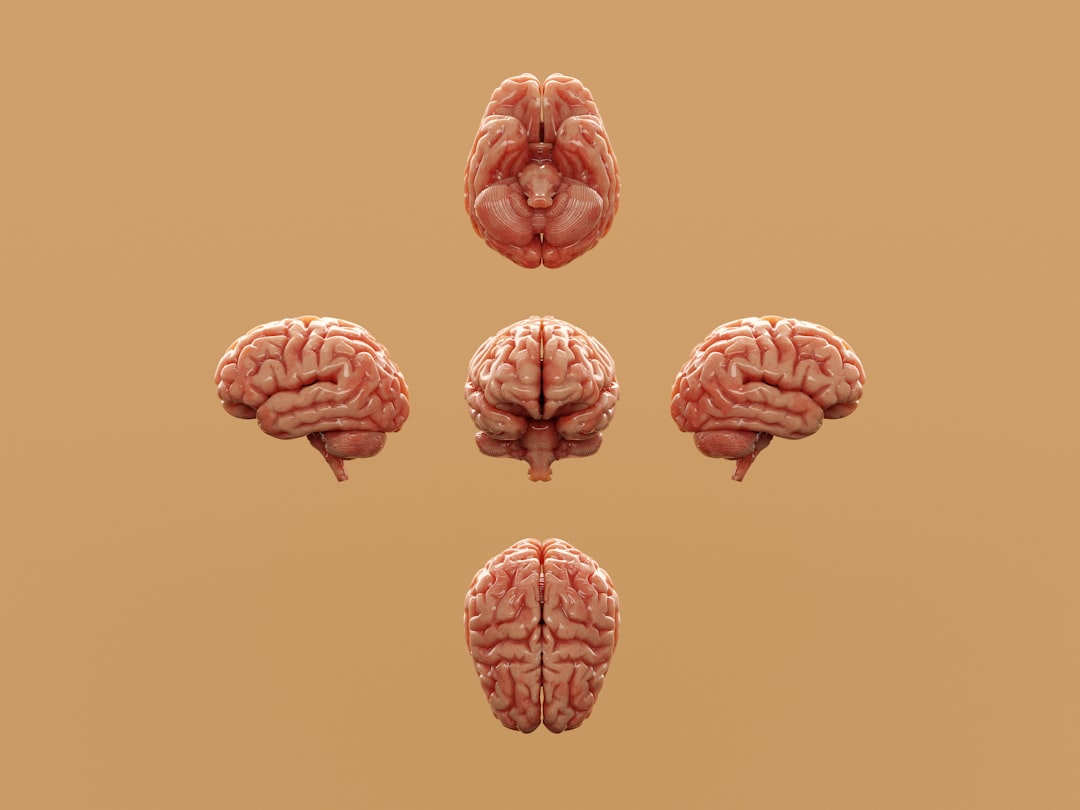
As you navigate through your daily life, your brain is constantly engaged in a complex dance of prediction and interpretation. This phenomenon, often referred to as the “predictive brain,” suggests that your mind is not merely a passive receiver of sensory information but an active participant in shaping your experiences. The concept posits that your brain continuously generates hypotheses about the world around you, allowing you to anticipate events before they unfold.
This predictive capability is fundamental to how you perceive reality, interact with your environment, and make decisions. Understanding the predictive brain opens up a fascinating window into the workings of human cognition. It challenges traditional views of perception as a straightforward process of receiving stimuli and instead presents it as a dynamic interplay between expectation and sensory input.
By exploring this concept, you can gain insights into how your brain processes information, how it learns from experiences, and how it adapts to new situations. The implications of this understanding extend beyond mere curiosity; they touch on various aspects of psychology, neuroscience, and even mental health.
Key Takeaways
- The brain constantly anticipates sensory input to efficiently interpret the environment.
- Past experiences shape how the brain predicts and processes incoming information.
- Prediction errors play a crucial role in learning and adapting to new situations.
- Attention and prediction work together to enhance cognitive functions and decision making.
- Understanding predictive processing offers insights into mental health and potential treatments.
The Role of Prediction in Perception
Your perception of the world is not solely based on what your senses detect; it is heavily influenced by what your brain expects to encounter. This predictive aspect of perception allows you to navigate complex environments with remarkable efficiency. For instance, when you walk into a room, your brain quickly fills in gaps based on prior knowledge and expectations.
You might not consciously register every detail, but your brain anticipates the layout, the presence of furniture, and even the potential for social interactions. This anticipatory mechanism enables you to respond swiftly and appropriately to your surroundings. Moreover, the role of prediction in perception can be illustrated through the phenomenon of sensory adaptation.
When you enter a room with a strong odor, for example, your initial reaction may be one of surprise or discomfort. However, as time passes, your brain begins to predict that the smell will persist, leading to a decrease in your conscious awareness of it. This adaptation allows you to focus on more pressing stimuli in your environment, demonstrating how prediction streamlines your perceptual experience and enhances your ability to function effectively.
How the Brain Anticipates and Interprets Sensory Information
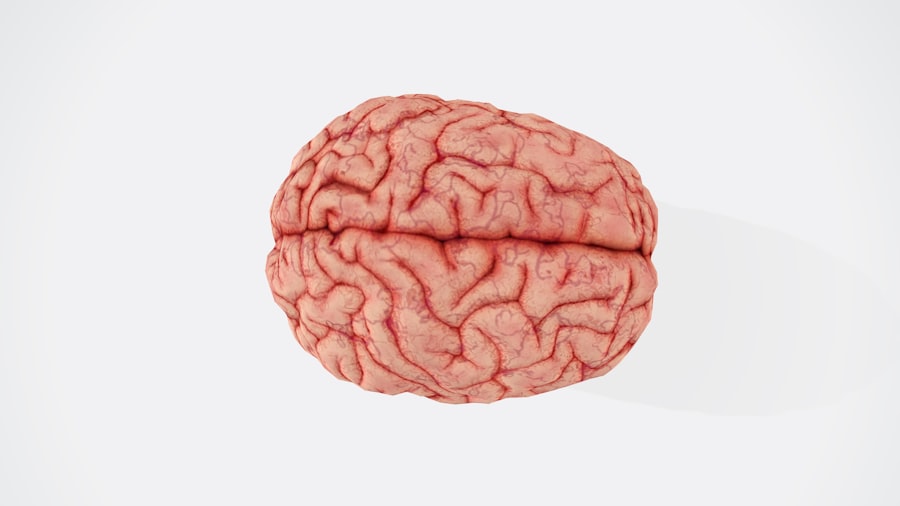
The brain employs a sophisticated network of neural pathways to anticipate and interpret sensory information. When you encounter a stimulus, such as a sound or a visual cue, your brain doesn’t simply react; it compares incoming data against stored knowledge and expectations. This process involves various regions of the brain working in concert, including the prefrontal cortex, which is responsible for higher-order thinking and decision-making, and the sensory cortices that process specific types of information.
For instance, when you hear a familiar song playing in a café, your brain quickly identifies it based on previous experiences with that melody. It anticipates not only the notes that will follow but also the emotions associated with the song. This predictive processing allows you to enjoy the music more fully, as your brain prepares you for what’s coming next.
In this way, anticipation enriches your sensory experience, making it more meaningful and engaging.
The Influence of Past Experience on Predictive Processing
Your past experiences play a crucial role in shaping how your brain predicts future events. Each encounter leaves an imprint on your neural pathways, creating a rich tapestry of memories that inform your expectations. When faced with new situations, your brain draws upon these memories to generate predictions about what is likely to happen next.
This reliance on past experiences not only enhances your ability to navigate the world but also helps you avoid potential dangers. Consider how you react when you see dark clouds gathering in the sky. If you’ve experienced rain during similar weather conditions before, your brain quickly predicts that you might need an umbrella.
This learned association between dark clouds and rain exemplifies how past experiences inform your predictive capabilities. However, this reliance on previous encounters can also lead to biases or misconceptions if those experiences are limited or skewed.
Predictive Coding and its Impact on Cognitive Function
| Metric | Description | Typical Value/Range | Relevance to Predictive Processing |
|---|---|---|---|
| Prediction Error | Difference between expected sensory input and actual input | Varies; minimized over time | Core signal driving learning and perception updates |
| Hierarchical Levels | Number of processing layers in the brain’s predictive hierarchy | 5-7 levels (sensory to higher cognition) | Supports multi-level prediction and error correction |
| Neural Gain | Modulation of neuronal response sensitivity | Variable; influenced by attention and neuromodulators | Adjusts precision weighting of prediction errors |
| Precision Weighting | Confidence assigned to prediction errors | Dynamic; context-dependent | Determines influence of errors on updating predictions |
| Bayesian Updating Rate | Speed at which beliefs are updated based on new evidence | Fast in sensory areas; slower in higher cognition | Reflects adaptive learning in predictive models |
| Top-Down Feedback Strength | Influence of higher-level predictions on lower-level processing | Moderate to strong | Enables expectation-driven perception |
| Bottom-Up Signal Strength | Intensity of sensory input signals sent upward | Variable; depends on stimulus salience | Provides data for error detection and model correction |
Predictive coding is a theoretical framework that explains how your brain processes information through predictions and error correction. According to this model, your brain continuously generates predictions about incoming sensory data and compares them against actual sensory input. When there is a mismatch—known as a prediction error—your brain updates its predictions to better align with reality.
This process is essential for learning and adapting to new information. The impact of predictive coding on cognitive function is profound. It allows you to learn from mistakes and refine your understanding of the world around you.
For example, if you misjudge the distance of an object and bump into it, your brain registers this prediction error and adjusts future estimates accordingly. This dynamic process not only enhances your cognitive flexibility but also fosters resilience in the face of uncertainty.
The Relationship Between Attention and Prediction
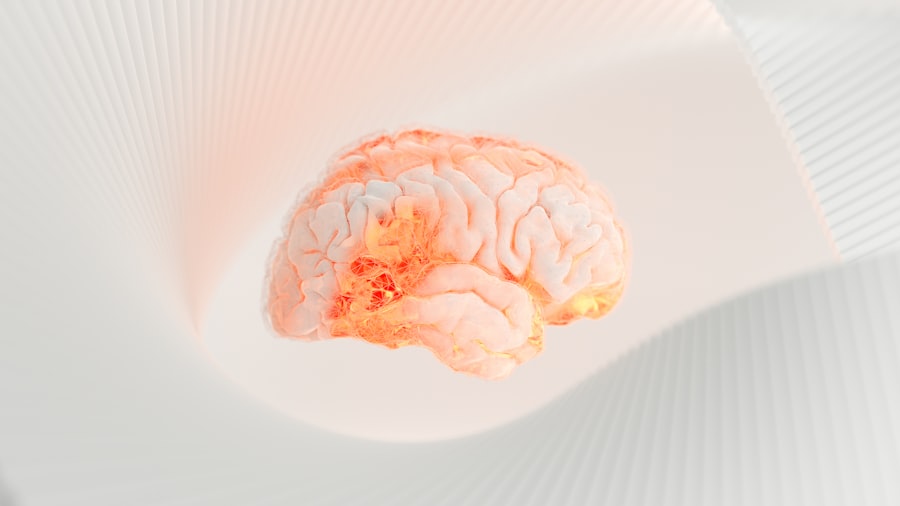
Attention plays a pivotal role in the predictive brain’s functioning. Your ability to focus on specific stimuli while filtering out irrelevant information is closely tied to how predictions shape your attentional resources. When you anticipate certain events or outcomes, your attention becomes finely tuned to those expectations, allowing you to respond more effectively.
For instance, when you’re engaged in a conversation at a noisy party, your brain predicts which voices are relevant based on contextual cues such as facial expressions or body language. This predictive attention helps you hone in on important information while disregarding background noise. Conversely, when predictions are inaccurate or disrupted—such as when someone unexpectedly interrupts—you may find it challenging to maintain focus or process information effectively.
The Predictive Brain in Action: Examples from Everyday Life
Everyday life is filled with instances where your predictive brain is at work, often without you even realizing it. Consider driving a car: as you navigate through traffic, your brain constantly predicts the behavior of other drivers based on their speed, direction, and past actions. This anticipatory processing allows you to make split-second decisions about when to accelerate or brake, ensuring both your safety and that of others on the road.
Another example can be found in social interactions. When engaging in conversation, you often predict what others will say based on their tone of voice or body language. This ability to anticipate responses not only facilitates smoother communication but also fosters empathy by allowing you to gauge emotional states and adjust your behavior accordingly.
The Role of Prediction in Decision Making and Problem Solving
Prediction is integral to decision-making processes and problem-solving strategies.
This predictive capability enables you to weigh risks and benefits effectively before arriving at a conclusion.
For instance, when deciding whether to take a new job offer, you might draw upon previous experiences with similar roles or companies. Your brain predicts how this new position aligns with your career goals and personal values, guiding you toward a decision that feels right for you. In problem-solving scenarios, such as troubleshooting a technical issue, prediction allows you to hypothesize potential solutions based on what has worked in the past.
The Impact of Prediction Errors on Learning and Adaptation
Prediction errors are not merely obstacles; they are essential components of learning and adaptation. When your expectations do not match reality, these discrepancies signal that something needs to change—whether it’s adjusting your understanding or modifying your behavior. Embracing prediction errors can lead to significant growth and development.
For example, if you’re learning a new skill like playing an instrument, you’ll likely encounter moments where your performance doesn’t meet your expectations. These prediction errors provide valuable feedback that prompts you to refine your technique or practice more diligently. Over time, as you learn from these errors and adjust your approach, you’ll find yourself improving and mastering the skill at hand.
The Predictive Brain and Mental Health: Implications for Understanding Disorders
The concept of the predictive brain has significant implications for understanding mental health disorders. Many psychological conditions can be viewed through the lens of prediction errors and maladaptive predictions. For instance, individuals with anxiety may overestimate threats based on past experiences or internalized fears, leading them to predict negative outcomes even in benign situations.
By recognizing these patterns of maladaptive prediction processing, mental health professionals can develop targeted interventions aimed at recalibrating expectations and fostering healthier cognitive patterns. Understanding the predictive brain offers hope for more effective treatments and strategies for individuals struggling with mental health challenges.
The Future of Research on the Predictive Brain
As research into the predictive brain continues to evolve, it holds promise for unlocking new insights into human cognition and behavior. The interplay between prediction, perception, attention, and learning presents a rich tapestry for exploration across various fields—from neuroscience to psychology and beyond. As scientists delve deeper into understanding how predictions shape our experiences, we may uncover innovative approaches to enhance cognitive function and address mental health issues.
The future of research on the predictive brain is bright with potential applications that could revolutionize education, therapy, and even artificial intelligence systems designed to mimic human cognition. By embracing this dynamic model of understanding the mind, we can pave the way for advancements that improve our quality of life and deepen our comprehension of what it means to be human in an ever-changing world.
Predictive processing is a fascinating framework that suggests our brains continuously generate and update a mental model of the world to minimize prediction errors. A related article that delves deeper into this concept can be found at this link. This article explores how predictive processing influences perception, action, and even our understanding of consciousness, providing valuable insights into the workings of the human mind.
FAQs
What is predictive processing in the brain?
Predictive processing is a theoretical framework suggesting that the brain continuously generates and updates predictions about incoming sensory information. It compares these predictions with actual sensory input to minimize the difference, known as prediction error, thereby efficiently processing information.
How does predictive processing work in the brain?
The brain creates internal models based on past experiences to anticipate sensory inputs. When actual sensory data arrives, it is compared to these predictions. Any mismatch (prediction error) is used to update the brain’s models, improving future predictions and perception.
What areas of the brain are involved in predictive processing?
Predictive processing involves multiple brain regions, including the cortex (especially the sensory and prefrontal areas), the thalamus, and subcortical structures. These areas work together to generate predictions and process sensory feedback.
Why is predictive processing important for perception?
Predictive processing allows the brain to interpret sensory information efficiently by focusing on unexpected or novel inputs. This mechanism helps in faster and more accurate perception, reducing cognitive load and enabling adaptive behavior.
How does predictive processing relate to learning?
Learning occurs as the brain updates its internal models to reduce prediction errors over time. This continuous adjustment helps the brain better anticipate future events and adapt to changes in the environment.
Can predictive processing explain mental disorders?
Some researchers propose that disruptions in predictive processing may underlie certain mental disorders, such as schizophrenia or autism. For example, impaired prediction error signaling might lead to difficulties in distinguishing between expected and unexpected sensory information.
Is predictive processing a widely accepted theory?
Predictive processing is a prominent and influential theory in cognitive neuroscience, but it remains one of several models explaining brain function. Ongoing research continues to test and refine its principles.
How does predictive processing differ from traditional views of brain function?
Traditional views often emphasize reactive processing, where the brain responds to sensory input after it occurs. Predictive processing, in contrast, highlights the brain’s proactive role in anticipating sensory events before they happen.
What are practical applications of understanding predictive processing?
Insights from predictive processing can inform artificial intelligence, improve treatments for neurological and psychiatric conditions, and enhance our understanding of perception, learning, and decision-making processes.