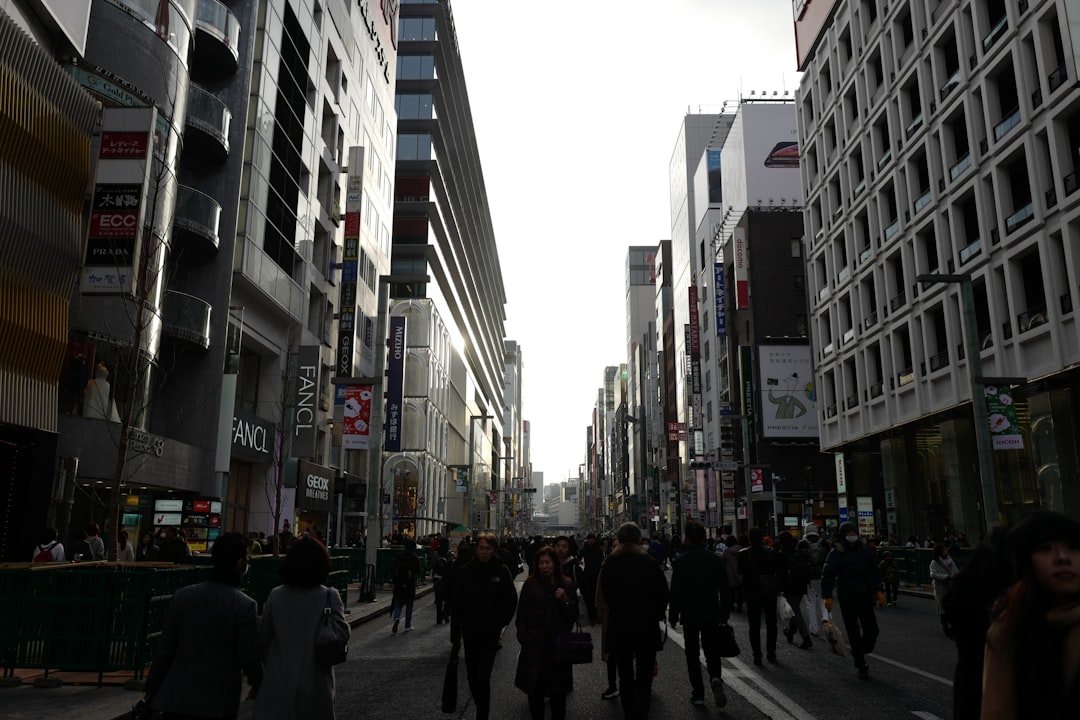
Japan, once heralded as an economic powerhouse, has faced a series of challenges that have led to its current economic predicament. The nation, which experienced rapid growth in the latter half of the 20th century, now grapples with stagnation, deflation, and a host of other issues that threaten its economic stability. As you delve into the complexities of Japan’s economic collapse, you will uncover a tapestry woven with historical triumphs, policy missteps, and demographic shifts that have all contributed to the current state of affairs.
Understanding these elements is crucial for grasping the broader implications not only for Japan but also for the global economy. The narrative of Japan’s economic decline is not merely a tale of misfortune; it is a reflection of how interconnected global economies can be. As you explore the factors that have led to this situation, you will see how Japan’s past successes have become intertwined with its present challenges.
The lessons learned from Japan’s experience can serve as a cautionary tale for other nations facing similar economic hurdles. In this article, you will journey through the historical context, the various factors contributing to the collapse, and the potential pathways for recovery.
Key Takeaways
- Japan’s economic collapse stems from a combination of historical growth patterns and recent systemic challenges.
- Government mismanagement and ineffective policies significantly contributed to prolonged economic stagnation.
- Demographic issues, including an aging population, have strained Japan’s labor force and social systems.
- Globalization and technological stagnation hindered Japan’s competitiveness in the evolving global market.
- Despite challenges, there remain potential pathways for economic recovery through reform and innovation.
Historical Background of Japan’s Economic Growth
To fully appreciate the gravity of Japan’s current economic situation, it is essential to look back at its remarkable growth story. After World War II, Japan underwent a transformation that saw it emerge as one of the world’s leading economies. With a focus on industrialization and technological advancement, the nation experienced unprecedented growth rates during the 1960s and 1970s.
You might find it fascinating how Japan became synonymous with innovation, producing everything from automobiles to electronics that dominated global markets. This period of growth was fueled by a combination of government policies, a strong work ethic, and a commitment to education and research. The Japanese government played a pivotal role in fostering an environment conducive to business development, often collaborating closely with private enterprises.
As you reflect on this era, consider how Japan’s unique blend of tradition and modernity allowed it to carve out a niche in the global economy. However, this rapid ascent also sowed the seeds for future challenges, as the very factors that propelled growth would later contribute to economic instability.
Factors Leading to Japan’s Economic Collapse
As you examine the factors that have led to Japan’s economic collapse, it becomes clear that a confluence of elements has played a role. One significant factor is the bursting of the asset price bubble in the early 1990s. After years of soaring real estate and stock prices, the market crashed, leading to a prolonged period of stagnation known as the “Lost Decade.” This event marked a turning point in Japan’s economic trajectory, as you will see how it triggered a series of repercussions that would reverberate through the decades.
Another critical factor is the persistent deflation that has plagued Japan since the 1990s. As prices fell, consumer spending declined, creating a vicious cycle that stifled economic growth. You may find it intriguing how this deflationary environment has led to a lack of investment and innovation, further exacerbating the challenges faced by businesses and consumers alike.
The interplay between these factors has created a complex web of economic issues that continue to hinder Japan’s recovery efforts.
Government Policies and Economic Mismanagement
| Policy/Metric | Description | Impact | Example |
|---|---|---|---|
| Inflation Rate | Percentage increase in general price levels over a period | High inflation erodes purchasing power and savings | Hyperinflation in Zimbabwe (2008) |
| Fiscal Deficit | Government expenditure exceeding revenue | Leads to increased borrowing and debt accumulation | Greece debt crisis (2010s) |
| Corruption Index | Measure of perceived corruption in public sector | High corruption reduces investment and economic growth | Transparency International scores |
| Exchange Rate Controls | Government restrictions on currency exchange | Creates black markets and reduces foreign investment | Venezuela currency controls |
| Subsidy Policies | Government financial support to certain sectors | Can distort markets and lead to inefficiencies | Fuel subsidies in Nigeria |
| Unemployment Rate | Percentage of labor force without jobs | High unemployment indicates economic distress | Spain post-2008 financial crisis |
| Public Debt to GDP Ratio | Government debt as a percentage of GDP | High ratios may limit fiscal flexibility | Japan’s debt ratio over 200% |
The role of government policies in Japan’s economic decline cannot be overstated. In the aftermath of the asset bubble burst, policymakers struggled to implement effective measures to stimulate growth. You might be surprised to learn that despite numerous attempts at monetary easing and fiscal stimulus, these efforts often fell short of their intended goals.
The Bank of Japan’s low-interest-rate policies aimed at encouraging borrowing and spending have had limited success in revitalizing the economy. Moreover, you may find it noteworthy that Japan’s bureaucratic structure has often been criticized for its rigidity and lack of responsiveness to changing economic conditions. This has led to a perception of economic mismanagement, where policies are slow to adapt to new challenges.
As you consider these aspects, it becomes evident that effective governance is crucial for navigating complex economic landscapes. The lessons learned from Japan’s experience can serve as valuable insights for other nations grappling with similar issues.
Demographic Challenges and Aging Population
One of the most pressing challenges facing Japan today is its demographic crisis. With one of the world’s oldest populations and declining birth rates, you may find it alarming how this trend poses significant risks to economic growth and sustainability. As the workforce shrinks and the number of retirees increases, there are growing concerns about labor shortages and increased pressure on social welfare systems.
The implications of an aging population extend beyond mere numbers; they affect consumer behavior, healthcare costs, and overall productivity. You might be intrigued by how this demographic shift has led to changes in spending patterns, with older individuals often prioritizing savings over consumption. This shift further complicates efforts to stimulate economic growth, as businesses struggle to adapt to a changing consumer landscape.
Impact of Globalization on Japan’s Economy

Globalization has had a profound impact on Japan’s economy, both positively and negatively. On one hand, you can appreciate how globalization opened up new markets for Japanese products and facilitated technological exchange. The ability to tap into global supply chains has allowed Japanese companies to remain competitive in an increasingly interconnected world.
However, globalization has also exposed vulnerabilities within Japan’s economy. As you explore this aspect further, consider how increased competition from emerging markets has put pressure on traditional industries. The rise of low-cost manufacturing in countries like China has forced Japanese companies to rethink their strategies and adapt to new market realities.
This dynamic has led to job losses in certain sectors and raised questions about Japan’s long-term economic viability in a globalized world.
Technological Stagnation and Innovation Gap
Despite being known for its technological prowess, Japan has faced challenges related to innovation in recent years. You may find it surprising that while Japanese companies were once at the forefront of technological advancements, they have struggled to keep pace with competitors from other countries. This stagnation can be attributed to several factors, including a risk-averse corporate culture and an overemphasis on incremental improvements rather than groundbreaking innovations.
As you delve deeper into this issue, consider how Japan’s education system and corporate practices may contribute to this innovation gap. The emphasis on rote learning and conformity can stifle creativity and discourage entrepreneurial thinking among young professionals. This lack of innovation not only hampers economic growth but also raises concerns about Japan’s ability to compete in an increasingly technology-driven global economy.
Corporate Culture and Lack of Entrepreneurship
Japan’s corporate culture plays a significant role in shaping its economic landscape. While you may admire the dedication and loyalty exhibited by employees within Japanese firms, this culture can also hinder entrepreneurship and risk-taking. The traditional lifetime employment model often discourages individuals from pursuing innovative ventures or starting their own businesses.
You might find it interesting how this reluctance to embrace entrepreneurship has contributed to a lack of dynamism in the economy. Startups struggle to gain traction in an environment dominated by established corporations that prioritize stability over innovation. As you reflect on these cultural dynamics, consider how fostering a more entrepreneurial spirit could be key to revitalizing Japan’s economy and encouraging new ideas.
Financial Sector Instability and Banking Crisis
The financial sector has been another area of concern in Japan’s economic landscape. Following the asset bubble burst in the 1990s, banks faced significant challenges related to bad loans and declining asset values. You may find it noteworthy that despite efforts to stabilize the financial system through government intervention and restructuring, lingering issues have persisted.
The banking crisis not only affected financial institutions but also had broader implications for consumer confidence and investment levels. As you explore this topic further, consider how financial instability can create a ripple effect throughout the economy, impacting everything from lending practices to consumer spending habits.
Trade Imbalances and Dependence on Exports
Japan’s economy has long been characterized by its dependence on exports, particularly in sectors such as automobiles and electronics. While this focus on international trade has driven growth in the past, you may find it concerning how trade imbalances can create vulnerabilities in times of global economic uncertainty. As demand for Japanese products fluctuates due to external factors, such as trade tensions or shifts in consumer preferences, the economy becomes susceptible to external shocks.
Moreover, you might consider how this dependence on exports limits domestic consumption and innovation. When businesses prioritize foreign markets over local needs, it can stifle opportunities for growth within Japan itself.
Prospects for Japan’s Economic Recovery
Looking ahead, the prospects for Japan’s economic recovery are complex yet hopeful. While significant challenges remain, there are also opportunities for revitalization through strategic reforms and innovative approaches. You may find it encouraging that policymakers are increasingly recognizing the need for comprehensive solutions that address demographic issues, promote entrepreneurship, and foster technological advancement.
As you contemplate these possibilities, consider how collaboration between government, businesses, and educational institutions could pave the way for a more resilient economy. By embracing change and adapting to new realities, Japan has the potential to emerge from its current challenges stronger than before. The journey toward recovery may be long and arduous, but with determination and foresight, there is hope for a brighter economic future for this remarkable nation.
The real reason Japan’s economy imploded can be traced back to a combination of factors, including demographic challenges and economic policies that failed to adapt to changing global conditions. For a deeper understanding of these issues, you can read more in this insightful article on the topic. Check it out here: The Real Reason Japan’s Economy Imploded.
WATCH THIS! The Silent Collapse: Why Japan’s Economy Was a Lie
FAQs
What caused Japan’s economic collapse?
Japan’s economic collapse, often referred to as the “Lost Decade,” was primarily caused by the bursting of an asset price bubble in the early 1990s. This bubble involved inflated real estate and stock market prices, which, when they collapsed, led to a prolonged period of economic stagnation.
When did Japan’s economic problems begin?
Japan’s economic problems began in the early 1990s after the asset price bubble burst around 1991. The subsequent years saw slow growth, deflation, and financial sector difficulties.
What role did the asset price bubble play in Japan’s economic decline?
The asset price bubble led to excessively high valuations in real estate and stocks. When the bubble burst, it caused massive losses for banks and investors, leading to a credit crunch and reduced consumer spending, which contributed to the economic downturn.
How did Japan’s banking sector contribute to the economic implosion?
Japanese banks were heavily exposed to bad loans from the burst bubble. Their reluctance to write off these non-performing loans delayed economic recovery and led to a credit crunch, further deepening the recession.
Did government policy affect Japan’s economic situation?
Yes, government policies, including delayed fiscal stimulus and regulatory responses, have been criticized for being insufficient or poorly timed, which prolonged the economic stagnation.
What is deflation, and how did it impact Japan’s economy?
Deflation is a decrease in the general price level of goods and services. In Japan, deflation discouraged consumer spending and investment, as people anticipated lower prices in the future, which slowed economic growth.
Has Japan recovered from its economic implosion?
Japan has experienced periods of modest growth since the 1990s but has struggled with low growth rates, an aging population, and deflationary pressures. While some recovery has occurred, the economy has not returned to the rapid growth seen in the 1980s.
What lessons can other countries learn from Japan’s economic experience?
Other countries can learn the importance of addressing asset bubbles promptly, managing non-performing loans effectively, implementing timely fiscal and monetary policies, and preparing for demographic challenges to avoid prolonged economic stagnation.