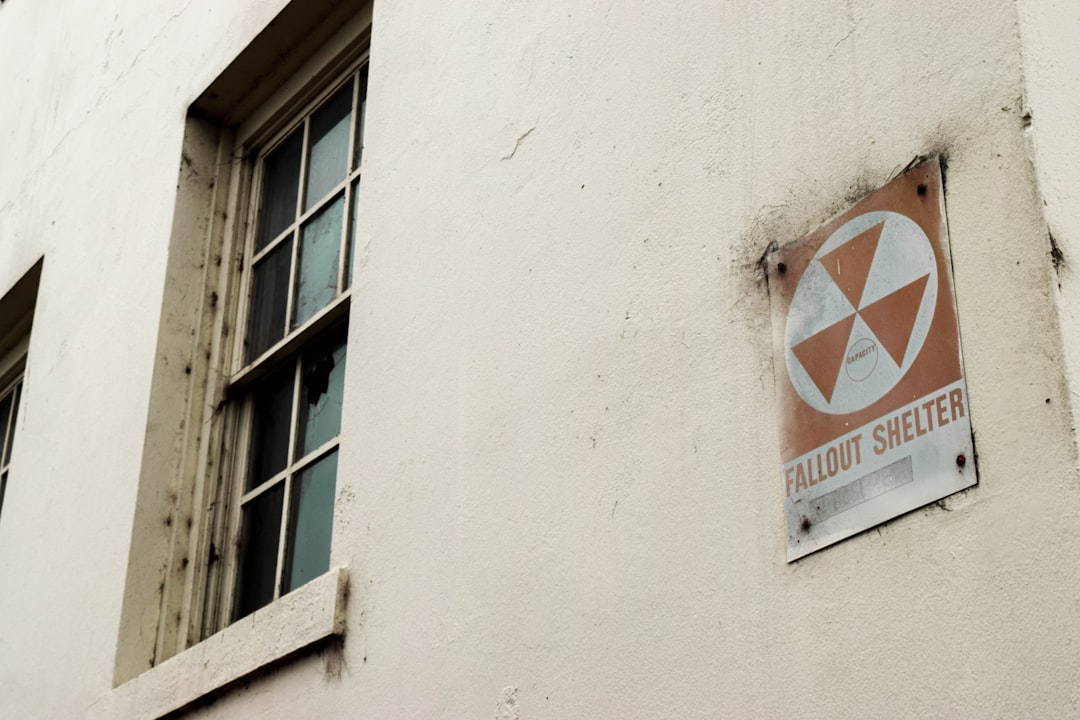
Nuclear fallout is the radioactive material that falls to the ground after a nuclear explosion or accident. When a nuclear weapon detonates, it releases enormous energy and creates a cloud of radioactive particles. Wind currents can transport these particles across large distances before they settle on the earth, contaminating the air, water, and soil.
The term “fallout” includes both the immediate debris from a nuclear explosion and the ongoing effects of radiation exposure. Fallout can result from atmospheric nuclear weapons testing and from accidents at nuclear power facilities, including the 1986 Chernobyl disaster and the 2011 Fukushima Daiichi incident.
Studying nuclear fallout is essential for understanding its effects on human health, environmental damage, and the development of global safety measures.
Key Takeaways
- Nuclear fallout consists of radioactive particles released into the atmosphere after a nuclear explosion, posing serious health and environmental risks.
- Exposure to nuclear fallout can cause acute radiation sickness, long-term cancers, and genetic damage in humans.
- Fallout spreads through wind and weather patterns, contaminating air, water, and soil over large areas.
- Governments and international organizations play a crucial role in monitoring, managing, and mitigating the effects of nuclear fallout.
- Protective measures include seeking shelter, using protective gear, and following official guidelines to reduce radiation exposure.
The Effects of Nuclear Fallout on Human Health
The health effects of nuclear fallout on humans can be severe and multifaceted. Exposure to radioactive particles can lead to acute radiation syndrome (ARS), which manifests through symptoms such as nausea, vomiting, and fatigue shortly after exposure. In more severe cases, individuals may experience damage to internal organs, leading to long-term health complications or even death.
The severity of these effects largely depends on the level of exposure and the type of radiation involved. Beyond immediate health risks, nuclear fallout poses significant long-term threats. Prolonged exposure to low levels of radiation can increase the risk of developing cancer, particularly thyroid cancer due to the uptake of radioactive iodine.
Other potential health issues include genetic mutations and reproductive problems, which can affect not only those directly exposed but also future generations. The psychological impact of living in a contaminated environment can also lead to anxiety and stress-related disorders, further complicating the overall health landscape in affected areas. The documentary provides a detailed analysis of the potential consequences of nuclear war.
The Environmental Impact of Nuclear Fallout
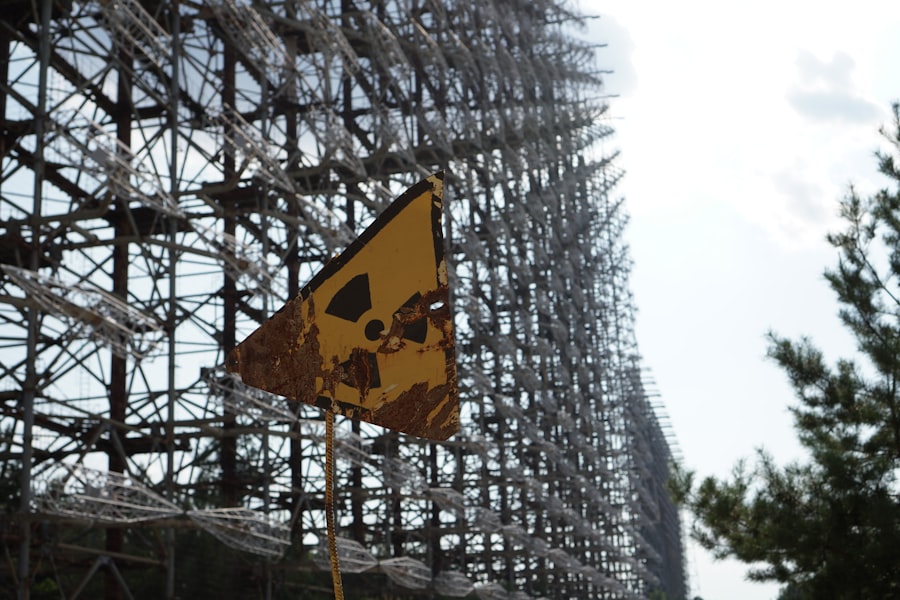
The environmental consequences of nuclear fallout are profound and far-reaching. When radioactive particles settle on land and water bodies, they disrupt ecosystems and can lead to long-lasting contamination. Soil can become inhospitable for agriculture, affecting food production and local economies.
Water sources may also become tainted, posing risks to both human populations and wildlife that rely on these resources for survival. In addition to immediate ecological damage, the effects of nuclear fallout can persist for decades or even centuries. Certain isotopes, such as cesium-137 and strontium-90, have half-lives that allow them to remain hazardous in the environment for extended periods.
This long-term contamination can lead to bioaccumulation in food chains, affecting not only plants and animals but also humans who consume contaminated food or water. The intricate balance of ecosystems can be disrupted, leading to declines in biodiversity and altering habitats irreversibly.
How Nuclear Fallout Spreads
The spread of nuclear fallout is influenced by various factors, including weather conditions, geographical features, and the nature of the explosion itself. After a nuclear detonation, a mushroom cloud forms, carrying radioactive particles high into the atmosphere. Wind patterns play a crucial role in determining how far these particles travel before settling back to the ground.
In some cases, fallout can be dispersed over hundreds or even thousands of miles from the original site of the explosion. Rainfall can exacerbate the spread of fallout by washing radioactive particles from the atmosphere down to the surface in a process known as “rainout.” This phenomenon can lead to localized contamination in areas far removed from the initial blast site. Additionally, topographical features such as mountains or valleys can influence how fallout accumulates in certain regions, creating pockets of higher radiation levels that pose unique risks to local populations.
The Long-Term Consequences of Nuclear Fallout
| Metric | Description | Typical Values / Facts | Impact |
|---|---|---|---|
| Radioactive Isotopes | Types of radioactive materials released during fallout | Cesium-137, Strontium-90, Iodine-131 | Long-term environmental contamination and health risks |
| Half-life | Time taken for half the radioactive material to decay | Cesium-137: ~30 years; Iodine-131: ~8 days | Determines duration of hazard from fallout |
| Fallout Particle Size | Size of radioactive particles in fallout | Ranges from micrometers to millimeters | Smaller particles travel farther and penetrate deeper into lungs |
| Initial Radiation Dose | Radiation exposure immediately after fallout | Can exceed 1000 mSv/hr near ground zero | Causes acute radiation sickness and death at high doses |
| Long-term Radiation Dose | Radiation exposure from residual fallout over time | Varies widely; can be several mSv/year in contaminated areas | Increases cancer risk and genetic damage |
| Environmental Persistence | Duration radioactive fallout remains hazardous in environment | Decades to centuries depending on isotopes | Long-term contamination of soil, water, and food chains |
| Decontamination Methods | Techniques to reduce fallout contamination | Soil removal, washing surfaces, chemical treatments | Reduces radiation exposure and environmental impact |
| Health Effects | Consequences of exposure to nuclear fallout | Radiation sickness, cancer, genetic mutations | Severe impact on human health and populations |
The long-term consequences of nuclear fallout extend beyond immediate health effects and environmental damage. Communities affected by fallout often face economic challenges as agricultural lands become unproductive and local industries suffer from contamination fears. The stigma associated with living in a radiologically compromised area can lead to decreased property values and hinder economic development efforts.
Socially, the psychological toll on affected populations can be significant. Individuals may experience chronic stress and anxiety related to their health and safety, leading to a decline in overall quality of life. Furthermore, the displacement of communities due to contamination can result in loss of cultural heritage and social cohesion as people are forced to relocate.
The long-term implications of nuclear fallout thus encompass not only physical health but also economic stability and social well-being.
Myths and Misconceptions About Nuclear Fallout
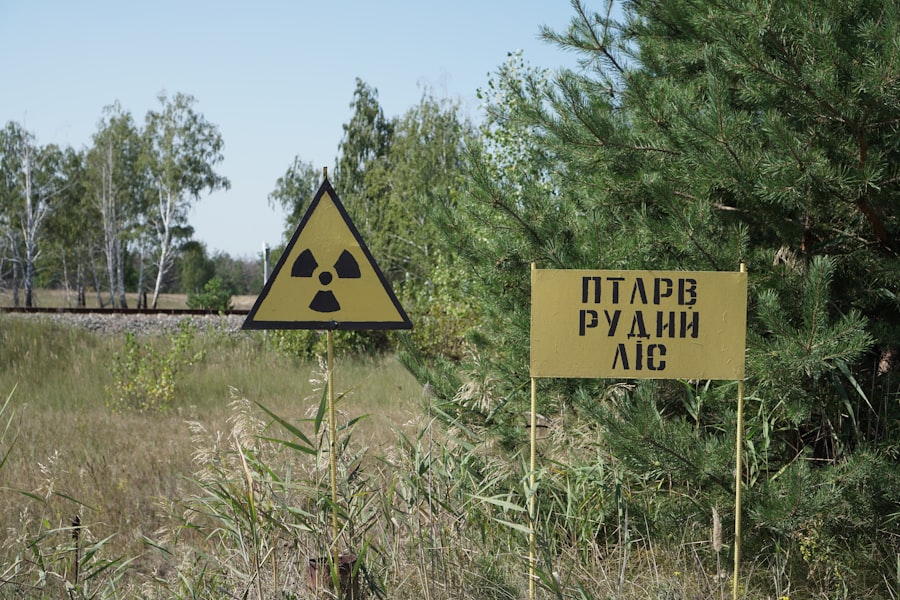
Despite extensive research on nuclear fallout, several myths and misconceptions persist in public discourse. One common belief is that all radiation is harmful at any level; however, this is not entirely accurate. While high doses of radiation are undoubtedly dangerous, low levels may not pose significant risks for many individuals.
The concept of “radiation hormesis” suggests that small amounts of radiation might even have beneficial effects by stimulating biological repair mechanisms. Another misconception is that once an area is contaminated by nuclear fallout, it remains permanently uninhabitable. While certain locations may require extensive cleanup efforts and monitoring, many areas can be rehabilitated over time through decontamination processes and natural decay of radioactive materials.
Understanding these nuances is essential for fostering informed discussions about nuclear safety and environmental recovery.
How to Protect Yourself from Nuclear Fallout
Protecting oneself from nuclear fallout involves a combination of preparedness and response strategies. In the event of a nuclear incident, individuals should seek shelter immediately in a sturdy building or underground facility if possible. Staying indoors helps reduce exposure to radioactive particles that may be present in the air outside.
Sealing windows and doors can further minimize contamination risks. Stockpiling essential supplies such as food, water, and medical kits is also advisable for those living in areas near nuclear facilities or potential targets.
Education about emergency protocols and evacuation routes is vital for ensuring safety during a nuclear event.
The History of Nuclear Fallout Incidents
The history of nuclear fallout incidents is marked by several significant events that have shaped public perception and policy regarding nuclear safety. One of the earliest instances was the atomic bombings of Hiroshima and Nagasaki during World War II, which resulted in immediate devastation and long-term health effects for survivors due to radiation exposure. These events highlighted the catastrophic potential of nuclear weapons and raised awareness about the dangers of fallout.
Subsequent incidents, such as the Chernobyl disaster in 1986 and the Fukushima Daiichi accident in 2011, further underscored the risks associated with nuclear energy production. Chernobyl released vast amounts of radioactive material into the atmosphere, leading to widespread contamination across Europe and long-lasting health consequences for those exposed. Similarly, Fukushima demonstrated how natural disasters could trigger catastrophic failures at nuclear power plants, resulting in significant environmental damage and public fear regarding radiation exposure.
The Role of Governments and International Organizations in Addressing Nuclear Fallout
Governments and international organizations play critical roles in addressing the challenges posed by nuclear fallout through regulation, research, and emergency response planning. National governments are responsible for establishing safety protocols for nuclear facilities and conducting regular inspections to ensure compliance with safety standards. They also develop emergency response plans to protect citizens in case of a nuclear incident.
International organizations such as the International Atomic Energy Agency (IAEA) work collaboratively with countries to promote safe practices in nuclear energy production and provide assistance during emergencies. These organizations facilitate information sharing among nations regarding best practices for managing nuclear fallout and support research initiatives aimed at understanding its long-term effects on health and the environment.
The Future of Nuclear Fallout and its Implications
As global reliance on nuclear energy continues to grow amid concerns about climate change, understanding the implications of nuclear fallout becomes increasingly important. Advances in technology may improve safety measures at nuclear facilities; however, the potential for accidents or attacks remains a pressing concern. The future landscape will likely involve ongoing debates about balancing energy needs with safety considerations.
Moreover, as nations navigate geopolitical tensions surrounding nuclear weapons proliferation, public awareness about fallout risks will be crucial for informed decision-making. Education campaigns aimed at demystifying nuclear issues can empower communities to advocate for safer practices while fostering resilience against potential fallout scenarios.
Resources for Further Information on Nuclear Fallout
For those seeking more information on nuclear fallout, numerous resources are available through government agencies, academic institutions, and non-profit organizations dedicated to public health and safety. The Centers for Disease Control and Prevention (CDC) provides comprehensive guidelines on radiation emergencies and protective measures individuals can take. Additionally, organizations like the World Health Organization (WHO) offer insights into health impacts related to radiation exposure while promoting research initiatives aimed at understanding long-term consequences.
Academic journals focused on environmental science and public health also publish studies that delve into various aspects of nuclear fallout, contributing valuable knowledge to this critical field. In conclusion, understanding nuclear fallout encompasses a wide array of topics ranging from its definition to its long-term implications on human health and the environment. As society continues to grapple with the complexities surrounding nuclear technology, informed discussions will be essential for ensuring safety and preparedness in an uncertain future.
For those interested in understanding the real truth about nuclear fallout, a comprehensive resource can be found in the article on Real Lore and Order. This article delves into the myths and facts surrounding nuclear fallout, providing readers with essential information to better grasp the implications of nuclear events on health and the environment.
WATCH THIS! ☢️ Nuclear War in 2026: The Real Risks, New Weapons & How Close We Are
FAQs
What is nuclear fallout?
Nuclear fallout refers to the residual radioactive material propelled into the upper atmosphere following a nuclear explosion or accident. This material eventually falls back to the Earth’s surface, contaminating the environment.
How does nuclear fallout affect human health?
Exposure to nuclear fallout can lead to acute radiation sickness, increased risk of cancer, genetic mutations, and other health issues depending on the level and duration of exposure.
How long does nuclear fallout remain dangerous?
The danger from nuclear fallout decreases over time as radioactive isotopes decay. Some isotopes lose their radioactivity within days, while others can remain hazardous for years or even decades.
What areas are most affected by nuclear fallout?
Areas closest to the nuclear explosion or accident site are most affected. However, fallout can be carried by wind over long distances, potentially contaminating regions far from the original site.
Can nuclear fallout be cleaned up?
Cleanup is possible but challenging. It involves removing contaminated soil, washing surfaces, and sometimes restricting access to affected areas until radiation levels decrease to safe limits.
How can people protect themselves from nuclear fallout?
Protection measures include seeking shelter indoors, preferably in basements or central rooms, sealing windows and doors, avoiding contaminated food and water, and following official safety instructions.
Is nuclear fallout only caused by nuclear weapons?
No, nuclear fallout can result from nuclear weapons detonations, nuclear reactor accidents, and certain nuclear tests conducted in the atmosphere.
What are common misconceptions about nuclear fallout?
A common misconception is that fallout causes immediate death to everyone in the affected area. In reality, the severity of effects depends on exposure levels, and many people can survive with proper protection and medical care.
How does nuclear fallout impact the environment?
Fallout can contaminate soil, water, and vegetation, leading to long-term ecological damage, affecting wildlife, agriculture, and natural ecosystems.
Are there international regulations regarding nuclear fallout?
Yes, international treaties like the Partial Test Ban Treaty and the Comprehensive Nuclear-Test-Ban Treaty aim to limit nuclear testing and reduce the risk of nuclear fallout globally.