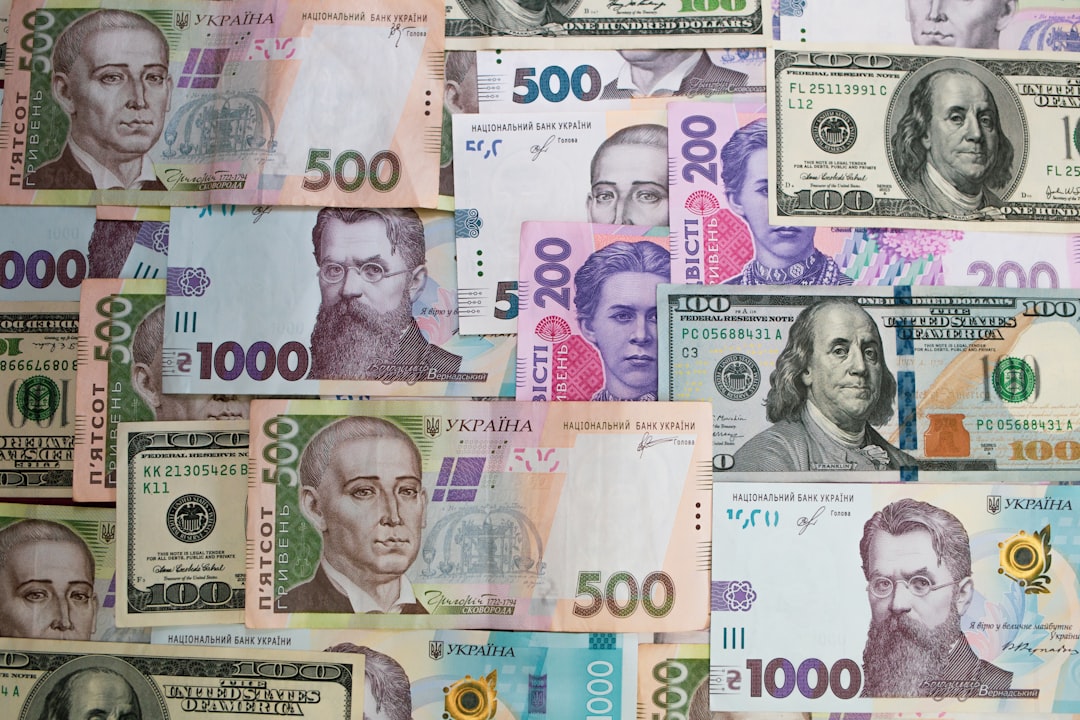
In recent years, the concept of multipolar money has gained significant attention in global finance discussions. The international financial system has historically operated under a unipolar structure, with the United States dollar serving as the dominant reserve currency. However, evolving global economic conditions are driving the development of multiple influential currencies and financial centers, fundamentally altering international trade and investment patterns.
Multipolar money describes a financial framework in which several currencies maintain substantial global influence, creating a more distributed allocation of monetary power across nations. This transformation reflects current economic realities and demonstrates the increasing role of varied financial instruments in international commerce. The development of multipolar money corresponds with significant geopolitical changes, as emerging economies expand their global economic presence.
Nations including China, India, and Brazil are increasing their economic influence while promoting greater monetary system diversification. This transition creates distinct challenges and opportunities for both established financial powers and developing markets. Understanding the implications of multipolar money is essential for policymakers, businesses, and investors operating within the evolving global economic environment.
Key Takeaways
- Multipolar money reflects a shift from a single dominant currency to multiple influential currencies in global finance.
- Emerging economies play a crucial role in shaping the multipolar financial system by increasing their economic influence.
- Digital currencies are becoming key components in the evolving multipolar financial landscape.
- Multipolar money introduces both challenges and opportunities for global trade and financial stability.
- International organizations are essential in regulating and managing the complexities of a multipolar financial system.
The Shift from Unipolar to Multipolar Financial Systems
The transition from a unipolar to a multipolar financial system is marked by several key developments that have redefined the global economic order. Historically, the United States dollar served as the world’s primary reserve currency, facilitating international trade and investment. However, this dominance has been challenged by the rise of alternative currencies and financial hubs.
The euro, for instance, has emerged as a significant player in global finance, while the Chinese yuan is increasingly being used in international transactions. This diversification reflects a growing recognition among nations that reliance on a single currency can pose risks, particularly in times of economic uncertainty. As countries seek to reduce their dependence on the dollar, they are exploring various strategies to promote their own currencies.
Bilateral trade agreements that bypass the dollar, currency swaps between central banks, and the establishment of regional payment systems are all part of this shift towards a multipolar financial system.
The implications of this transition are profound, as it challenges the established norms of global finance and encourages a more equitable distribution of economic power among nations.
The Role of Emerging Economies in Multipolar Money
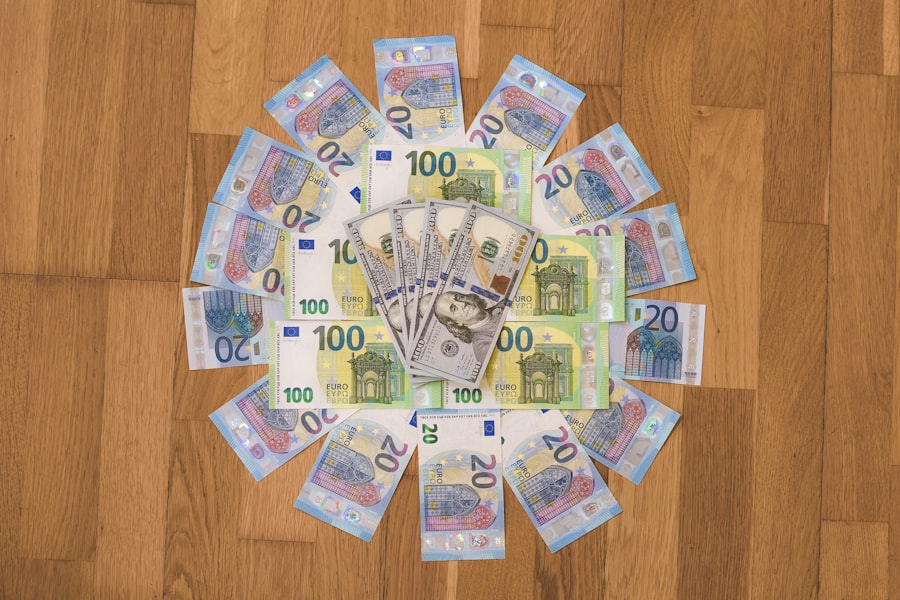
Emerging economies play a pivotal role in the evolution of multipolar money, as they seek to assert their influence in the global financial arena. Countries like China and India have experienced rapid economic growth, positioning themselves as key players in international trade and investment. Their increasing participation in global markets has led to a demand for greater representation in financial institutions and decision-making processes.
As these nations continue to expand their economic reach, they are also advocating for a more inclusive monetary system that reflects the realities of a multipolar world. The rise of emerging economies has prompted established powers to reconsider their approach to global finance. For instance, China’s Belt and Road Initiative aims to enhance connectivity and trade across Asia and beyond, while simultaneously promoting the yuan as a viable alternative to the dollar.
Similarly, India has been actively engaging with other nations to strengthen economic ties and promote its currency in international transactions. This shift not only empowers emerging economies but also encourages collaboration among nations to create a more balanced financial system that benefits all parties involved.
The Impact of Multipolar Money on Global Trade
The emergence of multipolar money is reshaping global trade dynamics in significant ways. As countries diversify their currency usage in international transactions, traditional trade patterns are being disrupted. Businesses are increasingly exploring options to conduct trade in currencies other than the dollar, which can lead to reduced transaction costs and enhanced competitiveness.
This shift allows nations to engage in trade agreements that better reflect their economic interests and reduce vulnerability to fluctuations in the dollar’s value. Moreover, multipolar money fosters greater regional integration by encouraging countries to strengthen economic ties with neighboring nations. For instance, countries within the Association of Southeast Asian Nations (ASEAN) are exploring ways to facilitate trade using local currencies, thereby reducing reliance on external currencies.
This trend not only promotes intra-regional trade but also enhances economic resilience by creating a more interconnected network of trade relationships. As multipolar money continues to gain traction, businesses must adapt their strategies to navigate this evolving landscape and seize new opportunities for growth.
The Rise of Digital Currencies in a Multipolar Financial Landscape
| Metric | Description | Value / Example | Unit |
|---|---|---|---|
| Number of Reserve Currencies | Count of currencies widely held by governments and institutions as part of foreign exchange reserves | 5 | currencies |
| Global Trade Share | Percentage of global trade invoiced in non-US dollar currencies | 40 | % |
| Foreign Exchange Market Share | Percentage of daily forex turnover by currency | 20 | % (example for Euro) |
| Central Bank Gold Reserves | Amount of gold held by central banks as part of monetary reserves | 35,000 | metric tons |
| Number of Major Currency Blocs | Distinct economic regions with dominant currencies | 3 | blocs |
| Cross-border Payment Systems | Number of major international payment systems supporting multipolar currency use | 4 | systems |
| Percentage of SDR Basket | Share of each currency in the IMF’s Special Drawing Rights basket | 41 (USD), 30 (EUR), 11 (CNY), 8 (JPY), 8 (GBP) | % |
The advent of digital currencies has further accelerated the transition towards a multipolar financial system. Central banks around the world are exploring the potential of Central Bank Digital Currencies (CBDCs) as a means to enhance monetary policy effectiveness and improve payment systems. These digital currencies offer several advantages, including faster transaction speeds, lower costs, and increased financial inclusion for unbanked populations.
As countries develop their own CBDCs, they are also positioning themselves within the multipolar money framework. The rise of cryptocurrencies has also contributed to this shift, as decentralized digital assets challenge traditional notions of currency and value. While regulatory concerns persist, cryptocurrencies have gained popularity as alternative means of exchange and store of value.
This trend reflects a growing desire among individuals and businesses to explore new financial instruments that operate outside conventional banking systems. As digital currencies continue to evolve, they will play an increasingly important role in shaping the future of multipolar money and influencing how transactions are conducted on a global scale.
Challenges and Opportunities in a Multipolar Financial System

While the transition to a multipolar financial system presents numerous opportunities, it also poses significant challenges that must be addressed. One major concern is the potential for increased volatility in exchange rates as multiple currencies vie for prominence in international markets. This volatility can create uncertainty for businesses engaged in cross-border trade and investment, making it essential for companies to develop robust risk management strategies to navigate fluctuating currency values.
As countries adopt different monetary policies and regulatory approaches, inconsistencies may arise that complicate international transactions. Policymakers must work collaboratively to establish common standards that promote transparency and stability while fostering innovation in financial markets.
By addressing these challenges head-on, nations can harness the potential benefits of multipolar money while mitigating risks associated with increased complexity in global finance.
The Role of International Organizations in Regulating Multipolar Money
International organizations play a crucial role in regulating multipolar money and ensuring stability within the global financial system. Institutions such as the International Monetary Fund (IMF) and the World Bank are tasked with promoting international monetary cooperation and providing guidance on best practices for managing currency fluctuations. As multipolar money gains prominence, these organizations must adapt their frameworks to address the unique challenges posed by a more diversified monetary landscape.
Furthermore, regional organizations such as the European Union (EU) and ASEAN are increasingly taking on regulatory responsibilities related to currency management and trade facilitation. By fostering collaboration among member states, these organizations can help create a more cohesive approach to managing multipolar money while promoting economic growth and stability within their respective regions. The effectiveness of these organizations will be critical in navigating the complexities of a multipolar financial system and ensuring that it operates smoothly for all participants.
The Influence of Multipolar Money on Geopolitical Dynamics
The rise of multipolar money is intricately linked to shifting geopolitical dynamics as nations reassess their positions within the global order. As emerging economies gain influence through their participation in international finance, traditional powers may find their dominance challenged. This shift can lead to increased competition for resources, markets, and investment opportunities as countries seek to assert their interests within a multipolar framework.
Moreover, multipolar money can serve as a tool for geopolitical leverage, as nations use their currencies to strengthen alliances or exert pressure on rivals. For instance, countries may choose to conduct trade with partners who share similar political ideologies or strategic interests, thereby reinforcing geopolitical ties through economic means. As nations navigate this complex landscape, understanding the interplay between finance and geopolitics will be essential for policymakers seeking to advance their national interests while maintaining stability in an increasingly interconnected world.
The Future of Multipolar Money: Trends and Projections
Looking ahead, several trends are likely to shape the future of multipolar money as countries adapt to an evolving financial landscape. One key trend is the continued rise of digital currencies, which are expected to play an increasingly prominent role in international transactions. As central banks explore CBDCs and private cryptocurrencies gain acceptance, the way people conduct business may undergo significant transformation.
Additionally, greater emphasis on sustainability and ethical finance is likely to influence how countries approach monetary policy and investment strategies. As environmental concerns become more pressing, nations may prioritize green finance initiatives that align with their economic goals while addressing climate change challenges. This focus on sustainability could further diversify the financial landscape and promote collaboration among countries committed to fostering responsible economic growth.
The Implications of Multipolar Money for Global Financial Stability
The emergence of multipolar money carries important implications for global financial stability that cannot be overlooked. While diversification can enhance resilience against shocks associated with reliance on a single currency, it also introduces new complexities that require careful management. Policymakers must remain vigilant about potential risks associated with increased currency volatility and ensure that appropriate safeguards are in place to mitigate these risks.
Moreover, fostering cooperation among nations will be essential for maintaining stability within a multipolar financial system. Collaborative efforts aimed at establishing common regulatory standards and promoting transparency will help build trust among participants while reducing uncertainty in international markets. By prioritizing stability alongside innovation, countries can navigate the challenges posed by multipolar money while reaping its potential benefits.
Navigating the New Multipolar Financial Landscape
As the world transitions towards a multipolar financial system, understanding its implications becomes increasingly vital for all stakeholders involved—governments, businesses, investors, and consumers alike. The rise of emerging economies, digital currencies, and new regulatory frameworks presents both challenges and opportunities that require careful navigation. By embracing collaboration and fostering innovation within this evolving landscape, nations can work together to create a more balanced and resilient global financial system.
Ultimately, navigating this new multipolar financial landscape will require adaptability and foresight from all participants. As countries strive to assert their interests while promoting stability within an interconnected world economy, they must remain committed to fostering cooperation that transcends borders. In doing so, they can harness the potential benefits of multipolar money while ensuring that it contributes positively to global prosperity and stability for generations to come.
The concept of a multipolar money system is gaining traction as nations seek alternatives to traditional financial structures dominated by a single currency. This shift is explored in greater detail in the article available at Real Lore and Order, which discusses the implications of a multipolar approach on global trade and economic stability. As countries diversify their monetary systems, understanding these dynamics becomes crucial for navigating the future of international finance.
FAQs
What is a multipolar money system?
A multipolar money system is a financial framework where multiple currencies or forms of money coexist and are used for transactions, savings, and reserves, rather than relying on a single dominant currency.
How does a multipolar money system differ from a unipolar system?
In a unipolar money system, one currency (such as the US dollar) dominates global trade and finance. In contrast, a multipolar system features several currencies sharing significant roles in international markets, reducing dependence on any single currency.
What are the advantages of a multipolar money system?
Advantages include increased financial stability, reduced currency risk, greater economic sovereignty for countries, and a more balanced global economic influence among nations.
What challenges are associated with a multipolar money system?
Challenges include increased complexity in international trade and finance, potential currency volatility, difficulties in exchange rate management, and the need for enhanced coordination among central banks.
Which currencies are typically involved in a multipolar money system?
Commonly involved currencies include the US dollar, Euro, Chinese yuan, Japanese yen, British pound, and sometimes regional currencies or digital currencies, depending on the context.
How does a multipolar money system impact global trade?
It can diversify trade settlement options, reduce reliance on a single currency, and potentially lower transaction costs and exchange rate risks, but it may also require more complex currency management strategies.
Is a multipolar money system more stable than a unipolar system?
A multipolar system can enhance stability by distributing economic influence and reducing systemic risks tied to one currency, but it may also introduce new risks related to currency competition and coordination challenges.
What role do central banks play in a multipolar money system?
Central banks manage their national currencies, intervene in foreign exchange markets, coordinate monetary policies, and may collaborate to maintain stability and facilitate smooth currency exchanges.
Can digital currencies influence the development of a multipolar money system?
Yes, digital currencies, including central bank digital currencies (CBDCs) and cryptocurrencies, can contribute to a multipolar system by providing alternative means of payment and store of value beyond traditional fiat currencies.
Is the current global monetary system moving towards multipolarity?
Many experts observe trends toward multipolarity due to geopolitical shifts, economic growth in emerging markets, and efforts to diversify reserves and trade currencies, although the US dollar remains dominant.