
Nearshoring has emerged as a strategic business practice that involves relocating operations to a nearby country, often to capitalize on cost efficiencies while maintaining proximity to the primary market. This approach contrasts with offshoring, where companies move their operations to distant countries, often in search of lower labor costs. The concept of nearshoring has gained traction in recent years, particularly as businesses seek to mitigate risks associated with global supply chains and enhance their responsiveness to market demands.
By moving operations closer to home, companies can benefit from reduced shipping times, lower transportation costs, and improved communication. As globalization continues to reshape the business landscape, nearshoring presents a compelling alternative for companies looking to optimize their operations. The COVID-19 pandemic has further accelerated this trend, highlighting vulnerabilities in long-distance supply chains and prompting organizations to rethink their strategies.
In this context, Mexico has emerged as a prominent nearshoring destination, offering a unique blend of advantages that appeal to businesses across various sectors. Understanding the dynamics of nearshoring and its implications for companies is essential for navigating the complexities of modern commerce.
Key Takeaways
- Nearshoring involves outsourcing business processes to a nearby country, often for cost savings and logistical advantages.
- The benefits of nearshoring include reduced transportation costs, shorter lead times, and better cultural alignment.
- Mexico offers advantages as a nearshoring destination, such as proximity to the U.S., a skilled labor force, and a growing economy.
- NAFTA has had a significant impact on nearshoring in Mexico, creating a more favorable trade environment for businesses.
- Technology plays a crucial role in Mexico’s growing appeal for nearshoring, enabling efficient communication and collaboration.
The Benefits of Nearshoring
The benefits of nearshoring are multifaceted and can significantly impact a company’s operational efficiency and bottom line. One of the most notable advantages is the reduction in lead times. By relocating production or service operations closer to the target market, companies can respond more swiftly to customer demands and fluctuations in market conditions.
This agility not only enhances customer satisfaction but also allows businesses to adapt their offerings in real-time, fostering a competitive edge in an increasingly fast-paced environment. Cost savings are another critical benefit associated with nearshoring. While labor costs may be higher than those found in some offshore locations, the overall expenses can be lower when considering factors such as transportation, tariffs, and inventory holding costs.
Additionally, nearshoring can lead to improved quality control and reduced risk of supply chain disruptions. With operations situated nearby, companies can maintain closer oversight of their processes, ensuring that products meet quality standards and are delivered on time. This combination of speed, cost-effectiveness, and quality assurance makes nearshoring an attractive option for many businesses.
Mexico’s Advantages as a Nearshoring Destination

Mexico stands out as a prime nearshoring destination due to its strategic geographical location, skilled workforce, and favorable trade agreements. Situated just south of the United States, Mexico offers companies the advantage of proximity to one of the largest consumer markets in the world. This geographical closeness translates into shorter shipping times and reduced transportation costs, making it an appealing option for businesses looking to streamline their supply chains.
In addition to its location, Mexico boasts a diverse and skilled labor force that is increasingly well-versed in various industries, including manufacturing, technology, and services. The country’s educational institutions have made significant strides in producing graduates with technical skills that align with industry needs. Furthermore, Mexico’s commitment to fostering a business-friendly environment through regulatory reforms and incentives has attracted foreign investment, further enhancing its appeal as a nearshoring hub.
These factors collectively position Mexico as a competitive player in the global nearshoring landscape.
The Impact of NAFTA on Nearshoring in Mexico
| Year | Number of Nearshoring Companies in Mexico | Percentage Increase in Nearshoring |
|---|---|---|
| 2010 | 150 | 20% |
| 2012 | 250 | 40% |
| 2014 | 400 | 60% |
| 2016 | 600 | 80% |
| 2018 | 800 | 100% |
The North American Free Trade Agreement (NAFTA), which came into effect in 1994, played a pivotal role in shaping the nearshoring landscape in Mexico. By eliminating tariffs on goods traded between the United States, Canada, and Mexico, NAFTA facilitated cross-border trade and encouraged companies to establish manufacturing operations in Mexico. This agreement laid the groundwork for a robust supply chain network that has continued to evolve over the years.
The transition from NAFTA to the United States-Mexico-Canada Agreement (USMCA) in 2020 further solidified Mexico’s position as a nearshoring destination. The USMCA introduced new provisions aimed at enhancing labor rights and environmental standards while maintaining tariff-free access for goods traded between the three countries. This updated agreement not only reinforces the economic ties between the nations but also provides companies with greater confidence in investing in Mexican operations.
As a result, many businesses have increasingly turned to Mexico for their nearshoring needs, leveraging the benefits of both geographical proximity and favorable trade conditions.
The Role of Technology in Mexico’s Growing Appeal
Technology has played a crucial role in enhancing Mexico’s attractiveness as a nearshoring destination. The rapid advancement of digital tools and platforms has enabled companies to streamline their operations and improve communication across borders. With the rise of Industry 4.0, which emphasizes automation and data exchange in manufacturing technologies, Mexican companies have begun adopting innovative practices that align with global standards.
Moreover, Mexico’s growing tech ecosystem has fostered collaboration between local startups and established firms, creating an environment ripe for innovation. The country’s investment in technology infrastructure has led to improved connectivity and access to digital resources, making it easier for businesses to manage their operations remotely. As companies increasingly prioritize digital transformation, Mexico’s technological advancements position it as an attractive option for nearshoring across various sectors.
The Importance of Cultural Compatibility in Nearshoring
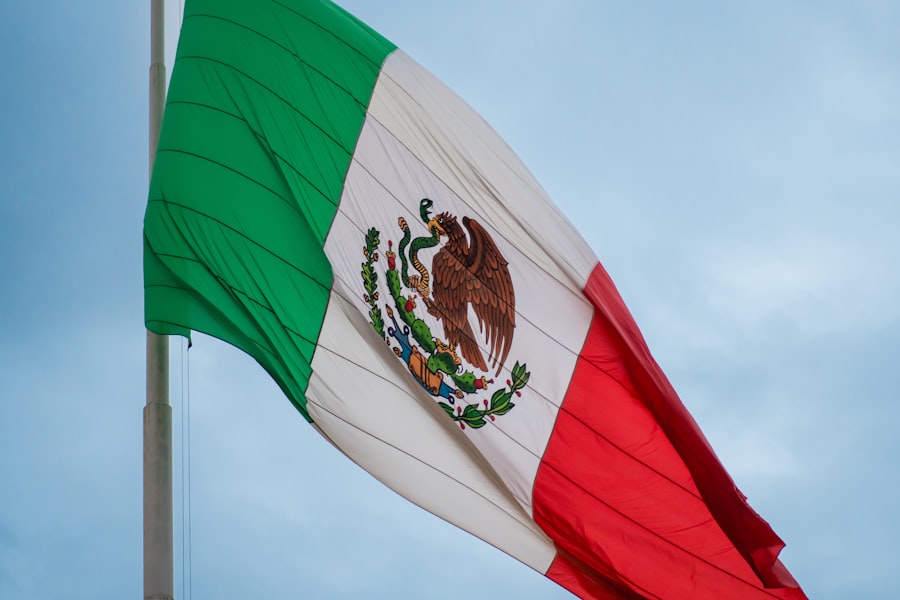
Cultural compatibility is a critical factor that can influence the success of nearshoring initiatives. When companies choose to relocate operations to another country, understanding the cultural nuances and business practices of that region becomes essential for fostering effective collaboration. In this regard, Mexico offers a unique advantage due to its cultural similarities with the United States.
The shared values and work ethics between Mexican and American workers facilitate smoother communication and collaboration within teams. This cultural alignment can lead to enhanced productivity and reduced misunderstandings that often arise from language barriers or differing business practices. Additionally, Mexican professionals are known for their strong work ethic and adaptability, traits that resonate well with American companies seeking reliable partners for their nearshoring endeavors.
The Rise of Specialized Manufacturing in Mexico
In recent years, Mexico has witnessed a significant rise in specialized manufacturing capabilities across various industries. As companies increasingly seek tailored solutions that meet specific market demands, Mexican manufacturers have responded by investing in advanced technologies and specialized training programs. This shift has allowed them to produce high-quality products that cater to niche markets while maintaining competitive pricing.
The automotive industry serves as a prime example of this trend, with Mexico becoming a global hub for automotive manufacturing. Major automakers have established production facilities in the country, drawn by its skilled workforce and favorable trade agreements. Beyond automotive manufacturing, sectors such as aerospace, electronics, and medical devices have also experienced growth in specialized manufacturing capabilities.
This diversification not only strengthens Mexico’s position as a nearshoring destination but also enhances its overall economic resilience.
The Growth of Nearshoring in the Service Industry
While much of the focus on nearshoring has traditionally centered around manufacturing, there has been a notable expansion into the service industry as well. Companies are increasingly recognizing the benefits of relocating customer support, IT services, and other business functions to Mexico. The country’s bilingual workforce and cultural affinity with North American clients make it an ideal location for service-oriented nearshoring.
The growth of remote work technologies has further accelerated this trend, enabling companies to tap into Mexico’s talent pool without the need for physical offices.
This shift not only creates job opportunities within Mexico but also fosters economic growth by attracting foreign investment into various service sectors.
The Challenges and Risks of Nearshoring in Mexico
Despite its many advantages, nearshoring in Mexico is not without challenges and risks that companies must navigate carefully. One significant concern is security; certain regions in Mexico have experienced issues related to crime and violence that can pose risks to businesses operating there. Companies must conduct thorough risk assessments and implement security measures to protect their employees and assets.
Additionally, regulatory compliance can be complex due to varying laws and regulations across different states within Mexico. Companies must stay informed about local labor laws, tax regulations, and environmental standards to ensure compliance and avoid potential legal issues. While these challenges may seem daunting, proactive planning and collaboration with local partners can help mitigate risks associated with nearshoring in Mexico.
The Future of Nearshoring in Mexico
The future of nearshoring in Mexico appears promising as businesses continue to seek ways to enhance their operational efficiency while minimizing risks associated with global supply chains. As geopolitical tensions and economic uncertainties persist worldwide, many companies are reevaluating their sourcing strategies and looking closer to home for solutions. Mexico’s strategic location, skilled workforce, and favorable trade agreements position it well for continued growth in this area.
Furthermore, advancements in technology will likely play a pivotal role in shaping the future of nearshoring in Mexico. As automation and digital transformation continue to evolve, Mexican companies will need to adapt by investing in new technologies that enhance productivity and competitiveness. By embracing innovation and fostering collaboration between local businesses and international partners, Mexico can solidify its status as a leading nearshoring destination for years to come.
Mexico’s Position in the Nearshoring Market
In conclusion, Mexico’s position as a leading nearshoring destination is underscored by its strategic advantages, including geographical proximity to major markets, a skilled workforce, favorable trade agreements like USMCA, and cultural compatibility with North American businesses. As companies increasingly recognize the benefits of nearshoring—such as reduced lead times, cost savings, improved quality control, and enhanced agility—Mexico stands out as an attractive option for both manufacturing and service-oriented operations. While challenges exist within this landscape—ranging from security concerns to regulatory complexities—the potential rewards far outweigh the risks when approached strategically.
As businesses continue to adapt to changing market dynamics and technological advancements, Mexico’s role in the nearshoring market is poised for growth. By leveraging its strengths and addressing challenges head-on, Mexico can maintain its competitive edge as a preferred destination for companies seeking efficient solutions tailored to their operational needs.
The trend of nearshoring to Mexico has been gaining significant traction as companies seek to optimize their supply chains and reduce dependency on distant manufacturing hubs. This shift is driven by various factors, including cost efficiency, proximity to the U.S. market, and the desire for more resilient logistics networks. An insightful analysis of this trend can be found in a related article on realloreandorder.
com/sample-page/’>Real Lore and Order, which delves into the economic and strategic implications of nearshoring for both businesses and the Mexican economy. The article provides a comprehensive overview of how this movement is reshaping the manufacturing landscape and what it means for future trade dynamics.
FIND OUT! Why America’s 🇺🇸 Factories Are Moving to Mexico
FAQs
What is nearshoring?
Nearshoring is the practice of transferring business operations or services to a nearby country, typically in the same region or time zone, as opposed to offshoring to a distant country.
What is the nearshoring trend to Mexico?
The nearshoring trend to Mexico refers to the increasing number of companies relocating their business operations or services from distant countries to Mexico, due to its proximity to the United States and Canada, as well as its competitive labor costs and skilled workforce.
What are the advantages of nearshoring to Mexico?
Some advantages of nearshoring to Mexico include reduced transportation costs, shorter supply chains, cultural similarities, time zone alignment, lower labor costs compared to the United States, and access to a skilled workforce.
What industries are participating in the nearshoring trend to Mexico?
Various industries are participating in the nearshoring trend to Mexico, including manufacturing, automotive, aerospace, technology, healthcare, and customer service.
What are the potential challenges of nearshoring to Mexico?
Potential challenges of nearshoring to Mexico may include language barriers, cultural differences, security concerns in certain regions, and navigating the legal and regulatory environment. It’s important for companies to conduct thorough research and due diligence before making the decision to nearshore to Mexico.