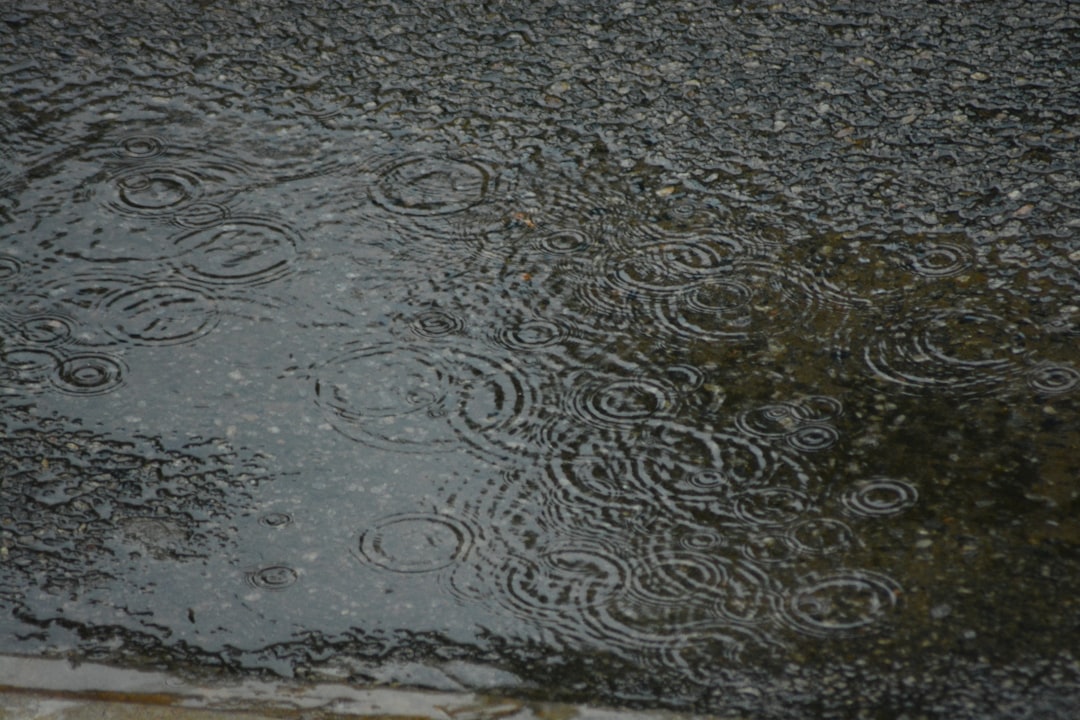
The atmosphere, that vast, invisible ocean that cradles our planet, is a dynamic and often tempestuous realm. Within its swirling currents and cascading gradients, phenomena can arise that, to the casual observer, might seem like divine pronouncements or inexplicable curses. One such phenomenon, often leaving a trail of destruction in its wake, is deadly rain. These are not mere showers that inconvenience outdoor plans; these are deluges that can reshape landscapes, threaten ecosystems, and claim lives. Understanding the science behind these deadly rain events is crucial, not for the sake of morbid fascination, but for preparedness, protection, and ultimately, survival.
When we speak of deadly rain, we are referring to precipitation events that, due to their intensity, duration, composition, or associated secondary effects, pose a significant threat to human life, infrastructure, and the environment. This broad definition encompasses several distinct types of hazardous rainfall, each with its own scientific underpinnings and destructive potential. It is not simply about the volume of water, but the context in which it falls, the conditions that foster its formation, and the vulnerabilities of the systems it impacts.
Intense Rainfall and Flash Flooding
One of the most direct pathways to a deadly rain event is sheer intensity. When atmospheric moisture condenses and falls at an extraordinary rate, it overwhelms natural drainage systems and artificial infrastructure alike. This is the genesis of flash floods, where rivers and streams can swell from a trickle to a raging torrent in a matter of minutes, as if a dam had instantly burst.
Meteorological Triggers for Intense Rainfall
The genesis of such intense rainfall often lies in specific meteorological configurations. These are the cosmic chess moves that lead to a downpour of epic proportions.
Convection and Thunderstorms
The engine behind many torrential downpours is deep convection. Imagine columns of warm, moist air rising rapidly through the atmosphere, like a powerful thermals carrying a bird aloft. As this air ascends, it cools, and its water vapor condenses, forming towering cumulonimbus clouds – the architects of thunderstorms. When these updrafts are particularly strong and sustained, they can loft vast quantities of moisture to great heights, allowing for the formation of incredibly large raindrops and an immense volume of water to be released in a concentrated burst. The energy released by condensation, known as latent heat, further fuels the updraft, creating a self-sustaining cycle of intense precipitation.
Orographic Lift and Rain Shadow Effects
In mountainous regions, topography plays a crucial role. As air masses encounter mountain ranges, they are forced to rise. This process, known as orographic lift, cools the air, leading to condensation and precipitation. If the prevailing winds are laden with moisture, the windward slopes of mountains can experience exceptionally high rainfall totals, sometimes for extended periods, contributing to deadly rainfall events and the associated risk of landslides and debris flows. Conversely, the leeward side of mountains often falls into a “rain shadow,” receiving significantly less precipitation.
Tropical Cyclones and Monsoons
Tropical cyclones, also known as hurricanes or typhoons, are colossal heat engines that draw their energy from warm ocean waters. They are characterized by incredibly strong winds and, crucially, torrential rainfall that can persist for days, inundating vast areas and leading to catastrophic flooding. Similarly, monsoon systems, driven by seasonal shifts in atmospheric pressure and temperature, can deliver prolonged periods of heavy rainfall, particularly in South and Southeast Asia, which can overwhelm river systems and cause widespread inundation. These are not isolated storms, but complex weather systems that can act as atmospheric rivers, carrying and dumping immense quantities of water over land.
The Poisoned Chalice: Toxic Rain Phenomena
Beyond the sheer volume of water, rain itself can become a deadly agent through the presence of harmful substances. This is where the atmosphere, instead of merely acting as a conduit for water, becomes a vehicle for toxins.
Acid Rain: A Slow Burn
Acid rain, while generally not causing immediate fatalities, represents a significant environmental threat that can have long-term deadly consequences. It is formed when sulfur dioxide and nitrogen oxides, released primarily from the burning of fossil fuels in power plants and vehicles, react with water, oxygen, and other chemicals in the atmosphere to form sulfuric and nitric acids.
Sources of Atmospheric Pollutants
The primary culprits in acid rain formation are anthropogenic emissions. Coal-fired power plants are notorious for releasing vast quantities of sulfur dioxide, while vehicle exhaust is a major source of nitrogen oxides. Industrial processes also contribute to the atmospheric burden of these precursors. Natural sources, such as volcanic eruptions and lightning, also release these substances, but the sheer scale of human activity has made it the dominant factor in recent decades.
The Chemical Cascade in the Atmosphere and on the Ground
Once released, these gases can travel long distances before undergoing chemical transformations. In the presence of sunlight and water vapor, they are converted into acids. These acids then fall to the Earth’s surface, either dissolved in rain, fog, or snow (wet deposition) or as tiny particles (dry deposition). This acidic cocktail can then interact with soil, lakes, rivers, and buildings, causing a cascade of detrimental effects on ecosystems and infrastructure.
Heavy Metals and Other Contaminants
In heavily industrialized areas or regions affected by industrial accidents, rain can become contaminated by heavy metals such as lead, mercury, and cadmium, or other industrial chemicals. These contaminants can be washed out of the atmosphere from industrial emissions or can be mobilized from soil and surface waters by acidic precipitation.
Industrial Emissions and Accidental Releases
Industrial facilities, particularly those involved in mining, smelting, and chemical manufacturing, can release heavy metals into the atmosphere as fine particulate matter. Accidental releases, such as explosions at chemical plants or mining spills, can also lead to the widespread dispersal of toxic substances.
Bioaccumulation and Long-Term Health Impacts
When these contaminated rains fall, they can enter food chains. Heavy metals, for example, are persistent pollutants that can bioaccumulate in organisms, meaning their concentration increases as they move up the food chain. This can lead to severe health problems in animals and humans who consume contaminated food or water, including neurological damage, developmental issues, and various forms of cancer.
The Avalanche Effect: Catastrophic Secondary Impacts
The deadliest aspects of rain phenomena are often not the direct impact of the water itself, but the domino effect of destructive secondary impacts that follow. These are the unforeseen consequences that transform a heavy downpour into a full-blown disaster.
Landslides and Debris Flows
Saturated soil loses its structural integrity, becoming a heavy, unstable mass. Prolonged or intense rainfall can trigger landslides, where vast quantities of earth, rock, and vegetation slide down slopes. In mountainous terrain, this can manifest as debris flows, often referred to as mudslides, which are fast-moving torrents of mud, rocks, and debris capable of devastating anything in their path.
Soil Saturation and Slope Instability
When rain infiltrates the ground, it fills the pore spaces between soil particles. If the rate of rainfall exceeds the rate of drainage, the soil becomes saturated. This saturation increases pore water pressure, effectively reducing the friction between soil particles and weakening the soil’s shear strength. This makes slopes more susceptible to failure, especially steeper slopes or those with underlying less permeable layers.
Influence of Geology and Vegetation
The underlying geology of a region plays a significant role in landslide susceptibility. Certain rock types and soil compositions are more prone to failure when saturated. Furthermore, vegetation acts as a natural anchor for soil. Deforestation or the removal of vegetation can significantly increase the risk of landslides, as there are fewer roots to bind the soil together.
Infrastructure Failure and Human Displacement
The sheer force of floodwaters and their erosive power can decimate bridges, roads, dams, and buildings. When infrastructure fails, it can create cascading failures, cutting off escape routes, disrupting emergency services, and exacerbating the loss of life and property. This often leads to mass displacement of populations, as homes become uninhabitable and entire communities are rendered vulnerable.
Erosion and Scouring Effects
Floodwaters, particularly fast-moving ones, possess immense erosive power. They can scour away the foundations of bridges and buildings, undermining their structural integrity. Eroded soil can also clog drainage systems, further exacerbating flooding.
Critical Infrastructure Vulnerability
Critical infrastructure, such as power grids, water treatment plants, and communication networks, are often located in areas susceptible to flooding. Their failure during a rain event can have far-reaching consequences, impacting not only immediate survival but also the long-term recovery efforts. Imagine a city losing its lifeline to clean water and communication – a truly terrifying scenario where the rain becomes an invisible enemy striking at the heart of societal function.
Predicting and Mitigating the Fury: Early Warning and Preparedness
While the power of nature may seem indomitable, scientific understanding allows us to anticipate and, to a degree, mitigate the destructive potential of deadly rain phenomena. This is where science becomes a shield, offering foresight and strategies for resilience.
Advanced Meteorological Forecasting
Modern meteorology, with its sophisticated models and vast networks of observation, has made significant strides in predicting severe weather events, including heavy rainfall. These forecasts act as an early warning system, giving communities critical time to prepare.
Numerical Weather Prediction Models
These are the digital crystal balls of meteorology. Numerical Weather Prediction (NWP) models use complex mathematical equations to simulate the Earth’s atmosphere and predict its future state. By inputting vast amounts of data from satellites, weather balloons, radar, and ground stations, these models can project atmospheric conditions, including rainfall intensity and duration, days or even weeks in advance. The more powerful the computer and the more comprehensive the data, the sharper the predictive focus.
Doppler Radar and Rain Gauges
Doppler radar is an indispensable tool for tracking precipitation in real-time. It can not only detect the presence and intensity of rainfall but also its movement and the direction of wind within storms. Coupled with a dense network of rain gauges that measure actual accumulated rainfall, these technologies provide essential ground truth for forecast verification and for issuing immediate warnings.
Land Use Planning and Infrastructure Design
Beyond forecasting, proactive measures in land use planning and infrastructure design are fundamental to reducing vulnerability. Building with an understanding of the risks, rather than in defiance of them, is a more prudent approach.
Floodplain Management and Zoning
Identifying and restricting development in high-risk floodplains is a crucial aspect of mitigation. Zoning regulations can prevent construction in areas most susceptible to inundation, thereby reducing potential losses. This is akin to understanding the currents of a river and choosing not to build your home directly in its most aggressive flow.
Resilient Infrastructure and Drainage Systems
Designing infrastructure to withstand or accommodate extreme rainfall is an investment in future safety. This includes building bridges and roads that can tolerate higher water levels, implementing robust drainage systems that can handle increased runoff, and constructing buildings with elevated foundations in flood-prone areas. Creating green infrastructure, such as permeable pavements and rain gardens, can also help manage stormwater runoff more effectively.
The Human Factor: Vulnerability and Resilience
Ultimately, the “deadliness” of rain phenomena is intricately linked to human vulnerability and societal resilience. Factors such as poverty, lack of education, inadequate infrastructure, and social inequality can amplify the impact of even moderately hazardous rainfall events, turning them into catastrophic disasters.
Socioeconomic Factors and Disaster Impact
Communities with lower socioeconomic status often reside in more vulnerable areas, have less robust housing, and possess fewer resources to prepare for, respond to, and recover from disasters. This creates a stark disparity in the impact of extreme weather events, where the rain falls on everyone, but its consequences are disproportionately borne by the disadvantaged.
Community Preparedness and Education
Effective community preparedness programs, coupled with education on the risks associated with specific rain phenomena, can empower individuals and communities to take appropriate actions. This includes developing evacuation plans, building emergency kits, and understanding how to stay safe during floods or other related events. Knowledge, in this context, becomes a vital tool for survival.
The Role of Climate Change
It is increasingly understood that climate change is playing a significant role in altering the patterns of rainfall, making extreme precipitation events more frequent and intense in many regions. This presents a growing challenge, demanding a continuous adaptation of our scientific understanding and our mitigation strategies. The atmosphere, already a complex system, is being further perturbed by human influence, adding another layer of uncertainty and amplifying the need for vigilance. Recognizing the science behind deadly rain phenomena is not merely an academic pursuit; it is a critical step towards safeguarding lives and building a more resilient future in the face of a changing climate.
FAQs
What is meant by “deadly rain phenomena”?
Deadly rain phenomena refer to types of precipitation that can cause harm or fatalities. This includes rain mixed with toxic substances, acid rain, or rain carrying harmful biological agents.
How can rain become deadly or harmful to humans?
Rain can become deadly if it contains pollutants like heavy metals, chemicals from industrial emissions, or radioactive particles. Acid rain, caused by sulfur dioxide and nitrogen oxides in the atmosphere, can also damage ecosystems and human health.
Are there natural causes of deadly rain phenomena?
Yes, natural events such as volcanic eruptions can release ash and toxic gases into the atmosphere, which may mix with rain and create hazardous conditions. Additionally, certain biological contaminants can be carried by rain.
What are the health risks associated with deadly rain?
Exposure to toxic or acidic rain can lead to respiratory problems, skin irritation, and long-term health issues such as organ damage. Contaminated rainwater can also affect drinking water sources, leading to further health risks.
How can people protect themselves from deadly rain phenomena?
To protect against harmful rain, it is important to stay indoors during heavy or unusual rainfalls, avoid contact with rainwater, and use protective clothing if exposure is unavoidable. Monitoring local environmental warnings and air quality reports can also help reduce risk.